Esbl Infection: Early Signs, Risk Factors, and How It Is Treated

ESBL infection refers to bacteria that resist many commonly used antibiotics. It often affects the urinary tract, but it can also involve the bloodstream, lungs, wounds, or abdomen.
Key Takeaways
- ESBL infection refers to bacteria that resist many commonly used antibiotics.
- It often affects the urinary tract, but it can also involve the bloodstream, lungs, wounds, or abdomen.
- Symptoms depend on where the infection is located and can range from burning urination to fever or confusion.
- Diagnosis usually requires a urine, blood, or wound culture to identify the bacteria and which antibiotics may still work.
- Treatment is tailored to the person and the infection site, with careful antibiotic selection and supportive care.
- Good hygiene, catheter safety, and appropriate antibiotic use can help reduce risk.
ESBL infection is caused by bacteria that make enzymes called extended-spectrum beta-lactamases, which can break down many common antibiotics. Treatment is still possible, but it usually depends on culture results, the site of infection, and prompt medical care.
Overview: What an ESBL infection means
An esbl infection is an infection caused by certain bacteria that produce enzymes called extended-spectrum beta-lactamases, or ESBLs. These enzymes make the bacteria resistant to many antibiotics that are commonly used to treat infections, especially some penicillins and cephalosporins. This does not mean the infection is untreatable, but it does mean treatment usually needs to be more carefully chosen.
ESBL-producing bacteria are most often strains of Escherichia coli and Klebsiella. These bacteria can live in the intestines without causing problems, but they may lead to infection if they spread to the urinary tract, bloodstream, lungs, surgical sites, or other tissues. In many people, the most common presentation is an ESBL-related urinary tract infection.
Because ESBL bacteria are resistant to multiple antibiotics, standard treatment may fail if the infection is not identified early. For this reason, doctors often rely on laboratory cultures rather than symptoms alone. Once the exact bacteria and its antibiotic sensitivities are known, treatment can be adjusted to the most effective option.
ESBL infections can happen in hospitals, nursing facilities, or in the community. They are more common in people who have recently used antibiotics, have urinary catheters, have had recent hospitalization, or have other medical conditions that increase infection risk.
Early signs and symptoms
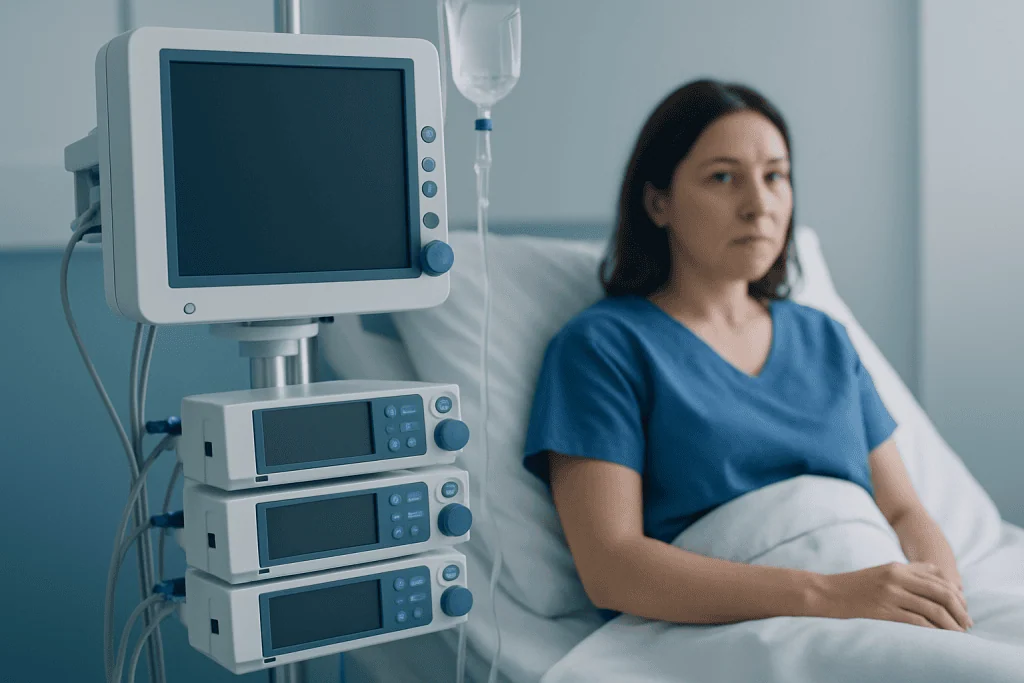
The early signs of an esbl infection depend on where the infection is located. There is no single symptom that proves an infection is caused by ESBL bacteria. Instead, the symptoms are usually the same as those of other bacterial infections, while the difference becomes clear after testing shows antibiotic resistance.
If the urinary tract is affected, common symptoms may include burning or pain during urination, needing to urinate more often, urgency, lower abdominal discomfort, cloudy or foul-smelling urine, or blood in the urine. Older adults may also develop new confusion or weakness, sometimes before typical urinary symptoms become obvious. For general information about this kind of infection, a related condition is urinary tract infection.
If the infection involves the kidneys, lungs, bloodstream, or a wound, symptoms may include fever, chills, flank pain, cough, shortness of breath, redness around a wound, drainage, or feeling generally very unwell. In more serious cases, a person may experience low blood pressure, fast heart rate, extreme fatigue, or mental status changes.
Because these symptoms overlap with many other infections, self-diagnosis is not reliable. A person who develops symptoms after a recent hospital stay, urinary catheter use, or recent antibiotic treatment should seek medical advice promptly, especially if symptoms are worsening.
How ESBL bacteria spread and who is at risk

ESBL bacteria can spread through contact with contaminated hands, surfaces, medical devices, or bodily fluids. They may also spread from a person’s own intestinal bacteria into the urinary tract or bloodstream. In healthcare settings, transmission risk increases when infection-control practices are difficult to maintain or when patients need repeated procedures.
Several factors make an esbl infection more likely. One of the most important is recent or repeated antibiotic use, which can encourage resistant bacteria to grow while more sensitive bacteria are eliminated. Long hospital stays, recent surgery, intensive care admission, dialysis, and residence in long-term care facilities also increase risk.
Medical devices can play a role as well. Urinary catheters, intravenous lines, ventilators, and drainage tubes can create a pathway for bacteria to enter the body. People with diabetes, kidney disease, weakened immune systems, structural urinary tract problems, or recurrent infections may be at higher risk too. Evaluation by urology specialists may be helpful when repeated urinary infections or urinary tract abnormalities are suspected.
It is also possible to acquire ESBL bacteria in the community, outside of hospitals. This may happen in otherwise healthy people, although the risk remains higher in those with prior antibiotic exposure, previous resistant infections, or close contact with healthcare environments.
Diagnosis and why cultures matter
Diagnosing an esbl infection starts with a clinical assessment and a sample from the suspected infection site. Depending on symptoms, this may be a urine sample, blood sample, sputum sample, or wound swab. The laboratory then grows the bacteria in culture and performs susceptibility testing to see which antibiotics are likely to work.
This culture-based approach is especially important because ESBL infections cannot be confirmed by symptoms alone. A person may seem to have a routine urinary tract infection, but if the bacteria are resistant, usual antibiotics may not help. Culture results guide doctors toward a more targeted and safer treatment plan.
Additional testing may be needed if the infection appears severe or complicated. Blood tests can look for signs of inflammation, kidney strain, or dehydration. Imaging studies may be used if doctors suspect a blocked urinary tract, kidney infection, abscess, pneumonia, or another deep source of infection. When the urinary system is involved, urinary system diseases diagnosis and treatment may include imaging and specialist review.
Sometimes a person carries ESBL-producing bacteria without having an active infection. This is called colonization. In that situation, bacteria may be present in the body or on a screening test, but there are no symptoms and no tissue damage. Colonization does not always need antibiotic treatment, which is one reason expert interpretation of test results is important.
Treatment options for ESBL infection
Treatment for an esbl infection depends on where the infection is located, how severe it is, the patient’s general health, and which antibiotics the lab shows are active. There is no single antibiotic that is right for every case. Doctors usually avoid choosing treatment based only on symptoms when resistant bacteria are suspected.
Mild infections may sometimes be treated with oral antibiotics if the bacteria are susceptible to them. More serious infections, such as kidney infections, bloodstream infections, or infections in people who are frail or hospitalized, may require intravenous antibiotics and closer monitoring. The goal is to use the narrowest effective treatment whenever possible, while still treating the infection adequately.
Supportive care can also be important. This may include fluids, pain relief, fever control, and treatment of any underlying issue that allowed the infection to develop, such as a blocked urinary tract, an infected catheter, or a wound problem. If a catheter or line is contributing to infection, it may need to be removed or replaced.
Some people with complicated or recurrent infections may benefit from coordinated care involving infectious disease experts and other specialists. In selected cases, infectious diseases care can help guide antibiotic choice, follow-up cultures, and prevention of future resistant infections. A brief hospital stay may be necessary if the infection is severe, but many people improve once the right treatment is started.
Prevention and self-care
Preventing an esbl infection focuses on reducing exposure to resistant bacteria and lowering the chance that bacteria enter vulnerable parts of the body. Hand hygiene remains one of the most effective measures, both at home and in healthcare settings. Patients and caregivers should wash hands well after using the bathroom, before meals, and after touching wounds or medical devices.
Antibiotic stewardship is also essential. Antibiotics should only be used when prescribed by a qualified clinician and should be taken exactly as directed. They should not be shared, saved for later, or used for viral illnesses such as colds or flu. Limiting unnecessary antibiotic exposure helps reduce the spread of resistant bacteria over time.
For people prone to urinary infections, everyday self-care may help lower risk. Helpful steps can include drinking enough fluids unless a doctor has advised otherwise, not delaying urination for long periods, following catheter-care instructions carefully, and attending follow-up visits for recurrent urinary symptoms. If there are repeated infections, doctors may look for stones, narrowing, incomplete bladder emptying, or another structural cause.
Hospital infection-prevention practices are equally important. These include careful cleaning, use of protective equipment when needed, and removing catheters or intravenous lines as soon as they are no longer necessary. Near the end of the care pathway, some patients may be referred for multidisciplinary assessment; Acibadem International’s specialists in JCI-accredited hospitals diagnose and treat resistant infections for international patients when this is clinically appropriate.
When to seek medical care
Medical care is appropriate when symptoms suggest a urinary tract infection or another bacterial infection, especially if the person has risk factors for resistance. It is wise to seek prompt advice for burning urination with fever, flank pain, worsening urinary symptoms, wound drainage, persistent cough with fever, or signs of dehydration.
Urgent medical attention is needed if there are signs of a serious infection. These include high fever, shaking chills, shortness of breath, chest pain, severe weakness, low urine output, fainting, confusion, or a rapid decline in general condition. Such symptoms can signal that the infection has spread beyond its original site.
People who are pregnant, older adults, those with weakened immune systems, and anyone with a urinary catheter or recent hospitalization should have a lower threshold for contacting a doctor. Early review can help prevent delays in testing and treatment, especially when resistant bacteria are a possibility.
If symptoms return soon after antibiotic treatment, it is important not to restart leftover medication without guidance. Recurrent symptoms may mean the original bacteria were resistant, the infection has not fully cleared, or another condition needs to be considered.
Frequently asked questions
What does ESBL stand for?
ESBL stands for extended-spectrum beta-lactamase. This is an enzyme made by some bacteria that allows them to resist many commonly used antibiotics. The term usually refers to the bacteria causing the infection rather than a separate disease.
Is an ESBL infection contagious?
ESBL bacteria can spread from person to person, especially through contaminated hands, shared surfaces, or medical equipment. The risk is higher in hospitals and care facilities, but spread can also happen in the community. Good hand hygiene and careful cleaning reduce the chance of transmission.
Are ESBL infections always serious?
Not always. Some ESBL infections are mild, such as uncomplicated urinary infections, while others can become more serious if they spread to the kidneys or bloodstream. The key issue is that treatment may be more complex because common antibiotics may not work.
Can an ESBL infection be cured?
Yes, many ESBL infections can be treated successfully. The best treatment depends on culture results, the site of infection, and the person's overall health. Prompt diagnosis helps doctors choose an antibiotic that is more likely to work.
Why didn't the first antibiotic work?
If the bacteria produce ESBL enzymes, they may be resistant to antibiotics that are often used first. This can make a routine treatment seem ineffective. A culture and sensitivity test helps identify which antibiotic is more appropriate.
Can someone carry ESBL bacteria without being sick?
Yes. A person can be colonized with ESBL-producing bacteria, meaning the bacteria are present in or on the body without causing symptoms. Colonization does not always require treatment, but it is still important in healthcare settings because the bacteria can spread or later cause infection.
References
- World Health Organization
- Centers for Disease Control and Prevention
- National Institute of Allergy and Infectious Diseases
- European Centre for Disease Prevention and Control
- Infectious Diseases Society of America
This article is for general information only and is not a substitute for professional medical advice. Please consult a qualified doctor about your individual situation.
Explore treatments in Turkey — costs, top hospitals & a free quote
JCI-accredited · board-certified surgeons · reply within 24h
Check your numbers in seconds
BMI, calories, due date, blood pressure and 30+ more clinical calculators — free, instant, doctor-reviewed ranges.