Facials With Rosacea: What Is Safe and What to Avoid
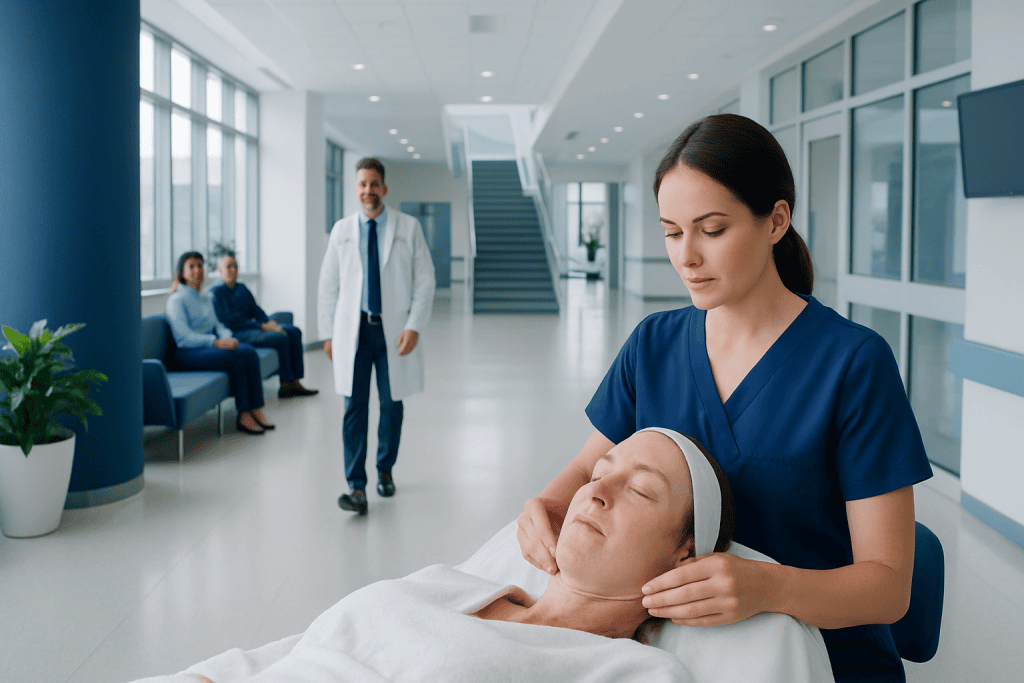
Many people with rosacea can have facials if they are gentle, fragrance-free, and focused on soothing the skin barrier. Hot steam, scrubs, strong acids, and intense massage often trigger flares and are best avoided. During an active flare, or if redness is worsening, see a dermatologist before any treatment.
Key Takeaways
- People with rosacea can sometimes have facials, but harsh exfoliation, heat, steam, and strong active ingredients may trigger flares.
- The best facial approach for rosacea focuses on calming the skin barrier, reducing irritation, and avoiding known triggers.
- Persistent facial redness, flushing, visible blood vessels, bumps, or eye symptoms should be assessed by a doctor.
- Treatment may include trigger management, gentle skin care, sun protection, and prescription therapies when needed.
- A dermatologist can help distinguish rosacea from acne, eczema, allergic reactions, or other causes of facial redness.
You book a facial hoping to leave with calm, glowing skin — and instead your cheeks are hot, stinging and redder than when you walked in. If you have rosacea, that experience is common, and it doesn’t mean facials are off the table for good.
Rosacea and facial care can go together. Not every facial suits rosacea-prone skin, though. The safest approach is a gentle, non-irritating plan built around your own symptoms, triggers and how sensitive your skin is — ideally with medical guidance if your redness is persistent or getting worse.
Overview: Can People with Rosacea Have Facials?
Yes, some people with rosacea can have facials, but the facial must be adapted to very sensitive skin. Rosacea is a chronic inflammatory skin condition that often causes facial redness, flushing, visible small blood vessels, and sometimes acne-like bumps. Because the skin barrier is often more reactive, treatments that may be comfortable for others can trigger burning, stinging, or worsening redness in someone with rosacea.
So the real question isn’t whether you’re allowed a facial — it’s which kind, and when to skip it altogether. Gentle cleansing, fragrance-free moisturizing, and soothing barrier-supportive care may be well tolerated. In contrast, aggressive exfoliation, intense massage, hot steam, strong acids, abrasive scrubs, and irritating essential oils can aggravate symptoms.
No two people with rosacea look quite the same. Some mainly experience flushing and sensitivity, while others develop persistent redness, bumps, thickened skin, or eye irritation. This is why a personalized plan matters. If there is uncertainty about the diagnosis or if the skin is actively inflamed, a medical evaluation is more helpful than a standard cosmetic treatment.
How Rosacea Affects Facial Skin
Rosacea most often affects the cheeks, nose, forehead, and chin. The skin may look flushed as if sunburned, and it can feel warm, tight, dry, or easily irritated. Many people notice that products they once tolerated begin to sting, especially during flares.
Common features include persistent redness, episodes of sudden flushing, enlarged visible facial vessels, and small red bumps or pus-filled spots that may resemble acne. However, rosacea is not the same as acne. Blackheads are usually absent, and the skin is often more sensitive. To understand the broader condition, patients may benefit from learning about rosacea in more detail.
In some people, rosacea also affects the eyes, causing dryness, grittiness, eyelid irritation, or bloodshot appearance. Others may develop thickening of the skin, especially around the nose. Because rosacea can change over time, skin care routines and facial treatments often need adjustment depending on whether symptoms are calm or flaring.
Which Facial Treatments May Help or Harm?

The safest facials for rosacea are usually simple, cooling, and designed to support the skin barrier rather than deeply resurface the skin. A suitable facial may involve gentle cleansing, lukewarm compresses, bland moisturizers, and calming products chosen for sensitive skin. The goal is comfort and barrier repair, not strong stimulation.
Some parts of a standard facial are common troublemakers. Unless your doctor specifically suggests otherwise, it is best to leave these out:
- Hot towels or steam
- Manual scrubs and abrasive brushes
- Strong chemical peels or exfoliating acids
- Fragranced masks or products containing alcohol
- Intense facial massage that increases flushing
- Essential oils and other sensitizing ingredients
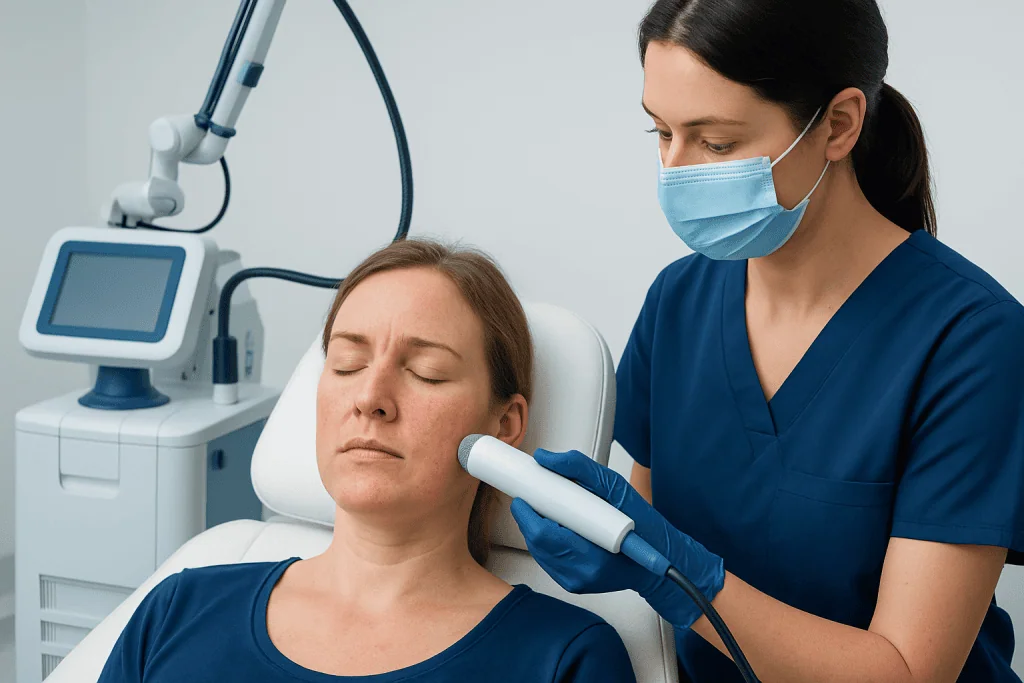
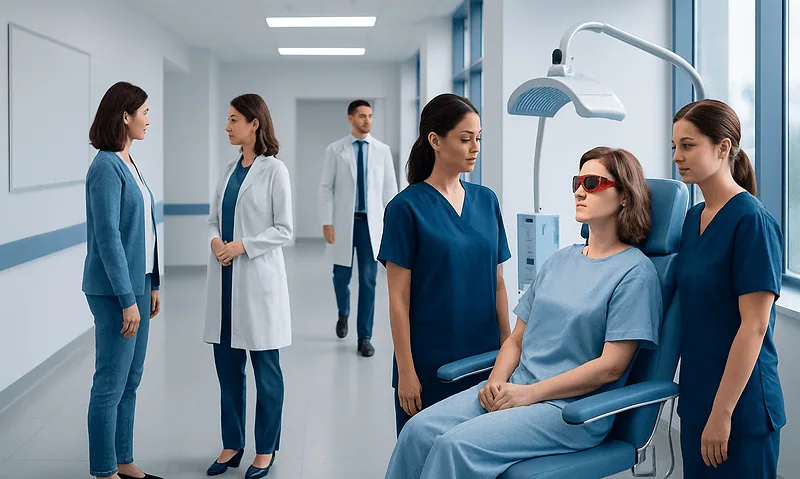
Some clinic-based treatments may help selected patients with persistent redness or visible blood vessels, but these are medical procedures rather than spa facials. Depending on the pattern of symptoms, a dermatologist may discuss options such as laser treatment for visible vessels and diffuse redness. Such treatments should be timed carefully and paired with a gentle aftercare routine.
During an active flare, even a mild facial may be too much. Skin that feels hot, burning, swollen, or unusually reactive often needs rest, simplified skin care, and medical advice rather than additional treatments.
Triggers, Causes, and Risk Factors
The exact cause of rosacea is not fully understood, but it appears to involve a combination of inflammation, blood vessel reactivity, immune system changes, and a vulnerable skin barrier. Genetics may play a role, and symptoms often come and go in response to triggers.
Triggers are personal, which is why keeping a simple skin diary pays off. Many people notice worsening after sun exposure, heat, emotional stress, spicy foods, alcohol, strenuous exercise, or irritating cosmetics. Facial treatments can act as a trigger when they increase heat, friction, or chemical irritation on already sensitive skin.
Skin care products can also contribute. Retinoids, acids, exfoliating cleansers, heavy fragrances, and harsh acne products may increase dryness and burning. Because rosacea can look similar to other facial skin conditions, a doctor may also consider possibilities such as dermatitis, allergic contact reactions, or acne when assessing symptoms. In some cases, patients with recurrent facial irritation may also need evaluation for eczema or another inflammatory skin problem.
How Doctors Diagnose Rosacea
Rosacea is usually diagnosed clinically, meaning the doctor relies on the pattern of symptoms, the appearance of the skin, and the patient’s history of triggers and flares. There is no single blood test that confirms rosacea. Instead, diagnosis focuses on whether there is central facial redness, flushing, visible vessels, inflammatory bumps, or eye involvement.
The consultation often includes questions about which products are being used, whether heat or exercise worsens symptoms, and how long the redness has been present. Photos of flares can be useful because symptoms are sometimes less obvious on the day of the visit. The doctor will also ask about eye discomfort, since ocular rosacea needs attention even when skin symptoms seem mild.
Sometimes the main challenge is ruling out similar conditions. Acne, seborrheic dermatitis, lupus, allergic reactions, steroid-related skin changes, and other disorders may mimic rosacea. Accurate diagnosis matters because the best treatment for rosacea is not always the same as the best treatment for other causes of facial redness.
Treatment Options and Everyday Skin Care
Rosacea treatment usually combines daily skin care with trigger reduction and, when needed, prescription therapy. Many people improve by switching to a mild cleanser, a fragrance-free moisturizer, and broad-spectrum sunscreen suitable for sensitive skin. Sunscreen is especially important because ultraviolet exposure is a common trigger for redness and flares.
Prescription treatments may be considered for bumps, persistent redness, or inflammation. A dermatologist may recommend topical creams or gels, oral medicines for selected cases, or procedures for visible blood vessels and long-term redness. For patients with bothersome vascular changes, options may include dermatology care and procedure-based management when appropriate.
Try thinking of a facial as part of your treatment plan, not a beauty extra on the side. A medically informed approach may involve patch testing, avoiding active treatments before and after procedures, and choosing products with fewer ingredients. In patients whose main concern is redness from superficial vessels, carefully selected skin rejuvenation approaches may be discussed in specialist settings, but they are not suitable for everyone.
Acibadem International’s multidisciplinary specialists and JCI-accredited hospitals diagnose and treat rosacea for international patients, with treatment plans tailored to skin type, symptoms, and sensitivity.
Prevention, Self-care, and Facial Planning
Long-term rosacea care often focuses on preventing flares. Patients can start by identifying triggers, simplifying skin care, and protecting the face from sun and heat. Washing with lukewarm rather than hot water, patting the skin dry, and applying moisturizer promptly may help reduce irritation.
Before your appointment, tell the practitioner you have rosacea, mention any past reactions, and list the skin medications you are using. The safest sessions usually avoid steam, harsh extraction, fragranced products, and strong exfoliation. If a new product is being introduced, patch testing on a small area first may reduce the chance of a widespread flare.
Helpful self-care habits often include:
- Using gentle, non-foaming cleansers
- Applying fragrance-free moisturizers regularly
- Wearing daily sun protection
- Tracking foods, weather, and activities that trigger flushing
- Avoiding over-cleansing and repeated exfoliation
- Stopping any product that causes burning or stinging
If the skin is actively irritated, the simplest routine is usually best. Trying multiple products at once can make it hard to know what is helping and what is causing irritation.
When to Seek Medical Care
Medical advice is appropriate when facial redness persists, flares become more frequent, or skin care products are causing repeated burning or stinging. A doctor should also assess acne-like bumps that do not improve, visible blood vessels that are becoming more noticeable, or thickening of the skin, especially around the nose.
Urgent assessment is important if there are eye symptoms such as pain, light sensitivity, blurred vision, or significant eyelid inflammation. Ocular rosacea can affect eye comfort and, in some cases, eye health if left untreated. Eye symptoms should not be managed only with cosmetic skin care.
If nobody has confirmed what is actually going on with your skin, see a doctor before you book any facial or procedure. A dermatologist can clarify whether the skin changes are due to rosacea, allergy, acne, or another condition, and can advise which treatments are safe during a flare and which should be postponed.
Frequently asked questions
Can a facial make rosacea worse?
Yes, it can if the facial includes heat, steam, strong exfoliation, harsh products, or vigorous massage. People with rosacea often have highly reactive skin, so treatments that disrupt the skin barrier may trigger redness, burning, or bumps. A gentler, tailored approach is usually safer.
What kind of facial is best for rosacea-prone skin?
The best option is usually a calming, fragrance-free facial focused on cleansing and moisturizing rather than resurfacing. Products should be mild, and the session should avoid heat and abrasion. If symptoms are active, it may be better to delay the facial and seek medical advice first.
Should people with rosacea avoid exfoliation completely?
Not everyone needs to avoid all exfoliation forever, but many people with rosacea do poorly with scrubs and strong acids. If exfoliation is considered, it should be very gentle and introduced cautiously. A dermatologist can advise whether it is appropriate for a specific skin type and symptom pattern.
How is rosacea different from acne?
Rosacea often causes central facial redness, flushing, visible vessels, and sensitive skin, while acne commonly includes blackheads and a wider range of clogged pores. Some rosacea patients do develop bumps and pus-filled spots, which can look acne-like. Because treatment differs, an accurate diagnosis is important.
Can rosacea be cured?
Rosacea is usually a long-term condition, so the main goal is control rather than cure. Many people manage it successfully with trigger avoidance, gentle skin care, sun protection, and medical treatment when needed. Symptoms often improve when a consistent plan is followed.
When should eye symptoms with rosacea be checked?
Eye symptoms should be checked if there is dryness, grittiness, redness, eyelid irritation, pain, sensitivity to light, or blurred vision. Rosacea can affect the eyes even when facial symptoms seem mild. Prompt evaluation helps guide the right treatment and protect eye comfort.
This article is for general information only and is not a substitute for professional medical advice. Please consult a qualified doctor about your individual situation.
Rosacea in Turkey — costs, top hospitals & a free quote
7 JCI-accredited hospitals · board-certified surgeons · reply within 24h
Add us as a Preferred Source to see more of our trusted health content across Google Search, AI Overviews and Discover.

Medically reviewed by the Acıbadem International Medical Board — August 24, 2026
See our medical review board →
Update history
- PublishedAugust 5, 2026
- Medical review approvedAugust 24, 2026
- Last content updateAugust 24, 2026
References3
- Rosacea - MedlinePlus — medlineplus.gov
- Rosacea - NHS — nhs.uk
- Rosacea - Cleveland Clinic — my.clevelandclinic.org
Dermatology Specialists at Acibadem




Related Treatments
Related Conditions
More from the Health Library

When a Humidifier Can Ease Dry, Itchy Eczema Skin
Guselkumab Targets IL-23 in Psoriasis and Psoriatic Arthritis

An Armpit Boil Is Usually a Minor Infection That Heals

Ingrown Underarm Hairs: Care at Home and When to See a Doctor
Photodynamic Therapy Treats Sun Damage With Light and Medicine