Pdt Laser: How It Works, Results and What to Expect

Photodynamic therapy works by activating a light-sensitive medicine applied to or given for a targeted treatment area. The treatment is commonly used for actinic keratoses and may be appropriate for selected other skin conditions.
Key Takeaways
- Photodynamic therapy works by activating a light-sensitive medicine applied to or given for a targeted treatment area.
- The treatment is commonly used for actinic keratoses and may be appropriate for selected other skin conditions.
- Redness, swelling, crusting, peeling and light sensitivity are expected during healing, especially after facial treatment.
- Results and the number of sessions vary with the diagnosis, treatment method, skin area and response to therapy.
- Strict light avoidance after treatment is essential because the photosensitizer can temporarily make skin highly sensitive to light.
PDT laser, also called photodynamic therapy, uses a photosensitizing medication and a specific light source to selectively damage abnormal or rapidly growing cells in the skin. It is most often used for sun-damaged precancerous spots called actinic keratoses, and may also be considered for certain acne, superficial skin cancer, or other dermatologic concerns depending on the person and treatment area.
PDT Laser: What It Is and How It Works
PDT laser is a common search term for photodynamic therapy (PDT), a treatment that combines a photosensitizing medicine with a controlled light source. Despite the name, the light used is not always a laser. Dermatologists may use a blue or red light-emitting device, daylight in selected protocols, or occasionally a laser or diode-based light source. The best light source depends on the condition being treated, the medicine used and the depth of the target tissue.
For skin treatment, a clinician usually applies a photosensitizing cream or solution to the affected area. Abnormal sun-damaged cells and some other targeted cells tend to take up or retain the medicine more than surrounding healthy skin. When the area is exposed to the planned wavelength of light, the medicine becomes active and produces a local reaction that damages the selected cells.
In dermatology, PDT is most often used to treat actinic keratoses, rough scaly patches caused by long-term sun exposure that can sometimes progress to squamous cell carcinoma. It may also be used in carefully selected cases of acne, superficial basal cell carcinoma, Bowen disease and other conditions. PDT is not suitable for every lesion or every person, so diagnosis before treatment is important.
Who May Be a Candidate for PDT Laser Treatment?
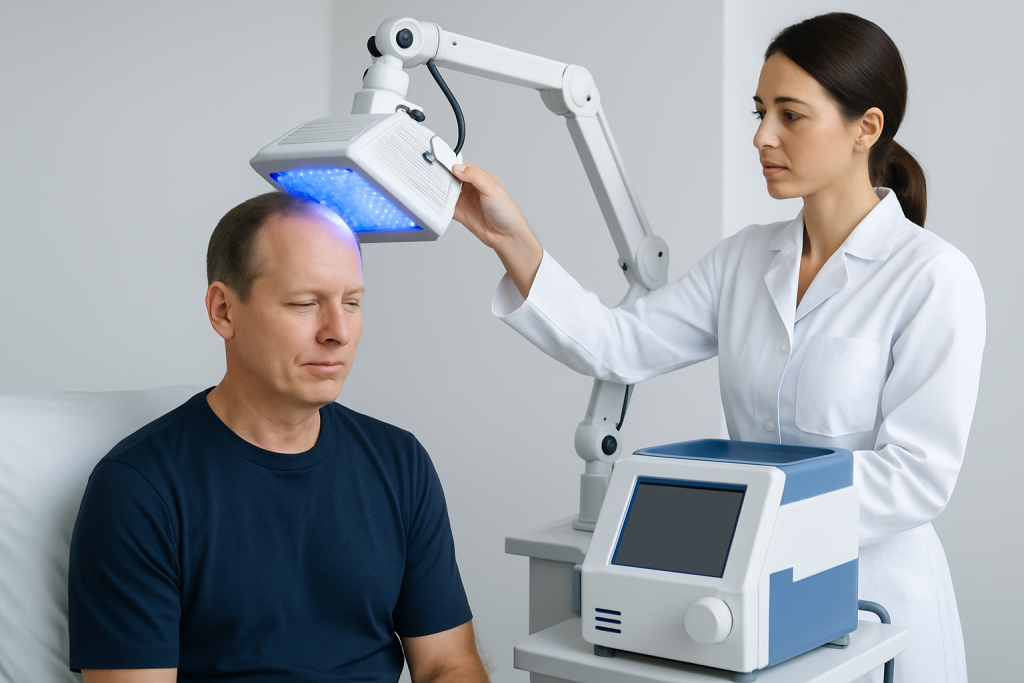
A dermatologist may discuss PDT laser treatment when a person has multiple actinic keratoses on a sun-exposed area, such as the face, scalp, ears, forearms or upper chest. Compared with treating one spot at a time, PDT can treat a broader area of visible and early sun damage. This is sometimes called field treatment.
It may be considered for people whose acne has not improved sufficiently with standard skin care or medicines, although acne PDT protocols vary and it is not the first choice for everyone. For suspected skin cancer, a dermatologist first needs to determine the exact type, size, depth and location of the lesion. Some superficial cancers can be considered for PDT, while thicker, invasive or high-risk lesions generally require other management.
Before recommending treatment, the clinician reviews the person’s medical history, medications, skin type, prior treatments and ability to follow light-avoidance instructions. PDT may not be appropriate for people with certain photosensitivity disorders, porphyria, known allergy to a treatment component, or circumstances in which post-procedure light protection cannot be maintained. Pregnancy or breastfeeding should also be discussed individually with the treating clinician.
- Useful questions for the consultation include the planned diagnosis, light source, expected downtime and whether one or more sessions are likely.
- A new, bleeding, painful, rapidly changing or non-healing skin lesion should be assessed rather than treated cosmetically without a diagnosis.
What Happens During a PDT Laser Procedure?

The exact PDT laser procedure differs by diagnosis and protocol. The appointment usually begins with examination and preparation of the treatment area. For actinic keratoses, the clinician may gently remove scale or rough surface material first. This can help the photosensitizing medicine reach the abnormal cells more effectively.
The medicine is then applied to the selected area. It remains in place for a planned incubation period, which may be short or may last several hours depending on the product and treatment approach. During this time, the patient may wait in the clinic or follow specific instructions about protecting the area from light.
Next, the area is exposed to the prescribed light source for a defined period. Some people feel warmth, stinging, prickling or burning while the light is on. The clinical team may use fans, cooling methods, pauses or other comfort measures when appropriate. Afterward, sunscreen and physical protection may be applied, and the patient receives clear aftercare instructions.
A pdt diode laser is one possible light-delivery method, but it is not automatically better than other sources. The important issue is whether the selected photosensitizer and light protocol are appropriate for the diagnosed condition. A qualified dermatologist can explain why a particular system is recommended.
PDT Laser Before and After: Recovery and Expected Results
PDT laser before and after changes are usually gradual rather than immediate. In the first hours after treatment, the area may feel warm, tender or tight. Redness and swelling often develop, followed over the next several days by dryness, darkening of treated spots, crusting, flaking or peeling. These effects commonly reflect the skin’s response and healing process.
For facial PDT, visible recovery often takes about one to two weeks, although it can be shorter or longer depending on the protocol, skin area and individual response. Areas such as the scalp, chest or limbs may heal at a different pace. Once peeling settles, the skin may look smoother and actinic keratoses may be less visible. However, PDT does not reverse all sun damage or prevent future lesions.
Aftercare usually includes gentle cleansing, bland moisturizer if advised, avoiding picking or scrubbing, and strict protection from sunlight and bright indoor light for the time specified by the clinical team. The relevant period may begin when the medicine is applied and continue after light activation. A broad-spectrum sunscreen, hat and protective clothing remain important after healing because sun exposure contributes to recurrent actinic keratoses.
Follow-up allows the dermatologist to check how well the area has healed, identify remaining lesions and decide whether further treatment is needed. PDT how often varies widely: some people need a single session for a defined area, while others need repeat treatments or continuing skin surveillance because sun damage can recur.
How Do You Know If Photodynamic Therapy Is Working?
Photodynamic therapy is usually assessed through clinical follow-up rather than by the amount of redness alone. During healing, treated actinic keratoses may become more noticeable, darken, crust or peel before improving. This response can be expected, but it does not by itself confirm that every abnormal cell has been cleared.
Over the following weeks, a dermatologist looks for resolution or improvement of rough, scaly patches and examines the wider treatment field for persistent or newly visible lesions. Photographs may sometimes help compare the skin before and after treatment. If a lesion remains suspicious, it may need closer assessment or biopsy rather than repeated treatment without confirmation.
For acne, improvement is generally judged by changes in inflammatory lesions, oiliness and breakouts over time. Because acne can fluctuate naturally, the clinician may recommend a treatment plan that includes skin care or other therapies. The expected response should be discussed before the procedure, as outcomes differ among conditions.
What Are the Downsides of Photodynamic Therapy?
The main downsides of photodynamic therapy are temporary discomfort, visible healing changes and the need for careful light avoidance. Light activation can be painful for some people, particularly when a large facial or scalp area is treated. Cooling and breaks can help, but the experience varies from person to person.
Common short-term effects include redness, swelling, burning, itching, tenderness, crusting and peeling. The skin can also appear blotchy or darker for a time. Less commonly, people may develop blistering, infection, prolonged color changes, scarring or a strong inflammatory reaction. The risk depends on the treatment settings, site, degree of sun damage and individual healing factors.
PDT may also be less suitable when a condition needs rapid tissue removal, when the lesion is deep, or when a biopsy is required to establish the diagnosis. It does not replace regular skin examinations or long-term sun protection. A dermatologist can compare PDT with alternatives, including cryotherapy, topical field therapies, curettage, excision or other procedures when these are more appropriate.
What Will My Face Look Like After Photodynamic Therapy?
After photodynamic therapy on the face, it is common for the skin to look red and mildly swollen, similar to a noticeable sunburn. Treated areas may later become dry, flaky, crusted or scaly. Individual actinic keratoses can temporarily look darker or more obvious before they shed and the skin begins to settle.
The most visible phase often occurs during the first several days, although the timeline is variable. Makeup, fragranced products, exfoliants, retinoids and other potentially irritating products may need to be avoided until the skin barrier has recovered and the treating clinician says they can be restarted. Gentle cleansing and the recommended moisturizer can support comfort.
Most people see progressive improvement as the surface heals. Persistent marked swelling, increasing pain, spreading redness, pus, fever, or a wound that is not healing as expected should be reported promptly. The clinical team can distinguish expected post-treatment inflammation from a complication that needs care.
What Is the Success Rate of Photodynamic Therapy?
There is no single success rate for photodynamic therapy because results depend on what is being treated. Outcomes differ between actinic keratoses, acne and superficial skin cancers, and they are also influenced by lesion thickness, body location, the photosensitizer, the light protocol and whether treatment is repeated. Published studies use different definitions of clearance and different follow-up periods, so a single percentage can be misleading.
For actinic keratoses, PDT can clear many visible lesions and improve a broader area of sun-damaged skin. Some lesions may persist, and new actinic keratoses can develop later because the underlying risk from cumulative sun exposure remains. Follow-up and sun protection are therefore part of successful long-term care.
For skin cancer, the goal and follow-up requirements are more specific. PDT may be effective for selected superficial, low-risk lesions, but it is not appropriate for all cancer types or depths. A dermatologist may recommend surgery or another treatment when it offers more reliable assessment of margins or a better expected outcome. Patients with confirmed skin cancer should follow an individualized surveillance plan.
Acibadem International’s multidisciplinary specialists at JCI-accredited hospitals can assess appropriate dermatologic treatment options for international patients, including whether PDT is suitable for a diagnosed skin condition.
When to Seek Medical Care
A person should arrange a dermatology assessment for a new or changing spot that bleeds, ulcerates, becomes painful, grows quickly, repeatedly crusts, or does not heal. These signs do not necessarily mean cancer, but they should not be assumed to be ordinary sun damage. Prompt assessment helps ensure the right diagnosis and treatment.
After PDT, medical advice should be sought if pain becomes severe or is increasing, swelling is substantial, redness spreads beyond the expected treatment area, blisters are extensive, or there are signs of infection such as pus, fever or worsening tenderness. Contact the treating clinic as soon as possible if accidental significant light exposure occurs during the required avoidance period.
People with repeated actinic keratoses or a history of skin cancer benefit from regular professional skin checks as advised. Daily sun protection and self-awareness of changing lesions can help identify concerns early.
Frequently asked questions
Is PDT laser actually a laser treatment?
Not always. PDT refers to photodynamic therapy, which uses a photosensitizing medicine followed by activation with a particular type of light. The light may come from a blue or red light device, daylight in selected protocols, or sometimes a laser-based system.
Does PDT laser treatment hurt?
Many people experience stinging, burning, heat or prickling during the light phase of treatment. The intensity varies with the area treated and the protocol used. Clinical teams may use cooling, fans or pauses to improve comfort.
How long should light be avoided after photodynamic therapy?
The required period depends on the photosensitizing medicine and the treatment protocol. The treating clinician will provide specific instructions, which should be followed carefully. Natural sunlight and some bright indoor lights may trigger a reaction while the medicine remains active.
Can PDT remove actinic keratoses permanently?
PDT can clear many existing actinic keratoses and improve sun-damaged skin in the treated area. However, it cannot remove the effects of future sun exposure or guarantee that new lesions will not develop. Regular skin checks and sun protection remain important.
How often can PDT be done?
The frequency depends on the diagnosis, treatment response and amount of sun damage. Some people need one session, while others may benefit from another session or future field treatment. A dermatologist determines timing after examining the skin and reviewing healing.
Can photodynamic therapy treat every type of skin cancer?
No. PDT is considered only for selected superficial and low-risk skin cancers in appropriate locations. It is not generally used for invasive, deep, aggressive or high-risk tumors. A biopsy and dermatologist assessment help determine the safest treatment approach.
References
- American Academy of Dermatology Association
- American Cancer Society
- National Cancer Institute
- British Association of Dermatologists
- DermNet
This article is for general information only and is not a substitute for professional medical advice. Please consult a qualified doctor about your individual situation.
Oncology care in Turkey — second opinion and treatment plan
JCI-accredited · board-certified surgeons · reply within 24h
Add us as a Preferred Source to see more of our trusted health content across Google Search, AI Overviews and Discover.