Early Onset Dementia: What Patients Need to Know

Early onset dementia refers to dementia diagnosed before age 65. Symptoms may include changes in memory, judgment, language, behavior, or visual-spatial skills.
Key Takeaways
- Early onset dementia refers to dementia diagnosed before age 65.
- Symptoms may include changes in memory, judgment, language, behavior, or visual-spatial skills.
- Several conditions can cause it, including Alzheimer’s disease, frontotemporal dementia, vascular disease, and some treatable disorders.
- Assessment usually involves medical history, cognitive testing, blood tests, and brain imaging.
- Treatment focuses on the cause, symptom management, safety, daily function, and family support.
- A doctor should assess persistent or progressive cognitive or behavioral changes, especially if they affect work or independence.
Early onset dementia means dementia that begins before age 65. It is not a normal part of aging, and because symptoms can overlap with stress, depression, or other neurological conditions, timely evaluation is important for diagnosis, treatment planning, and support.
Overview
Early onset dementia is dementia that develops before the age of 65. It is a broad term rather than a single disease, and it describes a group of conditions that gradually affect thinking, memory, communication, behavior, or the ability to manage daily life. Although dementia is more common later in life, younger adults can also be affected.
This diagnosis can be especially challenging because symptoms may first appear during working years, while raising a family, or when a person is otherwise physically active. Early signs are sometimes mistaken for burnout, depression, menopause-related concerns, sleep problems, or stress. For that reason, a careful medical evaluation is important when changes are persistent or worsening.
Early onset dementia may result from Alzheimer’s disease, frontotemporal dementia, vascular injury to the brain, Lewy body disease, or rarer neurological and genetic conditions. Some medical problems can also cause dementia-like symptoms and may be partially or fully treatable, which is one reason specialist assessment matters.
How early onset dementia can appear
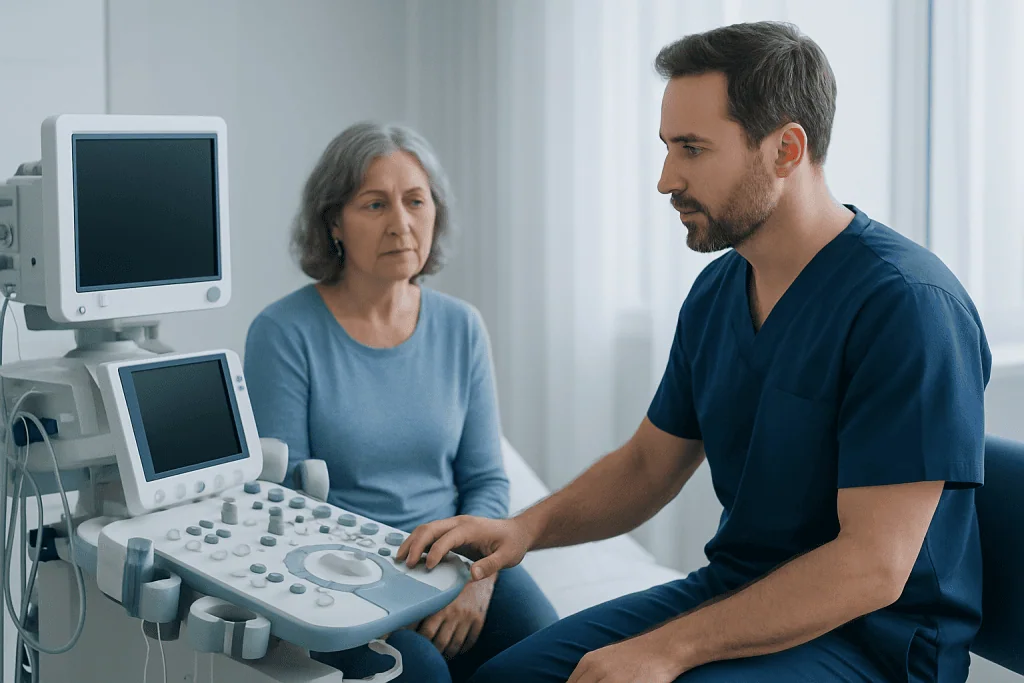
Many people expect dementia to begin with forgetfulness alone, but early onset dementia may start in different ways depending on the cause. Some people first notice memory lapses, such as repeating questions, misplacing items, or struggling to learn new information. Others develop language problems, poor judgment, personality change, or trouble with planning and organization.
In younger adults, symptoms may be first noticed at work or in complex daily tasks. A person may miss deadlines, have difficulty following multistep processes, become less socially aware, or struggle to manage finances. Family members may notice reduced motivation, unusual irritability, impulsive decisions, or getting lost in familiar places.
Common symptoms can include:
- Increasing memory problems that disrupt daily life
- Difficulty finding words or understanding conversation
- Problems with focus, planning, or decision-making
- Changes in mood, personality, or behavior
- Reduced insight into one’s own difficulties
- Visual-spatial problems, such as judging distance or navigating
- Trouble carrying out familiar tasks
Symptoms usually develop gradually, but the pattern varies. Some conditions mainly affect behavior or language at first, while others begin with memory or movement changes. This variation is one reason a clear diagnosis can take time.
Causes and risk factors

The most common cause of early onset dementia is Alzheimer’s disease, but it is not the only one. Frontotemporal dementia often begins earlier than typical late-life dementia and may present with behavior, personality, or language changes rather than memory loss. Vascular dementia can follow strokes or long-term blood vessel damage. Less commonly, dementia symptoms may be linked to Parkinson-related disorders, Huntington disease, prion disease, autoimmune conditions, infections, or certain metabolic problems.
Risk factors depend on the underlying cause. Family history may play a larger role in some younger patients, especially when symptoms begin very early or several relatives are affected. High blood pressure, diabetes, high cholesterol, smoking, obesity, and physical inactivity can increase the risk of vascular cognitive impairment. Previous brain injury, heavy alcohol use, and untreated sleep disorders may also contribute to cognitive decline in some people.
Importantly, not every cause is a degenerative dementia. Vitamin deficiencies, thyroid disease, medication effects, severe depression, normal pressure hydrocephalus, and some inflammatory or infectious conditions can mimic dementia. Because some of these are treatable, doctors usually investigate reversible causes early in the diagnostic process.
How doctors diagnose it
Diagnosis begins with a detailed history from the patient and, when possible, from someone who knows them well. Doctors ask about the pattern of symptoms, how long they have been present, and whether they interfere with work, relationships, driving, money management, or personal care. Past medical history, medications, alcohol or substance use, sleep patterns, mood symptoms, and family history are also important.
The evaluation usually includes a neurological examination and cognitive testing. These tests assess memory, language, attention, executive function, and visual-spatial abilities. Blood tests may be done to look for reversible causes such as vitamin deficiency, thyroid problems, infection, or other metabolic conditions. Brain imaging, often with MRI, helps identify strokes, shrinkage patterns, inflammation, tumors, or hydrocephalus. In some cases, doctors may recommend more advanced assessments such as neuropsychological testing for a detailed profile of strengths and weaknesses.
When the cause remains unclear, additional tests may be considered, including specialized scans, spinal fluid analysis, genetic counseling, or evaluation by subspecialists. The goal is not only to confirm dementia but also to identify the specific condition causing it, because treatment, prognosis, and family planning may differ.
Treatment and ongoing care
Treatment for early onset dementia depends on the underlying diagnosis. If a reversible or contributing medical problem is found, treating it may improve symptoms or slow decline. For neurodegenerative causes, treatment focuses on symptom control, preserving function, supporting safety, and planning ahead. Some people may benefit from medications used for cognitive symptoms, while others may need treatment for depression, anxiety, sleep disturbance, agitation, or movement-related problems.
Non-drug approaches are equally important. Speech and language therapy, occupational therapy, structured routines, exercise, and cognitive support strategies can help maintain independence. Some patients may benefit from multidisciplinary rehabilitation programs or ongoing follow-up in neurology rehabilitation settings, especially when cognitive changes affect communication, mobility, or daily functioning.
Care planning should include work, finances, legal issues, and family responsibilities, because younger patients often face different practical challenges than older adults. Discussions about driving, medication management, and home safety should be handled early and respectfully. Support for caregivers is also essential, as partners, parents, or children may all be affected by the diagnosis.
Living with early onset dementia
Receiving this diagnosis can be emotionally difficult, but many people continue meaningful routines and relationships with the right support. A practical care plan can reduce uncertainty. This often includes a regular daily schedule, reminders or digital tools, simplified household tasks, and review of work demands or transportation needs.
Lifestyle measures cannot cure dementia, but they can support brain and overall health. Good sleep, regular physical activity, social engagement, balanced nutrition, treatment of hearing or vision problems, and control of blood pressure, diabetes, and cholesterol are all helpful parts of care. Avoiding excess alcohol and reviewing medications with a doctor may also reduce additional cognitive strain.
It may help families to learn about the specific diagnosis and discuss future wishes early, while the person can actively participate in decisions. In selected cases, specialists may also arrange MRI or other investigations over time to monitor changes and refine the diagnosis if symptoms evolve.
When to seek medical care
Medical care should be sought if memory, language, behavior, judgment, or problem-solving changes are persistent, progressive, or affecting daily life. This is especially important when symptoms interfere with work performance, finances, parenting responsibilities, medication use, or driving. A prompt evaluation can help identify treatable causes and guide the next steps.
Urgent medical attention is needed if confusion develops suddenly, or if symptoms are accompanied by severe headache, weakness, speech difficulty, seizures, fever, head injury, or major changes in consciousness. These features can suggest a different medical emergency rather than a slowly developing dementia process.
If a specialist assessment is needed, centers with neurology, neuropsychology, imaging, and rehabilitation expertise can coordinate diagnosis and care. Acibadem International’s multidisciplinary specialists and JCI-accredited hospitals diagnose and treat neurological conditions for international patients when further evaluation is required.
Frequently asked questions
What is the difference between early onset dementia and typical dementia?
Early onset dementia refers to dementia diagnosed before age 65. The symptoms can be similar to dementia in older adults, but younger patients often face different challenges related to employment, family life, finances, and delayed recognition.
Is early onset dementia the same as Alzheimer’s disease?
No. Alzheimer’s disease is one cause of early onset dementia, but there are several others, including frontotemporal dementia, vascular dementia, Lewy body disease, and some rarer neurological or medical conditions. Identifying the exact cause is important because treatment and support needs may differ.
Can early onset dementia be cured?
Some conditions that mimic dementia, such as vitamin deficiency or thyroid disease, may improve when treated. For progressive neurodegenerative causes, treatment usually focuses on slowing functional decline where possible, managing symptoms, supporting independence, and helping patients and families plan ahead.
What are the first signs family members often notice?
Families may first notice repeated questions, poor judgment, personality change, social withdrawal, language difficulty, or problems managing work and daily tasks. In some types, behavior or communication changes appear before obvious memory loss.
Should a person with early onset dementia stop working or driving immediately?
Not always, but both issues should be reviewed carefully with a doctor. Ability varies by person and by stage of disease, and regular reassessment is important for safety, legal requirements, and practical planning.
When is genetic testing considered?
Genetic counseling or testing may be discussed when symptoms begin at a young age, when there is a strong family history, or when a doctor suspects an inherited form of dementia. Testing is not appropriate for everyone, so it is usually guided by specialist advice.
References
- World Health Organization
- National Institute on Aging
- Alzheimer's Association
- National Institute of Neurological Disorders and Stroke
- Centers for Disease Control and Prevention
This article is for general information only and is not a substitute for professional medical advice. Please consult a qualified doctor about your individual situation.
Dementia in Turkey — costs, top hospitals & a free quote
JCI-accredited · board-certified surgeons · reply within 24h
Check your numbers in seconds
BMI, calories, due date, blood pressure and 30+ more clinical calculators — free, instant, doctor-reviewed ranges.