Prevnar Vaccine: A Complete Medical Overview

The prevnar vaccine helps prevent serious pneumococcal infections, not all causes of pneumonia. Different age groups may need different pneumococcal vaccines and schedules.
Key Takeaways
- The prevnar vaccine helps prevent serious pneumococcal infections, not all causes of pneumonia.
- Different age groups may need different pneumococcal vaccines and schedules.
- Most side effects are mild, such as soreness at the injection site, tiredness, or low fever.
- Adults age 65 and older and people with certain medical conditions may benefit from vaccination.
- A doctor can help decide which pneumococcal vaccine is appropriate based on age and medical history.
The prevnar vaccine is a pneumococcal conjugate vaccine that helps protect against infections caused by Streptococcus pneumoniae, including pneumonia, bloodstream infection, and meningitis. It is used in infants and children and may also be recommended for adults based on age, health conditions, and vaccination history.
Overview: What the Prevnar Vaccine Is
The prevnar vaccine is a vaccine designed to protect against pneumococcal disease, which is caused by the bacterium Streptococcus pneumoniae. This bacterium can lead to illnesses ranging from ear infections and sinus infections to more serious conditions such as pneumonia, bloodstream infection, and meningitis. Vaccination lowers the risk of severe disease by helping the immune system recognize specific pneumococcal strains.
Prevnar is a pneumococcal conjugate vaccine. Conjugate vaccines are made to create a strong immune response, especially in infants and young children whose immune systems are still developing. Newer versions may protect against a broader range of pneumococcal strains than earlier ones, so the exact vaccine recommended can vary depending on a person’s age and vaccination history.
One important point is that the prevnar vaccine does not prevent every type of pneumonia or every respiratory infection. It specifically targets pneumococcal bacteria included in the vaccine. Even so, it plays an important role in reducing the chance of serious illness, hospitalization, and complications from pneumococcal disease.
Who Should Receive It and Why It Matters
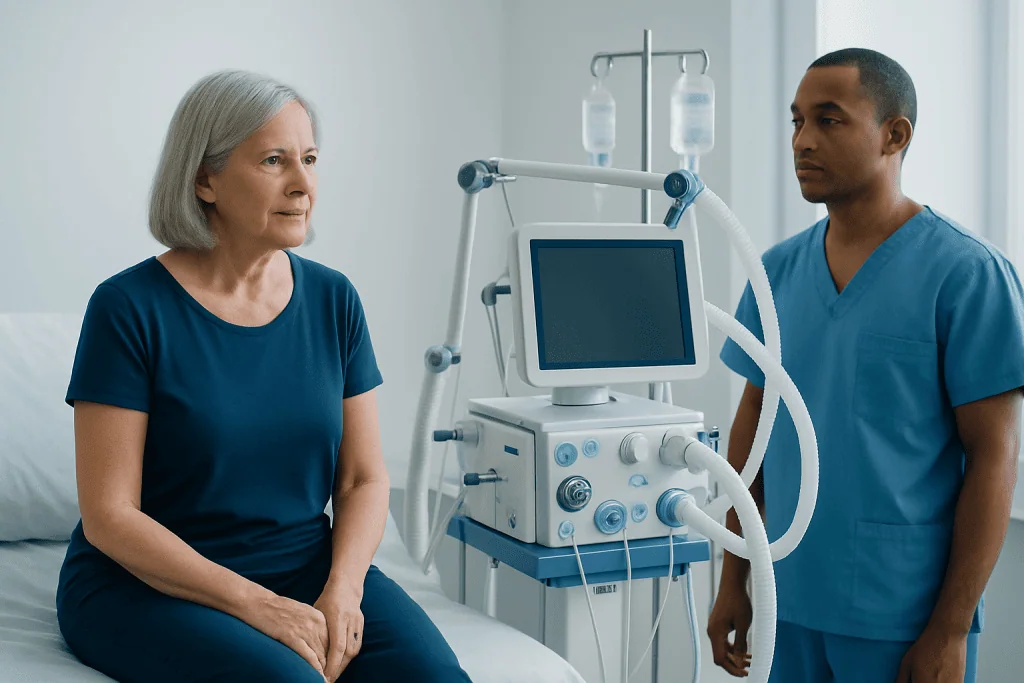
The prevnar vaccine is routinely recommended for infants and young children because they are at higher risk for invasive pneumococcal disease. It is usually given as part of the standard childhood immunization schedule. Children with certain medical conditions, such as immune system disorders, chronic heart or lung disease, or cochlear implants, may have an especially strong reason to be vaccinated on time.
Adults may also need pneumococcal vaccination. In many cases, adults age 65 and older are advised to receive pneumococcal vaccines because the risk of severe infection rises with age. Adults younger than 65 may also be eligible if they have chronic illnesses, reduced immunity, smoking history, or other risk factors that increase vulnerability to infection.
This protection matters because pneumococcal infections can progress quickly, especially in babies, older adults, and people with underlying health problems. Vaccination is one of the most effective ways to reduce the risk of conditions such as pneumonia and other invasive infections before they become severe.
How the Prevnar Vaccine Works

The vaccine works by exposing the immune system to harmless components related to the outer coating of pneumococcal bacteria. These components are linked to a carrier protein, which improves the body’s ability to build a lasting immune response. As a result, if the vaccinated person later encounters the real bacteria, the immune system can respond more quickly and effectively.
This process does not cause pneumococcal disease. The vaccine does not contain live bacteria that can reproduce and create infection. Instead, it trains the body to recognize selected strains most commonly associated with serious illness.
Because many strains of pneumococcus exist, vaccine protection is targeted rather than universal. Still, the strains included in prevnar vaccines are chosen because they are clinically important and commonly associated with severe disease. Public health recommendations may change over time as vaccine formulations and circulating bacterial patterns evolve.
Schedules, Age Groups, and Special Situations
For infants, the prevnar vaccine is usually given in a series of doses during the first years of life. The exact timing can differ by country, local health authority, and the child’s health status. If a child starts late or misses a dose, a catch-up schedule may still provide protection, so parents should ask a pediatrician rather than assume it is too late.
Adults do not all follow the same schedule. Recommendations depend on age, previous pneumococcal vaccination, and medical conditions such as chronic kidney disease, diabetes, lung disease, heart disease, or weakened immunity. Some adults may receive one pneumococcal conjugate vaccine alone, while others may also need another pneumococcal vaccine type as advised by their doctor.
Vaccination plans can become more individualized for people preparing for certain treatments or living with complex illnesses. For example, those with cancer, organ transplantation, or significant immune suppression may need careful timing of vaccines around care plans such as chemotherapy. A qualified physician can review vaccine history and decide the safest and most effective schedule.
- Infants and young children usually receive routine doses.
- Adults 65 and older often need pneumococcal vaccination.
- Younger adults may qualify based on risk factors or chronic disease.
- Missed doses may often be caught up with medical guidance.
Side Effects, Safety, and Contraindications
Most people tolerate the prevnar vaccine well. The most common side effects are mild and temporary, including pain, redness, or swelling where the shot was given. Some people, especially infants and young children, may also experience fussiness, sleepiness, reduced appetite, low fever, or mild irritability for a short time after vaccination.
Adults may notice tiredness, muscle aches, headache, or mild fever for a day or two. These reactions are usually signs that the immune system is responding to the vaccine. Serious allergic reactions are rare, but they require urgent medical attention if they occur soon after vaccination.
The vaccine may not be suitable for someone who has had a severe allergic reaction to a previous dose or to a vaccine component. In some cases, vaccination may be postponed if a person has a moderate or severe acute illness with fever. A doctor will weigh the benefits and risks and can also help distinguish expected vaccine side effects from symptoms of an actual infection such as meningitis or severe respiratory illness.
How Doctors Decide Which Pneumococcal Vaccine Is Needed
Choosing the right pneumococcal vaccine is not always as simple as asking for one brand. Doctors consider age, medical history, previous vaccines, immune status, and local guideline recommendations. In some cases, a person may have already received an older pneumococcal vaccine and now needs an updated recommendation based on current guidance.
Medical history is especially important in people with asthma, chronic obstructive pulmonary disease, heart disease, diabetes, kidney disease, liver disease, or a weakened immune system. These conditions can raise the risk of severe pneumococcal infection, so vaccination may be strongly advised as part of preventive care. People being evaluated for conditions affecting the lungs may also discuss prevention during care planning that includes bronchoscopy or broader respiratory assessment.
Because vaccine recommendations can change, it is best to use an up-to-date clinician review rather than relying on older records or general internet advice. A family doctor, pediatrician, internist, or infectious disease specialist can confirm whether prevnar vaccine is indicated and whether any additional pneumococcal vaccine is needed.
Prevention, Self-Care, and When to Seek Medical Care
Vaccination is only one part of protection against respiratory and invasive infections. Good hand hygiene, avoiding close contact with people who are unwell when possible, not smoking, and managing chronic medical conditions can all support lower infection risk. For children, keeping routine vaccines current is an important part of overall preventive care.
After receiving the prevnar vaccine, most people only need simple self-care. Rest, fluids, and observation are usually enough if mild soreness or low fever develops. If there is concern about discomfort, a doctor can advise on appropriate symptom relief based on age and medical history.
Medical care should be sought promptly if breathing difficulty, facial swelling, widespread rash, persistent high fever, unusual lethargy, confusion, seizures, severe worsening pain, or signs of dehydration occur after vaccination. People should also contact a doctor if they develop symptoms that suggest a serious infection, such as chest pain, persistent cough with shortness of breath, stiff neck, or severe headache. In international care settings, Acibadem International’s multidisciplinary specialists and JCI-accredited hospitals evaluate infections, vaccine-related concerns, and conditions that may require advanced support such as intensive care.
Frequently asked questions
What does the prevnar vaccine protect against?
The prevnar vaccine helps protect against pneumococcal disease caused by certain strains of Streptococcus pneumoniae. This includes serious infections such as pneumonia, bloodstream infection, and meningitis, but it does not protect against every cause of these illnesses.
Is the prevnar vaccine only for children?
No. It is routinely used in infants and children, but adults may also need pneumococcal vaccination depending on age, health conditions, and prior vaccine history. Older adults and people with chronic disease or weakened immunity are common groups for whom vaccination is considered.
Can someone still get pneumonia after receiving the prevnar vaccine?
Yes. The vaccine reduces the risk of pneumonia caused by specific pneumococcal strains, but it does not prevent every type of pneumonia. Viruses, other bacteria, and pneumococcal strains not covered by the vaccine can still cause infection.
What are common prevnar vaccine side effects?
Common side effects include soreness, redness, or swelling at the injection site, along with mild fever, tiredness, headache, or irritability. These effects are usually short-lived and improve on their own within a day or two.
Can the prevnar vaccine cause pneumococcal infection?
No. The vaccine does not contain live bacteria that can cause pneumococcal disease. It works by stimulating the immune system to recognize and respond to bacterial components safely.
How can a person know if they need prevnar vaccine or another pneumococcal vaccine?
The right vaccine depends on age, medical conditions, and whether any pneumococcal vaccines were received in the past. A doctor can review the immunization record and current guidelines to recommend the most appropriate option.
References
- Centers for Disease Control and Prevention
- World Health Organization
- American Academy of Pediatrics
- U.S. Food and Drug Administration
- European Centre for Disease Prevention and Control
This article is for general information only and is not a substitute for professional medical advice. Please consult a qualified doctor about your individual situation.
Explore treatments in Turkey — costs, top hospitals & a free quote
JCI-accredited · board-certified surgeons · reply within 24h

More from the Health Library



Related Specialists

Dr. Deniz Sebzeçi
Internal Medicine
Fzt. Osman Karaoğlan
Physical Medicine and Rehabilitation
Fzt. Aslı Hacıoğlu
Physical Medicine and Rehabilitation
Dr. Beyza Çitçi
Neurology