Migraine Treatment: Symptoms, Causes, and Treatment Options

Migraine is a neurological condition, not just a severe headache. Migraine treatment may include acute medicines, preventive therapies, and lifestyle strategies.
Key Takeaways
- Migraine is a neurological condition, not just a severe headache.
- Migraine treatment may include acute medicines, preventive therapies, and lifestyle strategies.
- Identifying triggers and tracking symptoms can help improve long-term control.
- Sudden, unusual, or progressively worsening headaches should be assessed by a doctor.
- Treatment works best when it is individualized and reviewed regularly.
Migraine treatment usually combines fast-acting relief during an attack with longer-term prevention when migraines are frequent or disabling. The right plan depends on symptom pattern, triggers, overall health, and whether the headaches may be linked to another condition.
Overview: What migraine treatment involves
Migraine treatment aims to do two things: relieve symptoms during an attack and reduce how often attacks happen in the future. Many people benefit from a combination of rest, hydration, trigger management, and medicines chosen according to the severity and pattern of symptoms. This answer-first approach matters because migraine is highly individual, and no single treatment plan fits everyone.
Migraine is a neurological disorder that can cause throbbing or pulsing head pain, often with nausea, vomiting, and sensitivity to light, sound, or smell. Some people also experience visual or sensory changes called aura before or during an attack. Because migraine can overlap with other headache disorders, accurate assessment is important before deciding on treatment.
For some patients, occasional attacks respond well to acute medicines taken early. For others, frequent or disabling episodes may require preventive treatment, especially if migraines interfere with work, school, sleep, or daily routines. Care may involve neurology, pain management, and imaging or other tests when symptoms are atypical or concerning.
How migraine symptoms can appear
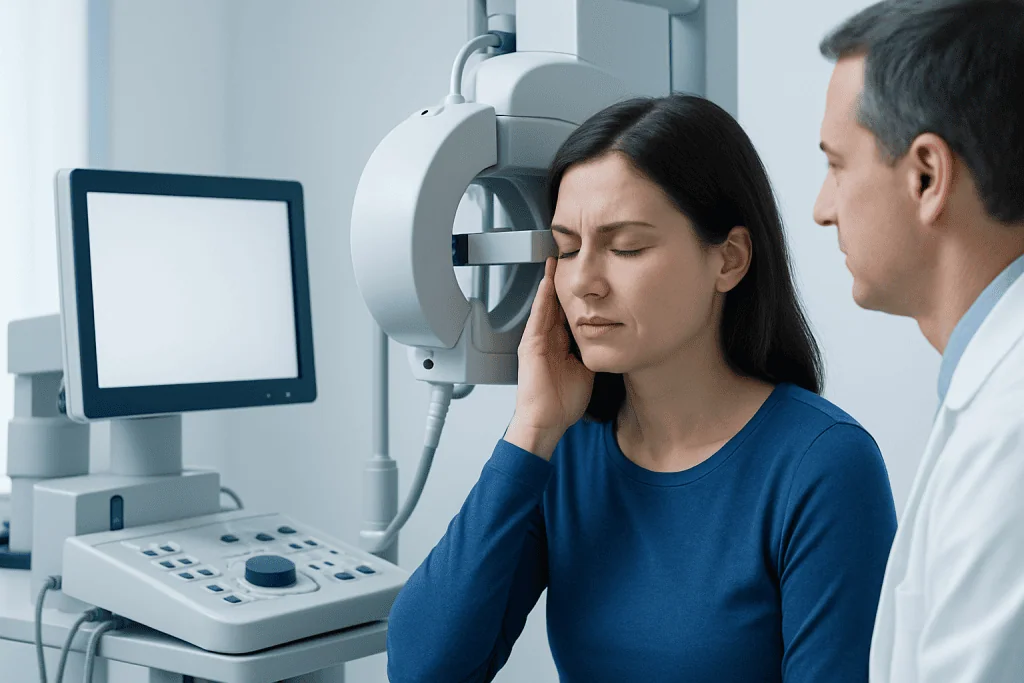
Migraine symptoms vary widely from person to person and even from one attack to the next. The headache is often moderate to severe, commonly on one side of the head, but it can also affect both sides. Movement may worsen the pain, and many people prefer to lie down in a quiet, dark room until the attack eases.
Symptoms are not limited to head pain. Nausea, vomiting, light sensitivity, sound sensitivity, blurred vision, neck discomfort, and trouble concentrating are all common. In migraine with aura, warning signs may include flashing lights, zigzag lines, blind spots, tingling, or temporary speech difficulty before the headache phase.
Some people also notice early warning symptoms hours before the pain starts, such as yawning, fatigue, mood changes, food cravings, or stiffness in the neck. Recognizing these phases can help a person take treatment early, which may improve results.
- Throbbing or pulsing head pain
- Nausea or vomiting
- Sensitivity to light, sound, or smell
- Visual changes or aura
- Dizziness or difficulty focusing
Causes, triggers, and risk factors

The exact cause of migraine is complex and not fully explained by a single mechanism. Current understanding points to changes in brain signaling, nerve pathways, inflammation around pain-sensitive structures, and shifts in chemicals involved in pain processing. Genetics also plays an important role, and migraine often runs in families.
Triggers do not cause migraine in the same way an infection causes illness, but they can make an attack more likely in susceptible people. Common triggers include poor sleep, skipped meals, dehydration, stress, hormonal changes, bright light, strong odors, alcohol, and certain foods. Not every suspected trigger affects every person, so tracking patterns can be more helpful than avoiding long lists unnecessarily.
Risk factors include female sex, family history, anxiety or depression, and other neurological or pain disorders. People who have headaches on many days each month may develop chronic migraine, which is harder to manage without a structured plan. In some cases, frequent use of painkillers can also contribute to medication-overuse headache, which may overlap with migraine.
How doctors diagnose migraine
Migraine is usually diagnosed through a detailed medical history and neurological examination rather than a single blood test or scan. A doctor will ask about the timing, frequency, duration, location, associated symptoms, family history, and what makes the attacks better or worse. A headache diary can be especially useful because it shows patterns over time.
Imaging tests are not needed for every person with a typical migraine pattern and a normal examination. However, tests such as MRI scanning or CT imaging may be recommended when headaches are new, unusually severe, changing in pattern, associated with weakness or confusion, or when another cause must be ruled out.
Doctors also consider other conditions that can resemble migraine, including tension-type headache, cluster headache, sinus-related symptoms, and secondary causes such as infection, bleeding, high blood pressure emergencies, or structural problems. This careful assessment helps guide safe and appropriate migraine treatment.
Migraine treatment options
Acute migraine treatment is used to stop or reduce symptoms once an attack begins. Options may include over-the-counter pain relievers for milder episodes and prescription migraine-specific medicines for more severe attacks. Anti-nausea medicines may also be used when vomiting or stomach upset makes recovery harder. In general, treatment works best when taken early in the attack rather than waiting for pain to become severe.
Preventive treatment is considered when migraines are frequent, prolonged, or significantly disruptive. This may involve daily or regularly scheduled medicines, injectable preventive therapies, or other approaches tailored to age, other medical conditions, and pregnancy plans. If a person has many headache days, a doctor may also review medicine use to reduce the risk of rebound symptoms and medication-overuse headache.
Some patients with persistent or complicated symptoms may be assessed by specialists in neurology care. In selected cases, treatment may include nerve block procedures, infusion-based care, or advanced therapies when standard options have not provided enough relief. The goal is not only fewer headaches, but also better function, sleep, and quality of life.
Because migraine treatment needs can change over time, follow-up is important. A plan may be adjusted based on side effects, attack frequency, life stage, hormone changes, or whether another condition such as chronic headache disorders is also present.
Prevention and self-care strategies
Daily habits can play an important role in migraine prevention. Regular sleep and wake times, consistent meals, good hydration, moderate caffeine intake, and stress management may help reduce attacks in some people. Sudden changes in routine can be a trigger, so steady habits are often more helpful than extreme restrictions.
Keeping a migraine diary can make treatment more precise. Recording symptoms, menstrual timing, foods, stress, sleep quality, weather changes, and medicine use may reveal useful patterns. This can help a doctor decide whether a person is dealing with episodic migraine, chronic migraine, or medication-overuse headache.
Exercise, relaxation techniques, and behavioral therapies may also support treatment. Gentle aerobic activity, breathing exercises, and cognitive behavioral strategies can improve resilience and reduce stress-related flare-ups for some patients. These methods are not a replacement for medical care, but they can complement a broader treatment plan.
- Eat regular meals and avoid dehydration
- Maintain a consistent sleep schedule
- Limit overuse of pain medicine unless advised by a doctor
- Track symptoms and triggers in a diary
- Discuss supplements or non-drug therapies with a qualified clinician
When to seek medical care
A doctor should assess headaches that are new, different from previous migraines, or becoming more frequent or severe. Medical review is also important if headaches start after age 50, follow a head injury, or interfere with normal activities despite self-care and standard medicines.
Urgent care is needed for a sudden “worst headache,” headache with weakness, fainting, confusion, seizure, high fever, stiff neck, or persistent vision changes. These symptoms do not always mean a serious cause, but they should not be ignored because some emergency conditions can mimic migraine.
People who are pregnant, have cancer, immune suppression, or significant cardiovascular disease should seek professional advice before assuming a headache is migraine. Near the end of the care journey, some international patients choose evaluation at centers such as Acibadem International, where multidisciplinary specialists in JCI-accredited hospitals diagnose and treat migraine and related neurological conditions.
Frequently asked questions
What is the best migraine treatment?
The best migraine treatment depends on how often attacks happen, how severe they are, and which symptoms occur with them. Some people do well with medicine taken during an attack, while others need preventive treatment to reduce frequency. A doctor can help tailor the plan to the individual.
Can migraine be cured permanently?
Migraine usually cannot be permanently cured, but it can often be managed effectively. Many people experience fewer or less severe attacks with the right combination of medicines, trigger management, and lifestyle changes. Treatment goals focus on better control and improved daily functioning.
When should preventive migraine treatment be considered?
Preventive treatment may be considered when migraines happen often, last a long time, or significantly affect work, school, sleep, or quality of life. It is also useful when acute medicines are not working well or are being used too often. The decision should be made with a qualified clinician.
Are all severe headaches migraines?
No, not all severe headaches are migraines. Other headache disorders and some urgent medical conditions can also cause strong head pain. A correct diagnosis is important, especially if the pattern is new or unusual.
What can trigger a migraine attack?
Common triggers include lack of sleep, skipped meals, dehydration, stress, hormonal changes, bright light, alcohol, and certain foods or smells. Triggers vary from person to person, and not every suspected trigger is relevant for everyone. A diary can help identify the most meaningful patterns.
Can imaging tests diagnose migraine?
Scans such as MRI or CT do not diagnose migraine by themselves. Migraine is mainly diagnosed from medical history and neurological examination. Imaging is used when doctors need to rule out another cause or when symptoms are atypical.
References
- World Health Organization
- National Institute of Neurological Disorders and Stroke
- American Migraine Foundation
- Mayo Clinic
- National Institute for Health and Care Excellence
This article is for general information only and is not a substitute for professional medical advice. Please consult a qualified doctor about your individual situation.
Migraine in Turkey — costs, top hospitals & a free quote
JCI-accredited · board-certified surgeons · reply within 24h