Two Months Pregnant Tummy: A Complete Clinical Guide for Patients

At two months pregnant, the uterus is still small, so a prominent bump is usually not expected. Bloating, constipation, and hormonal changes are common reasons the abdomen may look or feel different.
Key Takeaways
- At two months pregnant, the uterus is still small, so a prominent bump is usually not expected.
- Bloating, constipation, and hormonal changes are common reasons the abdomen may look or feel different.
- Pregnancy appearance varies widely based on body type, prior pregnancies, and muscle tone.
- Ultrasound and prenatal visits, not belly size, are the best ways to assess how pregnancy is progressing.
- Severe pain, heavy bleeding, fainting, or one-sided pelvic pain need prompt medical evaluation.
A two months pregnant tummy often looks only slightly different from before pregnancy. Many people notice more bloating, mild fullness, or a firmer lower abdomen rather than a clearly visible baby bump at this stage.
Overview: what a two months pregnant tummy usually looks like
A two months pregnant tummy usually does not show a distinct baby bump yet. At around 8 weeks of pregnancy, the uterus is still relatively small and remains low in the pelvis, so outward abdominal enlargement is often subtle. Many patients notice that clothes feel tighter, but this is commonly due to bloating rather than the size of the pregnancy itself.
Early pregnancy hormones can slow digestion and increase water retention. This may cause the lower abdomen to feel fuller, firmer, or slightly rounded at different times of day. For some, the change is most noticeable in the evening, while the abdomen looks flatter in the morning.
There is no single “normal” appearance for a two months pregnant tummy. Some people see almost no external change, while others notice more fullness because of body shape, prior pregnancies, or abdominal muscle tone. Belly size at this stage does not reliably show whether a pregnancy is healthy, growing well, or developing at the same pace as someone else’s.
What changes inside the body at 8 weeks
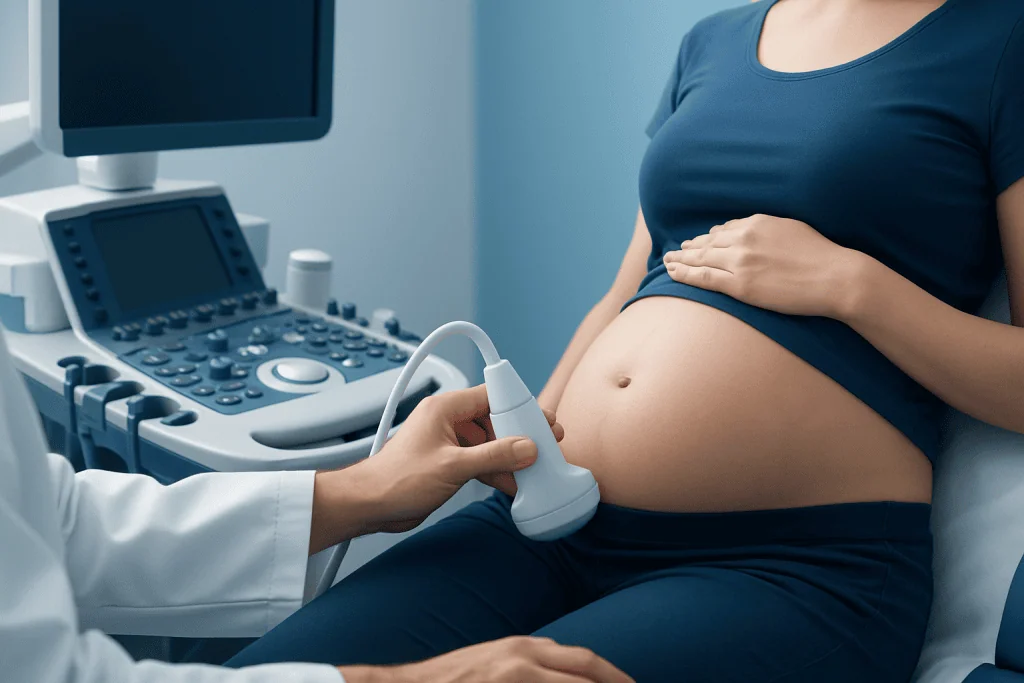
By two months of pregnancy, major internal changes are underway even if the abdomen still looks similar from the outside. The uterus has started to expand, the placenta is developing, and blood volume is beginning to increase. Hormonal shifts, especially rising progesterone, help support the pregnancy but also affect the digestive system and circulation.
These normal changes can lead to symptoms that make the tummy feel different. Gas, constipation, and temporary bloating are especially common. Some patients also feel mild stretching or pulling sensations in the pelvis as tissues adapt to the growing uterus.
Breast tenderness, nausea, fatigue, and food aversions often occur alongside abdominal changes. Although these symptoms can be uncomfortable, they are common in early pregnancy. A clinician may confirm the pregnancy and its location with an exam and ultrasound imaging when needed.
Why some people look more pregnant than others
The appearance of a two months pregnant tummy differs from person to person. Height, weight distribution, abdominal muscle tone, and whether this is a first pregnancy all influence how the abdomen looks. Someone who has been pregnant before may notice a visible change earlier because the abdominal wall and uterus may stretch differently in later pregnancies.
Bloating can also create more visible fullness than the pregnancy itself. Foods that increase gas, constipation, and slowed bowel movement can make the abdomen appear rounder by the end of the day. This is one reason the tummy may seem larger at some times and smaller at others.
Body shape and prior surgery may affect appearance too. Importantly, comparing one pregnancy with another can be misleading. At this stage, the size of the abdomen is not a dependable way to judge fetal growth, due date accuracy, or pregnancy health.
- First pregnancy: bump often appears later
- Previous pregnancy: changes may be noticed earlier
- Lean body frame: fullness may be easier to notice
- Bloating or constipation: can make the tummy look larger temporarily
Common symptoms that may come with a two months pregnant tummy
At two months pregnant, abdominal appearance is often linked to common early pregnancy symptoms rather than a large uterus. Bloating, mild cramping, pressure low in the pelvis, and constipation are frequent. Nausea and vomiting may also make the abdomen feel unsettled or sensitive.
Mild cramps can happen as the uterus grows, but they should not be severe. Light spotting may occur in some pregnancies, yet persistent bleeding is not considered typical and should be discussed with a doctor. Patients with a history of miscarriage, infertility treatment, or high-risk pregnancy may be advised to have closer monitoring early on.
Other expected symptoms at this stage can include:
- Breast swelling or tenderness
- Fatigue and daytime sleepiness
- Frequent urination
- Food cravings or aversions
- Mood changes
- Heartburn or indigestion
These symptoms can vary greatly. Some people have many symptoms, while others have very few. Neither pattern alone proves whether a pregnancy is progressing normally.
How doctors assess early pregnancy instead of relying on belly size
Doctors do not use the size of a two months pregnant tummy to judge whether the pregnancy is normal. In early pregnancy, clinical assessment usually relies on the menstrual history, symptoms, pelvic examination when appropriate, blood tests, and imaging. An ultrasound is often the most useful tool for confirming the pregnancy inside the uterus and checking gestational age.
If pain, bleeding, or uncertainty about dates is present, a doctor may recommend prompt evaluation. This is important because some early pregnancy symptoms can overlap with complications such as miscarriage or ectopic pregnancy. A pregnancy outside the uterus can be serious and needs urgent diagnosis and treatment.
Routine prenatal care may include laboratory evaluation to assess blood group, anemia, infections, and general maternal health. In some patients, prenatal check-up visits also include counseling on nutrition, supplements, exercise, and medicines to avoid during pregnancy.
Self-care, comfort measures, and healthy habits
Most changes in a two months pregnant tummy can be managed with simple self-care and regular prenatal follow-up. Eating smaller meals, drinking enough water, and choosing fiber-rich foods may help reduce bloating and constipation. Gentle activity, such as walking, can also support digestion and overall well-being if a doctor says exercise is safe.
Patients should avoid comparing belly size online or expecting a visible bump by a certain week. Wearing comfortable clothing with a less restrictive waistband can reduce pressure on the abdomen. It may also help to keep a symptom diary, especially if nausea, bowel habits, or abdominal discomfort are changing.
General early pregnancy habits that support health include taking prenatal vitamins as advised, avoiding smoking and alcohol, and checking with a doctor before using any medicine or supplement. If nausea and vomiting are severe, hydration becomes especially important, and medical advice should be sought.
Where additional support is needed, care may involve specialists in gynecology care and obstetrics. Near the end of the care pathway, Acibadem International’s multidisciplinary specialists and JCI-accredited hospitals provide diagnosis and treatment for international patients with routine and complex pregnancy-related concerns.
When to seek medical care
A two months pregnant tummy is usually not a cause for concern by itself. However, certain symptoms need medical review because they may signal a complication rather than normal early pregnancy changes. Prompt assessment is especially important if symptoms are sudden, severe, or worsening.
Patients should contact a doctor urgently if they have heavy vaginal bleeding, severe abdominal or pelvic pain, pain on one side, shoulder pain, fainting, fever, or persistent vomiting that prevents drinking fluids. These symptoms do not always mean a serious problem, but they should be checked without delay.
Medical advice is also appropriate if there is ongoing anxiety about whether the pregnancy is developing normally. Reassurance through clinical evaluation can be helpful, particularly for those with previous pregnancy loss, fertility treatment, or chronic medical conditions.
- Seek urgent care for heavy bleeding or severe pain
- Call a doctor for persistent vomiting or dehydration
- Report dizziness, fainting, or one-sided pelvic pain promptly
- Arrange routine prenatal care even if symptoms are mild
Frequently asked questions
Should a two months pregnant tummy be visible?
Usually, not very much. At around 8 weeks, the uterus is still small and remains low in the pelvis, so visible change is often mild. Many patients notice bloating or a feeling of fullness rather than a clearly defined bump.
Why does the tummy look bigger at night in early pregnancy?
This is often related to bloating, gas, and slower digestion rather than rapid uterine growth. Hormonal changes can make the abdomen feel more distended later in the day. A flatter appearance in the morning is common.
Can belly size at two months show if the pregnancy is healthy?
No. Belly size this early is not a reliable sign of fetal growth or pregnancy health. Doctors usually assess early pregnancy with symptoms, examination, blood tests, and ultrasound rather than outward abdominal appearance.
Is cramping normal with a two months pregnant tummy?
Mild cramping or stretching sensations can be normal in early pregnancy. However, severe pain, one-sided pain, or cramping with heavy bleeding should be assessed by a doctor promptly. These symptoms need medical evaluation to rule out complications.
What can help reduce bloating at two months pregnant?
Small frequent meals, good hydration, gentle walking, and adequate fiber may help. Avoiding foods that worsen gas can also be useful. Patients should ask a clinician before taking any over-the-counter remedy during pregnancy.
When should someone worry about changes in a two months pregnant tummy?
Concern is appropriate if abdominal changes come with heavy bleeding, severe or worsening pain, fainting, fever, or vomiting that causes dehydration. These symptoms need prompt medical advice. If there is uncertainty, it is always reasonable to contact a qualified healthcare professional.
References
- American College of Obstetricians and Gynecologists
- National Health Service
- Centers for Disease Control and Prevention
- World Health Organization
This article is for general information only and is not a substitute for professional medical advice. Please consult a qualified doctor about your individual situation.
Persistent digestive symptoms? Get evaluated in Turkey
JCI-accredited · board-certified surgeons · reply within 24h
Check your numbers in seconds
BMI, calories, due date, blood pressure and 30+ more clinical calculators — free, instant, doctor-reviewed ranges.