Big Toe Inside Pain: Possible Causes and When to Seek Care

Big toe inside pain commonly comes from bunions, arthritis, tendon irritation, gout, or injury. The exact location of pain, swelling, redness, and stiffness can help narrow the cause.
Key Takeaways
- Big toe inside pain commonly comes from bunions, arthritis, tendon irritation, gout, or injury.
- The exact location of pain, swelling, redness, and stiffness can help narrow the cause.
- Supportive shoes, rest, ice, and activity changes may help mild cases, but persistent pain needs medical assessment.
- Sudden severe pain, marked swelling, fever, deformity, or inability to bear weight should be checked promptly.
- Diagnosis may involve a physical exam, X-rays, blood tests, or occasionally ultrasound or MRI.
Big toe inside pain often relates to the joint, soft tissues, or bone on the inner side of the big toe. Common causes include bunions, arthritis, overuse, tendon irritation, gout, or injury, and the right treatment depends on the exact source of the pain.
Overview: what big toe inside pain can mean
Big toe inside pain usually refers to discomfort along the inner side of the big toe or at the joint where the toe meets the foot. In many people, it is caused by pressure on the joint, irritation of nearby tendons or soft tissues, or inflammation from a condition such as a bunion, osteoarthritis, or gout. Sometimes the pain starts gradually with walking or tight shoes, while in other cases it appears suddenly after injury or a flare of inflammation.
This symptom is common because the big toe carries a large share of body weight during standing, walking, and pushing off with each step. Even small changes in toe alignment can place extra stress on the joint and surrounding structures. The inner side of the joint is especially prone to rubbing from footwear and to changes linked with bunions.
Although many causes are not serious, persistent pain should not be ignored. Pain that lasts, limits walking, or keeps returning may point to a structural problem or an inflammatory condition that benefits from professional care. Early assessment can often improve comfort and help prevent worsening deformity or stiffness.
Common symptoms that may occur with inner big toe pain
The sensation of pain can vary. Some people describe an aching or pressure-like discomfort near the base of the big toe. Others notice sharp pain when bending the toe, tenderness over a bump on the inner side, or soreness after long periods of walking or standing. The timing matters too: pain that is worst first thing in the morning may suggest stiffness or arthritis, while pain that flares during exercise may point to overuse or strain.
Other symptoms can provide clues. Swelling around the joint may occur with bunions, arthritis, or injury. Redness and warmth may suggest active inflammation, including gout or infection, although infection is less common. Stiffness and reduced range of motion can happen when the joint surfaces are irritated or worn down.
People should also note whether there is numbness, tingling, or a change in toe shape. Friction from shoes can lead to calluses or skin irritation over a bunion. In some cases, the toe may begin to drift toward the second toe, making the joint look more prominent on the inner side.
- Aching or pressure at the base of the big toe
- Tenderness over the inner side of the joint
- Swelling, redness, or warmth
- Stiffness or pain when bending the toe
- A visible bump or change in toe alignment
- Pain that worsens with walking, running, or tight shoes
Possible causes of big toe inside pain

One of the most common causes is a bunion, a bony prominence that forms at the base of the big toe as the joint shifts out of alignment. A bunion can make the inner side of the toe joint sore, swollen, and irritated, especially in narrow or tight footwear. Some people have a family tendency to bunions, while others develop them over time because of foot shape and mechanical stress. Readers who want to understand this condition in more detail may find hallux valgus helpful.
Arthritis is another frequent explanation. Osteoarthritis may cause pain, stiffness, and reduced movement in the big toe joint, especially with age or after past injury. In some people, inflammatory arthritis such as rheumatoid arthritis can affect the toe joints as part of a wider pattern of joint pain. Gout can also cause sudden, intense pain, redness, and swelling in the big toe, often starting abruptly and feeling much more severe than typical overuse pain. More information about gout may be useful when symptoms come on suddenly.
Soft tissue problems can also cause pain on the inside of the big toe. Tendons that help move and stabilize the toe may become irritated from overuse, changes in walking pattern, sports activity, or footwear that alters pressure on the forefoot. Bursitis, a painful inflammation of a small fluid-filled sac near the joint, may develop over a bunion or other pressure point.
Injury should also be considered. A stubbed toe, twisting injury, repetitive strain from running, or a small stress fracture can all lead to inner toe pain. Less commonly, infection, nerve irritation, or sesamoid-related problems under the big toe joint may contribute to discomfort that seems to spread toward the inner side.
Risk factors and what can make it worse
Several factors can increase the chance of developing big toe inside pain. Foot structure plays an important role. People with flat feet, very flexible joints, a family history of bunions, or certain gait patterns may put extra pressure on the big toe joint. Footwear also matters: narrow toe boxes, stiff shoes, or high heels can crowd the forefoot and increase friction on the inner side of the big toe.
Activity level can influence symptoms as well. Running, jumping sports, long periods of standing, and jobs that place repeated strain on the forefoot may worsen pain. Weight-bearing loads are transferred through the big toe during push-off, so even minor joint irritation can become more noticeable with frequent walking or exercise.
Age and medical history matter too. Osteoarthritis becomes more common over time, and previous injuries may lead to later joint changes. Conditions such as gout, inflammatory arthritis, diabetes, or circulation problems can affect how pain presents and how quickly tissues recover. Understanding these factors helps guide the best treatment plan and whether medical review is needed sooner.
How doctors diagnose the cause
Diagnosis starts with a careful history and physical examination. A doctor will usually ask where the pain is felt, when it started, whether it began suddenly or gradually, and what makes it better or worse. The appearance of the joint, range of motion, walking pattern, swelling, skin changes, and tenderness over specific areas can offer important clues.
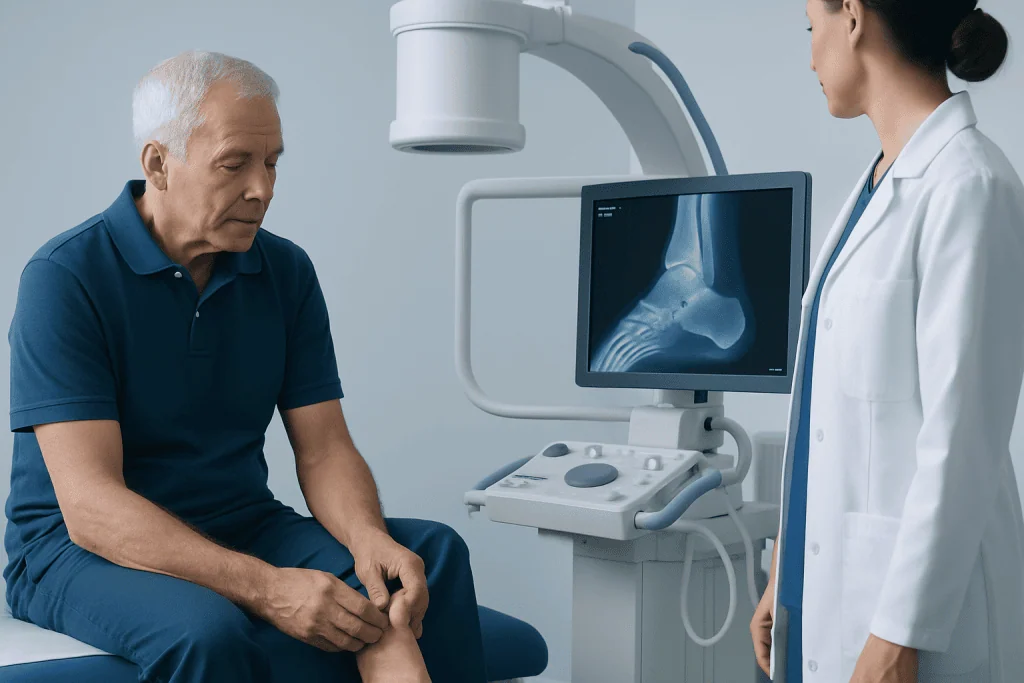
X-rays are often useful when a bunion, arthritis, deformity, or fracture is suspected. They can show joint alignment, bone spurs, narrowing of the joint space, and signs of injury. If the problem seems related to soft tissues, inflammation, or a less obvious stress injury, ultrasound or MRI may occasionally be recommended.
Blood tests are not needed for everyone, but they may help when gout, infection, or inflammatory arthritis is suspected. If the joint is hot, very swollen, or suddenly painful, a clinician may consider tests to look for inflammation or, in selected cases, to examine fluid from the joint. The goal is not just to confirm pain, but to identify the exact reason for it so treatment can be more targeted.
Treatment options for big toe inside pain
Treatment depends on the cause, severity, and how much the pain affects daily life. For many mild or recent cases, conservative care is the first step. This may include rest from aggravating activities, ice, elevating the foot when swollen, and wearing shoes with a wide toe box and good support. Protective pads or orthotic inserts may reduce pressure on the inner side of the big toe and improve walking comfort.
If a bunion or mechanical problem is driving symptoms, physical therapy, stretching, footwear changes, and custom supports may help reduce strain. A doctor may also discuss short-term pain-relief medicines when appropriate for the individual. People with arthritis may benefit from joint-friendly footwear and activity modification, while those with gout need treatment aimed at controlling inflammation and, when needed, uric acid over time.
When pain persists despite conservative care, more specialized treatment may be considered. Imaging can clarify whether the joint is severely damaged or misaligned. In selected cases, doctors may recommend bunion surgery for painful hallux valgus, or other procedures tailored to the joint problem. If advanced joint degeneration is present, options may include orthopedic evaluation and procedures such as orthopedic surgery or structured physical therapy and rehabilitation to improve function and reduce pain.
Self-treatment is not always enough, especially if symptoms are recurring, severe, or linked to an inflammatory disease. A personalized plan can help treat the root cause rather than only masking discomfort.
Self-care, prevention, and day-to-day comfort
Many people can reduce big toe inside pain by addressing pressure and strain early. Shoes should allow enough room for the toes to spread naturally, without rubbing over the inner side of the joint. Cushioned soles and stable support may improve comfort during walking. It can help to avoid shoes that squeeze the forefoot or force the big toe inward.
Activity changes may also be useful. During a painful flare, reducing high-impact exercise and choosing lower-impact options such as cycling or swimming may ease stress on the toe. Gentle mobility exercises and calf stretching can sometimes improve foot mechanics, though they should not be forced if they worsen pain. Managing body weight, when relevant, may also reduce repeated load through the big toe joint.
Prevention also means paying attention to early changes. A developing bump, increasing stiffness, or recurring pain after activity is worth monitoring. People with diabetes or reduced sensation in the feet should inspect the skin regularly and seek advice promptly for pressure areas, redness, or wounds, since even minor shoe friction can become more complicated in these settings.
When to seek medical care
Medical care is advisable if big toe inside pain lasts more than a few days, keeps returning, or interferes with walking, exercise, work, or sleep. A visible bunion, increasing toe deformity, or gradual loss of movement also deserves assessment, because early treatment may help protect joint function and make shoes and activity more comfortable.
Prompt medical attention is especially important if pain begins suddenly and is severe, if the joint becomes very red, hot, or markedly swollen, or if there is fever, an open wound, or drainage. These features can suggest gout, significant injury, or less commonly infection. Inability to bear weight, a suspected fracture, or numbness and color change in the toe should also be checked without delay.
For people who need specialist evaluation, Acibadem International’s multidisciplinary teams in JCI-accredited hospitals diagnose and treat foot and toe conditions for international patients. A qualified clinician can identify whether the problem is mechanical, inflammatory, or injury-related and recommend the most appropriate next steps.
Frequently asked questions
What is the most common cause of big toe inside pain?
A bunion is one of the most common causes, especially when pain is felt at the inner side of the joint where the big toe meets the foot. Arthritis, overuse, and gout are also frequent reasons, so the most likely cause depends on how the pain feels and whether there is swelling, redness, or stiffness.
Can tight shoes cause pain on the inside of the big toe?
Yes. Shoes with a narrow toe box or high heels can crowd the toes, increase pressure on the big toe joint, and irritate a bunion or inflamed soft tissues. Switching to roomier, supportive footwear often helps reduce symptoms.
How do I know if my big toe pain is gout?
Gout often causes sudden, intense pain with redness, warmth, and noticeable swelling, usually at the big toe joint. The area may become very tender to touch, and symptoms often start quickly rather than gradually. A doctor may use the history, examination, and sometimes blood tests or joint fluid testing to confirm it.
Will big toe inside pain go away on its own?
Mild pain from short-term irritation or overuse may improve with rest, ice, and better footwear. However, pain caused by a bunion, arthritis, or repeated strain may continue or return if the underlying problem is not addressed. Persistent or worsening symptoms should be evaluated by a clinician.
Do bunions always need surgery?
No. Many bunions are managed without surgery using wider shoes, padding, orthotics, and activity changes to reduce pressure and pain. Surgery is usually considered when symptoms remain significant despite conservative treatment or when the deformity severely affects function.
When should someone see a doctor for inner big toe pain?
A doctor should be seen if the pain is severe, lasts more than a few days, keeps coming back, or makes walking difficult. Prompt care is also important for sudden swelling, marked redness, fever, a suspected fracture, or inability to bear weight.
References
- American Academy of Orthopaedic Surgeons
- American College of Rheumatology
- National Institute of Arthritis and Musculoskeletal and Skin Diseases
- National Health Service
- MedlinePlus
This article is for general information only and is not a substitute for professional medical advice. Please consult a qualified doctor about your individual situation.
Joint and spine care in Turkey — expert assessment & treatment
JCI-accredited · board-certified surgeons · reply within 24h