

Is Kennel Cough Contagious to Humans? Causes, Explanations, and Next Steps
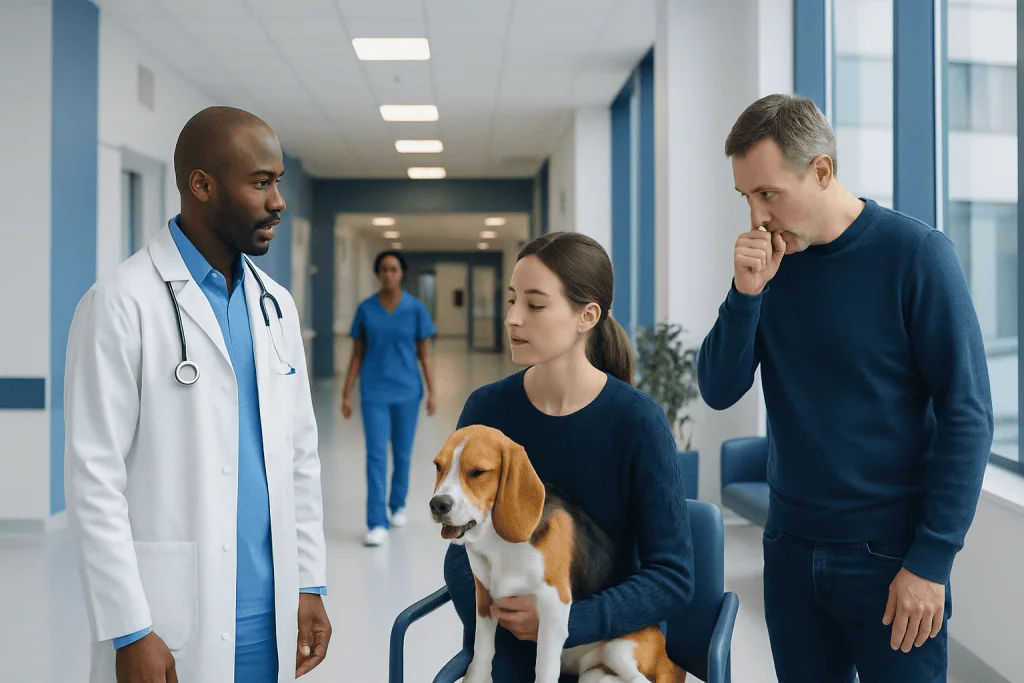
For most healthy adults, kennel cough is not commonly passed from dogs to humans. The bacterium Bordetella bronchiseptica is the main rare human concern linked to kennel cough.
Key Takeaways
- For most healthy adults, kennel cough is not commonly passed from dogs to humans.
- The bacterium Bordetella bronchiseptica is the main rare human concern linked to kennel cough.
- People with weakened immunity, chronic lung disease, or advanced age may be at higher risk of infection.
- Human symptoms are not specific and may include cough, fever, or breathing symptoms that need medical assessment.
- Good hand hygiene, avoiding close contact with a sick pet’s secretions, and veterinary care for the dog help lower risk.
Kennel cough is usually a canine respiratory infection, and for most healthy people it does not pose a meaningful risk. In rare situations, some germs linked to kennel cough can affect humans, especially those with weakened immune systems, so persistent or unusual symptoms should be reviewed by a doctor.
Overview: can people catch kennel cough?
In most cases, the answer to the question is kennel cough contagious to humans is no, or only very rarely. Kennel cough is a broad term for infectious tracheobronchitis in dogs, usually caused by a mix of viruses and bacteria that spread easily between dogs but do not commonly infect people.
The main exception is a bacterium called Bordetella bronchiseptica. This germ can, on uncommon occasions, cause infection in humans. When that happens, it is more likely to affect people whose immune systems are weakened, older adults, or those with underlying lung problems. Even then, the risk remains low.
This question often causes understandable worry after a pet develops a harsh cough. Reassuringly, most healthy people who live with a dog that has kennel cough do not become ill from it. The more practical concern is recognizing when a person’s respiratory symptoms may need medical review and taking simple steps to reduce exposure while the dog is recovering.
What kennel cough is and why the human risk is different
Kennel cough is not one single infection. It is a syndrome in dogs caused by several possible germs, including canine parainfluenza virus, canine adenovirus, canine respiratory coronavirus, mycoplasma, and Bordetella bronchiseptica. These organisms irritate the upper airways and typically cause a dry, honking cough in dogs.
Human risk is different because most of the viruses involved in kennel cough are adapted to dogs, not people. That means they generally do not cross species. Bordetella bronchiseptica is the organism doctors think about most when considering possible transmission to humans, but confirmed human illness remains uncommon.
When human infection does occur, it may not look exactly like a dog’s illness. Instead of a honking cough, a person may develop symptoms more like a standard respiratory infection, such as cough, mucus, fever, or shortness of breath. Because these symptoms overlap with many other illnesses, diagnosis depends on medical history, risk factors, and testing rather than symptoms alone.
It can also help to separate kennel cough from more familiar human respiratory conditions. Many coughs in people are caused by common cold viruses, influenza, COVID-19, or bacterial infections unrelated to a pet. A clinician may consider bronchitis or other airway infections first, especially if the person has no special risk factors.
Who is more likely to be at risk?

Although most healthy people are unlikely to catch anything from a dog with kennel cough, certain groups deserve extra caution. This includes people receiving chemotherapy, transplant recipients, people taking immune-suppressing medicines, those living with advanced HIV infection, and some people with chronic medical conditions that weaken immune defenses.
Risk may also be higher in older adults, very young infants, and people with chronic lung disease such as severe asthma, bronchiectasis, or chronic obstructive pulmonary disease. In these situations, even a normally uncommon germ can be more likely to cause symptoms or complications.
Close exposure matters as well. Handling a sick dog’s saliva, nasal discharge, food bowls, bedding, or aerosolized respiratory droplets may increase opportunity for contact, especially if hand hygiene is poor. This still does not mean infection will occur, but it explains why household context and personal health status matter more than the dog’s diagnosis alone.
- Higher-risk groups should avoid direct contact with a sick pet’s secretions.
- Handwashing after touching the dog, bowls, toys, or bedding is important.
- If the person develops cough, fever, or breathing symptoms, it is sensible to mention the dog’s illness to a doctor.
Possible symptoms in humans and what they may mean
There is no single symptom pattern that proves a person has caught an infection related to kennel cough. Reported symptoms may include cough, sore throat, fever, fatigue, mucus production, wheezing, or shortness of breath. In some cases, the infection may affect the upper airways; in others, it may involve the lungs more deeply.
These symptoms are not specific, which is why context is important. If someone has recently cared for a dog with kennel cough and then develops respiratory symptoms, that information may help guide medical evaluation. At the same time, common human infections remain a much more likely explanation for most new coughs.
More concerning symptoms include breathing difficulty, chest pain, bluish lips, confusion, high fever, or symptoms that are worsening rather than improving. People with a weakened immune system should have a lower threshold for seeking care, because they may be more vulnerable to pneumonia or other complications. Doctors may also consider conditions such as pneumonia if symptoms are more severe or involve the lower respiratory tract.
How doctors evaluate a possible human infection
If a person seeks care, the doctor will usually begin with a careful history. They may ask about recent exposure to a coughing dog, the timing of symptoms, immune status, chronic lung disease, current medications, smoking history, travel, and exposure to other ill people. This helps place the pet exposure in context rather than assuming it is the cause.
A physical examination typically focuses on temperature, oxygen level, breathing effort, and lung sounds. If symptoms are mild, no extensive testing may be needed at first. When symptoms are persistent, more severe, or occurring in a high-risk patient, further evaluation may be appropriate.
Possible tests can include nasal or throat samples, sputum testing, blood work, and imaging such as a chest X-ray if pneumonia is suspected. In some cases, doctors may recommend a chest X-ray or more advanced diagnostic imaging based on symptoms and examination findings. The goal is to identify the actual cause of illness, because treatment depends on whether the problem is viral, bacterial, or related to another lung condition.
It is helpful for patients to mention both the dog’s diagnosis and their own health conditions. That detail may not prove transmission, but it can guide a more accurate and efficient workup.
Treatment, home precautions, and reducing spread
Treatment in humans depends on the cause and severity of symptoms. Many mild respiratory illnesses improve with rest, fluids, and symptom relief. If a doctor suspects bacterial infection, especially in someone who is immunocompromised or has signs of pneumonia, they may prescribe treatment based on clinical findings and test results.
People should not take antibiotics just because a dog has kennel cough. Antibiotics do not treat viral infections, and unnecessary use can cause side effects and contribute to antibiotic resistance. A doctor may consider a targeted antibiotic treatment only when there is evidence it is appropriate.
At home, practical steps can help reduce exposure while a dog recovers. Wash hands after contact with the pet, avoid being licked on the face, clean bowls and surfaces, and limit close face-to-face contact if the dog is coughing. High-risk household members may want another person to handle feeding, medication, or cleanup when possible.
The dog should also be seen by a veterinarian for diagnosis and care, since controlling the pet’s illness lowers exposure risk and supports recovery. Household prevention is about sensible hygiene, not fear. Most families can care for a dog with kennel cough safely by being consistent with handwashing and routine cleaning.
When to seek medical care
Medical care is sensible if a person develops cough, fever, wheezing, or shortness of breath after close contact with a dog that has kennel cough, especially if symptoms last more than a few days or are getting worse. The need for review is more urgent in anyone with a weakened immune system, chronic lung disease, advanced age, or other significant medical conditions.
Urgent assessment is important for trouble breathing, chest pain, confusion, dehydration, bluish lips, or signs of pneumonia such as fever with increasing cough and weakness. These symptoms do not necessarily mean the illness came from the dog, but they do mean the person should not rely on home care alone.
For international patients who need further evaluation, Acibadem International’s multidisciplinary specialists and JCI-accredited hospitals diagnose and treat respiratory infections and related conditions. Depending on symptoms, doctors may assess whether a lung infection or another respiratory problem is present and guide appropriate testing and follow-up.
Frequently asked questions
Can a healthy person get kennel cough from a dog?
Usually, no. Most of the germs involved in kennel cough spread mainly between dogs, and healthy people rarely become infected. The main rare concern is a bacterium called Bordetella bronchiseptica.
What human symptoms could be linked to kennel cough exposure?
Symptoms are not specific and may include cough, fever, sore throat, mucus, wheezing, or shortness of breath. These can look like many other respiratory illnesses, so a doctor considers the whole clinical picture. Mentioning recent contact with a sick dog can be helpful.
Who should be extra careful around a dog with kennel cough?
People with weakened immune systems, older adults, infants, and those with chronic lung disease should be more cautious. They may be more likely to develop infection or complications from germs that usually do not affect healthy people. In these households, minimizing direct contact with secretions is sensible.
Should someone take antibiotics after exposure to a dog with kennel cough?
No, not routinely. Antibiotics are only useful for certain bacterial infections and should be prescribed by a doctor when there is a clear reason. Taking them without guidance may cause side effects and does not prevent most respiratory illnesses.
How can households lower the risk of spread from a sick dog?
Good hand hygiene is the most important step. It also helps to avoid face licking, clean bowls and bedding, and reduce close contact while the dog is coughing. Veterinary care for the dog can also shorten illness and reduce ongoing exposure.
When should a person see a doctor after contact with a dog that has kennel cough?
A doctor should be contacted if respiratory symptoms are persistent, worsening, or accompanied by fever, wheezing, or shortness of breath. People with immune suppression or chronic lung disease should seek care sooner. Emergency help is needed for significant breathing difficulty, chest pain, or confusion.
References
- Centers for Disease Control and Prevention
- World Health Organization
- Merck Veterinary Manual
- American Lung Association
- MedlinePlus
This article is for general information only and is not a substitute for professional medical advice. Please consult a qualified doctor about your individual situation.
Explore treatments in Turkey — costs, top hospitals & a free quote
JCI-accredited · board-certified surgeons · reply within 24h

More from the Health Library



Related Specialists

Assoc. Prof. Dr. Tuna Bilecik
General Surgery
Dr. Betül Toygar
Physical Medicine & Rehabilitation
Dr. Mohammad Sevimli
Anesthesiology
Dr. Ulaankhuu Batgerel
Cardiology