Nasal Spots: A Complete Medical Overview
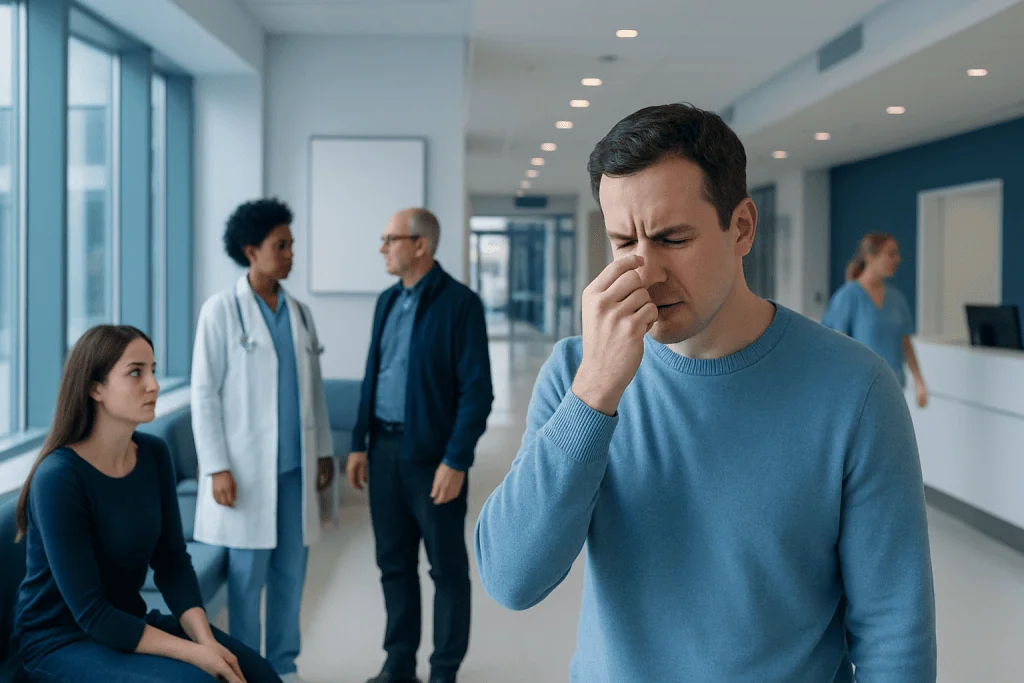
Nasal spots can occur on the skin of the nose or inside the nostrils and have many possible causes. Common reasons include acne, irritation from rubbing or picking, folliculitis, eczema, and minor infection.
Key Takeaways
- Nasal spots can occur on the skin of the nose or inside the nostrils and have many possible causes.
- Common reasons include acne, irritation from rubbing or picking, folliculitis, eczema, and minor infection.
- Warning signs include bleeding, rapid growth, severe pain, fever, swelling, or a sore that does not heal.
- Diagnosis often depends on the spot's appearance, location, duration, and any associated symptoms.
- Treatment varies by cause and may include gentle skin care, prescription creams, antibiotics, or further investigation.
Nasal spots are common and can describe pimples, crusts, red patches, sores, or dark marks on the outside of the nose or just inside the nostrils. Most are linked to irritation, blocked pores, minor infection, or inflammation, but persistent, painful, bleeding, or changing spots should be assessed by a doctor.
Overview: What nasal spots usually mean
Nasal spots are visible or felt changes on the outside of the nose or inside the nostrils. They may look like pimples, red patches, crusts, tiny ulcers, white bumps, blackheads, or darker areas of skin. In many people, nasal spots are harmless and temporary, especially when they are related to acne, dry skin, friction, or a mild infection around a hair follicle.
The term is broad, so the meaning depends on exactly what the spot looks like and where it appears. A tender bump at the entrance of the nostril may suggest inflamed hair follicles. A flaky red patch across the nose may be more consistent with eczema, seborrheic dermatitis, or rosacea. A non-healing sore, repeated bleeding, or a changing pigmented mark deserves closer medical evaluation.
The nose is exposed to sun, cosmetics, frequent touching, and dry air, while the inside of the nose is lined with delicate tissue that can become irritated easily. This is one reason nasal spots can have both skin-related and ENT-related causes. Looking at timing, triggers, and associated symptoms helps narrow down the cause and guide treatment.
How nasal spots can look and feel
Nasal spots do not all appear the same. Some are raised and painful, while others are flat, itchy, or simply discolored. A spot may be singular or appear in clusters. It may develop suddenly over a day or gradually over weeks. Noticing these details can help a doctor decide whether the problem is inflammatory, infectious, allergic, or something else.
Common symptoms that may accompany nasal spots include tenderness, itching, burning, dryness, crusting, swelling, and mild bleeding after rubbing or blowing the nose. Spots inside the nose can also create a feeling of blockage or discomfort when touching the area. If the spot is part of a broader skin condition, there may also be redness on the cheeks, around the mouth, or on the scalp.
- Pimple-like bumps: often linked to acne or folliculitis.
- Crusts or sores: may occur with dryness, picking, infection, or recurrent irritation.
- Flaky red patches: can suggest dermatitis, eczema, or rosacea.
- Dark or uneven marks: may reflect post-inflammatory pigmentation after a spot heals.
- Shiny or persistent lesions: need professional assessment, especially if they bleed or change.
Many people focus on appearance, but duration matters just as much. A spot that settles within days is usually less concerning than one that repeatedly returns or does not heal after several weeks.
Common causes and risk factors
One of the most common causes of nasal spots is blockage and inflammation of pores. Oil, dead skin cells, cosmetics, and friction from masks or eyeglasses can contribute to acne-type lesions on the nose. The skin in this area contains many oil glands, which is why blackheads, whiteheads, and inflamed pimples often occur here.
Spots just inside the nostrils are often due to local irritation or infection. Nose picking, frequent wiping during colds or allergies, trimming nasal hair, and dryness from heated indoor air can injure the lining of the nose. This may lead to small sores or folliculitis, which is inflammation or infection of the hair follicles. In some cases, repeated bacterial infection in the nostril can cause painful crusted lesions.
Inflammatory skin disorders are another important cause. Eczema and seborrheic dermatitis can produce redness, scaling, and irritation around the sides of the nose. Rosacea can lead to persistent redness and bumps on the central face, including the nose, and may overlap with acne-like lesions. Sun exposure can also contribute to rough or persistent spots, especially in fairer skin or in people with a history of outdoor exposure.
Less common but important causes include viral infections such as cold sores near the nose, allergic reactions to skin products, and precancerous or cancerous skin changes. A doctor may also consider other conditions if the appearance is unusual or if symptoms resemble skin cancer or chronic inflammatory skin disease.
How doctors diagnose nasal spots
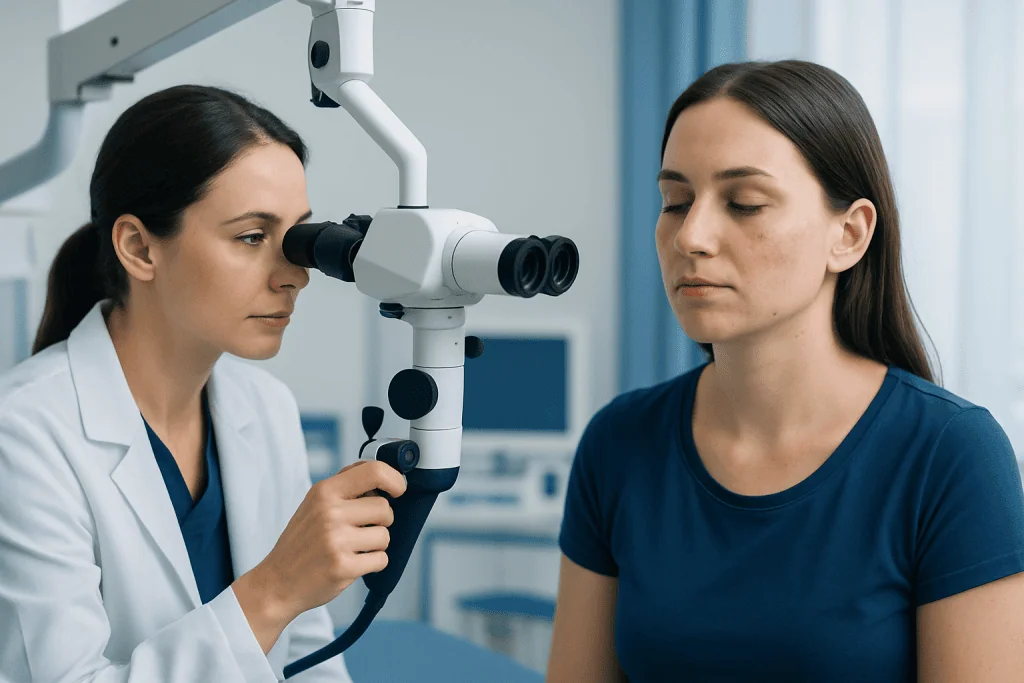
Diagnosis begins with a careful history and visual examination. A doctor will usually ask when the spot began, whether it is painful or itchy, whether it bleeds, and if it has changed in size, color, or shape. They may also ask about allergies, skin-care products, sun exposure, recent illness, nose picking, and any personal history of acne, eczema, rosacea, or skin cancer.
In many cases, the appearance and location of the lesion provide enough information to make a likely diagnosis. External nasal spots may be examined by a dermatologist or general physician, while spots deeper inside the nose may also be assessed by an ENT specialist. If there is concern about the nasal passages or recurring internal lesions, the doctor may recommend a more detailed nasal examination, sometimes with endoscopy.
Additional tests are not always needed, but they may be useful in selected cases. A swab may be taken if a bacterial infection is suspected. Persistent, atypical, or changing lesions may require dermatoscopic evaluation or biopsy to rule out precancerous changes or skin cancer. If flushing, chronic redness, or broader facial symptoms are present, the clinician may also assess for related skin disorders such as rosacea.
Treatment options for nasal spots
Treatment depends on the underlying cause, not just the appearance of the spot. Acne-type lesions often improve with gentle cleansing, non-comedogenic products, and medically appropriate topical treatments. People should avoid squeezing spots on the nose, as this can worsen inflammation, increase the risk of infection, and lead to scarring or discoloration.
For irritated or dry areas, treatment may focus on restoring the skin barrier and reducing triggers. This can include fragrance-free moisturizers, avoiding harsh exfoliants, and limiting rubbing or picking. Internal nasal sores may respond to humidification, saline products, and specific prescription treatment if a bacterial component is suspected. Doctors may prescribe topical or oral antibiotics when there is clear infection, especially if the area is swollen, very tender, or crusted.
Inflammatory conditions such as eczema, seborrheic dermatitis, and rosacea are managed differently from acne. These conditions may need prescription creams, trigger control, and long-term skin-care adjustments. In selected patients with recurrent redness or visible vessel-related changes, doctors may discuss dermatologic procedures or laser treatment if appropriate.
If a lesion is suspicious for precancer or skin cancer, the priority is prompt specialist evaluation and definitive treatment. This may involve biopsy and, when needed, surgical removal or other targeted therapy. Patients with persistent or unexplained spots may benefit from coordinated assessment by specialists in dermatology and ENT care.
Self-care and prevention
Simple habits can reduce the risk of many nasal spots. Gentle skin care is the foundation. The nose should be cleansed with a mild product rather than scrubbed aggressively, and any cosmetics or sunscreens used on the face should be suitable for the person’s skin type. Heavy picking, squeezing, or frequent touching should be avoided because these actions can damage the skin and spread bacteria.
For internal nasal irritation, a humid environment and good nasal care can help. During dry weather or when using indoor heating, humidification may reduce crusting and soreness. If the nose is irritated by allergies or repeated nose blowing, treating the underlying cause and using soft tissues can help limit trauma. Nasal hair should not be plucked, as this may increase the chance of follicle inflammation or infection.
- Use a gentle, fragrance-free facial cleanser.
- Choose non-comedogenic makeup and skin products.
- Apply broad-spectrum sunscreen to the nose and face.
- Avoid picking, squeezing, or over-scrubbing the area.
- Use saline or humidification for dryness inside the nose if advised by a clinician.
- Replace or clean items that touch the face regularly, such as glasses pads, phones, and makeup tools.
People with recurring or chronic spots often benefit from keeping track of triggers such as sun, stress, new products, mask friction, or seasonal dryness. If self-care does not help or the problem keeps returning, medical review is the best next step.
When to seek medical care
Most nasal spots can be assessed routinely, but some situations need prompt medical attention. A person should seek care if a spot is very painful, causes marked swelling, is associated with fever, or appears to be spreading. Internal nose infections can sometimes worsen quickly, so increasing tenderness, redness, or facial swelling should not be ignored.
Medical review is also important for any nasal spot that bleeds easily, forms a persistent scab, changes in color or shape, or does not heal after several weeks. This is especially true in people with significant sun exposure, a past history of skin cancer, or a weakened immune system. Recurrent sores, frequent crusting, or symptoms that interfere with breathing also deserve evaluation.
If specialist care is needed, a multidisciplinary approach can be helpful, particularly when the cause may involve both skin and nasal structures. Acibadem International’s multidisciplinary specialists and JCI-accredited hospitals diagnose and treat nasal and skin conditions for international patients, including assessment for related ENT disorders such as sinusitis when symptoms overlap.
Frequently asked questions
Are nasal spots usually serious?
Most nasal spots are not serious and are caused by acne, irritation, dryness, or minor infection. However, a spot that keeps coming back, bleeds, changes appearance, or does not heal should be checked by a doctor.
What causes sores or spots inside the nose?
Common causes include dryness, nose picking, trimming nasal hair, repeated blowing during a cold or allergy flare, and folliculitis. Less commonly, internal sores may be linked to recurrent infection, inflammatory disease, or another condition that needs medical assessment.
Can nasal spots be related to acne?
Yes. The nose has many oil glands, so blackheads, whiteheads, and inflamed pimples are common in this area. Friction from masks, cosmetics, and frequent touching can make acne-related nasal spots worse.
Should a person pop a spot on the nose?
It is generally better not to squeeze or pop a nasal spot. This can increase inflammation, introduce bacteria, and raise the risk of scarring or dark marks after healing.
When is a nasal spot a warning sign for skin cancer?
A warning sign is a lesion that persists, grows, bleeds, crusts repeatedly, or changes in shape or color. Skin cancers on the nose may look subtle at first, so any suspicious or non-healing spot should be examined professionally.
How are nasal spots treated?
Treatment depends on the cause. Options may include gentle skin care, moisturizers, saline measures for dryness, prescription creams, antibiotics for infection, or further testing for persistent or unusual lesions.
References
- American Academy of Dermatology
- American Academy of Otolaryngology–Head and Neck Surgery
- National Health Service
- Mayo Clinic
- National Institute for Health and Care Excellence
This article is for general information only and is not a substitute for professional medical advice. Please consult a qualified doctor about your individual situation.
Hair transplant in Turkey — costs, graft counts & a free assessment
JCI-accredited · board-certified surgeons · reply within 24h