Ovarian Cyst Rupture: An Evidence-Based Guide for Patients

Ovarian cyst rupture often causes sudden one-sided lower abdominal or pelvic pain. Some ruptured cysts are mild, but heavy bleeding, fainting, severe pain, or fever need urgent evaluation.
Key Takeaways
- Ovarian cyst rupture often causes sudden one-sided lower abdominal or pelvic pain.
- Some ruptured cysts are mild, but heavy bleeding, fainting, severe pain, or fever need urgent evaluation.
- Doctors usually diagnose the problem with a history, physical exam, pregnancy testing, blood tests, and pelvic ultrasound.
- Treatment depends on symptoms and bleeding, ranging from observation and pain control to surgery.
- Regular gynecologic follow-up can help identify cysts that may need monitoring or treatment.
Ovarian cyst rupture happens when a fluid-filled sac on or in the ovary breaks open. It can cause sudden pelvic pain and, in some cases, internal bleeding, but many ruptures are mild and can be managed with observation and pain relief while more serious cases need prompt medical attention.
Overview
Ovarian cyst rupture means that a cyst on the ovary has broken open. Ovarian cysts are common, especially during the reproductive years, and many are linked to normal ovulation. When one ruptures, the fluid inside the cyst is released and may irritate the lining of the pelvis, causing sudden pain. Some ruptures also lead to bleeding.
Not every ovarian cyst rupture is dangerous. In many people, symptoms are short-lived and improve with rest, observation, and pain management. However, some ruptures cause significant internal bleeding or occur alongside other urgent problems, so it is important to recognize symptoms that need prompt medical care.
A ruptured ovarian cyst can feel similar to other causes of pelvic pain, including appendicitis, kidney stones, pelvic infection, or ectopic pregnancy. Because the symptoms can overlap, a medical evaluation helps confirm the cause and guide safe treatment.
What symptoms can a ruptured ovarian cyst cause?
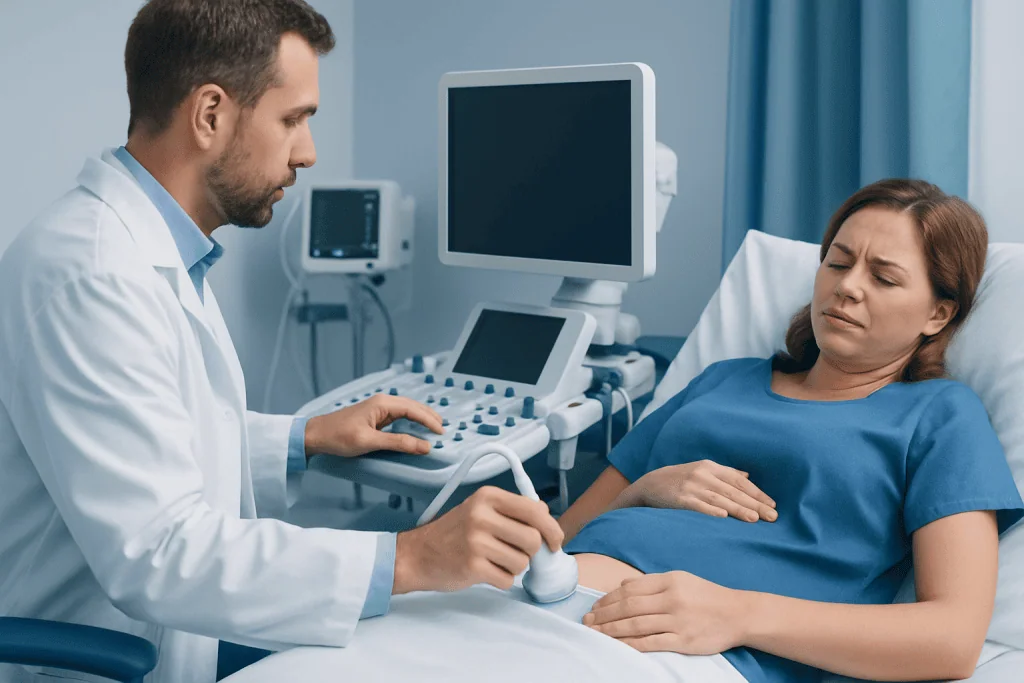
The most common symptom of ovarian cyst rupture is sudden pain in the lower abdomen or pelvis. The pain may be sharp at first and may occur on one side, depending on which ovary is affected. Some people notice the pain during exercise, sexual activity, or around the time of ovulation, while others develop symptoms without a clear trigger.
Symptoms can vary from mild to severe. A small amount of pelvic fluid may cause discomfort for a few hours or days, while a larger rupture may cause more intense pain and tenderness. Mild vaginal spotting can occur, but heavy bleeding is not typical and should be assessed quickly.
Other possible symptoms include:
- Bloating or a feeling of pressure in the pelvis
- Nausea or vomiting, especially if the pain is intense
- Lightheadedness or weakness
- Pain with movement or during bowel movements
- Shoulder pain in rare cases, which can happen if internal bleeding irritates the diaphragm
Symptoms such as fainting, severe or worsening abdominal pain, fast heartbeat, trouble standing, fever, or persistent vomiting may suggest a more serious problem. These signs warrant urgent medical assessment.
Why ovarian cysts rupture: causes and risk factors
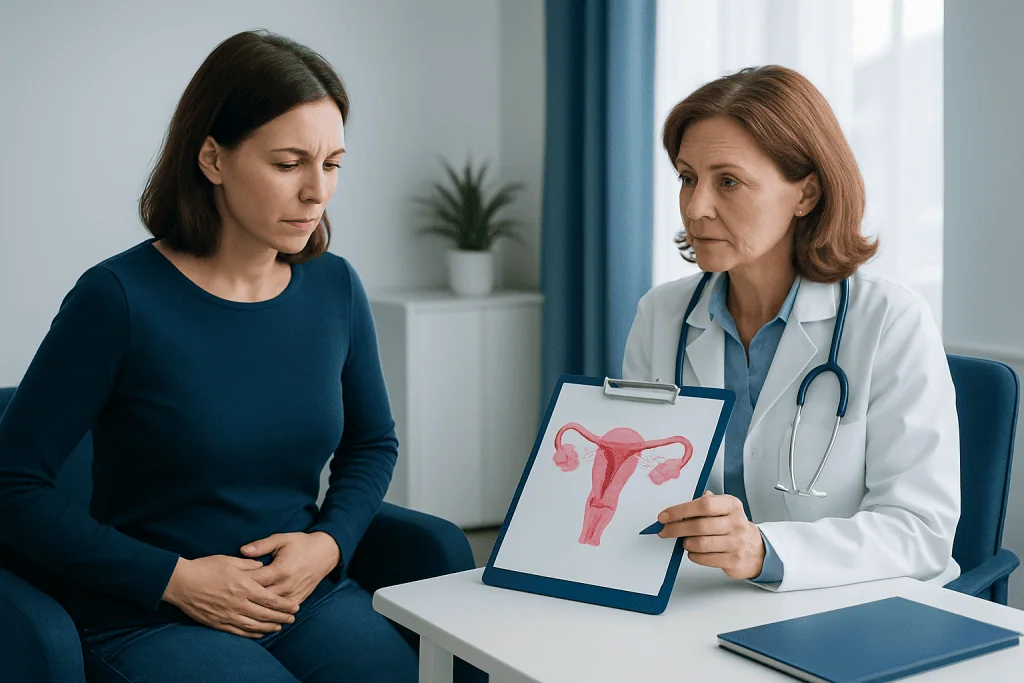
Many ovarian cysts form as part of the menstrual cycle. A follicle grows to release an egg, and sometimes the follicle continues to enlarge into a functional cyst. Another type, called a corpus luteum cyst, forms after ovulation. These common cysts can rupture spontaneously, especially when they are larger or under tension.
Physical activity can sometimes contribute to rupture. Exercise, sudden movements, or sexual intercourse may increase pressure on a cyst. That said, many ruptures happen without any obvious trigger. A person may not even know a cyst was present until it ruptures.
Some factors make rupture or complications more likely:
- Larger ovarian cysts
- Cysts that bleed easily, such as some corpus luteum cysts
- Blood-thinning medicines or bleeding disorders
- Endometriosis, which can be associated with endometriosis-related cysts
- Pregnancy, because the causes of pelvic pain need especially careful evaluation
Not all ovarian cysts are the same. Functional cysts are often harmless and temporary, while complex cysts may contain blood or solid components and may need closer follow-up. If symptoms recur or imaging shows a persistent cyst, a gynecologist may recommend further evaluation for the underlying type of cyst.
How doctors diagnose ovarian cyst rupture
Diagnosis begins with a careful history and physical examination. The clinician asks about when the pain started, whether it is one-sided, menstrual timing, possible pregnancy, prior cysts, medications, and associated symptoms such as dizziness or fever. This helps distinguish ovarian cyst rupture from other urgent causes of abdominal pain.
Pregnancy testing is usually an important early step, because a ruptured ovarian cyst can resemble an ectopic pregnancy, which needs urgent treatment. Blood tests may also be used to check for anemia from bleeding, signs of infection, or other abnormalities depending on the situation.
Pelvic ultrasound is the main imaging test. It can show whether a cyst is present, whether fluid or blood is in the pelvis, and whether the ovary has another problem such as torsion. In selected cases, especially when the diagnosis is unclear, doctors may use additional imaging or short-term observation with repeat examinations.
The aim of diagnosis is not only to identify a ruptured cyst but also to rule out conditions that can be more dangerous or require different treatment. That is why severe or uncertain pelvic pain should not be self-diagnosed at home.
Treatment options and recovery
Treatment for ovarian cyst rupture depends on the severity of symptoms, the amount of bleeding, and the person’s overall stability. When pain is manageable and there are no signs of significant internal bleeding, doctors may recommend observation, rest, and pain relief. Symptoms often improve over the next few days as the fluid is gradually reabsorbed by the body.
If the pain is more severe, if vomiting prevents normal hydration, or if there is concern about blood loss, hospital monitoring may be needed. Doctors may repeat blood tests or imaging to ensure that bleeding is not worsening. Intravenous fluids and stronger pain relief can be used when appropriate.
Surgery is not needed for most ruptures, but it may be necessary if there is ongoing bleeding, hemodynamic instability, diagnostic uncertainty, or concern about another urgent condition. In many cases, minimally invasive laparoscopy allows the surgeon to diagnose the problem, control bleeding, and, if needed, treat the cyst while aiming to preserve healthy ovarian tissue.
Follow-up is important after the acute episode. A clinician may recommend repeat ultrasound, hormonal management to reduce future functional cysts in selected patients, or referral for further care if a cyst appears complex or persistent. If surgery is considered, evaluation in a center experienced in gynecology and pelvic conditions can help tailor treatment to the person’s age, symptoms, and fertility goals.
Prevention and self-care after a rupture
It is not always possible to prevent ovarian cyst rupture, because many cysts form as part of normal ovulation. Still, regular gynecologic care can help identify cysts that need monitoring. People who have repeated painful cysts may benefit from discussing options to reduce future ovulation-related cysts with their doctor.
After a mild rupture, self-care usually focuses on rest, hydration, and following the care plan provided by a clinician. Symptoms should gradually improve rather than become more intense. It is sensible to avoid strenuous activity for a short time if movement clearly worsens pain, though long periods of complete inactivity are not usually necessary unless advised by a doctor.
Helpful steps may include:
- Keeping track of pain, spotting, and any new symptoms
- Using prescribed or doctor-approved pain relief as directed
- Attending follow-up appointments or repeat imaging if recommended
- Seeking advice promptly if pain returns, periods change significantly, or new pelvic symptoms develop
Some people discover that recurrent cyst-related symptoms are linked to another condition such as polycystic ovary syndrome or endometriosis, although these conditions do not always cause rupture directly. Identifying the broader gynecologic picture can improve long-term symptom management and reproductive planning.
When to seek medical care
Medical care is recommended for sudden pelvic or lower abdominal pain, especially if the cause is unclear or the pain is strong enough to limit normal activity. Even when a ruptured ovarian cyst is the eventual diagnosis, doctors need to rule out conditions such as ovarian torsion, infection, appendicitis, or ectopic pregnancy.
Urgent care is especially important if there is severe pain, fainting, marked weakness, rapid breathing, heavy vaginal bleeding, fever, or repeated vomiting. These symptoms can point to significant bleeding, infection, or another emergency. People who are pregnant or could be pregnant should seek prompt assessment for new pelvic pain.
If a person already knows they have an ovarian cyst and then develops sudden worsening pain, contacting a clinician is still important. Reassurance is appropriate in many cases, but only after a proper evaluation. Near the end of the care pathway, some patients may need advanced imaging, emergency gynecologic assessment, or surgery.
For international patients who need specialist evaluation, Acibadem International’s multidisciplinary teams in JCI-accredited hospitals diagnose and treat acute and chronic gynecologic conditions, including assessment with pelvic ultrasound and, when necessary, minimally invasive surgical care.
Frequently asked questions
What does ovarian cyst rupture feel like?
It often causes sudden lower abdominal or pelvic pain, usually on one side. The pain may be sharp at first and then become dull or cramp-like. Some people also feel bloated, nauseated, or lightheaded.
Is ovarian cyst rupture an emergency?
Sometimes, but not always. Many ruptured cysts are mild and improve with monitoring and pain relief. It becomes urgent if there is severe pain, fainting, heavy bleeding, fever, or signs of significant weakness or dizziness.
Can a ruptured ovarian cyst heal on its own?
Yes, many do. The body can gradually absorb the fluid from the ruptured cyst, and symptoms may improve over a few days. A doctor should still evaluate new or severe pelvic pain to confirm the cause and rule out other conditions.
How is a ruptured ovarian cyst different from ovarian torsion?
A ruptured cyst happens when a cyst breaks open, while ovarian torsion occurs when the ovary twists and its blood supply is reduced. Both can cause sudden pelvic pain, but torsion is a surgical emergency. Imaging and examination help tell them apart.
Can ovarian cyst rupture affect fertility?
A single mild rupture usually does not harm fertility. The effect depends more on the type of cyst, whether surgery is needed, and whether there is an underlying condition such as endometriosis. A gynecologist can explain any individual risks and fertility-preserving options.
How long does recovery take after ovarian cyst rupture?
Recovery varies with the amount of bleeding and the type of treatment needed. Mild cases may feel much better within a few days, while more complicated cases or surgical recovery may take longer. Worsening pain or persistent symptoms should be reviewed by a doctor.
References
- American College of Obstetricians and Gynecologists
- National Institute for Health and Care Excellence
- MedlinePlus
- Merck Manual Professional Edition
- Royal College of Obstetricians and Gynaecologists
This article is for general information only and is not a substitute for professional medical advice. Please consult a qualified doctor about your individual situation.
Ovarian Cyst in Turkey — costs, top hospitals & a free quote
JCI-accredited · board-certified surgeons · reply within 24h
Check your numbers in seconds
BMI, calories, due date, blood pressure and 30+ more clinical calculators — free, instant, doctor-reviewed ranges.