Left Side Pain Above Hip: Possible Causes and When to Seek Care

Left side pain above hip may arise from muscles, joints, the colon, the kidney, or nearby nerves and organs. The exact location, whether the pain is sharp or dull, and symptoms such as fever, bowel changes, or urinary problems help narrow the cause.
Key Takeaways
- Left side pain above hip may arise from muscles, joints, the colon, the kidney, or nearby nerves and organs.
- The exact location, whether the pain is sharp or dull, and symptoms such as fever, bowel changes, or urinary problems help narrow the cause.
- Mild pain after activity may improve with rest, but severe, persistent, or worsening pain needs medical assessment.
- Urgent care is important if pain comes with fever, vomiting, blood in urine or stool, fainting, or sudden severe tenderness.
- A doctor may use an examination, urine or blood tests, and imaging such as ultrasound or CT to identify the source.
Left side pain above the hip is a symptom rather than a diagnosis. It may be related to a strained muscle, digestive problem, kidney condition, or less commonly a gynecologic or other internal issue, so the most likely cause depends on where the pain is felt, how it began, and what other symptoms occur with it.
Overview: What left side pain above the hip can mean
Left side pain above hip is a common symptom with many possible explanations. In some people, it comes from the abdominal wall, hip area, or lower back muscles. In others, it may be referred from the bowel, kidney, urinary tract, or reproductive organs. Because several body systems sit close together in this area, pain can sometimes feel difficult to pinpoint.
The area just above the left hip includes the lower abdomen and side of the torso. Structures there include muscles, the large intestine, part of the urinary system, nerves, and connective tissues. Depending on a person’s anatomy and sex, nearby gynecologic structures may also contribute to discomfort. Pain may be steady or cramping, mild or intense, and it may spread to the groin, back, or upper thigh.
A useful way to think about this symptom is to look at the pattern rather than the location alone. Pain that starts after lifting or exercise may suggest a musculoskeletal cause. Pain linked with constipation, diarrhea, bloating, or relief after passing stool may point more toward the digestive tract. Pain with burning urination, fever, or blood in the urine may raise concern for a urinary cause.
Although many causes are not emergencies, persistent or unexplained pain should not be ignored. A careful medical review can help distinguish common problems from conditions that need prompt treatment.
How the pain may feel and what accompanying symptoms matter
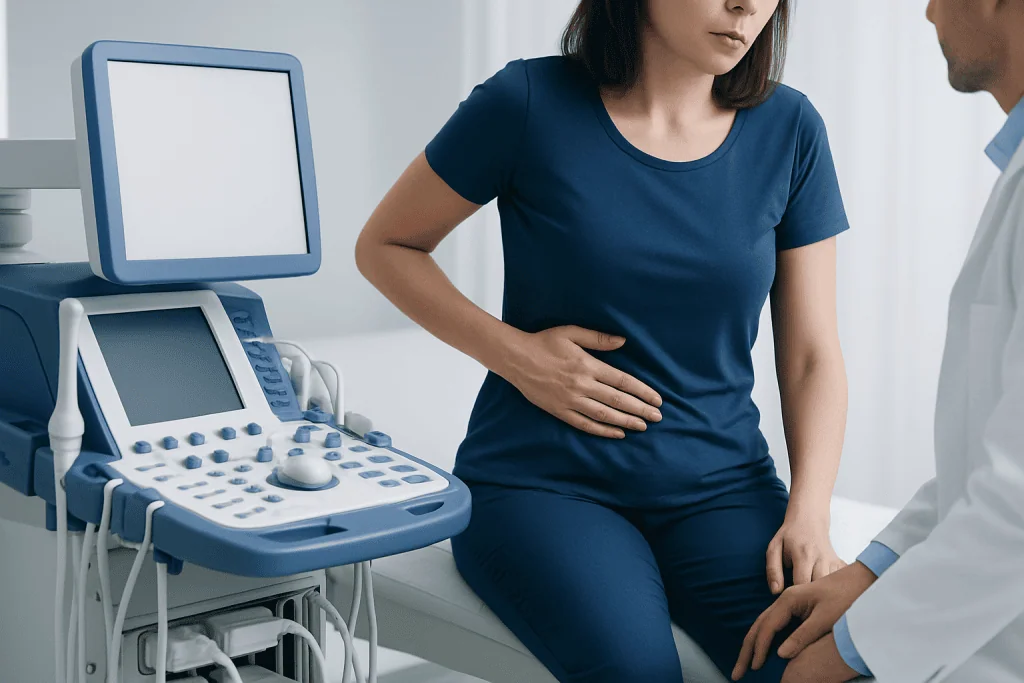
Doctors often begin by asking how the discomfort feels. A dull ache may be more typical of muscle strain or posture-related pain. Cramping can occur with bowel spasms or gas. Sharp, stabbing, or wave-like pain may be seen with kidney stones or nerve irritation. Burning or tingling can suggest irritation of a nerve in the lower back or side.
Associated symptoms are especially important. Digestive symptoms such as bloating, constipation, diarrhea, nausea, or blood in the stool can suggest a colon or bowel source. Urinary symptoms such as urgency, pain during urination, cloudy urine, or blood in urine may indicate a kidney or bladder problem. If fever, chills, poor appetite, or unexplained fatigue are present, infection or inflammation becomes more likely.
Some people also notice that movement changes the pain. Pain that worsens when bending, twisting, coughing, or pressing on the area may be related to the abdominal wall or nearby muscles. Pain that seems deeper, especially if it comes in waves or radiates to the groin or back, may come from the kidney or ureter. In women, the timing of pain within the menstrual cycle may provide useful clues.
Keeping track of when the pain starts, what makes it better or worse, and whether it is new or recurrent can help the doctor narrow the possibilities more efficiently.
Common causes: from muscle strain to digestive and kidney problems
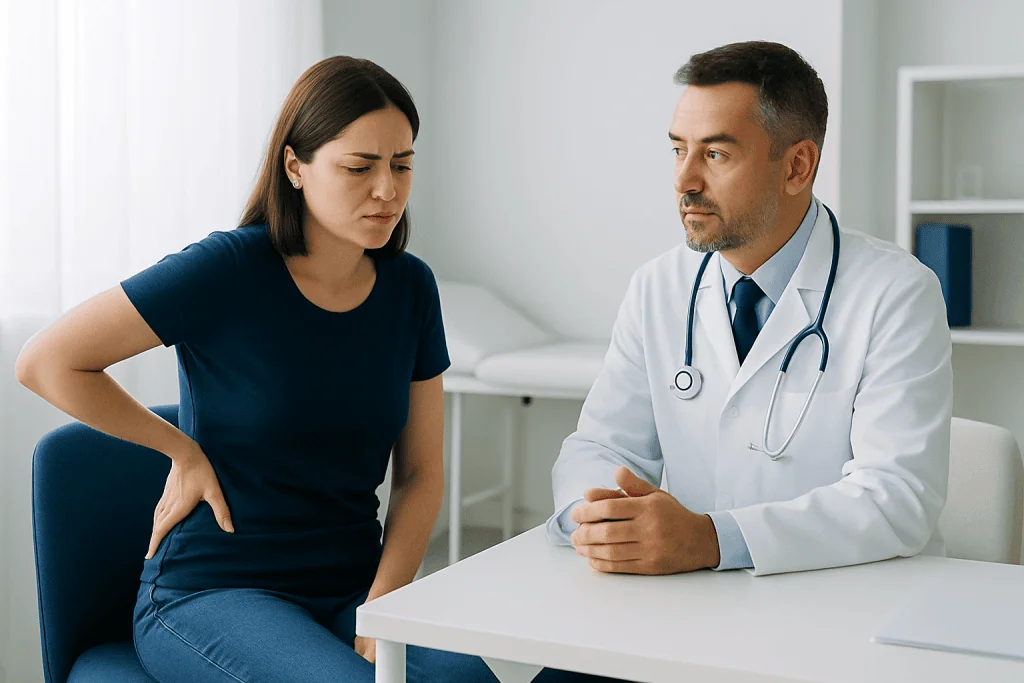
One of the most common explanations for pain above the left hip is a musculoskeletal problem. Strained abdominal or side muscles, overuse from exercise, awkward lifting, poor posture, or irritation around the lower spine can all cause localized discomfort. This pain may be tender to touch and often becomes more noticeable with movement, coughing, or certain sleeping positions.
Digestive causes are also frequent. Constipation, trapped gas, and bowel spasm can create cramping or pressure in the left lower abdomen. Conditions affecting the colon, including inflammation or pockets in the colon wall such as diverticulitis, may cause more persistent pain, often with changes in bowel habits, fever, or nausea. Some people with irritable bowel syndrome have recurrent left-sided abdominal pain that improves after passing stool.
Kidney and urinary tract problems can cause pain on the side above the hip, sometimes called flank pain. A urinary infection may cause discomfort with urination and lower abdominal pressure, while a kidney stone may cause severe pain that comes in waves and may radiate toward the groin. Blood in the urine, nausea, or restlessness can occur with stones, and some people may ultimately need evaluation related to kidney stone treatment.
Other possible causes include hernias, nerve irritation from the lower back, shingles before or after a rash appears, and gynecologic conditions such as ovarian cysts or endometriosis. Less commonly, pain may be linked to inflammatory bowel disease, trauma, or complications involving nearby organs. Because these possibilities overlap, diagnosis is based on the full clinical picture rather than the symptom alone.
Risk factors and clues that can point to the source
Certain details in a person’s history make some causes more likely than others. Recent heavy lifting, a new workout, prolonged sitting, or a twisting injury can support a muscle or back-related source. A history of constipation, diverticular disease, food intolerance, or inflammatory bowel conditions can make a digestive cause more likely. Recurrent urinary infections or prior kidney stones may point toward the urinary tract.
Age can also influence the most likely diagnosis. Younger adults more often have muscular pain, bowel spasm, or kidney stones, while older adults may be more likely to have diverticular inflammation or degenerative spine-related pain. In women, pregnancy, ovarian cysts, or pelvic conditions may need to be considered depending on symptoms and menstrual history.
Lifestyle factors can matter as well. Low fluid intake can contribute to constipation and kidney stones. A low-fiber diet may worsen bowel irregularity. Repetitive strain, poor ergonomics, and weak core muscles can increase the chance of side or lower back pain. Some medicines can affect bowel habits and cause abdominal discomfort.
These clues do not confirm a diagnosis on their own, but they help a clinician choose which tests, if any, are most appropriate.
How doctors diagnose left-sided pain above the hip
Diagnosis usually starts with a focused medical history and physical examination. The doctor may ask where the pain began, whether it is constant or intermittent, and whether there are bowel, urinary, menstrual, or fever-related symptoms. During the examination, they may gently press on the abdomen, assess hip and back movement, and check for tenderness, swelling, guarding, or signs of nerve involvement.
Basic tests may help identify the cause. A urine test can look for infection, blood, or crystals that suggest a stone. Blood tests may check for inflammation, infection, anemia, or kidney function when clinically indicated. If bowel symptoms are prominent, stool testing may sometimes be recommended.
Imaging is used selectively. Ultrasound may be useful for urinary, pelvic, or some abdominal causes. CT scanning is often considered when doctors need a clearer view of the bowel, kidneys, or possible inflammation such as kidney stones or diverticulitis. If pain appears more related to the spine, muscles, or nerves, evaluation may include orthopedic or neurological assessment, and in some cases advanced imaging.
The goal is not to order every test, but to match the workup to the person’s symptoms and examination findings. This helps avoid unnecessary testing while still identifying conditions that need treatment quickly.
Treatment options depend on the cause
Treatment for left side pain above the hip depends entirely on what is causing it. Musculoskeletal pain often improves with temporary activity modification, gentle stretching, heat or cold, and clinician-guided pain relief. If symptoms are related to posture, core weakness, or a back or hip problem, physical therapy and rehabilitation may help restore movement and reduce recurrence.
Digestive causes are managed according to the diagnosis. Constipation may improve with fluids, fiber, movement, and a doctor’s advice on bowel regulation. Infections or inflammatory conditions may require prescription treatment and follow-up. If doctors suspect structural bowel disease or a need to directly inspect the colon, they may recommend colonoscopy as part of the assessment.
Urinary causes are treated differently. Urinary infections may need antibiotics, while kidney stones may pass on their own or need targeted management depending on their size, location, and symptoms. For stones causing ongoing obstruction or severe pain, specialists may discuss options related to urology care or other stone procedures when appropriate.
If the pain is due to gynecologic, hernia-related, or less common causes, treatment is tailored to that condition. Near the end of the care pathway, some international patients choose centers such as Acibadem International, where multidisciplinary specialists in JCI-accredited hospitals evaluate and treat complex or unclear abdominal, urinary, and musculoskeletal conditions.
Self-care, prevention, and when to seek medical care
For mild pain that seems related to activity or temporary digestive upset, short-term self-care may be reasonable. Resting from aggravating movements, staying hydrated, eating regular balanced meals, and noting bowel or urinary changes can be helpful. Gentle walking may ease gas and constipation, while avoiding heavy lifting may help if a muscle strain is suspected.
Prevention depends on the underlying tendency. Regular exercise, safe lifting technique, and strengthening the core can lower the risk of some muscle and back causes. Good hydration may reduce the risk of certain kidney stones and constipation. A fiber-rich diet can support bowel regularity for many people, although anyone with persistent digestive symptoms should ask a doctor for individualized advice.
Medical care should be sought promptly if the pain is severe, sudden, or getting worse, or if it comes with fever, repeated vomiting, inability to pass urine, blood in the urine or stool, fainting, new weakness, a painful bulge, or marked abdominal tenderness. Women who may be pregnant should seek assessment for new unexplained one-sided abdominal or pelvic pain. Ongoing pain that lasts more than a few days, keeps returning, or interferes with normal activities also deserves medical review.
Even when the cause turns out to be minor, a proper evaluation can provide reassurance and make sure a treatable kidney, bowel, or other internal problem is not missed.
Frequently asked questions
Is left side pain above the hip usually serious?
Often it is not serious and may be caused by muscle strain, gas, or constipation. However, pain can also come from the kidney, colon, or other internal organs, so severe, persistent, or worsening symptoms should be checked by a doctor.
Can gas cause pain above the left hip?
Yes. Trapped gas or bowel spasm can cause cramping or pressure in the left lower abdomen or side, including the area above the hip. This is more likely if bloating, burping, or relief after passing gas or stool also occurs.
How do kidney stone pain and muscle pain differ?
Muscle pain is often sore or tender and may worsen with movement, twisting, or pressing on the area. Kidney stone pain is more likely to be intense, come in waves, radiate toward the groin or back, and may occur with nausea or blood in the urine.
When should someone go to urgent care or the emergency department?
Urgent assessment is important for sudden severe pain, fever, repeated vomiting, blood in urine or stool, inability to urinate, fainting, or a rigid and very tender abdomen. These signs may point to infection, obstruction, bleeding, or another condition needing prompt treatment.
Can constipation cause left side pain above the hip?
Yes. Constipation can cause pressure, cramping, and discomfort in the lower abdomen, including the left side above the hip. The pain often occurs with infrequent stools, straining, bloating, or a feeling of incomplete emptying.
What tests might a doctor order for this symptom?
The workup may include a physical examination, urine testing, and sometimes blood tests. Depending on the symptoms, the doctor may also recommend ultrasound, CT imaging, or other tests to look at the bowel, urinary tract, spine, or pelvic organs.
References
- National Institute of Diabetes and Digestive and Kidney Diseases
- MedlinePlus
- American College of Gastroenterology
- National Health Service
- Mayo Clinic
This article is for general information only and is not a substitute for professional medical advice. Please consult a qualified doctor about your individual situation.
Persistent digestive symptoms? Get evaluated in Turkey
JCI-accredited · board-certified surgeons · reply within 24h