Ileitis: Diagnosis, Outlook, and Modern Treatment Approaches

Ileitis describes inflammation in the ileum, not a single disease by itself. Common causes include Crohn’s disease, infections, and irritation linked to certain medicines such as NSAIDs.
Key Takeaways
- Ileitis describes inflammation in the ileum, not a single disease by itself.
- Common causes include Crohn’s disease, infections, and irritation linked to certain medicines such as NSAIDs.
- Symptoms may include abdominal pain, diarrhea, weight loss, fever, or anemia, but some people have only mild or intermittent symptoms.
- Diagnosis usually combines medical history, stool and blood tests, endoscopy, and imaging to identify the underlying cause.
- Treatment is cause-specific and may include hydration, antibiotics, anti-inflammatory medicines, nutrition support, or surgery in selected cases.
- Persistent pain, bleeding, dehydration, fever, or unexplained weight loss should prompt medical evaluation.
Ileitis is inflammation of the ileum, the last part of the small intestine, and it can result from Crohn’s disease, infection, medication effects, or other less common conditions. Outlook depends largely on the cause, so accurate diagnosis is the key step before treatment is chosen.
Overview: what ileitis means
Ileitis means inflammation of the ileum, the final portion of the small intestine. It is not one single illness; rather, it is a finding or diagnosis that can have several different causes. In many patients, ileitis is related to inflammatory bowel disease, especially Crohn’s disease, but infections, reduced blood flow, medication-related injury, and a few other conditions can also inflame this part of the bowel.
The outlook for ileitis varies. Some cases are short-lived and improve once the trigger is treated or removed, while others are chronic and need ongoing follow-up. Because treatment depends on the cause, doctors usually focus first on confirming why the ileum is inflamed rather than treating all ileitis in the same way.
The ileum helps absorb nutrients, bile acids, and vitamin B12. When it is inflamed, a person may develop digestive symptoms as well as tiredness, weight loss, or nutritional deficiencies. In some cases, inflammation is limited and mild; in others, it can lead to ulcers, narrowing of the intestine, or complications such as blockage.
Symptoms and how ileitis may feel
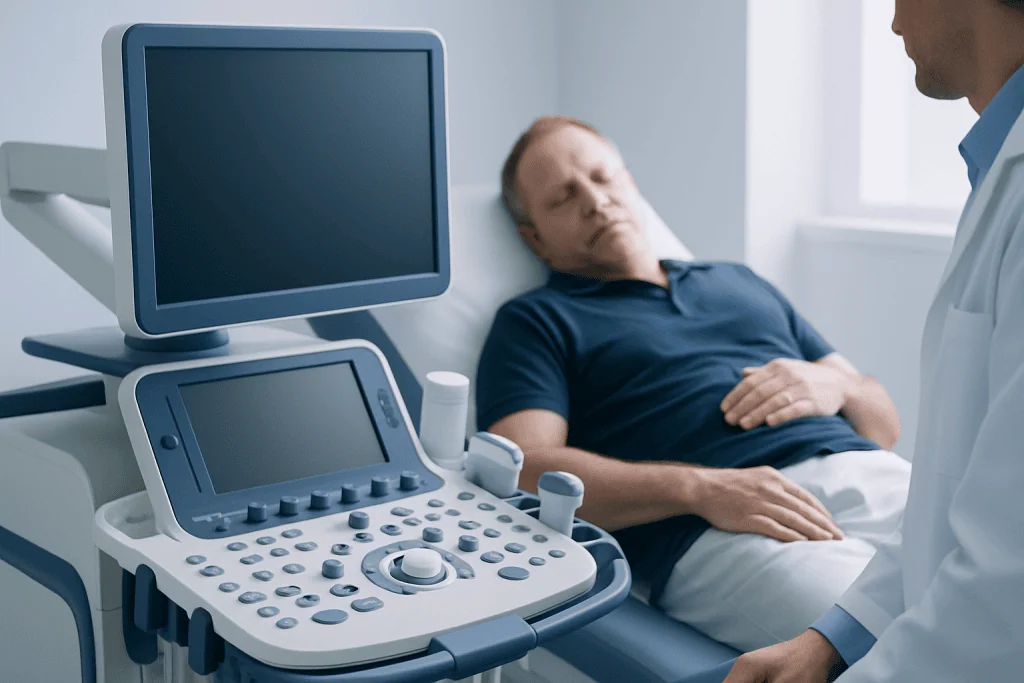
Symptoms of ileitis can develop suddenly or gradually. Some people notice cramping or pain in the lower right side of the abdomen, while others mainly experience loose stools, urgent bowel movements, bloating, or nausea. The symptom pattern often offers clues, but it cannot reliably identify the exact cause on its own.
Common symptoms may include:
- Abdominal pain or cramping
- Diarrhea, sometimes persistent
- Fever or feeling generally unwell
- Loss of appetite
- Weight loss
- Fatigue
- Blood in the stool in some cases
- Anemia or signs of nutrient deficiency
When inflammation lasts for a longer time, the body may not absorb nutrients normally. This can contribute to iron deficiency, vitamin B12 deficiency, dehydration, or unintended weight loss. In chronic inflammatory conditions, symptoms may also come and go in flares rather than staying the same every day.
It is also possible to have ileitis with few symptoms. Sometimes inflammation is discovered during a colonoscopy or scan performed for another reason. Even then, further evaluation is usually needed to understand whether the finding is temporary, mild, or part of a broader intestinal disease.
Causes and risk factors

One of the best-known causes of ileitis is Crohn’s disease, a chronic inflammatory bowel disease that can affect any part of the digestive tract but often involves the terminal ileum. However, not every case of terminal ileitis is Crohn’s disease. This distinction matters because management and long-term outlook can be very different.
Other causes include bacterial, viral, or parasitic infections; medication-related injury, especially from nonsteroidal anti-inflammatory drugs (NSAIDs); immune-related conditions; reduced blood supply to the bowel; radiation injury; and, less commonly, certain cancers. Infections may produce symptoms that resemble inflammatory bowel disease, particularly when there is fever, diarrhea, and abdominal pain.
Risk factors depend on the underlying cause. For example, a family history of inflammatory bowel disease may raise suspicion for Crohn’s disease, while recent travel, food exposure, or contact with someone who is ill may suggest infection. Regular NSAID use may contribute to irritation or ulceration in the small intestine. Smoking is also associated with worse outcomes in Crohn’s disease and can complicate recovery.
Because the list of causes is broad, doctors typically avoid assuming that ileitis automatically means chronic bowel disease. A careful review of symptom timing, medications, travel, diet, immune status, and previous digestive problems helps narrow the possibilities and guide testing.
How doctors diagnose ileitis
Diagnosis starts with a medical history and physical examination. Doctors ask about pain location, bowel habits, bleeding, fever, weight change, medications, family history, recent infections, and travel. Blood tests may look for anemia, inflammation, dehydration, and nutritional deficiencies, while stool tests can help identify infection or markers of intestinal inflammation.
Colonoscopy with intubation of the terminal ileum is often one of the most useful tests because it allows direct visualization of the bowel lining and biopsy collection. Tissue samples can help distinguish Crohn’s disease from infection, medication injury, and other causes. This is especially helpful when symptoms have lasted more than a short time or when imaging has already shown bowel inflammation.
Cross-sectional imaging can provide important additional information. CT enterography or MRI enterography may show bowel wall thickening, abscesses, fistulas, strictures, or more extensive small-bowel involvement. In selected patients, small-bowel capsule evaluation or specialized imaging may be considered if the diagnosis remains unclear after standard testing.
Diagnosis is not only about confirming inflammation; it is about identifying the reason for it and assessing severity. In some patients, gastroenterologists may combine endoscopy with colonoscopy, stool studies, and advanced imaging to build a complete picture. If Crohn’s disease is suspected, related evaluation may overlap with work-up for Crohn’s disease treatment.
Modern treatment approaches
Treatment for ileitis depends on the cause, severity, and whether complications are present. If an infection is responsible, management may focus on hydration, rest, and sometimes targeted antimicrobial treatment when appropriate. If a medication is contributing, the doctor may recommend stopping or changing it under medical guidance. For mild, short-term cases, symptoms can improve once the trigger resolves.
When ileitis is linked to Crohn’s disease, treatment aims to reduce inflammation, control symptoms, promote healing, and prevent complications. Depending on the individual case, options may include anti-inflammatory medicines, immune-modifying drugs, biologic therapies, nutrition support, and regular monitoring. The exact plan is individualized and may change over time based on response and disease activity.
Supportive care is also important. This may include treating dehydration, correcting anemia, replacing vitamin B12 or iron when needed, and adjusting diet temporarily during symptom flares. Some people benefit from help from a dietitian, particularly if symptoms make it hard to maintain adequate nutrition.
If complications such as abscess, intestinal narrowing, blockage, perforation, or persistent bleeding develop, procedural or surgical treatment may be needed. In advanced cases, specialists may evaluate a person for surgery for Crohn’s disease or other bowel procedures. Management is often multidisciplinary when symptoms are complex or recurrent.
Outlook, recovery, and long-term follow-up
The outlook for ileitis is generally best when the underlying cause is identified early and treated appropriately. Infectious or medication-related ileitis may resolve completely. Chronic inflammatory conditions such as Crohn’s disease usually require long-term follow-up, but many people achieve good symptom control and improved quality of life with a tailored treatment plan.
Recovery does not always mean symptoms disappear immediately. The bowel lining may take time to heal, and fatigue or nutritional deficiencies can linger after abdominal symptoms improve. Follow-up appointments may include repeat blood work, stool tests, imaging, or endoscopy to check whether inflammation is settling and whether complications are developing.
Some patients need ongoing monitoring for strictures, fistulas, recurrent flares, or poor nutrient absorption. Others may only need short-term review. Long-term outlook often improves when treatment plans are followed consistently, smoking is avoided, and new symptoms are reported early rather than waiting for them to worsen.
Near the end of the evaluation and treatment pathway, patients who need coordinated specialist care may benefit from experienced gastroenterology teams. Acibadem International’s multidisciplinary specialists and JCI-accredited hospitals diagnose and treat intestinal inflammatory conditions for international patients when further assessment or treatment is needed.
Prevention and self-care
Not every type of ileitis can be prevented, but some self-care steps may reduce risk or support recovery. It is wise to use pain relievers carefully and only as advised by a clinician, particularly NSAIDs, which can irritate the digestive tract in some people. Good food hygiene, safe water practices during travel, and attention to handwashing may lower the risk of infectious causes.
For people with chronic bowel inflammation, self-care often centers on consistency rather than quick fixes. Taking prescribed medicines as directed, attending follow-up visits, staying hydrated, and tracking symptom changes can all help. Avoiding smoking is especially important in Crohn’s disease because it is linked with more active disease and poorer outcomes.
Diet changes should be individualized. During a flare, some people tolerate smaller, simpler meals better than large or high-fiber meals, but there is no single ileitis diet that suits everyone. A doctor or dietitian can help identify triggers, assess for nutrient deficiencies, and build a plan that supports healing without being unnecessarily restrictive.
Rest, stress management, and prompt treatment of dehydration can also make recovery easier. Self-care should complement, not replace, medical evaluation when symptoms are ongoing, severe, or unexplained.
When to seek medical care
Medical review is appropriate if abdominal pain, diarrhea, or bloating lasts more than a few days, keeps returning, or interferes with eating and daily life. Evaluation is especially important when symptoms are accompanied by weight loss, fever, anemia, or fatigue, because these features can suggest active intestinal inflammation or poor nutrient absorption.
Urgent medical attention is needed for severe abdominal pain, a swollen abdomen, repeated vomiting, black or bloody stools, signs of dehydration, high fever, or inability to pass stool or gas. These symptoms can point to complications such as bleeding, obstruction, or significant infection and should not be ignored.
People who already have inflammatory bowel disease should seek advice promptly if they notice a clear flare, new bleeding, worsening pain, or reduced response to usual treatment. Early review often allows doctors to adjust management before symptoms become more difficult to control.
Frequently asked questions
Is ileitis the same as Crohn’s disease?
No. Ileitis means inflammation of the ileum, while Crohn’s disease is one possible cause of that inflammation. Other causes include infection, medication-related injury, reduced blood flow, and less common inflammatory conditions.
Can ileitis go away on its own?
Some cases can improve once a short-term trigger, such as an infection or irritating medicine, resolves. However, ongoing or recurrent symptoms should be assessed by a doctor because chronic causes such as Crohn’s disease usually need targeted treatment and follow-up.
What is terminal ileitis?
Terminal ileitis refers to inflammation in the terminal ileum, the last section of the small intestine before it joins the colon. It is a location-based description rather than a specific disease, so additional testing is often needed to find the cause.
How is ileitis diagnosed?
Doctors usually combine symptom history, physical examination, blood tests, stool tests, and imaging or endoscopy. Colonoscopy with biopsy is often especially helpful because it allows direct examination of the terminal ileum and tissue analysis.
Does ileitis always require surgery?
No. Many cases are treated without surgery, especially when the cause is infection, medication-related irritation, or medically manageable inflammation. Surgery is generally considered when there are complications such as blockage, abscess, perforation, or disease that does not respond well to other treatments.
What foods should someone with ileitis avoid?
There is no universal food list for everyone with ileitis because tolerances differ and the cause matters. During active symptoms, some people do better with smaller, easier-to-digest meals, but a doctor or dietitian can give more individualized advice and help prevent unnecessary dietary restriction.
References
- National Institute of Diabetes and Digestive and Kidney Diseases
- American College of Gastroenterology
- Crohn’s & Colitis Foundation
- Mayo Clinic
- Merck Manual Consumer Version
This article is for general information only and is not a substitute for professional medical advice. Please consult a qualified doctor about your individual situation.
Persistent digestive symptoms? Get evaluated in Turkey
JCI-accredited · board-certified surgeons · reply within 24h