Clavicle Ache: Common Causes, Related Conditions, and When to See a Doctor

Clavicle ache can start in the bone itself, the nearby joints, muscles, ligaments, or from pain referred from the neck, chest, or shoulder. Minor strain and posture-related discomfort are common, but trauma can cause a clavicle fracture or joint injury.
Key Takeaways
- Clavicle ache can start in the bone itself, the nearby joints, muscles, ligaments, or from pain referred from the neck, chest, or shoulder.
- Minor strain and posture-related discomfort are common, but trauma can cause a clavicle fracture or joint injury.
- Red flags include visible deformity, severe swelling, trouble moving the arm, shortness of breath, fever, or pain after a fall or accident.
- Diagnosis may involve a physical exam and imaging such as X-ray, ultrasound, CT, or MRI depending on the suspected cause.
- Treatment depends on the cause and can include rest, ice, activity modification, physical therapy, medication, or orthopedic care.
Clavicle ache is a common symptom that may result from muscle strain, overuse, joint irritation, poor posture, or injury to the collarbone area. While many causes improve with rest and supportive care, persistent pain, swelling, deformity, or pain after trauma should be assessed by a doctor.
What a Clavicle Ache Usually Means
A clavicle ache refers to pain around the collarbone, the S-shaped bone that connects the breastbone to the shoulder blade. In many people, this discomfort comes from strain, overuse, posture-related muscle tension, or irritation in the nearby joints rather than from the bone itself. It can feel dull and aching, sore with movement, or tender to touch.
The collarbone sits in a busy area where several structures meet, including the sternoclavicular joint near the center of the chest, the acromioclavicular joint near the shoulder, supporting ligaments, muscles, and nerves. For that reason, a clavicle ache may reflect problems in the shoulder, upper chest, neck, or surrounding soft tissues. Pain can be local and easy to pinpoint, or it may seem to spread toward the neck, shoulder, or upper arm.
Most mild cases improve when the underlying irritation settles. However, clavicle pain deserves prompt medical attention if it follows a fall, sports injury, traffic accident, or direct blow, because the area is vulnerable to fracture and joint separation. Doctors also consider non-orthopedic causes, especially if the pain comes with chest symptoms, fever, or unexplained swelling.
Symptoms That Can Happen Along With Clavicle Pain

People describe clavicle ache in different ways depending on the cause. Some notice a mild soreness after exercise or carrying heavy bags, while others feel a sharper pain when lifting the arm, reaching overhead, or lying on the affected side. Tenderness over a small spot on the collarbone can suggest local inflammation or injury.
Associated symptoms often help narrow down the source. These may include shoulder stiffness, a clicking sensation, limited arm motion, bruising, swelling, or visible prominence at the end of the collarbone. Pain that worsens with arm movement may point to shoulder or acromioclavicular joint irritation, while discomfort near the center of the chest may involve the sternoclavicular joint.
Sometimes clavicle ache is not truly coming from the collarbone. Neck conditions can refer pain into the clavicle and shoulder region, particularly if there is numbness, tingling, or pain traveling down the arm. Less commonly, chest or upper lung problems can also create pain felt near the collarbone.
- Dull ache after repetitive activity or poor posture
- Sharp pain after trauma or sudden movement
- Swelling, bruising, or a bump over the collarbone
- Reduced shoulder range of motion
- Clicking or instability near the shoulder
- Numbness, tingling, fever, or chest symptoms that need medical review
Common Causes and Related Conditions

One of the most common causes of clavicle ache is muscle or ligament strain. This can happen after lifting, throwing, weight training, carrying a child or bag on one side, or spending long hours with rounded shoulders at a desk. Overuse may irritate the tissues attached to the collarbone and create a persistent ache that is worse after activity.
Joint-related causes are also frequent. The acromioclavicular joint at the outer end of the clavicle can become irritated from repetitive overhead activity, sports contact, or age-related wear. The sternoclavicular joint near the breastbone can also become painful from inflammation, arthritis, or uncommon instability. Some patients with shoulder problems such as shoulder impingement syndrome feel pain that extends toward the collarbone.
Trauma is an important cause to consider. A fall onto the shoulder, a bicycle accident, contact sports injury, or direct impact can lead to a clavicle fracture or separation of the acromioclavicular joint. These injuries often cause sudden pain, swelling, bruising, and difficulty raising the arm. A visible deformity or grinding feeling increases concern for a significant injury.
Other possibilities include osteoarthritis, inflammatory arthritis, bone stress injury, infection, or referred pain from the neck. Cervical spine problems may irritate nerves and produce symptoms around the shoulder girdle. Rarely, pain near the clavicle can be linked to chest conditions, enlarged lymph nodes, or tumors, which is why persistent or unexplained symptoms should not be ignored.
How Doctors Diagnose the Cause
Diagnosis starts with a careful history. A doctor will usually ask when the pain began, whether there was an injury, what movements make it worse, and whether there are warning signs such as fever, breathing difficulty, numbness, or pain spreading into the chest or arm. The pattern of symptoms often helps separate strain, joint irritation, fracture, and referred pain.
The physical examination focuses on the collarbone, shoulder, chest wall, and neck. The doctor may check for tenderness at specific points, bruising, visible deformity, swelling, joint instability, and range of motion. Strength testing and a brief nerve examination may be included if symptoms suggest neck or nerve involvement.
Imaging is used when the cause is unclear or an injury is suspected. X-rays are often the first test to look for fracture, dislocation, arthritis, or joint separation. If soft tissue injury is suspected, further evaluation may involve ultrasound or MRI scan. In selected cases, CT scan can provide a more detailed view of the bone and joints, especially after trauma.
Blood tests are not needed for every patient, but they may be helpful when doctors suspect infection, inflammatory arthritis, or another systemic condition. If symptoms point away from the collarbone itself, the work-up may expand to include the neck, lungs, or heart depending on the clinical picture.
Treatment Options for Clavicle Ache
Treatment depends on the cause rather than the symptom alone. For mild strain, overuse, or posture-related discomfort, doctors often recommend a period of relative rest, ice, avoiding aggravating movements, and gradual return to activity. Over-the-counter pain relief may be appropriate for some people, but it is best used according to a clinician’s advice, especially for those with stomach, kidney, or bleeding risks.
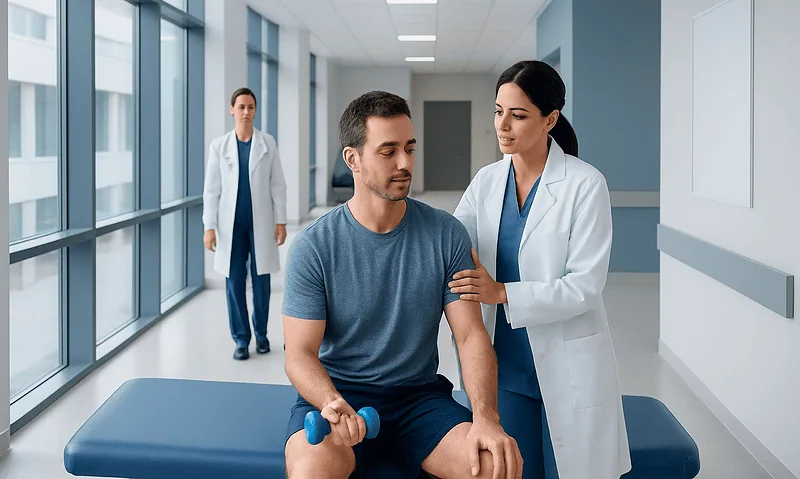
Physical therapy is often useful when pain is linked to muscle imbalance, shoulder mechanics, or neck-related tension. A tailored exercise program can improve posture, restore mobility, and strengthen the shoulder girdle. In persistent cases of tendon or joint irritation, targeted rehabilitation may reduce recurrence better than rest alone. Some patients benefit from physical therapy and rehabilitation to rebuild movement and support the shoulder-clavicle region safely.
Fractures and joint separations are treated based on severity. Many clavicle fractures can heal with a sling, pain control, and follow-up imaging, while some displaced fractures or unstable injuries may need orthopedic procedures. If surgery is required, it may fall under orthopedic surgery after specialist assessment.
When the pain is caused by arthritis, inflammatory disease, infection, or a neck problem, treatment targets that specific condition. This is why a precise diagnosis matters. Self-treating persistent clavicle pain as a simple strain can delay care when a different problem is present.
Self-care, Prevention, and Recovery Tips
Many everyday causes of clavicle ache can be reduced by improving shoulder mechanics and avoiding repeated strain. Good desk posture, a supportive workstation, and regular breaks from prolonged sitting can lessen tension through the neck and collarbone area. Alternating how bags are carried and avoiding heavy loads on one shoulder may also help.
For people who exercise, gradual progression is important. Sudden increases in push-ups, bench presses, overhead lifting, racquet sports, or throwing activities can overload the tissues around the clavicle. Warming up, strengthening the upper back and shoulder stabilizers, and using correct technique may lower the risk of recurrent symptoms.
Recovery is usually better when activity is modified rather than stopped indefinitely. Once pain begins to settle, gentle range-of-motion exercises may help prevent stiffness if a clinician says they are safe. Returning too quickly to contact sports or heavy lifting, especially after injury, can prolong healing or increase the chance of reinjury.
People should avoid trying to “push through” severe pain around the collarbone. Sharp pain, visible deformity, or weakness after trauma can mean a structural injury that needs evaluation before exercises are started.
When to Seek Medical Care
Medical care is recommended if clavicle ache follows a fall, collision, sports injury, or any direct blow to the shoulder or chest. The same is true if there is swelling, bruising, a lump or step-off over the collarbone, difficulty lifting the arm, or pain that is severe or getting worse instead of better.
Urgent assessment is also important when clavicle pain comes with shortness of breath, chest pressure, fever, redness, unexplained weight loss, or numbness and weakness in the arm. These features can suggest a cause that is not a simple musculoskeletal strain.
If the ache lasts more than a short period, keeps returning, disturbs sleep, or limits daily activities, a clinician can help identify the source and guide treatment. Near the end of the care pathway, patients who need specialist input may be assessed by orthopedics, rehabilitation medicine, sports medicine, or another relevant team. Acibadem International’s multidisciplinary specialists and JCI-accredited hospitals evaluate and treat clavicle-related injuries and associated shoulder conditions for international patients.
Frequently asked questions
Is clavicle ache the same as a broken collarbone?
No. Clavicle ache can come from muscle strain, joint irritation, posture problems, or referred pain, not only a fracture. A broken collarbone is more likely after trauma and may cause sudden severe pain, swelling, bruising, and trouble moving the arm.
Can poor posture cause clavicle ache?
Yes. Rounded shoulders and prolonged desk work can strain the muscles and soft tissues connected to the collarbone and shoulder. This type of pain is often dull, gradual, and worse after long periods in the same position.
Why does my clavicle hurt when I move my shoulder?
Pain with shoulder movement may come from the acromioclavicular joint, surrounding ligaments, rotator cuff-related problems, or soft tissue strain. Movement changes how the shoulder blade and collarbone work together, so irritation in nearby structures may be felt over the clavicle.
How long does clavicle ache usually last?
It depends on the cause. Mild strain may improve within days to a few weeks, while fractures, joint injuries, or inflammatory conditions may take longer and need supervised treatment. Pain that does not gradually improve should be assessed by a doctor.
Should ice or heat be used for clavicle pain?
Ice is often preferred early after a new injury or flare-up because it may help reduce pain and swelling. Heat may feel soothing for muscle tightness or stiffness later on, but it should not replace medical assessment when there is significant injury or unexplained pain.
When is clavicle ache an emergency?
Emergency or urgent care is appropriate after major trauma, if the collarbone looks deformed, or if there is severe pain with inability to move the arm. Immediate medical attention is also important if clavicle pain comes with chest symptoms, breathing trouble, fever, or signs of nerve problems.
References
- American Academy of Orthopaedic Surgeons
- National Health Service
- MedlinePlus
- Mayo Clinic
- American College of Radiology
This article is for general information only and is not a substitute for professional medical advice. Please consult a qualified doctor about your individual situation.
Joint and spine care in Turkey — expert assessment & treatment
JCI-accredited · board-certified surgeons · reply within 24h

More from the Health Library


Related Specialists

Prof. Dr. Funda Vesile Çorapcıoğlu
Pediatric Hematology & Oncology
Prof. Dr. Güngör Boztaş
Gastroenterology
Dr. Ersen Hürmüzlü
Infectious Diseases & Clinical Microbiology
Dr. Burak Güler
Gynecology & Obstetrics