Muscle Recovery: What Patients Need to Know

Muscle recovery depends on tissue repair, reduced inflammation, and restoration of energy stores. Mild soreness after activity is common, but severe pain, swelling, or loss of function is not.
Key Takeaways
- Muscle recovery depends on tissue repair, reduced inflammation, and restoration of energy stores.
- Mild soreness after activity is common, but severe pain, swelling, or loss of function is not.
- Sleep, protein intake, hydration, and sensible activity pacing all support recovery.
- Recovery time varies with age, fitness level, training intensity, and whether an injury is present.
- Medical evaluation is important if symptoms last, worsen, or follow a sudden injury.
Muscle recovery is the body’s natural process of repairing and adapting muscle tissue after exercise, physical work, or minor strain. Most people support muscle recovery with rest, hydration, nutrition, sleep, and gradual return to activity, while persistent pain or weakness should be assessed by a doctor.
Overview: what muscle recovery means
Muscle recovery is the process the body uses to repair muscle fibers, restore energy, and reduce the temporary stress that follows exercise or physical strain. In practical terms, it is what helps muscles feel stronger and more capable after they have been challenged. Recovery is not only about resting after a workout; it also includes hydration, nutrition, sleep, and choosing an appropriate pace when returning to activity.
Muscles can become tired, sore, or stiff after unfamiliar movement, intense training, long periods of physical work, or a minor strain. This can happen even in healthy people, especially when activity increases quickly. A short period of discomfort may be part of normal adaptation, but recovery should gradually move in the direction of less pain, better movement, and improved function.
It is also helpful to distinguish muscle recovery from recovery after a true injury. Ordinary post-exercise soreness usually improves within a few days. By contrast, a more significant problem such as a muscle strain may cause sharper pain, weakness, swelling, bruising, or difficulty using the affected area. In those cases, recovery often needs a more structured plan and sometimes medical treatment.
How the body repairs muscles
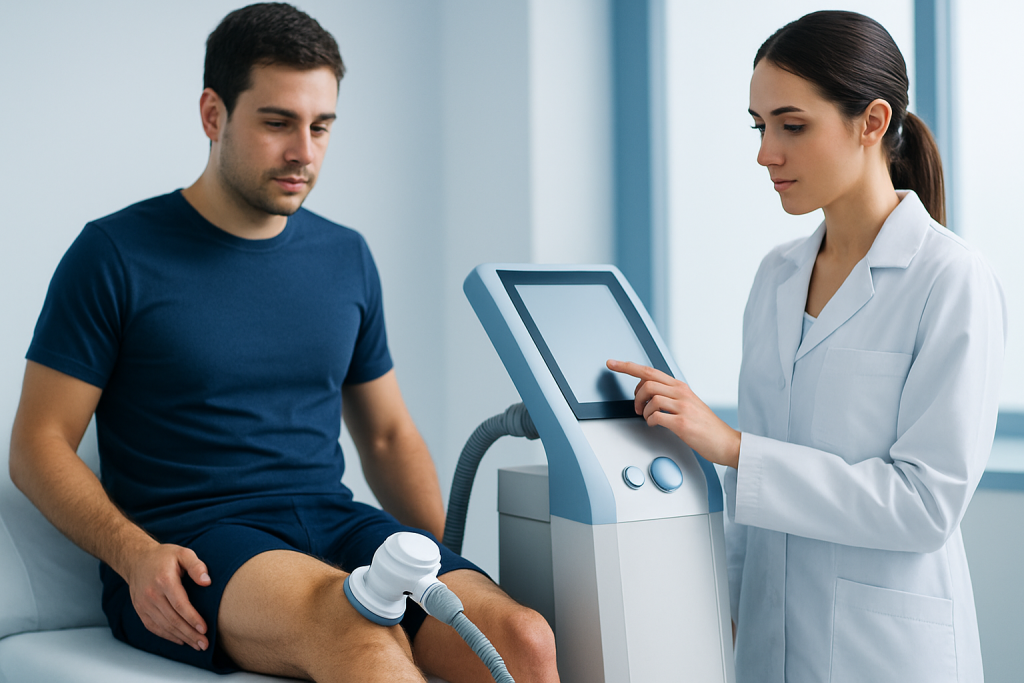
When muscles work hard, especially during resistance training or unfamiliar activity, tiny microscopic changes can occur in muscle fibers. The body responds by sending blood flow, nutrients, and repair signals to the area. This controlled repair process is part of how muscles adapt over time. Recovery also involves replacing stored energy, balancing fluids and minerals, and allowing the nervous system to return to its usual state.
Inflammation is often discussed in a negative way, but a limited, short-term inflammatory response can be part of normal healing. What matters is balance. Too little recovery time may keep the body in a stressed state, while too much inactivity may reduce conditioning and slow a return to normal movement. The goal is not to eliminate every sensation after exercise, but to support healthy adaptation.
Several factors influence recovery speed. These include age, general health, training experience, intensity of activity, previous injuries, and daily habits such as sleep quality and nutrition. People with chronic illnesses, poor sleep, or inadequate calorie and protein intake may notice that soreness lasts longer or that their performance does not return as expected.
Normal recovery symptoms and warning signs

Normal muscle recovery can include mild to moderate soreness, a feeling of stiffness, temporary fatigue, and reduced comfort when starting movement after rest. This pattern often begins several hours after activity and peaks over the next day or two before gradually settling. Muscles may feel tender, but normal daily use is usually still possible.
Symptoms become more concerning when the pain is sudden, severe, or linked to a specific injury event such as a twist, fall, or heavy lift. Warning signs include marked swelling, bruising, a popping sensation, inability to bear weight, weakness that feels out of proportion, numbness, fever, dark urine, or pain that does not improve with rest. These symptoms can suggest something more than routine soreness.
It can also be useful to watch for patterns over time. If recovery repeatedly takes longer than expected, sleep is poor, or exercise performance continues to decline, the problem may relate to overtraining, poor conditioning, a biomechanical issue, or an undiagnosed injury. Persistent pain in a joint or tendon can sometimes be mistaken for muscle soreness, so an accurate assessment matters.
- Common: mild soreness, stiffness, temporary heaviness, mild fatigue
- Less typical: limping, significant weakness, visible bruising, swelling
- Urgent warning signs: severe pain, inability to move the limb, numbness, dark urine, or symptoms after major trauma
What helps muscle recovery
The most reliable supports for muscle recovery are simple and consistent. Rest allows damaged tissue to repair. Hydration helps circulation and normal muscle function. Balanced meals provide protein for tissue repair and carbohydrates to replenish energy stores. Good sleep is especially important because many restorative processes are more active during sleep.
Light movement can also help. Gentle walking, easy mobility exercises, and gradual stretching may reduce stiffness for some people, especially after long periods of sitting or after moderate exercise. However, forcing painful movement or returning too quickly to intense training can prolong symptoms. Recovery usually improves most when activity is scaled rather than stopped completely, unless a true injury is suspected.
People often ask about massage, compression, cold packs, and heat. These methods may improve comfort in selected situations, but they do not replace the basics of sleep, nutrition, and pacing. Cold may help in the first day or two after a minor strain or when swelling is present, while heat may feel better for general tightness once acute swelling is not the main issue. If symptoms involve a significant injury, specialists in physical therapy and rehabilitation can help guide safe recovery and return to activity.
Recovery is also affected by training design. Muscles generally cope better when exercise intensity and volume increase gradually, with time built in for recovery between hard sessions. Alternating muscle groups, including rest days, and using correct technique are often more important than any single recovery product or trend.
Causes of delayed or difficult recovery
Delayed muscle recovery can happen for many reasons. A common cause is doing too much, too soon. This may include suddenly starting a demanding fitness routine, returning to sport after a break, increasing weights too quickly, or combining intense exercise with physically demanding work. In these situations, the muscles may simply need more time and a more gradual plan.
Another possibility is that the problem is not ordinary soreness but an injury. A strain, tendon problem, or spine-related issue can mimic muscle pain. For example, pain in the back, hip, or leg may sometimes reflect sciatica or another nerve-related cause rather than a muscle problem alone. This is one reason persistent or recurring symptoms deserve proper evaluation.
General health factors may also slow recovery. Examples include poor sleep, dehydration, low overall calorie intake, inadequate protein intake, stress, alcohol excess, some medications, and chronic conditions that affect circulation, hormones, or metabolism. In some people, repeated cramps or weakness may point to electrolyte imbalance or an underlying medical issue rather than a training problem.
If a person feels they cannot recover between sessions, the answer is not always complete inactivity. A clinician may recommend modifying the exercise program, addressing technique, checking for contributing health issues, and, when needed, arranging imaging or rehabilitation support. In selected injury-related situations, sports injuries treatment may be part of a broader recovery plan.
Diagnosis: when muscle pain should be evaluated
Most mild post-exercise muscle soreness does not need testing. A doctor usually considers the timing of symptoms, the type of activity involved, the location of pain, and whether there was a clear injury event. The examination may look for swelling, weakness, range of motion limits, tenderness, bruising, and signs that the pain is coming from a joint, tendon, or nerve instead of muscle tissue.
If symptoms are more severe or do not improve as expected, tests may be considered. These can include blood tests when there is concern about significant muscle breakdown, inflammation, or metabolic issues. Imaging such as ultrasound or MRI may be useful when a muscle tear, tendon injury, or other structural problem is suspected. X-rays are sometimes used to exclude bone injury when trauma has occurred.
Diagnosis also focuses on function. A clinician may ask whether walking, lifting, climbing stairs, or reaching overhead is affected. This helps distinguish routine soreness from an injury that needs a more structured program. In some cases, pain in the neck, shoulder, or lower back requires input from orthopedic, sports medicine, or rehabilitation specialists to identify the true source and avoid unnecessary delay in recovery.
Treatment options and a safe return to activity
Treatment depends on the cause. For ordinary muscle recovery after exercise, the main approach is supportive care: temporary reduction in training intensity, hydration, balanced meals, good sleep, and gentle movement as tolerated. Most people improve steadily with these steps alone. The aim is to feel function returning rather than to push through persistent pain.
For a mild strain, a doctor may recommend short-term protection of the area, modified activity, and a progressive rehabilitation plan. As pain settles, exercises are usually reintroduced in stages, beginning with comfortable range of motion and moving toward strengthening and functional activity. This gradual progression matters because a muscle that feels better is not always fully ready for heavy loading.
When symptoms are ongoing, treatment may include supervised rehabilitation, assessment of posture or movement patterns, and management of contributing conditions. If pain appears to come from a nearby joint or spine, treatment may be directed there instead. Some patients benefit from care in orthopedics and traumatology when injury, recurrent strain, or structural problems are suspected.
A safe return to activity usually means that pain is minimal, daily movement is comfortable, strength is close to normal, and the person can perform the relevant motion without compensation. Returning too early can prolong recovery. A structured, individualized plan is especially helpful for athletes, older adults, and anyone recovering from repeated or more serious muscle injury.
Prevention, self-care, and when to seek medical care
Many muscle recovery problems can be reduced through consistent habits. Regular conditioning, gradual progression in exercise, warm-up before activity, adequate hydration, balanced meals, and enough sleep all support recovery. Rest days are not a sign of poor training; they are part of the training process. People who sit for long periods may also benefit from moving more often during the day, as stiffness and deconditioning can make muscles more vulnerable to strain.
Self-care should remain realistic. There is no single product, supplement, or technique that guarantees faster muscle recovery for everyone. What usually works best is a steady routine: appropriate training load, proper form, recovery time, and medical advice when pain behaves unusually. If a person has a chronic health condition or is starting a new exercise plan after a long break, it is sensible to ask a doctor how to begin safely.
Medical care should be sought if muscle pain is severe, follows a sudden injury, includes significant swelling or bruising, causes weakness, or does not begin improving after several days. Prompt assessment is also important if there is fever, numbness, dark urine, chest symptoms, or inability to use the affected limb normally. Near the end of the care pathway, patients who need coordinated evaluation may be seen by multidisciplinary specialists; Acibadem International’s JCI-accredited hospitals provide diagnosis and treatment for international patients when muscle or movement-related symptoms need expert assessment.
Frequently asked questions
How long does muscle recovery usually take?
Mild muscle soreness after exercise often improves within a few days. Recovery may take longer after intense or unfamiliar activity, and true muscle strains can take weeks depending on severity. If pain is not improving or function is limited, a doctor should assess it.
Is soreness after exercise always a good sign?
Not necessarily. Mild soreness can happen when muscles adapt to a new or harder activity, but soreness is not required for progress. Severe pain, swelling, or weakness suggests overuse or injury rather than healthy recovery.
What is the best way to support muscle recovery?
The basics are usually most effective: rest, hydration, balanced meals, enough protein, and good sleep. Gentle movement may help stiffness, but activity should be reduced if it causes clear pain. Recovery is generally better when exercise intensity increases gradually over time.
Should a person use heat or ice for sore muscles?
Either may help comfort, depending on the situation. Ice is often used soon after a minor strain or when swelling is present, while heat may feel better for general tightness once acute swelling is not the main issue. If symptoms are severe or unclear, medical advice is the safest option.
When is muscle pain not normal?
Muscle pain is more concerning when it is sudden, severe, linked to a clear injury, or comes with bruising, swelling, numbness, or major weakness. Pain that keeps returning, lasts longer than expected, or interferes with daily activity should also be evaluated. These features can point to a strain, tendon problem, nerve irritation, or another medical issue.
Can poor sleep affect muscle recovery?
Yes. Sleep supports many of the body’s normal repair and recovery processes, including tissue healing and energy restoration. When sleep is poor, soreness may feel worse and recovery may take longer.
References
- World Health Organization
- American Academy of Orthopaedic Surgeons
- American College of Sports Medicine
- National Institute of Arthritis and Musculoskeletal and Skin Diseases
- National Health Service
This article is for general information only and is not a substitute for professional medical advice. Please consult a qualified doctor about your individual situation.
Explore treatments in Turkey — costs, top hospitals & a free quote
JCI-accredited · board-certified surgeons · reply within 24h
Check your numbers in seconds
BMI, calories, due date, blood pressure and 30+ more clinical calculators — free, instant, doctor-reviewed ranges.