Diabetic Shock: A Complete Medical Overview

Diabetic shock usually refers to a severe blood sugar emergency, not one specific disease. Both very low blood sugar and very high blood sugar can cause confusion, fainting, or loss of consciousness.
Key Takeaways
- Diabetic shock usually refers to a severe blood sugar emergency, not one specific disease.
- Both very low blood sugar and very high blood sugar can cause confusion, fainting, or loss of consciousness.
- Early symptoms may include sweating, shakiness, thirst, weakness, fast breathing, or behavior changes.
- Treatment depends on the cause and may include fast-acting glucose, fluids, insulin, and hospital monitoring.
- Good diabetes management, regular glucose checks, and an emergency plan can help prevent episodes.
Diabetic shock is not a formal single diagnosis, but a common term people use for a dangerous diabetes-related emergency caused by very low or very high blood sugar. It needs prompt recognition and medical care because severe hypoglycemia, diabetic ketoacidosis, and hyperosmolar hyperglycemic state can quickly become life-threatening if untreated.
Overview: what diabetic shock means
Diabetic shock is a nonmedical term often used to describe a serious diabetes emergency in which blood sugar becomes dangerously low or dangerously high. In everyday use, it may refer to severe hypoglycemia, diabetic ketoacidosis, or hyperosmolar hyperglycemic state. These conditions have different causes, but all can affect the brain, circulation, and overall body function.
The term can be confusing because “shock” in medicine has a specific meaning related to poor blood flow to organs. Many people use “diabetic shock” more broadly to describe collapse, fainting, severe weakness, or altered consciousness linked to diabetes. For that reason, it is helpful to focus on the actual emergency behind the symptoms rather than the phrase alone.
Severe low blood sugar can develop quickly, often within minutes to hours, especially in a person taking insulin or certain diabetes medicines. Severe high blood sugar emergencies usually evolve over hours or days and are often triggered by infection, missed medication, dehydration, or undiagnosed diabetes. Both situations can become medical emergencies and should never be ignored.
People living with diabetes, family members, school staff, and caregivers benefit from knowing the warning signs and first steps. Recognizing whether symptoms suggest low blood sugar, very high blood sugar, or another urgent illness can help a person get the right treatment as soon as possible.
Signs and symptoms to recognize
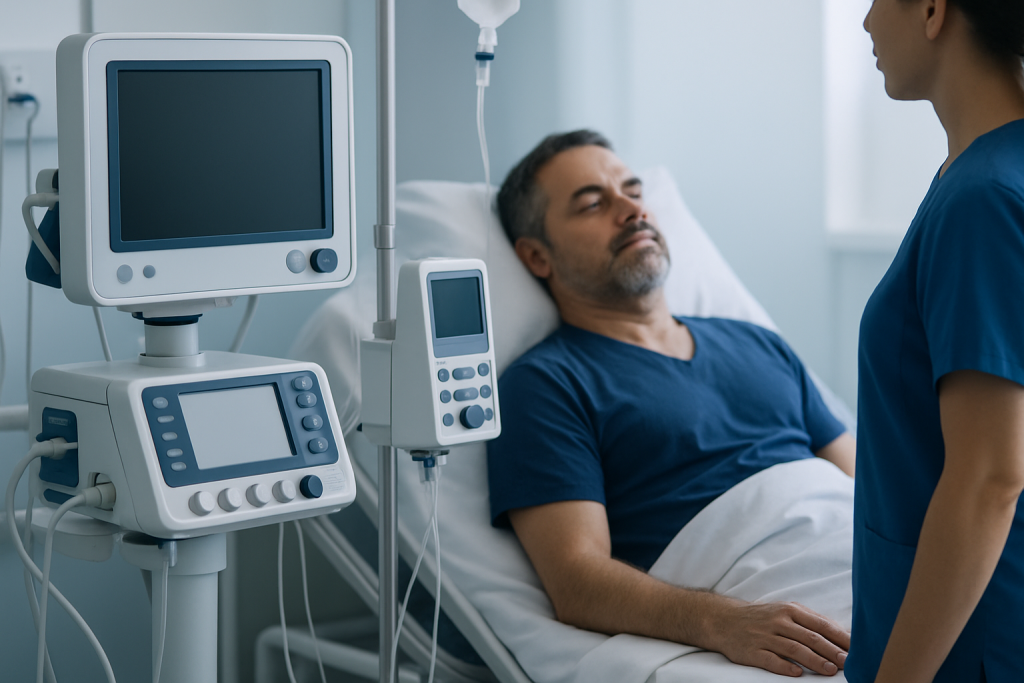
Symptoms depend on whether blood sugar is too low or too high. Severe low blood sugar often causes sweating, shaking, hunger, dizziness, headache, blurred vision, irritability, confusion, slurred speech, unusual behavior, or drowsiness. If it worsens, a person may have seizures, lose consciousness, or be unable to swallow safely.
Very high blood sugar can lead to intense thirst, frequent urination, dry mouth, weakness, nausea, vomiting, abdominal pain, dehydration, and increasing fatigue. In diabetic ketoacidosis, breathing may become deep or rapid, and the breath can sometimes smell fruity. In hyperosmolar hyperglycemic state, confusion, extreme dehydration, and reduced alertness are common, especially in older adults.
Some symptoms overlap. A person with either very low or very high blood sugar may seem confused, weak, or less responsive than usual. Because of that overlap, checking a blood glucose reading as quickly as possible is often the safest way to guide the next step when a meter or continuous glucose monitor is available.
- Symptoms more suggestive of low blood sugar: sweating, tremor, sudden hunger, palpitations, behavior change, seizure
- Symptoms more suggestive of high blood sugar: excessive thirst, frequent urination, dry skin, vomiting, abdominal pain, deep breathing
- Danger signs for either: fainting, inability to wake, severe confusion, seizure, trouble breathing
Why it happens: causes and risk factors

Severe hypoglycemia usually happens when there is too much glucose-lowering treatment relative to the body’s needs. Common reasons include taking too much insulin, delaying or skipping meals, increasing exercise without adjusting food or medication, drinking alcohol without enough food, or using medicines that can lower blood sugar for longer than expected. People with long-standing diabetes may also lose some of their early warning symptoms, making severe episodes more likely.
Severe hyperglycemia occurs when the body does not have enough effective insulin. In type 1 diabetes, this can lead to diabetic ketoacidosis, in which the body breaks down fat and produces ketones that make the blood too acidic. In type 2 diabetes, especially in older adults, very high blood sugar and dehydration may lead to a hyperosmolar state with major fluid loss and altered consciousness.
Illness is a major trigger for both kinds of emergencies. Infection, fever, vomiting, diarrhea, heart disease, stroke, emotional stress, surgery, trauma, and certain medicines such as steroids can all disrupt blood sugar control. Sometimes a hyperglycemic emergency is the first sign that a person has diabetes but has not yet been diagnosed.
Risk increases in children, older adults, pregnant women with diabetes, and people who have difficulty eating regularly, checking glucose, or managing medicines. The chance of an emergency can also rise in people with kidney disease, limited access to care, memory problems, or poor awareness of falling blood sugar.
How doctors diagnose the underlying emergency
Diagnosis begins with symptoms, a quick medical history, and immediate blood glucose testing. If severe hypoglycemia is suspected, treatment may begin right away, even before all results are available, because low blood sugar can harm the brain if it persists. If very high blood sugar is suspected, clinicians also assess hydration, mental status, breathing pattern, temperature, pulse, and blood pressure.
Blood and urine tests help identify the exact problem. Doctors may check ketones, blood gases, electrolytes, kidney function, and signs of infection. These tests help distinguish between severe hypoglycemia, diabetic ketoacidosis, and hyperosmolar hyperglycemic state, and they show how serious the imbalance has become.
The care team also looks for the trigger. A missed insulin dose, infection, heart problem, or another illness may need treatment alongside the blood sugar emergency. In some cases, imaging or heart tests are needed if symptoms could also be related to stroke, head injury, or a cardiac event.
For people with known diabetes, a review of glucose records, continuous glucose monitor trends, medication timing, meals, and recent activity can be very useful. In newly diagnosed patients, doctors may also evaluate what type of diabetes is present and whether long-term endocrine care is needed, including assessment for type 1 diabetes or type 2 diabetes.
Treatment and emergency response
Treatment depends on the cause. If a person is awake and able to swallow, suspected low blood sugar is usually treated right away with fast-acting carbohydrate such as glucose tablets, juice, or regular soda. Blood sugar should then be rechecked based on the person’s care plan. If the person becomes unconscious, has a seizure, or cannot swallow safely, emergency medical help is needed immediately.
Many people at risk of severe hypoglycemia are prescribed a glucagon rescue medicine for home, school, work, or travel. Family members and caregivers should know how and when to use it. After recovery from a severe low blood sugar episode, follow-up medical review is important to understand why it happened and whether the treatment plan needs to change.
Hyperglycemic emergencies are treated in hospital. Care often includes intravenous fluids, insulin, electrolyte replacement, and close monitoring of the heart, kidneys, and mental status. If infection or another trigger is present, that problem is treated at the same time. Some patients need care in a high-dependency or intensive care setting until the blood chemistry normalizes.
Longer-term treatment focuses on prevention. This may include structured diabetes education, adjustment of insulin regimens, review of meals and exercise, use of insulin therapy when appropriate, or better monitoring tools such as continuous glucose monitoring. In selected patients, specialist evaluation can also help identify whether an endocrinology and metabolism team should reassess the overall diabetes plan.
Prevention and daily self-care
Prevention starts with understanding personal blood sugar patterns. People with diabetes benefit from checking glucose as advised, taking medication consistently, and learning how food, illness, exercise, alcohol, and stress affect readings. A written plan for sick days can be especially helpful because infections and dehydration commonly trigger major glucose swings.
Meals should not be skipped if a person’s treatment can cause hypoglycemia, unless a clinician has advised how to adjust medication. Before prolonged exercise, extra planning may be needed to reduce the risk of falling blood sugar. People who use insulin should know how to store it properly, use the right dose, and recognize when dosing might need medical review.
An emergency kit can improve safety. It may include a glucose meter, test strips, quick sugar sources, a glucagon rescue product if prescribed, ketone testing supplies if recommended, water, and a list of medications and emergency contacts. Wearing a medical alert bracelet or carrying diabetes identification can help first responders act quickly.
Regular follow-up matters even when a person feels well. Diabetes education, medication review, and discussion of repeated highs or lows can reduce future emergencies. For international patients who need comprehensive evaluation, Acibadem International’s multidisciplinary specialists and JCI-accredited hospitals diagnose and treat diabetes-related emergencies and long-term diabetes care.
When to seek medical care
Urgent medical care is needed if a person with diabetes faints, has a seizure, cannot be awakened normally, has severe confusion, trouble breathing, repeated vomiting, or signs of significant dehydration. Emergency help is also important if blood sugar remains very low despite treatment, or stays very high with ketones, weakness, or reduced alertness.
A doctor should also be contacted promptly for repeated low blood sugar episodes, frequent high readings, new ketones, inability to keep food or fluids down, or blood sugar changes during illness that are hard to control at home. Children, older adults, pregnant women, and people who live alone may need extra caution because symptoms can worsen quickly or be harder to recognize.
If there is any doubt about whether symptoms are due to low blood sugar, high blood sugar, or another serious condition such as stroke or infection, it is safest to seek professional care. Acting early can prevent complications and often makes treatment simpler and recovery faster.
Frequently asked questions
Is diabetic shock a real medical diagnosis?
Diabetic shock is a common informal term, not a single formal diagnosis. People usually use it to describe a dangerous diabetes emergency caused by very low or very high blood sugar. Doctors identify the exact condition, such as severe hypoglycemia, diabetic ketoacidosis, or hyperosmolar hyperglycemic state.
What is the difference between low blood sugar and high blood sugar emergencies?
Low blood sugar usually develops faster and often causes sweating, shakiness, hunger, confusion, or sudden behavior change. High blood sugar emergencies tend to build over hours or days and may cause thirst, frequent urination, vomiting, dehydration, deep breathing, and increasing drowsiness. Both can become serious and need prompt attention.
What should someone do first if diabetic shock is suspected?
If the person is awake and able to swallow, checking blood sugar and treating suspected low blood sugar with fast-acting glucose is often the first step. If the person is unconscious, having a seizure, or cannot swallow safely, emergency services should be called right away. Glucagon may be used if it has been prescribed and someone nearby knows how to give it.
Can a person without known diabetes have diabetic shock?
Yes. Some people first discover they have diabetes during a severe high blood sugar emergency such as diabetic ketoacidosis or hyperosmolar hyperglycemic state. Less commonly, low blood sugar can happen in people without diabetes for other medical reasons and still needs medical evaluation.
How can diabetic shock be prevented?
Prevention focuses on steady diabetes management, regular glucose monitoring, taking medication correctly, and not skipping meals when using medicines that can lower blood sugar. It also helps to have a sick-day plan, know when to test for ketones, and keep quick sugar and emergency supplies available. Regular follow-up with a qualified clinician is important if highs or lows happen often.
When is a high blood sugar reading an emergency?
A high reading becomes more concerning when it is persistent or accompanied by ketones, vomiting, deep breathing, severe weakness, confusion, or dehydration. The exact threshold varies by the person's treatment plan, age, and type of diabetes. A healthcare professional can provide individualized instructions for when to seek urgent care.
References
- American Diabetes Association
- National Institute of Diabetes and Digestive and Kidney Diseases
- Centers for Disease Control and Prevention
- National Health Service
- Mayo Clinic
This article is for general information only and is not a substitute for professional medical advice. Please consult a qualified doctor about your individual situation.
Explore treatments in Turkey — costs, top hospitals & a free quote
JCI-accredited · board-certified surgeons · reply within 24h