Kinesio Tape Plantar: A Complete Medical Overview
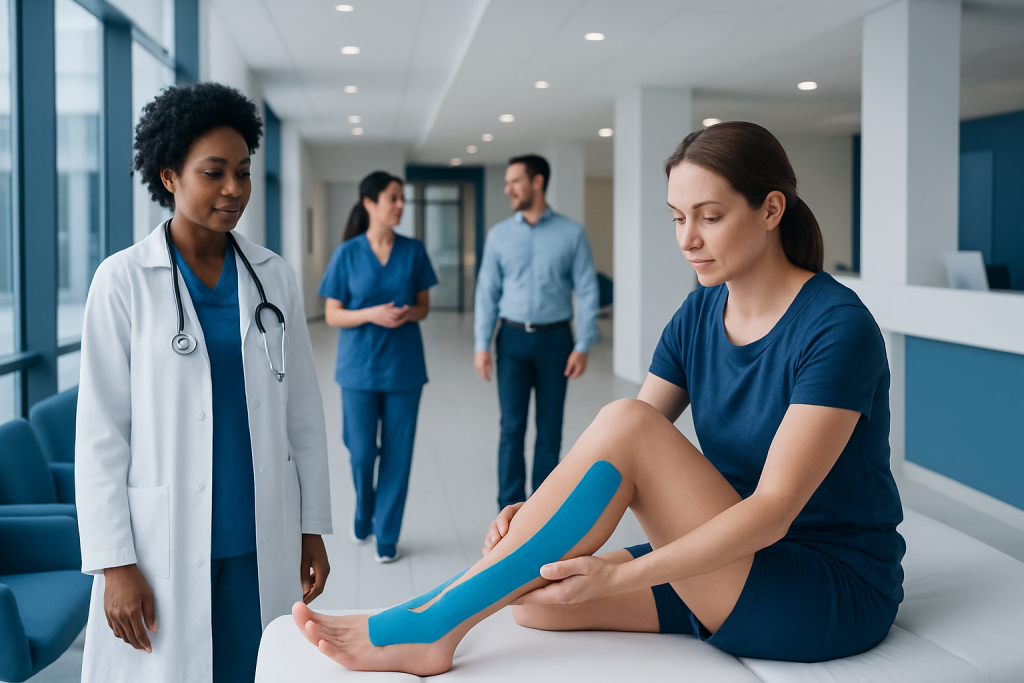
Kinesio tape plantar applications are mainly used to support the arch and reduce stress on painful tissues. Taping may offer short-term symptom relief, especially for plantar fasciitis and overuse-related heel pain.
Key Takeaways
- Kinesio tape plantar applications are mainly used to support the arch and reduce stress on painful tissues.
- Taping may offer short-term symptom relief, especially for plantar fasciitis and overuse-related heel pain.
- Correct technique, skin safety, and realistic expectations are important because taping does not treat every cause of foot pain.
- Persistent, severe, or recurring heel pain should be assessed by a qualified clinician to confirm the diagnosis.
- Supportive footwear, calf and plantar fascia stretching, and activity modification are often key parts of treatment.
Kinesio tape plantar support is commonly used to reduce stress on the arch and heel, especially in plantar fasciitis. It may help some people feel more supported during activity, but it is not a cure and works best alongside stretching, footwear changes, and medical evaluation when symptoms persist.
Overview: what kinesio tape plantar support does
Kinesio tape plantar support refers to the use of elastic therapeutic tape on the sole, arch, heel, and sometimes ankle to help reduce strain on the tissues under the foot. It is most often discussed in relation to plantar fasciitis, a common cause of heel pain linked to irritation of the thick band of tissue that supports the arch. For many people, taping is used as a temporary support measure rather than a stand-alone treatment.
The main goal of taping is to provide gentle support while allowing movement. Unlike rigid athletic tape, kinesiology tape stretches with the skin and may help change how load is distributed across the foot during walking, standing, or exercise. Some people report improved comfort, better awareness of foot position, or less pulling at the heel during activity.
It is important to understand the limits of taping. Kinesio tape plantar applications do not repair damaged tissue, remove heel spurs, or replace proper diagnosis. Heel and arch pain can have several causes, including plantar fasciitis, tendon overload, nerve irritation, inflammatory conditions, or stress injury. Because treatment differs by cause, taping is most helpful when used as one part of a broader care plan.
When taping may help and when it may not
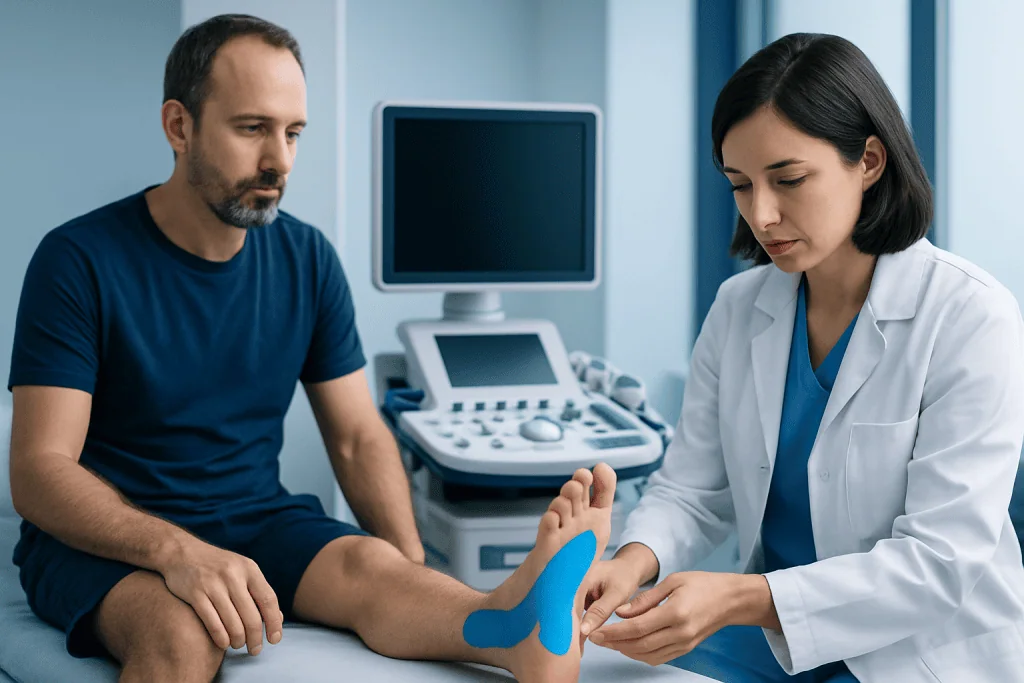
Taping is most likely to help when pain is related to repetitive strain, mild overload, or early plantar fascia irritation. Typical examples include pain with the first steps in the morning, heel pain after long periods of standing, or soreness that increases after walking, running, or exercise. In these cases, tape may reduce discomfort enough to allow daily activities while other treatments begin to work.
However, foot pain is not always caused by plantar fascia strain. Pain that burns, tingles, feels numb, or shoots into the toes may suggest nerve involvement rather than simple mechanical overload. Marked swelling, redness, fever, inability to bear weight, or pain after a significant injury needs proper medical assessment instead of self-treatment alone.
Taping may also be less helpful if the underlying problem is severe tissue irritation, a tear, major foot alignment issue, or an untreated systemic condition such as inflammatory arthritis. If pain keeps returning despite rest and home measures, a doctor or physiotherapist may advise further evaluation and a structured rehabilitation plan, sometimes including physical therapy and rehabilitation.
Symptoms commonly associated with plantar heel pain
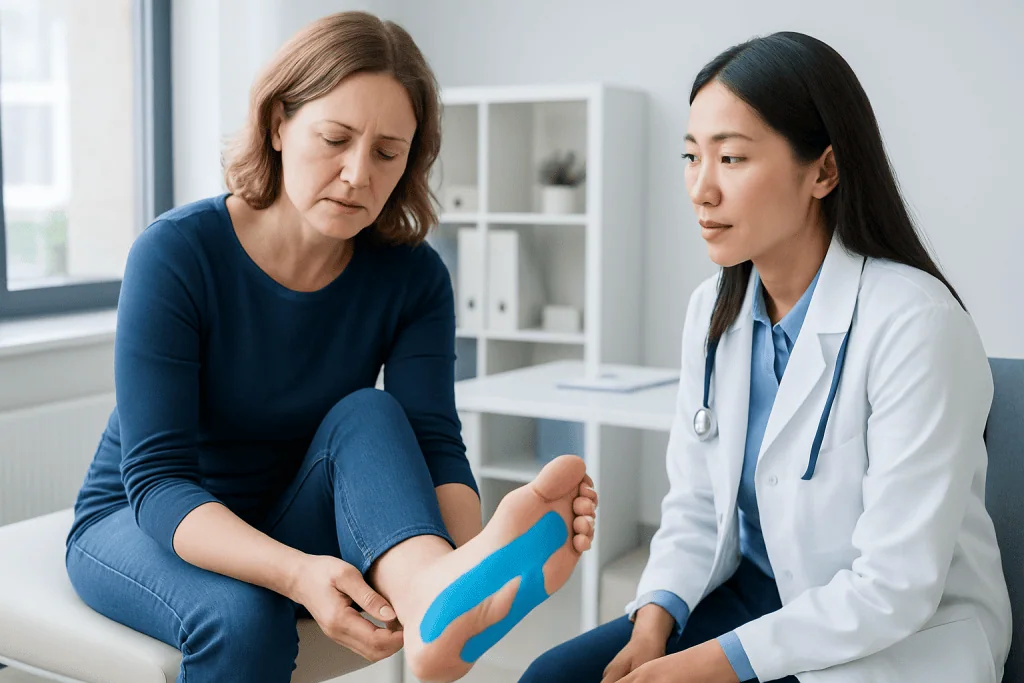
People looking for kinesio tape plantar support are often dealing with symptoms that fit plantar heel pain. The most classic symptom is sharp or aching pain at the bottom of the heel, especially with the first few steps after getting out of bed or standing up after rest. The pain may then ease somewhat with movement, only to return later in the day after prolonged standing or walking.
Some people also feel tightness in the arch or calf, tenderness when pressing the underside of the heel, or discomfort when climbing stairs, walking barefoot on hard floors, or exercising. In athletes and active adults, symptoms may begin gradually and worsen over time if training continues without enough recovery.
Not every symptom points to plantar fasciitis. Pain on the back of the heel may relate more to the Achilles tendon, while pain under the forefoot may involve the metatarsals or nerves. A clinician may evaluate whether symptoms are linked to Achilles tendonitis, another overuse problem that can alter walking mechanics and increase strain on the sole of the foot.
- Heel pain with first steps in the morning
- Arch tightness or pulling sensation under the foot
- Pain after long standing, walking, or running
- Tenderness at the bottom of the heel
- Symptoms that improve briefly with movement, then return
Causes and risk factors behind plantar pain
The plantar fascia acts like a strong supportive band along the bottom of the foot. It helps maintain the arch and absorbs stress with each step. When this tissue is repeatedly overloaded, tiny areas of irritation can develop, leading to pain. This overload may come from a sudden increase in walking or running, standing for long periods, repeated jumping, or wearing shoes with poor support.
Several body mechanics can raise the risk of heel pain. Tight calf muscles, reduced ankle flexibility, high-impact sports, excess body weight, and either very high arches or flatter feet may change how force passes through the foot. Occupational factors also matter, especially jobs that require long hours on hard surfaces.
Age can play a role because the foot tissues may become less resilient over time. At the same time, younger active people can also develop symptoms during periods of intense training. In some cases, pain is not primarily from the plantar fascia at all but from stress fractures, joint conditions, or trapped nerves. That is why persistent pain deserves confirmation rather than assuming taping alone will solve it.
How clinicians diagnose the cause of heel pain
Diagnosis usually begins with a detailed history and physical examination. A clinician asks where the pain is located, when it started, what makes it worse, and whether there is morning stiffness, recent injury, numbness, swelling, or changes in activity. The foot and ankle are then examined for tenderness, flexibility, arch shape, gait pattern, and signs of tendon or nerve involvement.
Many cases of plantar fasciitis can be diagnosed clinically without extensive testing. Still, imaging may be considered if the pain is severe, atypical, long-lasting, or not improving as expected. Ultrasound or MRI can help assess soft tissues, while X-rays may be used if a fracture, arthritis, or another bone-related cause is suspected.
Accurate diagnosis matters because treatments differ. For example, a person with simple overuse plantar fasciitis may benefit from stretching, shoe changes, and taping, while someone with a stress injury or nerve compression may need a different plan. A specialist in orthopedics, sports medicine, rehabilitation, or podiatric care can help identify the source of symptoms and decide whether additional treatment is needed.
Treatment options beyond taping
Kinesio tape plantar support is usually most useful when combined with other conservative treatments. These often include temporary activity modification, avoiding prolonged barefoot walking on hard surfaces, using supportive shoes, and trying over-the-counter insoles or arch supports when appropriate. Many people also benefit from calf stretching and plantar fascia-specific stretching performed consistently over time.
Icing after activity may help reduce soreness in the short term. Some patients are advised to use night splints, heel cups, or temporary orthotics. When pain is interfering with normal activity, a doctor may discuss anti-inflammatory strategies or supervised rehabilitation. Exercise therapy often focuses on flexibility, foot intrinsic muscle strength, calf strength, and gradual return to activity.
If symptoms do not improve with basic care, further options may be considered depending on the diagnosis. These may include orthopedic evaluation, custom support devices, focused rehabilitation, or other interventions selected by a specialist. Surgery is not the first-line treatment for routine plantar fasciitis and is usually reserved for carefully selected cases after prolonged failure of non-surgical care.
Safe use, self-care, and practical taping tips
People who want to try kinesio tape plantar applications should do so carefully. The skin should be clean and dry, and the tape should not be applied over cuts, rashes, infected skin, or areas of known adhesive allergy. The tape is generally placed with the foot in a neutral or gently flexed position to support the arch and heel without excessive tension.
The tape should feel supportive, not painfully tight. If there is itching, rash, numbness, color change, increased swelling, or worsening pain, it should be removed. Because taping methods vary, first-time users often benefit from instruction by a physiotherapist or other trained clinician who can match the technique to the suspected problem.
Self-care should also address the reason pain developed. Helpful steps include replacing worn shoes, reducing sudden increases in walking or training load, warming up before exercise, and stretching the calf muscles regularly. Rolling the sole of the foot gently over a cool bottle or massage ball may provide temporary relief for some people, although it should not be forced if it increases pain.
Near the end of a care pathway, some international patients may seek coordinated specialist assessment if symptoms persist or the diagnosis is unclear. Acibadem International’s multidisciplinary specialists in JCI-accredited hospitals diagnose and treat foot and ankle conditions for international patients, including evaluation with imaging and rehabilitation when appropriate.
When to seek medical care
Medical care is advisable if heel or arch pain lasts more than a few weeks, keeps returning, or limits normal walking, work, or exercise. A doctor should also assess pain that is severe from the start, follows an injury, or continues despite rest, stretching, supportive footwear, and taping.
Prompt evaluation is especially important if there is marked swelling, redness, warmth, fever, numbness, tingling, weakness, visible deformity, or inability to bear weight. These features may point to infection, fracture, significant tendon injury, nerve problems, or another condition that needs targeted treatment.
Children, older adults, people with diabetes, and people with poor circulation or inflammatory joint disease should be cautious with self-treatment for foot pain. When in doubt, a qualified clinician can confirm the diagnosis, rule out more serious causes, and advise whether therapies such as taping, rehabilitation, shoe modification, or further testing are appropriate.
Frequently asked questions
Does kinesio tape plantar support cure plantar fasciitis?
No. Kinesio tape plantar support may help reduce strain and improve comfort, but it does not cure plantar fasciitis by itself. Most people do best when taping is combined with stretching, supportive footwear, activity changes, and medical advice if symptoms persist.
How long can kinesio tape stay on the foot?
This depends on the product, skin sensitivity, sweating, and activity level. Many kinesiology tapes are designed to stay on for several days, but they should be removed sooner if they cause itching, rash, increased pain, or feel too tight. It is best to follow the product instructions and a clinician’s advice.
Can taping replace orthotics or supportive shoes?
Usually not. Taping is generally a temporary support measure, while well-fitting shoes and sometimes orthotic devices provide more consistent mechanical support. Some people use both together, especially during exercise or flare-ups.
Is plantar heel pain always plantar fasciitis?
No. Heel pain can also come from Achilles tendon problems, stress fractures, nerve irritation, joint disease, or fat pad pain. If the pain is unusual, severe, or not improving, a medical evaluation can help identify the actual cause.
Can a person exercise while using kinesio tape plantar support?
Sometimes, yes, if symptoms are mild and activity does not worsen the pain. Low-impact exercise is often easier to tolerate than running or jumping during a flare-up. A gradual return to activity is generally safer than pushing through pain.
Who should avoid self-taping the foot?
People with adhesive allergies, fragile skin, open wounds, infection, significant swelling, poor circulation, or uncontrolled diabetes should be cautious and seek professional advice first. Self-taping is also not ideal when the diagnosis is uncertain or pain started after a significant injury.
References
- American Academy of Orthopaedic Surgeons
- National Institute for Health and Care Excellence
- American College of Foot and Ankle Surgeons
- Mayo Clinic
- National Library of Medicine
This article is for general information only and is not a substitute for professional medical advice. Please consult a qualified doctor about your individual situation.
Explore treatments in Turkey — costs, top hospitals & a free quote
JCI-accredited · board-certified surgeons · reply within 24h