What Is a Sweep of the Cervix? Causes, Explanations, and Next Steps

A sweep of the cervix is a membrane sweep performed during a vaginal exam near term. It may help stimulate natural labor and can reduce the need for formal induction in some pregnancies.
Key Takeaways
- A sweep of the cervix is a membrane sweep performed during a vaginal exam near term.
- It may help stimulate natural labor and can reduce the need for formal induction in some pregnancies.
- Mild cramping, spotting, and irregular contractions can be normal afterward.
- Heavy bleeding, reduced fetal movement, leaking fluid, fever, or severe pain need prompt medical advice.
- The procedure is not suitable for every pregnancy, so timing and safety should be discussed with an obstetric clinician.
A sweep of the cervix, also called a membrane sweep, is a common procedure used near the end of pregnancy to help encourage labor. It is often harmless and may cause mild cramping or light bleeding, but certain symptoms after the procedure should prompt medical review.
Overview: what is a sweep of the cervix?
What is a sweep of the cervix? A sweep of the cervix, more accurately called a membrane sweep, is a procedure used late in pregnancy to help encourage labor to start. During a vaginal examination, a doctor or midwife places a gloved finger through the cervix, if it is open enough, and gently separates the membranes around the baby from the lower part of the uterus.
For many pregnant people, this is a routine and generally low-risk step offered near or after the due date. It is not the same as medical induction with hormones or medications, but it may stimulate the body to release natural prostaglandins that can help soften the cervix and trigger contractions.
The procedure does not always work, and not everyone is a good candidate for it. Whether a sweep is appropriate depends on how far along the pregnancy is, the position and condition of the cervix, the baby’s well-being, and whether there are any complications that make vaginal examination or labor stimulation unsafe.
Why it is done and how it differs from labor induction
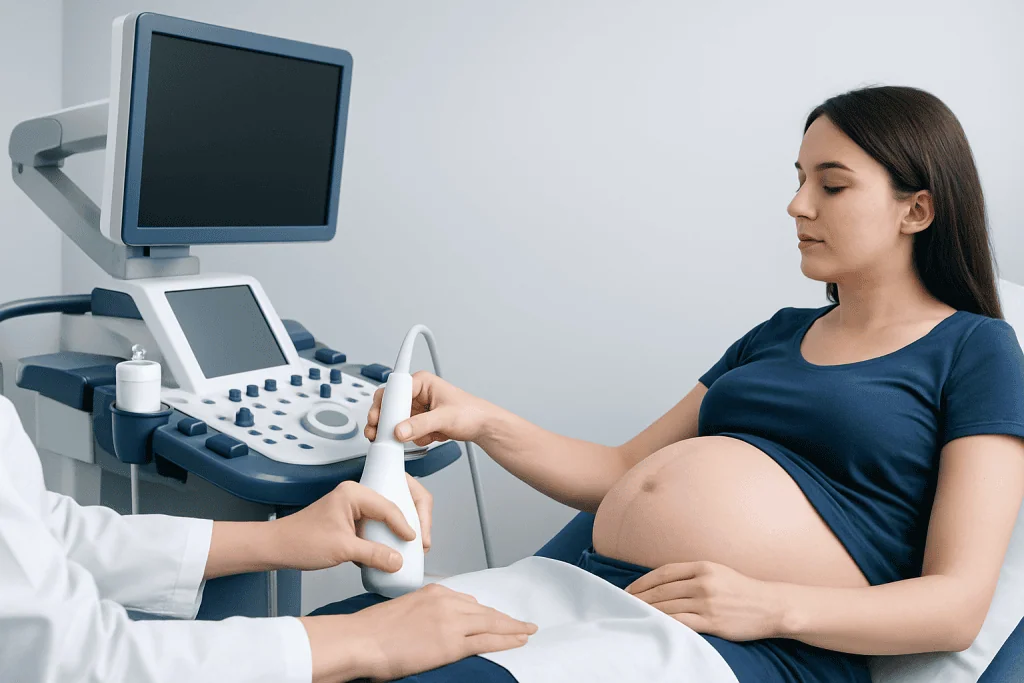
A membrane sweep is usually offered when pregnancy is full term and labor has not started on its own. The goal is to gently encourage the body toward labor without immediately moving to stronger induction methods. In some cases, it may reduce the chance of needing medication-based induction later.
It is helpful to distinguish a sweep from formal induction. A membrane sweep is done during an office or clinic exam and does not involve drugs. By contrast, labor induction may include cervical ripening agents, breaking the waters, or intravenous medications. Readers interested in the broader topic of labor and delivery care may hear membrane sweeps discussed as one step within a larger birth plan.
A sweep may be suggested if pregnancy continues beyond the due date, if there is a reason to encourage labor soon, or if the cervix already feels slightly open and favorable. However, it is not usually done if there is placenta previa, unexplained vaginal bleeding, active infection, ruptured membranes in some situations, or another reason vaginal birth is not advised.
What happens during the procedure

Before the procedure, the clinician usually reviews the reason for offering it, confirms the pregnancy stage, and explains possible discomforts and expected effects. Consent matters. Some people choose a membrane sweep, while others prefer to wait, and both choices deserve discussion.
During the exam, the pregnant person typically lies on an examination table in a position similar to a routine pelvic exam. The clinician inserts one or two gloved fingers into the vagina to assess the cervix. If the cervix is open enough, a finger is moved in a circular motion to separate the membranes from the cervix and lower uterus. This usually takes only a short time.
The sensation can range from pressure to moderate discomfort or cramping. If the cervix is still closed, thick, or positioned high, the clinician may not be able to perform the sweep. In that case, a repeat assessment may be discussed later, or other approaches may be considered depending on the pregnancy.
What is normal afterward and what symptoms can happen
After a sweep of the cervix, mild symptoms are common and often harmless. These can include period-like cramping, pelvic pressure, irregular contractions, and light spotting. Some people also notice a small amount of mucus or a blood-tinged discharge, sometimes called a bloody show.
These effects happen because the cervix has been examined and gently stimulated. Symptoms may settle within hours or continue on and off for a day or two. In some cases, labor starts within 24 to 48 hours, but it may also not start at all. Not having immediate contractions does not necessarily mean the sweep was done incorrectly.
People often worry about whether a sweep can harm the baby. In an uncomplicated term pregnancy, when the procedure is done by a qualified clinician, it is generally considered safe. The baby remains protected within the uterus and amniotic sac, though any concerns about fetal movement or bleeding should be taken seriously.
- Common short-term effects: cramping, light spotting, pelvic discomfort
- Possible changes: mucus discharge, irregular tightenings, backache
- Less common but important symptoms: heavy bleeding, leaking fluid, severe pain, fever, reduced fetal movement
Possible risks, limits, and when a sweep may not be suitable
Although membrane sweeps are commonly used, they do have limits. They do not guarantee labor, and the procedure can be uncomfortable. Some people may need more than one sweep, while others may still go on to need formal induction. A clinician will also consider whether the cervix is favorable enough for the maneuver to be possible.
Potential risks are usually low but can include stronger discomfort, more noticeable bleeding from the cervix, or irregular contractions that do not progress into labor. Very rarely, there may be concern for rupture of membranes or infection, which is why it is important that the procedure is performed in an appropriate clinical setting with good assessment beforehand.
It may not be suitable in pregnancies where vaginal examination or labor stimulation could be unsafe. Examples include placenta previa, certain fetal positioning concerns, active genital infection, unexplained vaginal bleeding, or situations where a cesarean birth is already planned for medical reasons. In some cases, other pregnancy conditions such as high-risk pregnancy need more individualized planning.
How doctors assess symptoms after a sweep
If symptoms after a membrane sweep seem stronger than expected, a doctor or midwife will usually begin by asking about timing, bleeding, fluid loss, contractions, fever, and fetal movements. This helps distinguish normal post-procedure effects from signs of labor or complications. The reassurance point is that most mild cramping and light spotting after a sweep are not dangerous.
If medical review is needed, the next steps may include checking the mother’s pulse, blood pressure, and temperature, listening to the baby’s heartbeat, and examining the cervix if appropriate. The clinician may also assess whether the waters have broken and whether contractions are becoming regular and effective. If there is concern about bleeding or reduced movement, fetal monitoring may be recommended.
Depending on what is found, the clinician may advise observation at home, coming in for assessment, or proceeding with labor evaluation. In some pregnancies, an ultrasound or additional tests may be used to check the baby’s well-being and amniotic fluid. This is also the point where broader maternity planning, including pregnancy follow-up or perinatology support, may be helpful for more complex cases.
When to seek medical care
Most people can go home after a membrane sweep and simply wait to see whether labor begins. However, prompt medical advice is important if there is heavy vaginal bleeding, a gush or steady trickle of fluid, severe or constant abdominal pain, fever, or if the baby seems to be moving less than usual. These symptoms are not typical and should not be ignored.
Medical review is also sensible if contractions become regular and strong, if there is concern that labor has started, or if symptoms feel different from what was explained by the care team. People should follow the specific instructions given by their maternity unit, especially regarding when to call or come in during late pregnancy.
For international patients who need coordinated obstetric assessment, Acibadem International’s multidisciplinary specialists in JCI-accredited hospitals diagnose and manage pregnancy-related concerns, including evaluation after procedures such as membrane sweeps, when clinically appropriate.
Questions to discuss with the maternity team
Because a sweep of the cervix is optional in many pregnancies, it can help to ask what benefit is expected in a particular situation. Questions may include whether the cervix seems favorable, how likely the procedure is to help, what alternatives exist, and what signs should prompt calling the hospital afterward.
It is also reasonable to ask about comfort, timing, and what happens if the sweep does not work. Some people prefer to avoid interventions unless medically necessary, while others wish to reduce the chance of going far beyond their due date. Shared decision-making is especially important late in pregnancy, when preferences and clinical needs may both play a role.
If the pregnancy has additional complexities, the team may discuss closer surveillance, induction planning, or the possibility of cesarean birth. Related concerns such as preeclampsia or other maternal conditions can influence whether a membrane sweep is appropriate and what the safest next step should be.
Frequently asked questions
Is a sweep of the cervix the same as inducing labor?
Not exactly. A sweep of the cervix is a manual technique used to encourage labor, while induction usually refers to starting labor with medications or other medical procedures. A membrane sweep may be offered before formal induction is considered.
How painful is a membrane sweep?
The experience varies from person to person. Many describe it as uncomfortable pressure with cramping rather than severe pain, and it usually lasts only a short time. If there are concerns about pain or anxiety, these should be discussed with the clinician beforehand.
How long after a sweep does labor usually start?
Some people go into labor within 24 to 48 hours, while others do not. A membrane sweep can help tip the body toward labor, but it does not guarantee that labor will begin right away. Several factors, including how ready the cervix is, affect the outcome.
Is bleeding after a cervical sweep normal?
Light spotting or a small amount of blood-tinged mucus can be normal after the procedure. This often comes from mild cervical irritation during the exam. Heavy bleeding, however, is not expected and should be reviewed urgently.
Can a sweep of the cervix break the waters?
The aim of the procedure is not to rupture the membranes. In most cases the waters do not break during a membrane sweep, but if there is a gush or ongoing trickle of fluid afterward, medical advice is needed to check for ruptured membranes.
Who should not have a membrane sweep?
A membrane sweep may not be suitable if there is placenta previa, unexplained bleeding, certain infections, or another reason vaginal birth or cervical examination is unsafe. The decision depends on the details of the pregnancy. A qualified obstetric clinician can advise whether it is appropriate.
References
- American College of Obstetricians and Gynecologists
- National Institute for Health and Care Excellence
- Royal College of Obstetricians and Gynaecologists
- World Health Organization
This article is for general information only and is not a substitute for professional medical advice. Please consult a qualified doctor about your individual situation.
Explore treatments in Turkey — costs, top hospitals & a free quote
JCI-accredited · board-certified surgeons · reply within 24h
Check your numbers in seconds
BMI, calories, due date, blood pressure and 30+ more clinical calculators — free, instant, doctor-reviewed ranges.