HDL Cholesterol High Explained: Reference Ranges and What Affects Them

HDL is often called “good” cholesterol because it helps carry cholesterol away from the arteries. A high HDL result is commonly seen as favorable, but very high values are not always automatically better.
Key Takeaways
- HDL is often called “good” cholesterol because it helps carry cholesterol away from the arteries.
- A high HDL result is commonly seen as favorable, but very high values are not always automatically better.
- Reference ranges vary by sex, age, lab method, and the rest of the lipid panel.
- Doctors interpret HDL together with LDL, triglycerides, family history, and cardiovascular risk factors.
- Lifestyle, genetics, alcohol use, medicines, and some medical conditions can affect HDL levels.
- A clinician should review unexpectedly high or changing HDL levels, especially if other lipid results are abnormal.
HDL cholesterol high usually means the “good” cholesterol level is above the typical reference range on a lipid panel. In many cases this is not harmful and may reflect a favorable heart risk profile, but the meaning depends on the actual number, the rest of the cholesterol results, overall health, and the reason the HDL is elevated.
What it means when HDL cholesterol is high
HDL cholesterol high means the high-density lipoprotein level is above the usual reference range reported on a blood test. HDL is often called “good” cholesterol because it helps move excess cholesterol from the bloodstream and tissues back to the liver, where it can be processed and removed. For many people, a higher HDL level is associated with lower cardiovascular risk.
However, HDL results are not interpreted in isolation. A high HDL number does not automatically cancel out high LDL cholesterol, high triglycerides, diabetes, smoking, high blood pressure, or a strong family history of heart disease. In other words, HDL is one part of the larger picture rather than a single yes-or-no marker of health.
It is also important to know that “higher” does not always mean “better” without limit. Some people have very high HDL because of inherited traits, medications, alcohol use, or less commonly certain medical conditions. When HDL is markedly elevated or does not fit the person’s overall health picture, a doctor may look more closely at the full lipid profile and underlying causes.
Reference ranges: the number first, then context
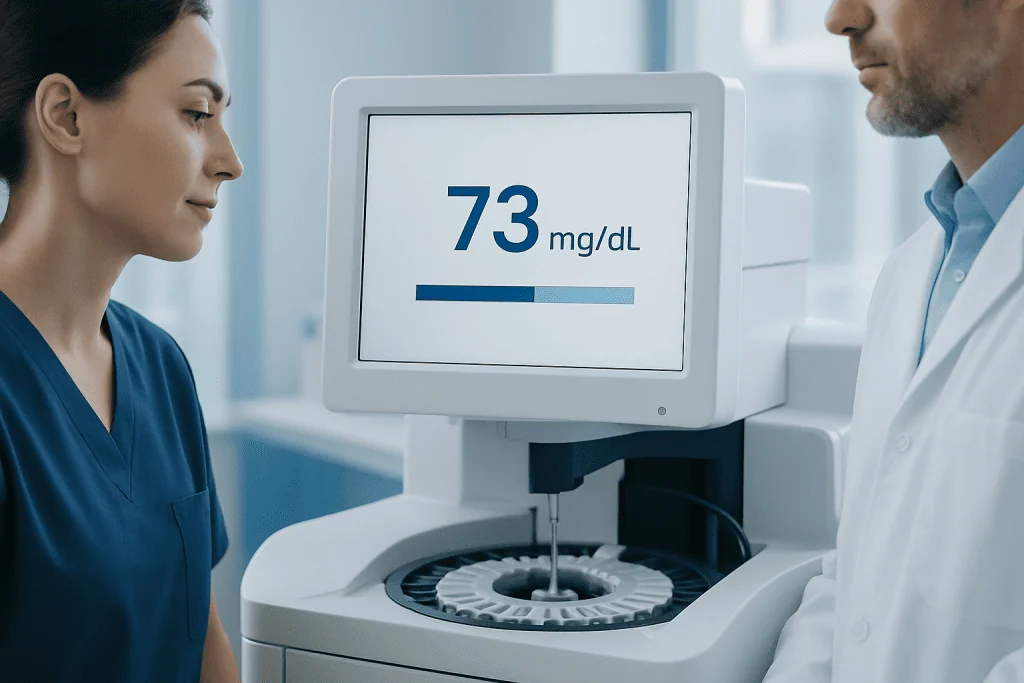
On many standard lipid panels, HDL cholesterol is measured in milligrams per deciliter (mg/dL). In general, an HDL level below 40 mg/dL in men or below 50 mg/dL in women is considered low. A level of 60 mg/dL or higher is commonly viewed as favorable or “higher” in a potentially protective way. Some laboratories may also report results in millimoles per liter (mmol/L), and the lab report’s own reference interval should always be checked.
Age, sex, hormones, body composition, and lifestyle can all influence HDL levels. Women often have somewhat higher HDL than men, partly due to hormonal differences. HDL values may also shift over time with menopause, weight changes, exercise habits, diet, alcohol intake, or treatment for cholesterol and metabolic conditions.
Most importantly, the medical meaning of a high HDL value depends on context. A mildly elevated HDL in a person with otherwise healthy lipids may simply be a normal finding. A very high HDL result, especially when paired with abnormal LDL or triglycerides, liver disease, heavy alcohol use, or a family pattern of unusual cholesterol results, may prompt a more detailed assessment rather than reassurance alone.
What can raise HDL cholesterol

Several everyday factors can raise HDL in a healthy way. Regular physical activity, weight loss when appropriate, stopping smoking, and choosing unsaturated fats instead of trans fats can all improve HDL levels. Some people naturally run higher HDL because of inherited differences in how their body handles cholesterol.
Alcohol can also raise HDL, but this does not mean alcohol should be used as a treatment. Any possible increase in HDL must be weighed against alcohol’s broader health risks. Certain medicines, including some lipid-lowering drugs and hormone-related treatments, may change HDL as well.
Less commonly, high HDL may be seen with conditions affecting the liver, thyroid, or cholesterol metabolism. If the level is unexpectedly high or rises without an obvious reason, clinicians may look for related findings on other blood tests. Because HDL is only one part of a lipid profile, the doctor may also evaluate LDL, total cholesterol, triglycerides, blood sugar, liver function, and thyroid status.
- Common influences: exercise, weight changes, smoking status, diet, genetics
- Possible medical influences: thyroid disorders, liver conditions, inherited lipid disorders
- Possible treatment influences: cholesterol medicines, hormone-related therapies, other prescribed drugs
When a high HDL result may or may not matter medically
In many cases, a high HDL result is not a problem that needs treatment by itself. If LDL cholesterol, triglycerides, blood pressure, and blood sugar are all well controlled, and there are no symptoms or concerning risk factors, a clinician may simply document the value and continue routine follow-up. The focus usually remains on overall cardiovascular prevention rather than trying to lower HDL.
Medical attention becomes more relevant when HDL is unusually high, changing significantly over time, or accompanied by other abnormal test results. For example, a person may still have substantial cardiovascular risk if HDL is high but LDL is also high, triglycerides are elevated, or there is known coronary artery disease. Family history also matters, especially if early heart attack, stroke, or inherited cholesterol disorders run in close relatives.
Researchers have learned that HDL is more complex than once thought. The protective effect depends not only on the amount of HDL in the blood, but also on how well HDL particles function. Routine blood tests do not directly measure HDL function, which is one reason doctors avoid relying on HDL alone to estimate risk.
How doctors interpret a high HDL result
A high HDL result is usually reviewed as part of the full lipid panel rather than as a standalone finding. Clinicians compare HDL with LDL cholesterol, non-HDL cholesterol, triglycerides, and total cholesterol. They also consider age, sex, blood pressure, diabetes status, smoking, kidney disease, inflammatory conditions, and family history of cardiovascular disease.
If the overall pattern suggests increased risk, additional evaluation may be recommended. This can include repeat lipid testing, assessment for secondary causes, and sometimes a more detailed heart risk review. In selected cases, clinicians may use imaging or other tests to clarify cardiovascular risk, especially when symptoms or multiple risk factors are present.
For people already being treated for lipid disorders, the main target is often LDL cholesterol reduction rather than changing HDL directly. Depending on the person’s risk profile, treatment may involve lifestyle measures and sometimes cholesterol-lowering treatment. If there is concern about broader heart health, evaluation may also connect with services involved in cardiology care.
What to do after a high HDL lab result
The first practical step is to review the result with the rest of the lipid panel and the lab’s reference range. A person should check whether the test was fasting or non-fasting, whether previous values were similar, and whether any recent lifestyle changes, new medicines, or weight changes could help explain the result. A single number is often less informative than the trend over time.
Self-care should focus on proven heart-healthy habits rather than trying to manipulate HDL alone. This includes regular physical activity, not smoking, maintaining a healthy weight, choosing a diet rich in vegetables, fruits, legumes, whole grains, and unsaturated fats, and following medical advice for blood pressure, diabetes, or LDL cholesterol. If another lipid value is abnormal, a clinician may advise repeat testing or a structured prevention plan.
When the pattern is unclear, doctors may investigate related conditions such as hyperlipidemia or inherited lipid disorders. Near the end of the evaluation pathway, some people may benefit from specialist review. Acibadem International’s multidisciplinary specialists in JCI-accredited hospitals diagnose and treat lipid disorders and cardiovascular risk factors for international patients when more detailed assessment is needed.
When to seek medical care
A person should arrange medical review if a high HDL result appears together with high LDL cholesterol, high triglycerides, diabetes, high blood pressure, obesity, kidney disease, thyroid symptoms, liver disease, or a strong family history of early heart disease. Follow-up is also sensible if the HDL level is much higher than previous results, if there has been a recent unexplained change, or if the lab report notes a marked abnormality.
Urgent medical care is not usually needed for a high HDL result by itself. However, immediate evaluation is important for symptoms that may suggest heart or circulation problems, such as chest pain, shortness of breath, fainting, sudden weakness, or severe unexplained discomfort. In those situations, symptoms matter far more than the HDL number alone.
If a clinician suspects an inherited or complex lipid condition, referral for specialist assessment may be recommended. Depending on the findings, a broader cardiovascular work-up or preventive treatment plan may be advised to reduce long-term risk rather than to treat HDL specifically.
Frequently asked questions
Is high HDL cholesterol a good thing?
Often, yes. HDL is commonly called “good” cholesterol, and a higher level is frequently associated with lower cardiovascular risk. Still, the result should be interpreted together with LDL, triglycerides, and the person’s overall health profile.
What level is considered high for HDL cholesterol?
In many labs, an HDL level of 60 mg/dL or higher is considered favorable or high. Exact reference ranges can vary by lab, sex, age, and reporting unit. The lab report and a clinician’s interpretation provide the most accurate context.
Can HDL be too high?
Very high HDL is not always automatically better. In some people it may reflect genetics, alcohol use, medications, or less common medical conditions. If the result is unusually high or does not fit the rest of the lipid profile, a doctor may look for an underlying explanation.
Should treatment aim to lower a high HDL result?
Usually not. Doctors typically do not treat high HDL itself unless there is a specific underlying cause that needs attention. The main focus is usually managing LDL cholesterol and overall cardiovascular risk.
What can make HDL cholesterol go up?
Regular exercise, stopping smoking, weight management, and some dietary improvements can increase HDL. Genetics, alcohol use, and certain medicines can also raise it. Sometimes thyroid, liver, or inherited lipid conditions play a role.
Does a high HDL level protect against heart disease completely?
No. A high HDL level does not cancel out other risks such as high LDL cholesterol, diabetes, smoking, high blood pressure, or family history. Heart risk is assessed by looking at the whole person, not one number alone.
References
- American Heart Association
- National Heart, Lung, and Blood Institute
- Centers for Disease Control and Prevention
- European Society of Cardiology
- MedlinePlus
This article is for general information only and is not a substitute for professional medical advice. Please consult a qualified doctor about your individual situation.
Heart care in Turkey — expert evaluation and treatment
JCI-accredited · board-certified surgeons · reply within 24h
Check your numbers in seconds
BMI, calories, due date, blood pressure and 30+ more clinical calculators — free, instant, doctor-reviewed ranges.