Butt Muscles: An Evidence-Based Guide for Patients

The butt muscles are three gluteal muscles that support posture, balance, and hip movement. Weak or irritated gluteal muscles can cause buttock pain, hip discomfort, low back strain, or changes in walking.
Key Takeaways
- The butt muscles are three gluteal muscles that support posture, balance, and hip movement.
- Weak or irritated gluteal muscles can cause buttock pain, hip discomfort, low back strain, or changes in walking.
- Common problems include overuse, muscle strain, tendinopathy, prolonged sitting, and poor movement patterns.
- Evaluation may include a physical exam and, when needed, imaging to look for tendon, hip, or spine-related causes.
- Treatment often includes activity changes, targeted exercise, pain relief strategies, and physical therapy.
- Persistent pain, weakness, numbness, or difficulty walking should be assessed by a qualified doctor.
Butt muscles are the gluteal muscles—gluteus maximus, gluteus medius, and gluteus minimus—that help the body stand, walk, climb, and keep the pelvis stable. When these muscles become tight, weak, or injured, they can contribute to pain in the buttock, hip, lower back, or even down the leg.
Overview: what the butt muscles do
The term butt muscles usually refers to the gluteal muscle group: the gluteus maximus, gluteus medius, and gluteus minimus. These muscles are not only important for body shape. More importantly, they help extend, rotate, and stabilize the hip, support the pelvis during walking, and transfer force between the trunk and legs.
The gluteus maximus is the largest and most powerful of the group. It helps with rising from a chair, climbing stairs, running, and moving the leg backward. The gluteus medius and minimus sit more to the side of the hip and play a major role in keeping the pelvis level during single-leg standing, walking, and balance activities.
Because the butt muscles work closely with the lower back, pelvis, hips, and hamstrings, symptoms in this area do not always come from one structure alone. A patient may feel pain, tightness, weakness, or burning in the buttock due to a muscle issue, a tendon problem, hip joint irritation, or a nerve-related condition such as sciatica. A careful assessment helps separate these possibilities and guide the right treatment.
Anatomy and why these muscles matter in daily life
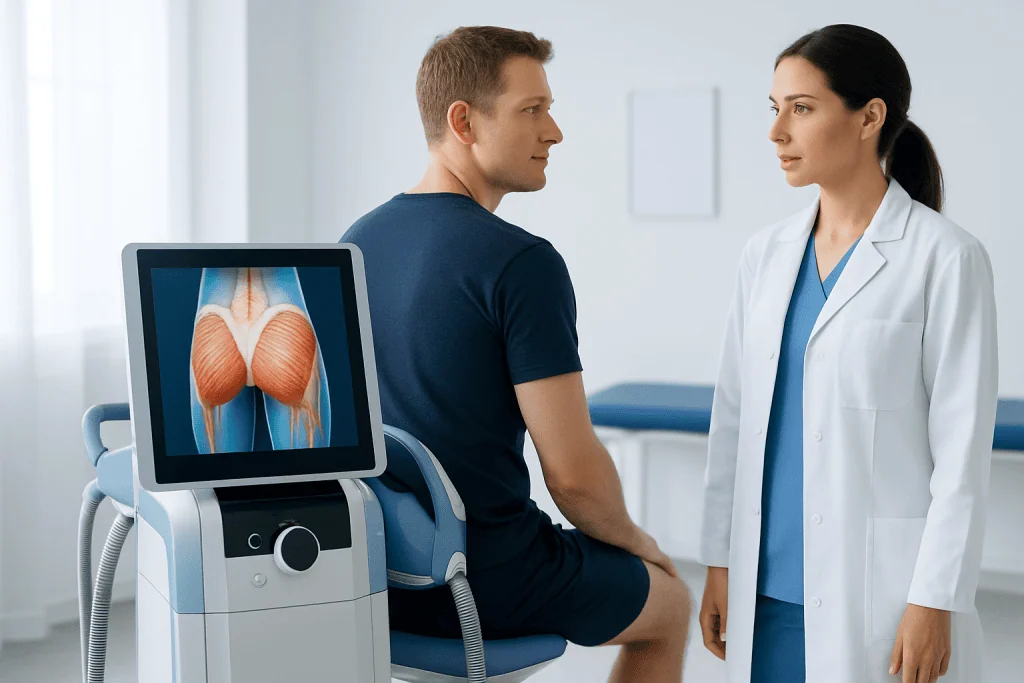
Each gluteal muscle has a slightly different job. The gluteus maximus generates power for standing up, climbing, jumping, and sprinting. The gluteus medius helps move the leg out to the side and stabilizes the pelvis when weight is on one leg. The gluteus minimus, the deepest of the three, assists with hip stabilization and controlled leg movement.
In everyday life, healthy butt muscles reduce unnecessary strain on surrounding areas. When they are functioning well, they help align the legs, improve walking efficiency, and reduce overload on the knees and lower back. When they are weak or poorly coordinated, other muscles may compensate, which can contribute to discomfort, reduced endurance, or balance problems.
These muscles also matter during recovery from injury and with aging. Good gluteal strength supports safer movement, better posture, and confidence with stairs or uneven ground. For this reason, butt muscle health is relevant not only to athletes but also to office workers, older adults, and anyone with hip or back symptoms.
Symptoms linked to butt muscle problems

Symptoms involving the butt muscles vary depending on the cause. Some people feel a deep ache in one buttock after exercise, while others notice side-hip pain, tenderness when lying on one side, or weakness when climbing stairs. The discomfort may come on suddenly after a strain or develop gradually with overuse, deconditioning, or long hours of sitting.
Common symptoms include localized soreness, stiffness after rest, pain when standing from sitting, reduced hip strength, or a feeling that the pelvis drops or the leg feels unstable. Some patients also notice symptoms during walking, running, squatting, or carrying weight on one side. If gluteal tendons are involved, pain may be more noticeable on the outer hip and upper buttock rather than in the center of the buttock itself.
Not all buttock pain is caused by muscle tissue. Nerve irritation can cause burning, tingling, numbness, or pain that travels down the leg. Hip joint disorders may cause groin pain together with buttock discomfort, and lower back conditions can refer pain to the gluteal area. This is why persistent or unexplained symptoms should not be self-diagnosed based on location alone.
- Deep buttock ache after activity
- Side-hip or upper buttock tenderness
- Weakness climbing stairs or standing on one leg
- Stiffness after sitting for long periods
- Pain that spreads to the thigh or leg
Common causes and risk factors
One of the most common causes of butt muscle pain is a muscle strain. This can happen after sprinting, lifting, sudden changes in direction, or returning to exercise too quickly. Strains may range from mild overstretching to partial tearing of the muscle fibers. Overuse can also irritate the tendons that connect gluteal muscles to the hip, especially in people who run, walk long distances, or have weakness in hip stabilizers.
Prolonged sitting is another frequent contributor. Long periods in a seated position can leave the gluteal muscles underused and tight, sometimes called “gluteal deconditioning.” Weak butt muscles may then place more stress on the hamstrings, lower back, or hip structures during movement. Poor exercise technique, rapid training progression, prior injury, and limited hip mobility can all add to the problem.
Other conditions can mimic or contribute to glute-related symptoms. These include bursitis around the hip, tendon disorders, lower back conditions, and degenerative joint problems such as hip arthritis. Risk may be higher in older adults, runners, people with sedentary jobs, and anyone with previous hip, back, or pelvic injury. A doctor may also consider whether pain could relate to referred pain from the spine or, less commonly, to inflammatory or systemic conditions.
How doctors diagnose butt muscle pain or weakness
Diagnosis starts with a detailed history. A clinician usually asks where the pain is felt, when it began, what activities make it better or worse, and whether there is associated numbness, limping, or low back pain. The pattern matters. Pain after a sudden effort may suggest strain, while gradual pain with walking or lying on one side may point more toward tendon-related problems.
A physical examination often includes checking tenderness, hip range of motion, gait, pelvic stability, muscle strength, and balance. Specific movement tests can help identify whether symptoms are more likely coming from the gluteal muscles, the tendons, the hip joint, or the lower spine. This step is important because treatment depends on the underlying cause rather than the symptom location alone.
Imaging is not always necessary for mild symptoms, but it may be used when pain is severe, persistent, or diagnostically unclear. Ultrasound or MRI can show muscle or tendon injury, while X-rays can help assess bone and joint problems. If symptoms suggest a significant joint issue or another structural cause, the doctor may recommend MRI scanning or a specialist assessment in orthopedics or rehabilitation medicine.
Treatment options and recovery
Treatment depends on the diagnosis and symptom severity. For many mild or moderate gluteal problems, early care includes temporary activity modification, avoiding movements that sharply worsen pain, and gradually restoring normal function. Simple supportive measures such as relative rest, gentle mobility, and clinician-guided pain relief strategies are often enough for uncomplicated strain or overuse.
Exercise-based rehabilitation is central to recovery. A physical therapist may focus on rebuilding hip stability, improving gluteal strength, correcting movement patterns, and reducing overload on the lower back or knees. Programs are usually progressive and individualized. They may start with low-load activation and advance toward step-ups, bridges, balance work, and functional strengthening as symptoms improve. In some cases, structured physical therapy and rehabilitation helps patients return to walking, sport, and daily activities more safely.
When symptoms are linked to joint degeneration, spine-related pain, or more persistent tendon disease, treatment may also address the underlying condition. This can include broader musculoskeletal evaluation, tailored rehabilitation, and sometimes image-guided or specialist interventions. If buttock symptoms are part of a wider hip problem, a doctor may discuss options that relate to hip replacement in selected advanced cases, although surgery is not a routine treatment for simple butt muscle pain. Acibadem International’s multidisciplinary specialists and JCI-accredited hospitals also evaluate and treat hip, spine, and soft tissue conditions for international patients.
Prevention and self-care
Prevention focuses on consistent movement, gradual loading, and balanced strength. Regular walking, resistance exercise, and mobility work can help keep the butt muscles active and supportive. For people who sit for long periods, standing up frequently and changing position throughout the day may reduce stiffness and deconditioning.
Exercise progression matters. Sudden increases in running, stair climbing, or heavy lower-body training can overload tissues that are not yet prepared. Warming up before exercise, paying attention to technique, and allowing time for recovery can lower the risk of strain. A therapist or trainer may help identify weaknesses in hip stability, single-leg balance, or trunk control that contribute to repeated symptoms.
At home, patients should be cautious about aggressive stretching if it worsens pain, especially if nerve irritation is possible. Gentle strengthening and symptom-guided activity are usually more helpful than forcing painful movements. If pain lasts more than a few weeks, returns repeatedly, or interferes with walking or sleep, it is reasonable to seek professional advice rather than trying to exercise through it.
- Take movement breaks during long sitting periods
- Increase exercise intensity gradually
- Include hip and core strengthening in routine activity
- Use proper form during squats, lunges, and lifting
- Seek assessment for persistent or recurring symptoms
When to seek medical care
Many cases of mild butt muscle soreness improve with rest, activity adjustment, and gradual exercise. Medical care is more important when symptoms are intense, follow a clear injury, or do not improve over time. A prompt evaluation can help identify whether the source is muscular, tendon-related, spinal, or joint-related.
A patient should seek medical attention if there is severe pain, marked swelling, inability to bear weight, significant weakness, or pain that persists despite self-care. Numbness, tingling, loss of bladder or bowel control, fever, or unexplained weight loss are also warning signs that need urgent assessment because they may point to causes beyond a simple muscle problem.
People with ongoing hip stiffness, nighttime pain, repeated limping, or symptoms that limit work, sleep, or exercise may benefit from a more complete musculoskeletal evaluation. In these situations, diagnosis may involve rehabilitation specialists, orthopedics, neurology, or imaging depending on the clinical picture.
Frequently asked questions
What are the butt muscles called?
The butt muscles are called the gluteal muscles. They include the gluteus maximus, gluteus medius, and gluteus minimus, which work together to move and stabilize the hip and pelvis.
Can weak butt muscles cause back or hip pain?
Yes. When the gluteal muscles are weak or not working efficiently, other areas such as the lower back, hips, or knees may take on extra strain. This does not mean weak glutes are the only cause, but they can contribute to discomfort and movement problems.
Why do my butt muscles hurt after sitting for a long time?
Long periods of sitting can make the gluteal area feel stiff, sore, or underactive. Sitting may also irritate nearby structures and sometimes worsens nerve-related pain, so persistent symptoms should be assessed if they do not improve with movement and posture changes.
How do doctors tell butt muscle pain from sciatica?
Doctors use the symptom pattern, physical examination, and sometimes imaging to distinguish the cause. Muscle-related pain is often localized and triggered by specific movements, while sciatica more often causes burning, tingling, numbness, or pain traveling down the leg.
Do butt muscle injuries always need imaging?
No. Many mild strains or overuse problems can be diagnosed clinically and improve with conservative care. Imaging is more likely when pain is severe, lasts longer than expected, affects walking, or when the diagnosis is uncertain.
What helps butt muscles recover safely?
Relative rest, gradual return to activity, and guided strengthening are usually the main steps. Recovery is often better when patients avoid pushing through sharp pain and follow a plan that improves hip stability, strength, and movement control.
References
- American Academy of Orthopaedic Surgeons
- National Institute of Arthritis and Musculoskeletal and Skin Diseases
- American Physical Therapy Association
- MedlinePlus
- Mayo Clinic
This article is for general information only and is not a substitute for professional medical advice. Please consult a qualified doctor about your individual situation.
Explore treatments in Turkey — costs, top hospitals & a free quote
JCI-accredited · board-certified surgeons · reply within 24h