

Ileostomy Bag — Explained by Medical Evidence, Not Myths

An ileostomy bag collects stool from a stoma after ileostomy surgery. Ileostomies may be temporary or permanent, depending on the reason for surgery.
Key Takeaways
- An ileostomy bag collects stool from a stoma after ileostomy surgery.
- Ileostomies may be temporary or permanent, depending on the reason for surgery.
- Good pouch fit and skin care help prevent leaks and irritation.
- People with an ileostomy may need to pay closer attention to hydration and salt balance.
- Medical review is important for severe skin problems, high-output stoma, blockage symptoms, or changes in the stoma.
An ileostomy bag is a pouch worn over a surgically created opening in the abdomen called a stoma. It collects waste when the small intestine is redirected to the abdominal wall, and with the right fit, skin care, and support, many people adapt well to daily life with it.
Overview: what an ileostomy bag is
An ileostomy bag is a medical pouch that collects waste from an opening in the abdomen called a stoma. The stoma is created during ileostomy surgery, when part of the small intestine, usually the ileum, is brought to the skin surface so stool can leave the body without passing through the colon and rectum.
Because stool from the small intestine is usually more liquid and contains digestive enzymes, an ileostomy bag is designed to attach securely to the skin and protect it from irritation. The system may be a one-piece or two-piece appliance, and the best option depends on the person’s body shape, stoma type, skin sensitivity, and personal preference.
An ileostomy may be temporary, such as after bowel surgery that needs time to heal, or permanent when the colon or rectum cannot be used safely. The bag itself is not the illness or the treatment goal; it is a practical device that helps the body function after surgery and allows daily life to continue.
Why someone may need an ileostomy
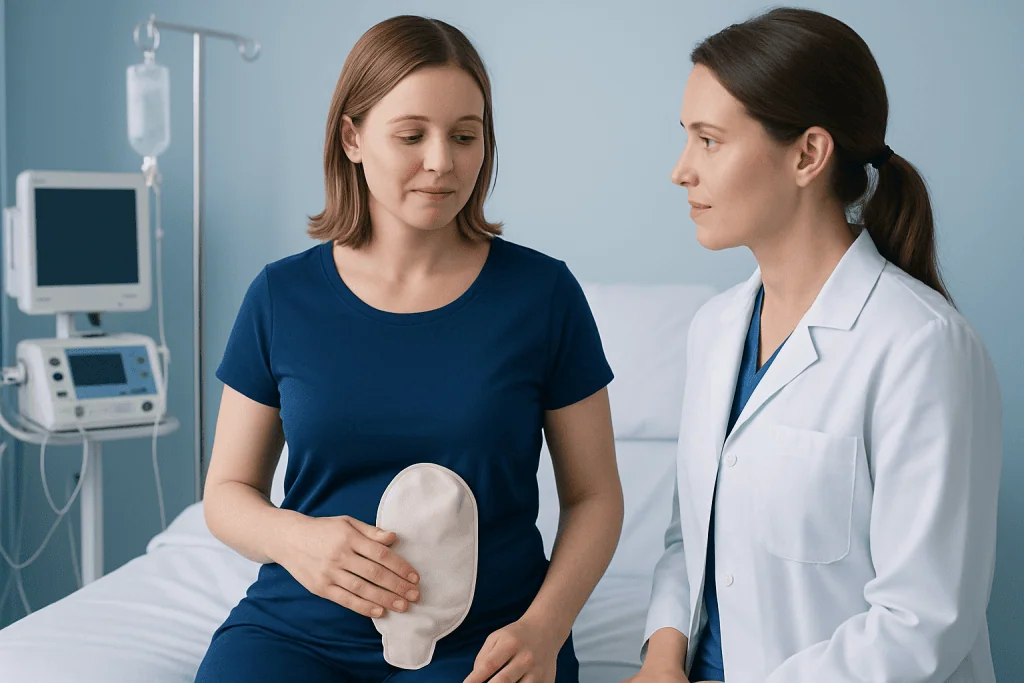
An ileostomy is performed for several medical reasons. Common indications include inflammatory bowel disease, especially Crohn’s disease or ulcerative colitis, bowel injury, bowel obstruction, inherited conditions affecting the colon, and cancers involving the lower digestive tract. In some people, the ileostomy protects a healing section of bowel after an operation.
The need for an ileostomy bag depends on the type of surgery. A loop ileostomy is often temporary and may later be reversed. An end ileostomy is more often permanent, although the long-term plan varies from one patient to another.
For people with chronic digestive disease, surgery may be considered when symptoms are severe, complications develop, or medical treatment is not enough. Conditions such as Crohn’s disease or ulcerative colitis can sometimes lead to operations that include an ileostomy.
Understanding the reason for surgery can reduce fear and confusion. An ileostomy bag is not a sign of failure or poor health choices; it is a medically established way to restore bowel function, protect healing tissues, or improve quality of life when the bowel cannot work normally.
How an ileostomy bag works in daily life
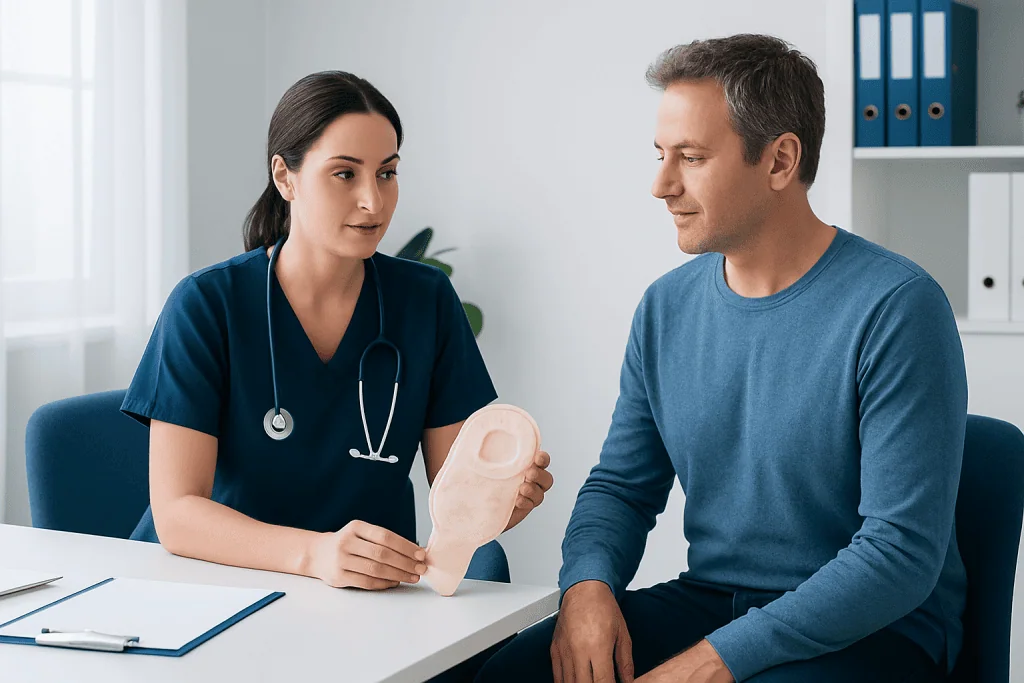
The stoma has no muscle to control when stool passes, so waste empties into the pouch continuously or at intervals throughout the day. Most people empty the bag when it is partly full rather than waiting until it becomes heavy. This helps reduce leaks, pulling on the skin, and discomfort.
Ileostomy pouching systems usually include a skin barrier, also called a wafer or baseplate, and a pouch. Some pouches are drainable and can be emptied and reused for a short period before changing; others are designed for different wearing schedules. A stoma nurse usually teaches how to measure the stoma, cut the barrier opening if needed, and create a secure seal.
People often worry that the bag will be obvious, smell, or prevent normal activities. In practice, modern appliances are discreet and odor-resistant when sealed properly. Many people can return to walking, work, travel, social activities, and intimacy after recovery, though it may take time to build confidence.
Diet, hydration, and bowel output can affect how the system behaves. Ileostomy output tends to be looser than normal stool because the colon, which usually absorbs water, is bypassed or removed. This is why stoma care involves not only the pouch but also attention to fluids, electrolytes, and changes in output.
Common concerns, myths, and practical realities
Many myths about an ileostomy bag come from misunderstanding. One common myth is that a person cannot live actively with one. In reality, many people resume exercise, travel, swimming, and routine work after healing, though they may need practical adjustments such as supportive clothing, extra supplies, or guidance about lifting during recovery.
Another myth is that everyone with an ileostomy has the same experience. Output volume, skin sensitivity, diet tolerance, and pouch wear time can vary widely. A well-fitting appliance that works for one person may not be right for another, which is why individualized support matters.
Concerns about eating are also common. There is rarely a single strict “ileostomy diet” for everyone, but some foods may be introduced gradually after surgery. Patients are often advised to chew well, stay hydrated, and learn which foods affect gas, odor, or output. If output becomes very high or symptoms suggest blockage, a clinician should advise on the next steps.
Body image and emotional adjustment are real parts of recovery. Feeling uncertain, embarrassed, or frustrated at first is common and does not mean a person will not adapt. Education, follow-up with a stoma care nurse, and support from family or patient groups can make adjustment easier.
Care, skin protection, and hydration
Healthy skin around the stoma should look much like the skin elsewhere on the abdomen. Redness, burning, rash, weeping, or pain often means output is leaking onto the skin, the opening in the barrier is not fitted well, or the skin is reacting to products. Early attention usually prevents small issues from becoming harder to manage.
Basic ileostomy care includes gently cleaning the skin with warm water, drying the area well, and applying the pouching system so it seals closely around the stoma. Specialized rings, powders, or barrier products may help in some cases, but they should be used as advised by a clinician or stoma nurse.
Hydration deserves special attention. Since the colon normally helps absorb water and salts, people with an ileostomy can lose more fluid than expected, especially during hot weather, stomach illness, or periods of high output. Signs of dehydration may include thirst, dizziness, weakness, dry mouth, or reduced urination.
- Empty the bag before it becomes too full.
- Check the skin each time the appliance is changed.
- Drink fluids regularly and ask a clinician about the best hydration plan.
- Seek advice if output rises suddenly or remains very watery.
- Keep spare supplies available at home and when traveling.
Diagnosis, follow-up, and treatment options for problems
The ileostomy itself is created during surgery, but ongoing care includes regular follow-up to check stoma health, nutrition, hydration, and the fit of the appliance. A doctor may review symptoms, examine the stoma and surrounding skin, and ask about output, leakage, diet, and quality of life. Blood tests may be used if dehydration, electrolyte imbalance, anemia, or inflammation is suspected.
Not every problem is caused by the bag. Skin irritation may come from leakage, fungal infection, allergy, or friction. A swollen stoma, bulge near the stoma, narrowing, reduced output, or cramping may suggest issues such as hernia, blockage, or stenosis. Management depends on the cause and may range from appliance changes to medical treatment or surgery.
If the ileostomy was intended to be temporary, the surgical team may later assess whether reversal is possible. This decision depends on healing, the underlying disease, overall health, and imaging or endoscopic findings. In some cases, related digestive evaluations and procedures such as colonoscopy or gastroenterology care may be part of broader follow-up.
When surgery is needed for bowel disease, treatment plans are usually multidisciplinary. This may involve colorectal surgeons, gastroenterologists, dietitians, stoma care nurses, and radiology specialists. For selected patients, evaluation in services such as general surgery can help clarify whether revision, reversal, or management of complications is appropriate.
Living well with an ileostomy
Daily life with an ileostomy often becomes more routine with time. Planning ahead can reduce stress: keeping spare pouches and skin barriers nearby, wearing clothing that feels comfortable around the stoma, and learning how different meals affect output. Most people develop a personal routine that makes care faster and more predictable.
Travel is usually possible with preparation. Carrying extra supplies in hand luggage, protecting products from heat, and staying hydrated are sensible steps. During exercise, many people benefit from gradually increasing activity after medical clearance and using support garments if recommended.
Nutrition advice should be individualized. Some people tolerate a wide variety of foods, while others need temporary adjustments after surgery. A doctor or dietitian may advise on hydration solutions, salt intake, or foods more likely to thicken or loosen output. Sudden or major diet changes are best discussed with a professional.
For international patients seeking coordinated evaluation, Acibadem International’s multidisciplinary specialists and JCI-accredited hospitals diagnose and treat digestive conditions that may lead to ileostomy formation, with care tailored to the individual’s medical needs.
When to seek medical care
Medical advice should be sought promptly if there are signs that the stoma or bowel may not be working normally. Concerning symptoms include no output for several hours together with cramping, nausea, vomiting, or abdominal swelling, especially if these symptoms are worsening. A sudden major increase in watery output can also lead to dehydration and needs attention.
Professional review is also important for ongoing leakage, painful or bleeding skin around the stoma, a stoma that changes color, marked swelling, a new bulge near the stoma, fever, or persistent weakness. While small variations can happen, noticeable changes should not be ignored.
Anyone with dizziness, faintness, very dark urine, or trouble keeping fluids down should contact a clinician urgently, as these can be signs of dehydration. If there is severe abdominal pain, repeated vomiting, or the stoma appears dark, pale, or suddenly very different, urgent medical assessment is recommended.
Frequently asked questions
Is an ileostomy bag permanent?
Not always. Some ileostomies are temporary and are created to protect the bowel while it heals after surgery, while others are permanent when the colon or rectum cannot be restored to normal function. The surgeon determines this based on the underlying condition and the type of operation performed.
How often does an ileostomy bag need to be emptied or changed?
A drainable ileostomy bag is usually emptied when it is partly full to help prevent leaks and discomfort. The full pouching system is changed on a schedule that varies by product, skin type, and stoma shape. A stoma care nurse can help establish the safest routine.
Can a person shower or swim with an ileostomy bag?
Yes. Many people shower and swim safely with an ileostomy once the surgical area has healed and the pouching system fits well. Water itself does not usually harm the stoma, but it is important to check that the seal remains secure afterward.
What foods should be avoided with an ileostomy?
There is no single list that applies to everyone. After surgery, some foods may need to be introduced gradually, and it often helps to chew well and monitor how foods affect gas, output, and comfort. A doctor or dietitian can give personalized advice, especially if there is high output or concern about blockage.
What does normal ileostomy output look like?
Ileostomy output is usually looser and more liquid than typical stool because the colon is bypassed or removed. The amount and consistency can vary with diet, illness, and hydration. A clinician should review sudden changes, especially very high watery output or little to no output with pain.
Can the skin around the stoma become irritated?
Yes, and it is one of the most common practical issues. Irritation often happens when output leaks onto the skin or the pouch opening does not fit closely enough around the stoma. Early review by a stoma nurse or doctor can usually improve comfort and prevent worsening.
References
- National Institute of Diabetes and Digestive and Kidney Diseases
- American College of Surgeons
- United Ostomy Associations of America
- National Health Service
- Crohn's & Colitis Foundation
This article is for general information only and is not a substitute for professional medical advice. Please consult a qualified doctor about your individual situation.
Persistent digestive symptoms? Get evaluated in Turkey
JCI-accredited · board-certified surgeons · reply within 24h

More from the Health Library



Related Specialists

Dt. Büşra Sevinç
Oral and Dental Health
Prof. Dr. Murat Yayla
Gynecology & Obstetrics
Prof. Dr. Umut Yavuz
Orthopedic Surgery & Traumatology
Dr. Elif Külahçı Aslan
Gynecology & Obstetrics