Rpr Blood Test: What Your Results Mean and When to Act

The rpr blood test is a screening test for syphilis, not a stand-alone final diagnosis. A nonreactive result is generally normal, but very early infection can still be missed.
Key Takeaways
- The rpr blood test is a screening test for syphilis, not a stand-alone final diagnosis.
- A nonreactive result is generally normal, but very early infection can still be missed.
- A reactive result does not automatically mean active syphilis; confirmatory treponemal testing is usually required.
- RPR titers help clinicians estimate disease activity and monitor response after treatment.
- Pregnancy, symptoms, sexual exposure history, and prior treatment all affect how results are interpreted.
- Anyone with symptoms, recent exposure, or a reactive result should discuss next steps with a qualified doctor.
An rpr blood test is a screening test for syphilis, a sexually transmitted infection caused by the bacterium Treponema pallidum. A nonreactive result is often reassuring, while a reactive result usually means more testing is needed to confirm whether syphilis is present and whether treatment or follow-up is necessary.
Overview: what the RPR blood test checks
The rpr blood test is a blood screening test used to look for signs of syphilis. It does not detect the syphilis bacterium directly. Instead, it measures antibodies the body may produce in response to cell damage linked with syphilis infection. Because of this, the test is useful for screening and follow-up, but it is usually not enough on its own to make a final diagnosis.
The result is often reported first as nonreactive or reactive. A nonreactive result usually means no evidence of syphilis was found at the time of testing. A reactive result means the test found antibodies that can be seen with syphilis, but confirmation is needed because other conditions can sometimes cause a positive screening result.
Clinicians may also report a titer, written as a ratio such as 1:2, 1:8, 1:32, or higher. In general, higher titers can suggest more active disease, while falling titers after treatment often suggest the infection is responding. The exact meaning depends on the person’s symptoms, stage of infection, pregnancy status, past treatment, and other laboratory findings.
How to read RPR blood test results
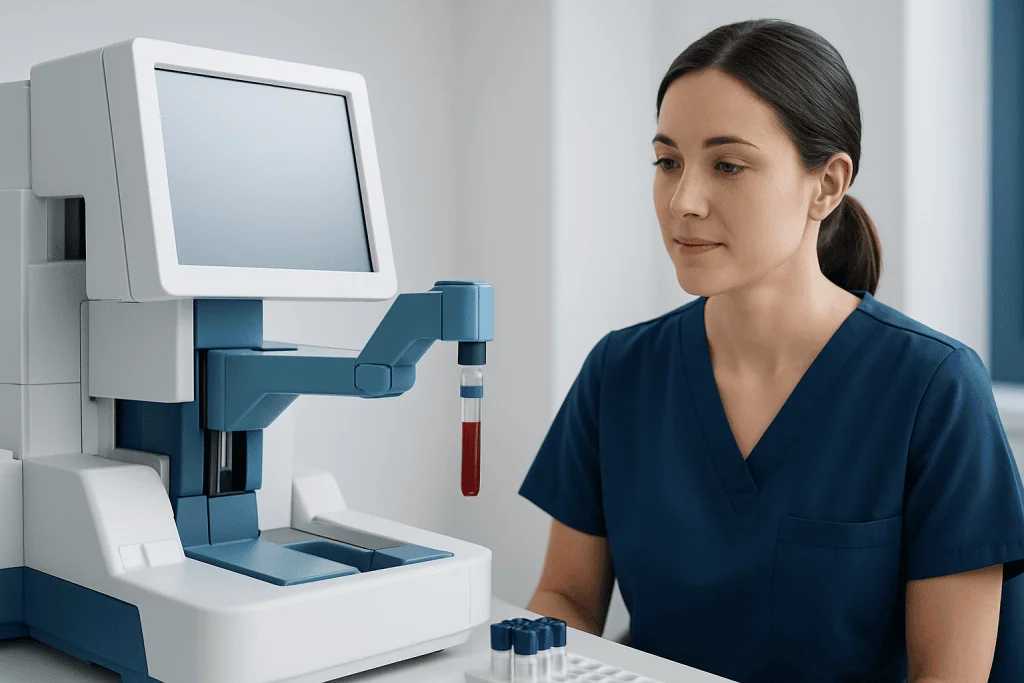
The headline finding comes first: nonreactive is the usual reference result, while reactive means follow-up is needed. Unlike tests such as cholesterol or glucose, there is not a single normal numeric range for everyone. Instead, interpretation focuses on whether the screen is reactive and, if so, how strong the titer is.
Context matters. Early infection may not yet produce enough antibodies to be detected, so a person with a recent exposure can still have a nonreactive result. Pregnancy, autoimmune disorders, some viral infections, older age, and certain chronic medical conditions can occasionally lead to a false-positive reactive result. For that reason, doctors usually pair the RPR with a treponemal confirmatory test.
A result becomes medically meaningful when it matches the clinical picture. For example, a reactive RPR in someone with a genital sore, rash on the palms or soles, or a recent exposure strongly raises concern for syphilis. In contrast, a low-level reactive result in someone without symptoms and with low risk may need careful confirmation before any diagnosis is made. If someone was treated in the past, the titer trend over time is often more important than a single number.
- Nonreactive: usually no evidence of infection at testing, though very early infection can be missed.
- Reactive: antibodies were detected; confirmation is needed.
- Higher titer: may reflect more active infection, depending on stage and history.
- Falling titer after treatment: often suggests treatment response.
- Persistently low titer: may occur in some people even after successful treatment.
Why the test is ordered and who may need it

Doctors order the RPR blood test when syphilis is suspected, when a person has symptoms, or as part of routine screening in certain situations. Typical symptoms that may prompt testing include a painless sore, body rash, swollen lymph nodes, mouth lesions, or neurologic symptoms in more advanced disease. Syphilis can also be silent for long periods, which is why screening matters even when a person feels well.
Testing is commonly recommended during pregnancy because untreated syphilis can affect the baby. It may also be advised after a sexual exposure, in people with multiple partners, in those diagnosed with another sexually transmitted infection, or when HIV infection is present. In some cases, it is part of preoperative or general health screening depending on the clinical setting.
Because syphilis belongs to the broader group of sexually transmitted diseases, doctors often consider the RPR blood test alongside other STI tests. When symptoms involve sores, rashes, or unusual genital findings, a clinician may also evaluate for other causes and decide whether repeat testing is needed if the first result was obtained too early after exposure.
What can affect the result
The RPR test can be influenced by the timing of infection. After exposure, the body needs time to develop detectable antibodies. If testing happens too soon, the result may be nonreactive even when infection is present. That is why repeat testing may be advised if symptoms continue or exposure was recent.
False-positive reactive results can occur. These are uncommon, but they may be seen with pregnancy, autoimmune conditions such as lupus, some viral infections, recent vaccinations, substance use disorders, or older age. A reactive screen should therefore be confirmed with a more specific treponemal test before a diagnosis is finalized.
Past treatment can also affect interpretation. Some people continue to have a low-level reactive RPR for a long time after treatment, a pattern sometimes called a serofast state. This does not always mean active infection. Doctors usually compare current and previous titers, review symptoms, and assess whether there has been a fourfold rise or fall, which is often more useful than looking at one isolated result.
How syphilis is confirmed and what other tests may be used
If the RPR blood test is reactive, the next step is usually a treponemal test, such as TP-PA or another specific antibody test for syphilis. The combination of a reactive nontreponemal test like RPR and a positive treponemal test provides stronger evidence for infection. In some laboratories, the order may be reversed, but the principle is the same: screening and confirmation work together.
Additional evaluation depends on symptoms and stage. If there are neurologic, eye, or hearing symptoms, a doctor may recommend more specialized assessment. If a sore is present, direct testing of the lesion may sometimes help. Other STI tests are also commonly discussed because coinfection can occur. Patients who need broader evaluation for syphilis or related infections may be guided through a full sexual health assessment.
When symptoms affect the brain, nerves, or spinal fluid, specialized investigations may be needed beyond routine blood work. If a clinician is concerned about involvement of the nervous system, this can lead to referral for advanced care and, in selected cases, procedures such as lumbar puncture to examine cerebrospinal fluid. The exact plan depends on the person’s symptoms and exam findings.
Treatment and follow-up after a reactive result
Syphilis is treatable, and early treatment is important. The usual treatment is antibiotic therapy chosen according to the stage of infection, pregnancy status, allergy history, and whether there is any concern for neurologic involvement. A doctor will explain the most appropriate option and whether partners should also be evaluated and treated.
The RPR blood test is valuable after treatment because titers can be tracked over time. In many people, the titer decreases in the months following successful treatment. Doctors often repeat testing at set intervals to confirm the titer is moving in the expected direction. If it does not fall as expected, or if it rises again, further evaluation may be needed.
Follow-up is especially important in pregnancy and in people with HIV, because management may need closer monitoring. In selected situations, treatment planning may involve specialists in infectious diseases, obstetrics, neurology, or internal medicine. If broader inpatient or multidisciplinary assessment is required, options such as infectious diseases care or comprehensive check-up may be part of the evaluation. Near the end of the care pathway, some international patients may choose centers such as Acibadem International, where multidisciplinary specialists in JCI-accredited hospitals diagnose and treat this condition.
Prevention and self-care
The most effective way to reduce the risk of syphilis is to use safer sex practices and have regular screening when recommended. Condoms lower the risk, although they do not fully protect against sores or rashes outside the area covered. Open communication with partners and timely testing after a possible exposure can help detect infection earlier.
If a person receives a reactive result, it is wise to avoid sexual contact until a doctor explains the result and, if needed, treatment has been completed and follow-up guidance has been given. Sexual partners may need testing and treatment even if they have no symptoms. This helps prevent reinfection and lowers the chance of further spread.
Self-care also means following up as advised, keeping copies of prior test results when possible, and asking whether repeat testing is needed. People should not try to interpret a titer in isolation without medical guidance. Because syphilis can resemble many other conditions, a clinician’s review of symptoms, timing, and risk factors is essential.
When to seek medical care
Medical care should be sought promptly if there is a new genital, oral, or anal sore; an unexplained rash, especially on the palms or soles; swollen glands; or symptoms after a sexual exposure. Pregnant patients should contact their obstetric clinician promptly about any positive or uncertain result, because timely treatment protects both parent and baby.
Urgent medical attention is important for eye pain, vision changes, hearing changes, severe headache, confusion, weakness, numbness, or difficulty with balance, as these symptoms may suggest more serious involvement that needs immediate evaluation. A person should also contact a doctor if they were treated previously but their follow-up test is still reactive or their titer appears to be rising.
Even when there are no symptoms, a recent high-risk exposure or a partner’s diagnosis is a good reason to arrange testing. A qualified clinician can decide whether the result is reassuring, whether repeat testing is needed because of timing, and whether confirmation or treatment should be started.
Frequently asked questions
What does a nonreactive RPR blood test mean?
A nonreactive result usually means the test did not find antibodies associated with syphilis at the time of testing. However, if exposure was very recent, the body may not yet have produced enough antibodies to be detected, so a doctor may recommend repeat testing.
Does a reactive RPR mean someone definitely has syphilis?
No. A reactive RPR is a screening result, not a final diagnosis. Doctors usually order a more specific treponemal test to confirm whether syphilis is truly present.
What is an RPR titer, and why does it matter?
An RPR titer is a measurement reported as a ratio, such as 1:8 or 1:32, that helps estimate the strength of the reaction. It is especially useful for monitoring treatment over time, because falling titers often suggest improvement.
Can the RPR blood test be wrong?
Yes. A false-negative result can happen very early in infection, and a false-positive result can occasionally occur because of pregnancy, autoimmune disease, or certain infections and other health conditions. That is why doctors interpret the result together with symptoms, exposure history, and confirmatory testing.
How soon after exposure should someone be tested?
There is no single timing that fits every situation because the test may stay nonreactive early on. If there has been a recent exposure, a clinician may recommend testing now and repeating it later if symptoms develop or if the first result may have been too early.
Can someone still have a reactive RPR after treatment?
Yes. Some people continue to have a low-level reactive result for a long time even after successful treatment. Doctors usually look at whether the titer is falling as expected rather than expecting it to become completely nonreactive right away.
References
- Centers for Disease Control and Prevention
- World Health Organization
- U.S. Preventive Services Task Force
- American College of Obstetricians and Gynecologists
- MedlinePlus
This article is for general information only and is not a substitute for professional medical advice. Please consult a qualified doctor about your individual situation.
Explore treatments in Turkey — costs, top hospitals & a free quote
JCI-accredited · board-certified surgeons · reply within 24h
Check your numbers in seconds
BMI, calories, due date, blood pressure and 30+ more clinical calculators — free, instant, doctor-reviewed ranges.

More from the Health Library



Related Specialists

Dr. Zehra Filiz Gündoğan Turan
Anesthesiology
Prof. Dr. Melih Bozkurt
Neurosurgery
Prof. Dr. Metin Türkmen
Orthopedic Surgery & Traumatology
Pedagog Seren Öztoprak Kılıç
Pedagogy