

Mastodynia: A Complete Medical Overview

Mastodynia is the medical term for breast pain and may be cyclical or noncyclical. Most breast pain is not caused by breast cancer, but new or persistent symptoms still need medical assessment.
Key Takeaways
- Mastodynia is the medical term for breast pain and may be cyclical or noncyclical.
- Most breast pain is not caused by breast cancer, but new or persistent symptoms still need medical assessment.
- Evaluation may include a breast exam and imaging such as ultrasound or mammography, depending on age and symptoms.
- Treatment depends on the cause and may include supportive measures, lifestyle changes, and targeted medical care.
- A prompt review is important if breast pain occurs with a lump, skin changes, nipple discharge, or fever.
Mastodynia means breast pain. It is a common symptom that is often related to hormonal changes, muscle strain, or benign breast conditions, but a medical evaluation is important when pain is persistent, unusual, or accompanied by other breast changes.
What is mastodynia?
Mastodynia is the medical term for pain or discomfort in the breast. The pain may be mild or more noticeable, may affect one breast or both, and may be felt as tenderness, heaviness, burning, aching, or sharp discomfort. For many people, it is temporary and related to normal hormonal changes, while for others it may come from the chest wall, breast tissue, or an underlying breast condition.
Clinicians often separate mastodynia into two broad patterns. Cyclical breast pain follows the menstrual cycle and often becomes more noticeable before a period. Noncyclical breast pain does not follow a clear monthly pattern and may be linked to cysts, inflammation, injury, muscle strain, prior surgery, or sometimes pain referred from the ribs or chest wall rather than the breast itself.
Although breast pain can be worrying, it is important to know that mastodynia is common and is not usually a sign of breast cancer. Still, pain should not be ignored if it is new, persistent, focused in one area, or associated with other symptoms. A proper assessment helps identify the cause and guides the most appropriate treatment plan.
How mastodynia feels and common symptom patterns
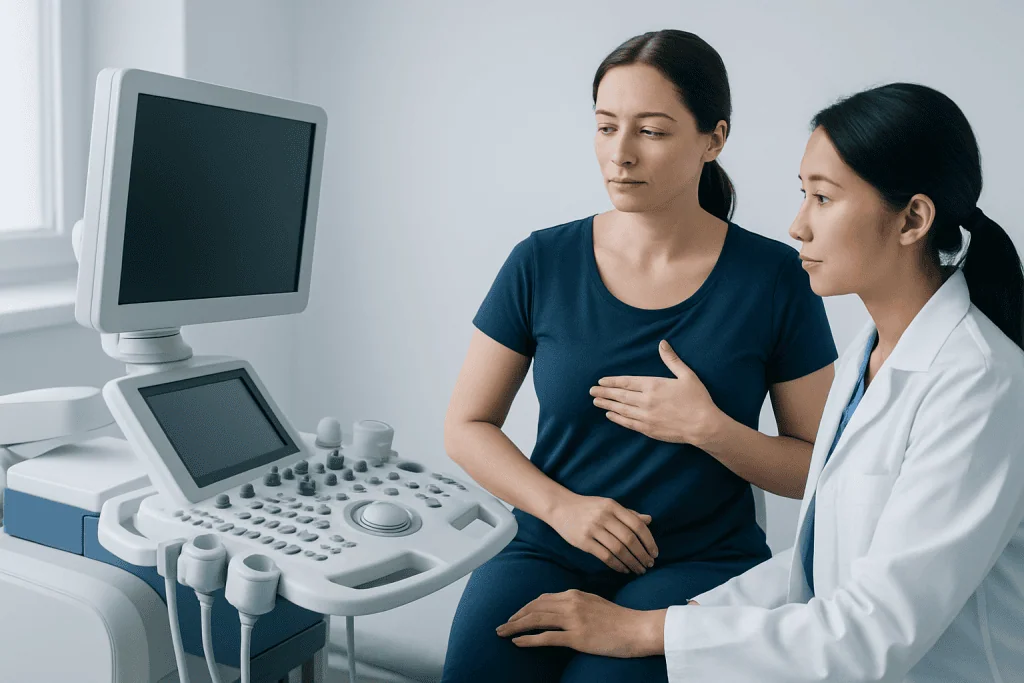
The way mastodynia feels varies from person to person. Some describe a dull ache or fullness, while others notice soreness to touch, stabbing pain, or a burning feeling. The discomfort may involve the whole breast, the upper outer area, the nipple region, or a very specific spot. In some cases, the sensation spreads into the underarm or the chest wall.
Cyclical mastodynia often affects both breasts and tends to worsen in the days before menstruation, then improve afterward. It may be accompanied by a feeling of lumpiness or swelling related to hormonal changes in the breast tissue. Noncyclical mastodynia is more likely to affect one breast or one localized area and may come and go or remain more constant over time.
Other symptoms may help point to the cause. Examples include breast swelling, a palpable lump, skin redness, warmth, nipple discharge, or tenderness along the ribs and muscles beneath the breast. These additional features are important because they help distinguish breast pain from conditions such as breast cancer or infections that need prompt attention.
- Tenderness or heaviness in one or both breasts
- Pain linked to the menstrual cycle
- Localized pain in a single area
- Burning, stabbing, or aching discomfort
- Pain with swelling, redness, or nipple changes
Causes and risk factors

Mastodynia has many possible causes. Hormonal fluctuation is one of the most common reasons, especially in cyclical pain. Changes in estrogen and progesterone can make breast tissue feel swollen, sensitive, or lumpy at certain times in the month. Perimenopause can also bring changing pain patterns because hormone levels become less predictable.
Noncyclical pain may come from benign breast conditions such as cysts, fibroadenomas, duct changes, or inflammation. Infections such as mastitis can cause pain together with redness, warmth, and fever, particularly during breastfeeding. Pain may also arise after trauma, surgery, or procedures involving the breast. Some people feel breast-area pain that is actually coming from the muscles, ribs, or joints of the chest wall.
Several factors can increase the likelihood of mastodynia or make it more noticeable. These include emotional stress, poor bra support, vigorous exercise, chest muscle strain, and certain medications that influence hormones. Large breasts may also contribute to pain because of stretching of tissues and strain on the chest, neck, and shoulders. Less commonly, doctors consider pregnancy, breastfeeding-related conditions, and underlying endocrine or inflammatory disorders as part of the evaluation.
Because breast pain can overlap with other concerns, clinicians may also consider benign proliferative changes or masses. If there is a concern about a breast lump or suspicious change, further assessment may include imaging and sometimes tissue sampling such as a breast biopsy to clarify the diagnosis.
How doctors diagnose mastodynia
Diagnosis begins with a detailed medical history. A doctor will usually ask when the pain started, whether it changes with the menstrual cycle, whether it is in one spot or more widespread, and whether there are associated symptoms such as a lump, nipple discharge, skin dimpling, fever, or recent injury. Information about medications, pregnancy, breastfeeding, prior breast conditions, and family history can also be relevant.
A clinical breast exam is the next step. During the examination, the doctor checks the breast tissue, nipple area, underarm, and nearby chest wall to determine where the pain is coming from and whether there are any suspicious findings. Sometimes what feels like breast pain is actually tenderness in the rib cage, shoulder, or chest muscles.
If imaging is needed, the choice depends on age, symptoms, and exam findings. A breast ultrasound is often useful for evaluating a specific painful area, especially in younger patients or when a cyst is suspected. Mammography may be recommended for older adults, for persistent focal pain, or when there are additional findings that need closer review. In selected situations, other tests may be ordered if infection, hormonal issues, or a non-breast cause is suspected.
Treatment options for mastodynia
Treatment for mastodynia depends on the identified cause, the pain pattern, and how much the symptom affects daily life. If the examination and imaging are reassuring, conservative treatment is often enough. Many people improve with simple steps such as wearing a well-fitted supportive bra, reducing activities that strain the chest, and using warm or cold compresses according to comfort.
Doctors may suggest pain-relief strategies when needed. These can include over-the-counter pain medicines or anti-inflammatory options if they are medically appropriate for the individual. Some patients benefit from tracking symptoms over one to three menstrual cycles, which can show whether the pain is cyclical and help guide further care. If a medication appears to be contributing, the prescribing doctor may review alternatives.
When mastodynia is related to a specific condition, treatment focuses on that cause. For example, a breast infection may require medical therapy, a symptomatic cyst may need further evaluation, and chest wall pain may respond to rest and posture correction. Persistent or unexplained symptoms should be followed by a breast specialist to make sure nothing important is missed and to tailor treatment if the pain continues.
Self-care, monitoring, and prevention
Not all mastodynia can be prevented, but practical self-care measures can reduce discomfort and help patients notice meaningful changes. Supportive bras, especially during exercise, can lessen breast movement and tissue strain. Good posture and gradual exercise progression may also reduce chest wall tension that can mimic breast pain.
Keeping a symptom diary can be very helpful. Recording the timing of pain, its location, severity, relation to the menstrual cycle, and any associated symptoms can make patterns clearer for both the patient and the doctor. This is especially useful when cyclical mastodynia is suspected.
General healthy habits may also support symptom control. These include getting regular sleep, managing stress, staying physically active within comfort, and discussing any concerns about medications or hormonal treatments with a qualified clinician. Self-examination can help a person become familiar with their usual breast texture, but it should not replace routine screening or professional evaluation when symptoms change.
When to seek medical care
Medical care is recommended if mastodynia is persistent, clearly localized to one area, or severe enough to interfere with sleep, work, or everyday activities. A doctor should also assess breast pain that appears after menopause, especially if it is new or one-sided. While breast pain alone is often benign, these patterns deserve closer attention.
Urgent assessment is important if pain occurs together with a new lump, skin thickening or dimpling, nipple inversion, bloody or spontaneous nipple discharge, or redness and fever. These signs may point to infection, an inflammatory condition, or a breast problem that requires timely diagnosis. Breast pain that seems to come from the chest, especially if it is associated with shortness of breath or pressure, should also be evaluated immediately to rule out non-breast causes.
Specialist assessment can provide reassurance as well as answers. For international patients, Acibadem International’s multidisciplinary specialists and JCI-accredited hospitals evaluate breast symptoms with modern imaging and coordinated care when needed.
Frequently asked questions
Is mastodynia the same as breast cancer?
No. Mastodynia simply means breast pain, and most breast pain is not caused by breast cancer. However, persistent pain or pain with a lump, skin change, or nipple discharge should be checked by a doctor.
What is the difference between cyclical and noncyclical mastodynia?
Cyclical mastodynia follows the menstrual cycle and often worsens before a period, then improves afterward. Noncyclical mastodynia does not follow a monthly pattern and may be linked to a localized breast issue, chest wall pain, or another cause.
Can stress make mastodynia worse?
Stress does not directly cause all breast pain, but it can make physical symptoms feel more noticeable and may contribute to muscle tension in the chest. For some people, stress management is one part of improving overall comfort.
Do all patients with mastodynia need imaging tests?
Not always. The need for imaging depends on age, medical history, physical examination, and whether there are any additional warning signs. A doctor may recommend ultrasound, mammography, or no imaging if the pattern is clearly benign.
Can mastodynia happen after menopause?
Yes, breast pain can still occur after menopause, but it is less often related to cyclical hormone changes. New or one-sided pain after menopause should be assessed to identify the cause and decide whether imaging is needed.
What can help relieve mastodynia at home?
Many people find relief with a supportive bra, activity adjustment, warm or cold compresses, and doctor-approved pain relief when appropriate. Keeping a symptom diary can also help identify triggers or hormonal patterns.
References
- World Health Organization
- American College of Obstetricians and Gynecologists
- American Cancer Society
- National Health Service
- Society of Breast Imaging
This article is for general information only and is not a substitute for professional medical advice. Please consult a qualified doctor about your individual situation.
Explore treatments in Turkey — costs, top hospitals & a free quote
JCI-accredited · board-certified surgeons · reply within 24h

More from the Health Library



Related Specialists

Prof. Dr. Tülin Sevim
Pulmonology
Dr. Ülkü Tuba Parlakkılıç
Breast Clinic Clinical Service
Dr. Tarik Çubukcuoğlu
Internal Medicine
Asst. Prof. Dr. Mahmut Ozan Findik
Otorhinolaryngology