Higado — Explained by Medical Evidence, Not Myths

The higado, or liver, performs many vital jobs including detoxification, bile production, nutrient storage, and metabolism. Many liver conditions cause few symptoms at first, so routine checkups and blood tests can be important.
Key Takeaways
- The higado, or liver, performs many vital jobs including detoxification, bile production, nutrient storage, and metabolism.
- Many liver conditions cause few symptoms at first, so routine checkups and blood tests can be important.
- Common liver problems include fatty liver disease, hepatitis, alcohol-related liver injury, and cirrhosis.
- Persistent jaundice, abdominal swelling, vomiting blood, confusion, or severe pain need prompt medical attention.
- Healthy weight, limited alcohol use, vaccination, and careful medication use can support liver health.
Higado is the Spanish word for the liver, an essential organ that helps the body digest fats, process nutrients, remove waste, and regulate many metabolic functions. Understanding what the liver does, what symptoms may signal a problem, and how liver conditions are diagnosed can help patients make informed decisions based on medical evidence rather than myths.
What does higado mean, and why is it important?
Higado means the liver. The liver is a large organ located in the upper right side of the abdomen, just beneath the ribs. It is one of the body’s busiest organs, helping to process nutrients from food, filter blood coming from the digestive tract, make proteins, store energy, and produce bile, which helps digest fats.
Because the liver is involved in so many body functions, liver health affects overall well-being. It helps break down medicines, remove toxins, regulate cholesterol, and support blood clotting. It also stores vitamins and minerals such as iron and vitamin B12 for later use.
One reason myths about the higado are so common is that liver disease may develop quietly. Many people assume the liver only becomes important when jaundice appears, but problems can begin long before visible signs develop. In fact, some liver conditions are found only through routine blood tests or imaging studies.
How the liver works in everyday health
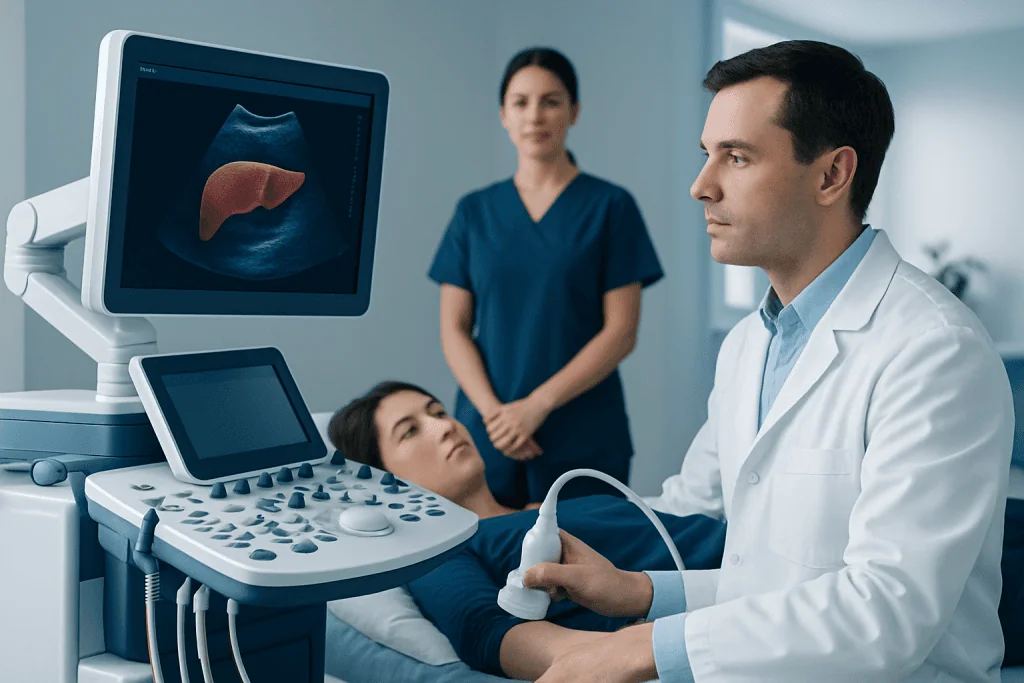
The liver works continuously to keep the body in balance. After a person eats, nutrients absorbed from the intestines travel to the liver, where they are processed, stored, or released into the bloodstream. This helps maintain energy levels and stable blood sugar.
The liver also makes bile, a digestive fluid stored in the gallbladder and released into the small intestine. Bile helps the body absorb fats and fat-soluble vitamins. In addition, the liver makes proteins needed for fluid balance, immune function, and blood clotting.
Another major role of the liver is chemical processing. It helps the body break down alcohol, medications, hormones, and natural waste products. This does not mean the liver can safely handle unlimited toxins. Repeated exposure to alcohol misuse, certain infections, excess body fat, or some medications can overwhelm liver function over time.
The liver also has a remarkable ability to repair itself after some forms of injury. However, if damage continues for a long period, scar tissue can replace healthy liver tissue. This can lead to chronic liver disease or cirrhosis, which affects how well the liver works.
Common signs and symptoms of liver problems

Early liver disease often causes no symptoms or only vague ones. A person may notice unusual tiredness, loss of appetite, mild nausea, or discomfort in the upper right abdomen. These symptoms are common and can have many causes, so medical evaluation is important when they persist.
As liver problems become more noticeable, symptoms may include yellowing of the skin or eyes, called jaundice, dark urine, pale stools, itching, swelling in the legs, or abdominal bloating. Some people also bruise more easily because the liver plays a role in making clotting proteins.
Advanced liver disease can affect the brain and circulation. Confusion, sleepiness, personality changes, vomiting blood, black stools, or increasing abdominal swelling are more serious warning signs. These symptoms need prompt medical attention.
- Common early symptoms: fatigue, nausea, reduced appetite, mild abdominal discomfort
- More specific signs: jaundice, dark urine, itching, swollen abdomen, leg swelling
- Urgent signs: confusion, severe weakness, vomiting blood, black stools, severe abdominal pain
What can affect the higado?
Many different conditions can affect the liver. One of the most common is fatty liver disease, in which excess fat builds up in liver cells. This may be linked to obesity, insulin resistance, type 2 diabetes, high cholesterol, or alcohol use. Some patients may progress from simple fat accumulation to inflammation and scarring. A related condition is fatty liver disease.
Infections are another major cause of liver disease. Viral hepatitis, especially hepatitis B and hepatitis C, can lead to long-term inflammation and damage. Autoimmune liver disease, genetic conditions, and bile duct disorders can also affect liver function, even in people without alcohol use or obesity.
Alcohol-related liver disease can range from fatty changes to hepatitis and cirrhosis. Some medications, supplements, and herbal products may also injure the liver, especially if taken in high amounts or together with other substances that affect liver metabolism. Patients should not assume that “natural” products are automatically safe for the liver.
In some cases, liver masses or liver cancer may develop, especially in people with chronic hepatitis or cirrhosis. Risk factors do not mean a person will definitely develop disease, but they are important reasons to discuss screening, laboratory tests, or imaging with a doctor.
How doctors evaluate liver health
Evaluation usually begins with a medical history and physical examination. A doctor may ask about alcohol use, medications, supplements, family history, weight changes, metabolic conditions, travel history, and possible exposure to viral hepatitis. The examination may look for jaundice, abdominal tenderness, swelling, or other signs of chronic liver disease.
Blood tests are often the first step. These may include liver enzymes, bilirubin, albumin, and clotting markers, along with tests for hepatitis viruses or autoimmune conditions when needed. It is important to know that abnormal liver tests do not always mean severe disease, and normal results do not rule out every liver problem.
Imaging may help clarify the cause and extent of liver disease. Ultrasound is commonly used first, while CT or MRI can provide more detail in selected cases. If doctors need a close look at the liver tissue itself, they may consider a liver biopsy to confirm inflammation, scarring, fatty change, or other diagnoses.
Some patients are evaluated for the degree of fibrosis, or scarring, using blood markers or noninvasive imaging methods. In more complex cases, specialist care from hepatology, gastroenterology, radiology, pathology, and nutrition teams may help guide diagnosis and follow-up.
Treatment options for liver conditions
Treatment depends on the underlying cause. For fatty liver disease, the main approach often includes gradual weight loss, regular physical activity, and management of diabetes, blood pressure, and cholesterol. If alcohol is contributing to liver injury, stopping alcohol use is one of the most important steps for recovery and prevention of further damage.
Viral hepatitis may be treated with antiviral medications, while autoimmune liver diseases may require medicines that reduce immune-driven inflammation. Drug-related liver injury is managed by identifying and stopping the harmful medicine or supplement under medical guidance. Supportive care may also include nutrition advice, vaccination, and regular monitoring.
When scarring becomes advanced, treatment focuses on preventing complications and preserving liver function. Some patients need procedures for blocked bile ducts, drainage of abdominal fluid, or endoscopic treatment for enlarged veins in the digestive tract. In carefully selected cases of severe liver failure or advanced cirrhosis, liver transplant may be considered.
If a liver tumor is found, treatment may involve surgery, ablation, embolization, systemic therapy, or transplant depending on the diagnosis and stage. For patients with symptoms related to gallstones or gallbladder disease rather than the liver itself, evaluation may sometimes lead to gallbladder surgery when appropriate. At experienced centers such as Acibadem International, multidisciplinary specialists in JCI-accredited hospitals evaluate and treat liver conditions for international patients.
Supporting liver health and avoiding common myths
Good liver care is usually based on everyday habits, not detox fads. The liver already has built-in systems for processing waste, so most commercial “cleanse” products are unnecessary and some may even be harmful. Patients should be cautious with supplements that promise rapid detoxification, weight loss, or bodybuilding effects.
Helpful steps include maintaining a healthy weight, staying physically active, limiting or avoiding alcohol, and following medical advice for diabetes or high cholesterol. People should use medications exactly as directed and avoid mixing medicines, alcohol, and supplements without professional guidance. Acetaminophen and many other common drugs can be safe when used properly but harmful in excessive amounts.
Vaccination against hepatitis A and hepatitis B may be recommended for some individuals. Reducing exposure to blood-borne infections, practicing safer sex, and not sharing needles or personal items that may contact blood can lower hepatitis risk. Routine follow-up matters because some liver diseases can progress silently.
- Do not rely on liver detox products as a substitute for medical care
- Ask a doctor before starting herbs or supplements
- Seek treatment for obesity, diabetes, and high triglycerides if present
- Keep scheduled blood tests or imaging if a liver condition has already been diagnosed
When to seek medical care
A person should arrange medical evaluation if they have ongoing fatigue, poor appetite, persistent nausea, abdominal discomfort, or abnormal liver blood tests. Medical care is also appropriate for risk factors such as heavy alcohol use, obesity, diabetes, family history of liver disease, or possible exposure to hepatitis viruses.
Prompt care is important for yellowing of the eyes or skin, dark urine, pale stools, increasing abdominal swelling, leg swelling, or unexplained weight loss. These symptoms do not always mean severe disease, but they should not be ignored.
Emergency care is needed for vomiting blood, black or tarry stools, severe abdominal pain, fainting, marked confusion, or sudden extreme drowsiness. These may be signs of serious complications. A qualified doctor can determine whether symptoms are due to the liver, gallbladder, digestive tract, or another condition and guide the next steps safely.
Frequently asked questions
What is the higado?
Higado is the Spanish word for the liver. The liver is a vital organ that helps with digestion, metabolism, detoxification, nutrient storage, and the production of important proteins.
Can liver disease be present without symptoms?
Yes. Many liver conditions develop gradually and may cause no symptoms in the early stages. That is why some cases are found through routine blood tests, ultrasound, or evaluation of risk factors.
Does a liver detox cleanse improve liver health?
There is no strong evidence that commercial detox cleanses improve liver function in otherwise healthy people. Some detox products may even be unsafe, especially if they contain unregulated herbs or interact with medications.
What are the most common causes of liver problems?
Common causes include fatty liver disease, viral hepatitis, alcohol-related liver injury, medication-related liver damage, and autoimmune conditions. The exact cause can only be identified through proper medical assessment.
When should someone worry about liver symptoms?
Symptoms such as jaundice, abdominal swelling, leg swelling, dark urine, or persistent fatigue deserve medical attention. Urgent symptoms like confusion, vomiting blood, black stools, or severe pain require immediate care.
Can the liver heal itself?
The liver has some ability to repair itself after mild or short-term injury. However, repeated or long-lasting damage can lead to fibrosis and cirrhosis, which may not be reversible, so early treatment is important.
References
- World Health Organization
- National Institute of Diabetes and Digestive and Kidney Diseases
- American Association for the Study of Liver Diseases
- Centers for Disease Control and Prevention
- National Health Service
This article is for general information only and is not a substitute for professional medical advice. Please consult a qualified doctor about your individual situation.
Explore treatments in Turkey — costs, top hospitals & a free quote
JCI-accredited · board-certified surgeons · reply within 24h
Check your numbers in seconds
BMI, calories, due date, blood pressure and 30+ more clinical calculators — free, instant, doctor-reviewed ranges.

More from the Health Library



Related Specialists

Fzt. Busenur Sezer
Physical Medicine and Rehabilitation
Çiğdem Ünver
Physical Medicine & Rehabilitation
Dr. Münür Selçuk Kendir
Aesthetic Plastic & Reconstructive Surgery
Dr. Caner İşkorur
Emergency Service