Swelling Beneath Eyes — Explained by Medical Evidence, Not Myths

Swelling beneath eyes is commonly linked to fluid retention, allergies, skin aging, and eye irritation. Short-term puffiness is often mild and improves with sleep, hydration, cool compresses, and trigger control.
Key Takeaways
- Swelling beneath eyes is commonly linked to fluid retention, allergies, skin aging, and eye irritation.
- Short-term puffiness is often mild and improves with sleep, hydration, cool compresses, and trigger control.
- Redness, pain, vision changes, fever, or swelling on only one side can suggest a condition needing prompt medical care.
- Diagnosis focuses on symptom pattern, medical history, eye examination, and sometimes allergy or imaging tests.
- Treatment depends on the cause and may include self-care, allergy management, skin care, or specialist treatment.
Swelling beneath eyes usually reflects fluid buildup, irritation, allergies, lack of sleep, or normal age-related changes rather than a serious disease. The key is to look at timing, symmetry, and accompanying symptoms, because persistent, painful, or one-sided swelling may need medical evaluation.
Overview: what swelling beneath eyes usually means
Swelling beneath eyes is a symptom, not a single diagnosis. In many people, it happens because fluid collects in the loose tissue under the eyes, especially after poor sleep, salty meals, crying, allergies, or irritation. Age-related thinning of the skin and shifting of fat around the eyelids can also make the area look puffy.
Medical evidence shows that the under-eye area is especially prone to visible swelling because the skin there is thin and the tissues are delicate. That means common body changes, such as mild inflammation or temporary fluid retention, can show up there more clearly than in other parts of the face.
The most helpful way to understand swelling beneath eyes is to ask a few practical questions: Did it appear suddenly or gradually? Is it on one side or both? Is there itching, redness, pain, discharge, sinus symptoms, or vision change? These details help distinguish common cosmetic puffiness from conditions that involve the eyes, eyelids, skin, or sinuses.
Common signs and patterns to notice
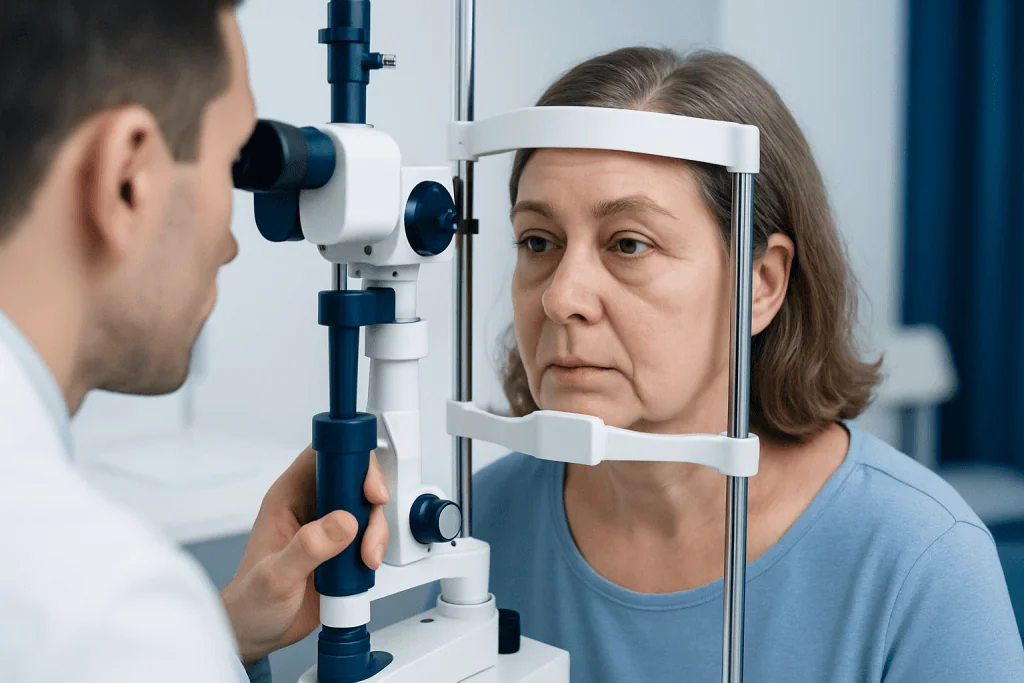
Swelling beneath eyes can look different from person to person. Some people notice soft morning puffiness that settles after a few hours, while others develop a more constant fullness that becomes noticeable with age. In allergic swelling, the skin may look puffy and feel itchy. In irritation or inflammation, it may also become red or tender.
It can help to observe whether the swelling is symmetrical. Swelling on both sides is more often associated with allergies, fatigue, fluid retention, eczema, or age-related under-eye changes. Swelling mainly on one side may still be harmless, but it deserves more attention because it can also occur with infection, injury, a blocked tear duct, or a local eyelid problem.
Symptoms that can occur along with swelling beneath eyes include:
- Morning puffiness that improves during the day
- Itching, sneezing, or watery eyes
- Dark circles or a tired appearance
- Dryness, burning, or eye strain
- Redness of the eyelid or surrounding skin
- Tenderness, warmth, or pain
- Blurred vision or sensitivity to light
Not every swollen under-eye area is true inflammation. Sometimes the issue is prominent fat pads, loose skin, or shadows caused by changes in facial structure. In that setting, the area may look swollen even when there is little actual fluid buildup.
What causes swelling beneath eyes?

The most common causes are ordinary and treatable. Fluid retention can follow lack of sleep, high salt intake, alcohol use, hormonal changes, or sleeping flat. Allergies are another frequent cause, especially when swelling beneath eyes occurs with itching, sneezing, nasal congestion, or rubbing of the eyes. Repeated rubbing can further irritate the delicate skin and worsen puffiness.
Skin and eyelid conditions can also play a role. Eczema, contact dermatitis from cosmetics or skin-care products, and eyelid inflammation may all affect the under-eye area. If the eyes themselves are irritated, conditions such as dry eye disease or conjunctivitis may lead to rubbing, watering, and visible swelling around the lower eyelids.
Age-related change is an important non-myth explanation. Over time, the tissues that support the eyelids may weaken, and fat that normally cushions the eye can become more prominent. This creates the appearance of under-eye bags. This is different from temporary puffiness, though both can occur together. People sometimes describe both as “swelling beneath eyes,” even when the underlying mechanisms are not the same.
Less commonly, swelling beneath eyes is associated with sinus disease, infection of the eyelid tissues, thyroid-related eye changes, kidney problems causing broader fluid retention, or trauma. A doctor may consider these possibilities if the swelling is persistent, unusual in pattern, or accompanied by other symptoms.
Risk factors and triggers
Several factors make swelling beneath eyes more likely. Family history matters because under-eye bags and skin laxity often run in families. Aging naturally affects collagen, skin thickness, and tissue support. People who have allergies, eczema, sensitive skin, sinus issues, or chronic eye rubbing may also notice more frequent puffiness.
Lifestyle and environment can contribute as well. Common triggers include poor sleep, dehydration, excess dietary salt, alcohol, smoking, crying, stress, and prolonged screen time that worsens dryness and eye irritation. Cosmetic products, cleansers, fragrances, or makeup removers may irritate the eyelid area in people with sensitive skin.
Swelling beneath eyes may be more obvious at certain times, especially on waking. While lying down overnight, fluid can redistribute around the face and eyelids. This is why many people see morning puffiness that gradually eases after getting upright and moving around.
Recognizing triggers does not replace diagnosis, but it can be useful. A simple symptom diary that notes sleep, diet, allergies, new products, and timing of swelling can help patients and doctors identify patterns and guide treatment.
How doctors diagnose the cause
Diagnosis starts with a careful history and physical examination. A clinician will usually ask when the swelling began, whether it comes and goes, if it affects one or both sides, and whether symptoms such as itching, pain, fever, discharge, sinus pressure, or vision changes are present. Past medical history, allergies, skin conditions, medications, and cosmetic product use are also relevant.
An eye and eyelid examination can often clarify the cause. The doctor may look for signs of allergy, dermatitis, infection, tear film problems, or structural under-eye bags. If the symptoms point to an eye surface problem, an evaluation for dryness or irritation may be helpful. If there is concern for a more specific eyelid disorder, an assessment by specialists in ophthalmology may be recommended.
Additional tests are not always needed. However, persistent or unexplained swelling may lead to allergy testing, blood tests, or imaging, especially if there is sinus disease, suspected infection, trauma, or concern about deeper tissue involvement. The goal is not simply to label the swelling, but to identify the exact mechanism so treatment matches the cause.
Treatment options and practical relief
Treatment depends on why swelling beneath eyes is happening. For mild temporary puffiness, simple steps often help: cool compresses, adequate sleep, sleeping with the head slightly elevated, staying hydrated, and reducing excess salt. Avoiding eye rubbing is especially important because mechanical irritation can keep the area inflamed.
When allergies are the main problem, managing nasal and eye allergy symptoms can improve under-eye swelling. This may include avoiding triggers, using doctor-recommended allergy treatments, and reviewing the home environment for pollen, dust, or pet exposure. If dryness or irritation is contributing, a clinician may suggest measures to support the eye surface; in some cases, care through eye laser treatment services is not relevant, but a general eye evaluation can help rule out other ocular causes before cosmetic assumptions are made.
For skin-related causes, stopping irritating products and simplifying skin care is often useful. A doctor may recommend treatment for eczema or contact dermatitis if present. If the problem is mainly age-related bags or tissue laxity rather than active swelling, options may include specialist assessment for procedural or surgical correction. In selected patients, doctors may discuss eyelid surgery when structural under-eye bags are the main issue and conservative care is not enough.
Infections, eyelid inflammation, sinus disease, or systemic causes require medical treatment guided by the diagnosis. If swelling beneath eyes is linked to recurrent redness, tearing, or other eye discomfort, clinicians may also evaluate for conditions that overlap with glaucoma screening needs or broader eye health concerns, even though glaucoma itself does not usually cause under-eye puffiness.
Prevention and self-care habits
Not all swelling beneath eyes can be prevented, especially when aging and inherited facial structure play a major role. Still, many people can reduce flare-ups by improving sleep habits, limiting excess salt and alcohol, staying well hydrated, and managing seasonal allergies early. If morning puffiness is a pattern, sleeping with the head slightly elevated may help reduce overnight fluid pooling.
Gentle skin and eye care are also important. Fragrance-free products, careful makeup removal, and avoiding harsh scrubs around the eyes may reduce irritation. People who wear contact lenses or spend long hours on screens may benefit from addressing dryness, blinking more often, and taking regular breaks.
Sun protection can support the long-term health of the thin eyelid skin. While sunscreen must be chosen carefully to avoid irritation near the eyes, sunglasses and broad sun protection habits can help limit photoaging that may make under-eye changes more visible over time.
For international patients who need assessment of persistent eye-area symptoms or structural eyelid concerns, Acibadem International’s multidisciplinary specialists in JCI-accredited hospitals diagnose and treat these conditions with individualized planning.
When to seek medical care
Many cases of swelling beneath eyes are mild, temporary, and not urgent. Medical review is advisable if the swelling lasts more than a few days without a clear trigger, keeps returning, or becomes more noticeable over time. It is also reasonable to seek care if home measures do not help or if the swelling affects comfort, appearance, or daily life.
Prompt medical attention is important if swelling beneath eyes is associated with pain, significant redness, warmth, fever, pus-like discharge, facial trauma, or changes in vision such as blurring, double vision, or difficulty moving the eye. Swelling on only one side, especially when sudden or severe, should also be checked to exclude infection or another local problem.
If under-eye swelling happens together with swelling elsewhere in the body, new shortness of breath, or other general symptoms, a clinician may look for broader medical causes. A qualified doctor can help determine whether the issue is simple puffiness, a skin or allergy condition, an eye problem, or something requiring wider evaluation.
Frequently asked questions
Is swelling beneath eyes usually serious?
Usually not. In many cases it is related to fluid retention, allergies, irritation, lack of sleep, or normal aging changes. It should be assessed if it is persistent, painful, one-sided, or associated with redness, fever, or vision changes.
Why is swelling beneath eyes worse in the morning?
The under-eye area can look puffier after waking because fluid tends to collect in facial tissues during the night while lying flat. This often improves after being upright for a while. Salt, alcohol, poor sleep, and crying can make the effect more noticeable.
Are bags under the eyes the same as swelling beneath eyes?
Not always. Temporary swelling usually reflects fluid buildup or irritation, while under-eye bags often relate to age-related tissue changes and more visible fat pads. Some people have both at the same time, which is why the terms are often used interchangeably.
Can allergies cause swelling beneath eyes without much redness?
Yes. Allergies can cause puffiness with itching, watery eyes, sneezing, or nasal congestion, and redness may be mild or absent. Repeated rubbing can worsen the swelling even if the original allergic reaction is modest.
What can help reduce mild under-eye puffiness at home?
Simple measures include cool compresses, adequate sleep, hydration, reducing excess salt, and avoiding rubbing the eyes. Using gentle skin-care products and managing allergies can also help. If puffiness keeps returning or does not improve, a medical review is sensible.
When should one-sided swelling beneath eyes be checked by a doctor?
One-sided swelling deserves medical attention if it appears suddenly, becomes painful, or is associated with redness, fever, discharge, or vision symptoms. While it can still have a minor cause, doctors often want to rule out infection, injury, tear duct problems, or a local eyelid condition.
References
- American Academy of Ophthalmology
- National Eye Institute
- Mayo Clinic
- Merck Manual Consumer Version
This article is for general information only and is not a substitute for professional medical advice. Please consult a qualified doctor about your individual situation.
Explore treatments in Turkey — costs, top hospitals & a free quote
JCI-accredited · board-certified surgeons · reply within 24h