Bpm Heart Rate: A Complete Medical Overview

Bpm stands for beats per minute and describes heart rate. A normal resting heart rate for many adults is often between 60 and 100 bpm, but individual variation is common.
Key Takeaways
- Bpm stands for beats per minute and describes heart rate.
- A normal resting heart rate for many adults is often between 60 and 100 bpm, but individual variation is common.
- Exercise, stress, fever, dehydration, caffeine, sleep, and medicines can all affect heart rate.
- A heart rate that is persistently too fast, too slow, or irregular may need medical evaluation.
- Symptoms such as chest pain, fainting, severe shortness of breath, or palpitations should not be ignored.
Bpm heart rate means the number of heartbeats per minute, and it is one of the simplest ways to describe how fast the heart is working. A person’s bpm heart rate can be normal, slower, or faster depending on age, fitness, activity, medications, and medical conditions, so the number is most useful when interpreted in context.
Understanding bpm heart rate
Bpm heart rate means how many times the heart beats in one minute. This measurement is used in everyday health tracking, fitness, and medical care because it offers a quick picture of how the body is responding at rest, during activity, and during illness. On its own, a number does not diagnose a problem, but it can help show whether the heart is beating within an expected range for a person’s situation.
Heart rate naturally changes throughout the day. It usually slows during sleep, rises with movement or emotional stress, and can increase with fever, pain, dehydration, or stimulant use. Because of this, the most useful reading is often the resting heart rate, which is measured after sitting quietly for several minutes.
It is also important to separate heart rate from blood pressure. Heart rate measures speed, while blood pressure measures the force of blood against artery walls. A person can have a normal bpm heart rate and still have abnormal blood pressure, or the reverse.
What is considered a normal heart rate?
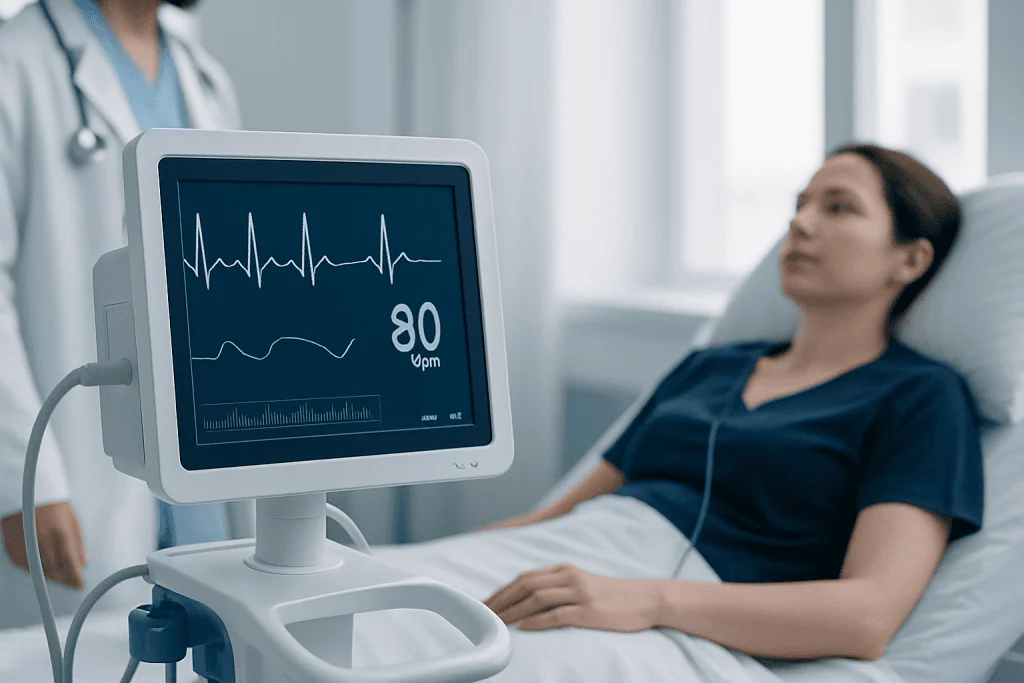
For many adults, a resting heart rate between 60 and 100 beats per minute is commonly considered normal. However, normal does not always mean ideal for every individual. Some healthy adults, especially people who exercise regularly, may have resting heart rates below 60 bpm without any disease. Others may sit in the higher part of the normal range and still feel well.
Children usually have faster heart rates than adults, and heart rate tends to vary by age. During physical activity, heart rate normally rises to help deliver more oxygen to muscles. After exercise stops, it should gradually come back down. Recovery speed can offer useful information about general fitness and cardiovascular response.
A single reading is rarely as meaningful as a pattern. For example, a person whose resting rate is usually 65 bpm may notice that it rises to 85 bpm during dehydration or infection. Tracking readings over time, especially at the same time of day, can be more informative than focusing on one isolated number.
- Resting heart rate is best checked when calm and seated.
- Activity, emotions, and illness can temporarily raise bpm.
- Fitness level can influence what is normal for the individual.
Why bpm heart rate changes

Heart rate is controlled by the body’s nervous system and responds to many internal and external factors. Exercise is one of the most common reasons for a faster pulse. Stress, anxiety, excitement, and lack of sleep can also stimulate the body and raise bpm heart rate even without physical activity.
Medical and physical factors matter too. Fever, anemia, dehydration, thyroid hormone imbalance, low oxygen levels, and infections may all increase heart rate. Some medicines, including stimulants and certain inhalers, can make the heart beat faster, while other medicines such as beta blockers can slow it down.
Lifestyle habits can play a role. Caffeine, nicotine, alcohol, and energy drinks may affect heart rhythm and rate in some people. In other cases, the issue is not just the speed but the pattern. An irregular heartbeat may point to an arrhythmia rather than a simple increase or decrease in bpm. Conditions such as arrhythmia or atrial fibrillation may cause episodes of racing, fluttering, or uneven beats that need medical review.
Symptoms that may accompany a high, low, or irregular heart rate
Many people notice heart rate changes only when checking a smartwatch, fitness tracker, or pulse. Others feel symptoms. A heart rate that is faster, slower, or more irregular than usual may be felt as palpitations, pounding in the chest, fluttering, skipped beats, or a sense that the heart is racing.
Not every symptom means a dangerous problem, but symptoms add important context. Dizziness, lightheadedness, unusual fatigue, reduced exercise tolerance, or shortness of breath may suggest that the heart is not pumping efficiently. In some cases, low blood flow from an abnormal rhythm can lead to near-fainting or fainting.
Associated symptoms deserve special attention. Chest discomfort, severe weakness, confusion, or breathlessness together with an abnormal pulse may indicate a more urgent issue. Persistent or recurring symptoms should be assessed by a qualified clinician rather than explained away as stress without evaluation.
How heart rate is measured and assessed
Bpm heart rate can be measured manually by feeling the pulse at the wrist or neck and counting beats for 30 to 60 seconds. Many people also use blood pressure monitors, fitness wearables, or smartphones. These tools can be helpful for spotting trends, but readings may sometimes be inaccurate if movement, poor skin contact, or device limitations interfere.
When symptoms or unusual readings occur, clinicians look beyond the pulse number alone. They consider age, activity level, timing, medications, hydration, recent illness, and personal medical history. A physical examination helps identify possible causes such as fever, anemia, dehydration, or signs of heart or lung disease.
If needed, doctors may recommend tests to better understand the rhythm and overall heart function. These can include an electrocardiogram, blood tests, ambulatory rhythm monitoring, echocardiography, or exercise-based evaluation. Depending on the concern, assessment may involve electrocardiography (ECG), echocardiography, or other forms of cardiology evaluation to identify whether the issue is a normal response, a rhythm disorder, or another medical condition.
What treatment depends on
Treatment is based on the cause, the symptoms, and whether the heart rhythm is stable. If a heart rate change is linked to a temporary trigger such as dehydration, fever, stress, or excess caffeine, treatment may focus on correcting that factor. In these situations, the heart rate often improves once the trigger is addressed.
When the problem is related to an underlying medical condition, that condition becomes the main treatment target. Examples include thyroid disorders, anemia, infections, sleep problems, or structural heart disease. If an arrhythmia is found, care may range from observation and lifestyle adjustments to medication, monitoring, or procedural treatment depending on the type and severity.
Because not all fast or slow heart rates are harmful, self-treatment is not always appropriate. A person should not start or stop heart medications based only on wearable readings. Clinical interpretation matters, especially if symptoms are present or if the pattern is persistent. In complex cases, multidisciplinary specialists, including those at Acibadem International’s JCI-accredited hospitals, can evaluate international patients and plan treatment according to the underlying cause.
Prevention and self-care for a healthy resting heart rate
Healthy habits can support a more stable resting heart rate and overall cardiovascular health. Regular physical activity improves the body’s efficiency and may lower resting heart rate over time. Good sleep, stress management, hydration, and balanced nutrition also help the heart respond more smoothly to daily demands.
It can be useful to limit triggers that cause noticeable pulse changes. Some people benefit from reducing caffeine, avoiding nicotine, and being cautious with alcohol or energy drinks. People who take prescribed medicines should review side effects with their doctor rather than changing treatment on their own.
Home tracking can be helpful when done thoughtfully. Checking heart rate at the same time each day, noting symptoms, and recording possible triggers can help a clinician interpret the pattern. However, wearable devices should support medical care, not replace it. Repeated alerts should be discussed with a healthcare professional, especially if symptoms are also occurring.
- Stay active with a doctor-approved exercise routine.
- Drink enough fluids, especially during heat or illness.
- Get adequate sleep and address ongoing stress.
- Seek medical advice if heart rate changes are persistent or symptomatic.
When to seek medical care
Medical advice is appropriate if bpm heart rate is repeatedly much faster or slower than usual at rest, or if the pulse feels irregular. A doctor should also assess recurring palpitations, unexplained fatigue, dizziness, reduced exercise tolerance, or a change in heart rate pattern that lasts more than a short period.
Urgent care is needed if an abnormal heart rate occurs with chest pain, fainting, severe shortness of breath, marked weakness, or confusion. These symptoms do not always mean a serious heart condition, but they should be evaluated promptly because some rhythm problems can reduce blood flow or signal another medical emergency.
People with known heart disease, a history of rhythm problems, or implanted cardiac devices should be especially careful about new symptoms. Early assessment can help identify whether the issue is harmless, related to medication, or a condition needing treatment.
Frequently asked questions
What does bpm heart rate mean?
Bpm stands for beats per minute. It tells how many times the heart beats in one minute and is a simple way to describe heart speed at rest or during activity.
What is a normal resting bpm heart rate for adults?
For many adults, a resting heart rate between 60 and 100 bpm is commonly considered normal. Some healthy people, especially those who are physically fit, may naturally have a lower resting rate without it being a problem.
Why is my heart rate high when I am not exercising?
A resting heart rate can rise بسبب stress, anxiety, poor sleep, dehydration, fever, caffeine, nicotine, or certain medicines. It may also increase because of medical conditions such as anemia, infection, thyroid problems, or an arrhythmia, so persistent changes should be checked.
Can a low heart rate be normal?
Yes, a low resting heart rate can be normal in some people, especially trained athletes or those with excellent cardiovascular fitness. It is more concerning if it causes symptoms such as dizziness, fainting, fatigue, or shortness of breath.
Are smartwatch heart rate readings reliable?
Wearables can be useful for spotting trends and raising awareness of changes. However, they may not always be exact, so unusual readings should be confirmed and interpreted by a healthcare professional, particularly if symptoms are present.
When should someone worry about heart rate changes?
Medical review is important if the heart rate is persistently too fast, too slow, or irregular, especially at rest. Urgent care is needed if the change comes with chest pain, fainting, severe shortness of breath, or confusion.
References
- American Heart Association
- Centers for Disease Control and Prevention
- National Heart, Lung, and Blood Institute
- MedlinePlus
- Mayo Clinic
This article is for general information only and is not a substitute for professional medical advice. Please consult a qualified doctor about your individual situation.
Heart care in Turkey — expert evaluation and treatment
JCI-accredited · board-certified surgeons · reply within 24h
Check your numbers in seconds
BMI, calories, due date, blood pressure and 30+ more clinical calculators — free, instant, doctor-reviewed ranges.