Understanding Kyphoscoliosis: A Complete Patient Guide

Kyphoscoliosis combines scoliosis and kyphosis in the same spine. Symptoms may include uneven posture, back pain, fatigue, and in severe cases breathing problems.
Key Takeaways
- Kyphoscoliosis combines scoliosis and kyphosis in the same spine.
- Symptoms may include uneven posture, back pain, fatigue, and in severe cases breathing problems.
- Diagnosis usually involves a physical exam and imaging such as X-rays.
- Treatment may include monitoring, physiotherapy, bracing, pain management, or surgery.
- Early assessment is especially important in children and teenagers during growth.
- Medical care is needed sooner if symptoms worsen, breathing becomes difficult, or new neurologic symptoms appear.
Kyphoscoliosis is a spinal deformity in which the spine curves sideways and also rounds forward more than usual. It can range from mild to severe, and treatment depends on age, symptoms, curve pattern, and whether the condition is affecting posture, comfort, growth, or breathing.
What kyphoscoliosis is
Kyphoscoliosis is a condition in which the spine has two abnormal curves at the same time: a sideways curve, called scoliosis, and an excessive forward rounding, called kyphosis. In practical terms, this means the back may look both curved from the front or back view and rounded from the side view. The condition can affect posture, balance, movement, and in more significant cases, lung function.
Kyphoscoliosis is not one single disease with one cause. It is a descriptive term for a spinal shape that may develop for different reasons, including congenital differences present at birth, neuromuscular conditions, degenerative changes with aging, or causes that remain unclear. Some people have only mild changes and need observation, while others need active treatment to help protect function and quality of life.
This condition can occur in children, teenagers, or adults. In younger people, monitoring growth is important because spinal curves can change quickly during growth spurts. In adults, kyphoscoliosis may be linked to long-standing spine changes, osteoporosis, muscle weakness, or wear-and-tear conditions that gradually alter spinal alignment.
How kyphoscoliosis may affect the body
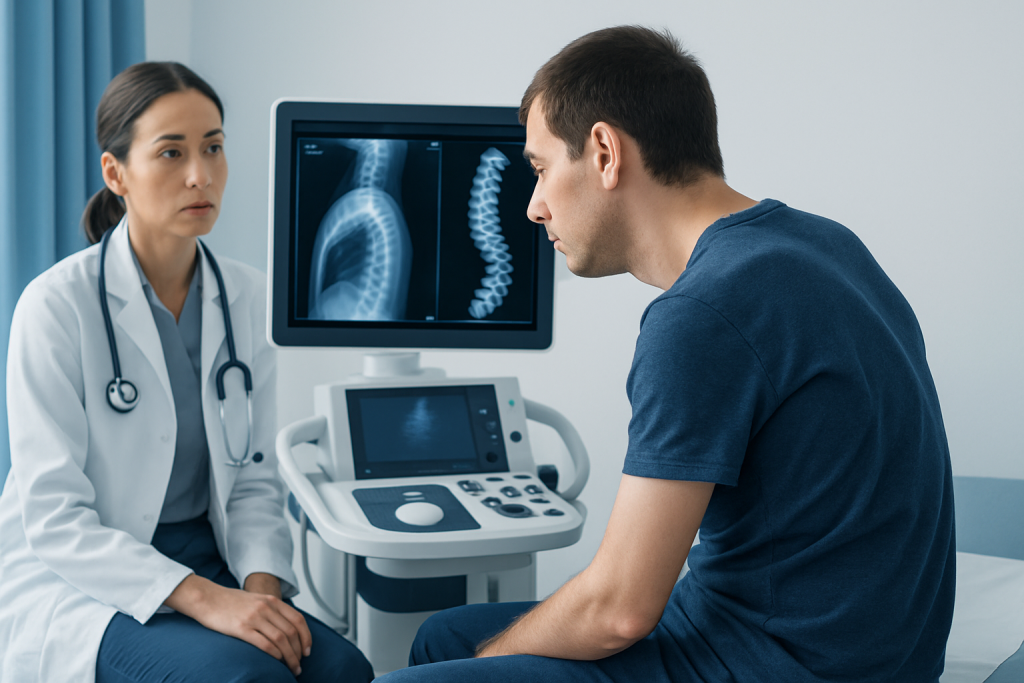
The effects of kyphoscoliosis depend on how large the curves are, where they occur in the spine, and whether they are progressing. Mild forms may mainly affect appearance and posture. A person may notice one shoulder sitting higher than the other, a more rounded upper back, or clothing hanging unevenly.
As the spinal shape changes, the muscles and ligaments around the spine may work harder to maintain balance. This can lead to back pain, muscle fatigue, stiffness, or reduced endurance with standing and walking. Some people also feel self-conscious about posture, especially during adolescence, when body image concerns can be significant.
When kyphoscoliosis is severe, the rib cage may also shift shape. Because the ribs help the lungs expand, major deformity can reduce chest space and make breathing less efficient. This does not happen in every case, but it is an important reason why doctors evaluate spinal curves carefully rather than relying on appearance alone.
Symptoms and signs to watch for

Kyphoscoliosis symptoms can vary widely. Some people have no pain and discover the condition during a school screening, routine exam, or imaging test done for another reason. Others develop symptoms gradually over time.
Common signs and symptoms may include:
- Uneven shoulders, waist, or hips
- A visibly rounded upper back or stooped posture
- One shoulder blade appearing more prominent
- Back pain or muscle aching
- Stiffness and reduced spinal flexibility
- Fatigue after sitting or standing for long periods
- Shortness of breath with exertion in more severe cases
In children and teenagers, parents may notice that the child leans to one side, grows out of clothing unevenly, or has a rib prominence when bending forward. In adults, the first concern may be pain, reduced function, or difficulty staying upright comfortably. Any new weakness, numbness, balance changes, or bowel and bladder symptoms should be assessed promptly because they may suggest pressure on the nerves or spinal cord.
Causes and risk factors
Kyphoscoliosis can develop from several underlying causes. In some people, it is congenital, meaning the spine did not form typically before birth. In others, it is associated with neuromuscular disorders that weaken or imbalance the muscles supporting the spine. It can also arise from degenerative spinal changes in adulthood, especially when discs, joints, and bones lose strength over time.
Doctors often group causes into broad categories such as congenital, idiopathic, neuromuscular, and degenerative. Idiopathic means no single cause is found, which is common in many spinal curve disorders, especially during adolescence. Relevant related conditions may include scoliosis and abnormal thoracic rounding patterns sometimes discussed under kyphosis.
Risk factors depend on age and cause. In children and teens, rapid growth can make a curve more noticeable or more likely to progress. In adults, osteoporosis, previous spinal injury, age-related disc degeneration, and chronic muscle weakness can all contribute. A family history of spinal curvature may also be relevant, although it does not mean a person will definitely develop kyphoscoliosis.
How doctors diagnose kyphoscoliosis
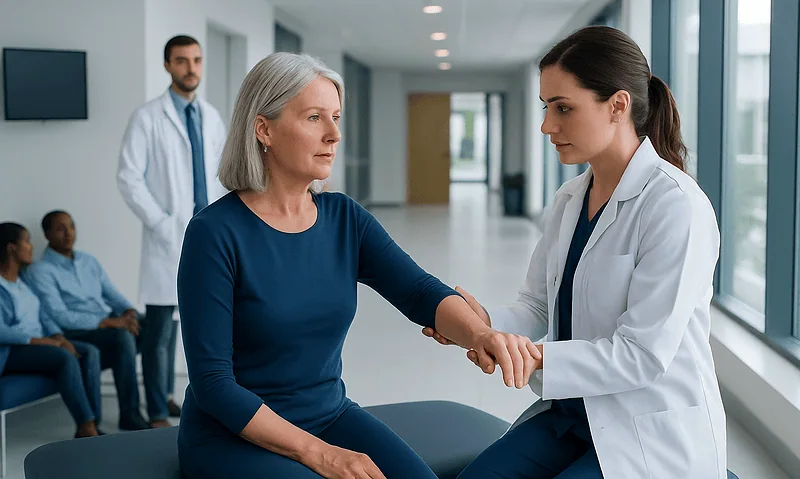
Diagnosis starts with a detailed medical history and physical examination. A doctor looks at posture from the front, side, and back, and checks shoulder level, rib prominence, spinal flexibility, balance, and walking pattern. In children, growth stage is an important part of the assessment because it helps estimate whether a curve may progress.
X-rays are the main imaging test used to confirm kyphoscoliosis and measure the spinal curves. These images help show the location of the curves, their severity, and whether the spine is balanced. Follow-up imaging may be used over time to monitor change, especially during adolescence or when symptoms are worsening.
Additional tests are sometimes needed. MRI may be recommended if there are neurologic symptoms, unusual curve patterns, or concern about the spinal cord. CT can help in selected surgical planning cases. If breathing may be affected, lung function tests can be useful. The diagnostic process is not only about naming the curve but understanding how it affects the whole person.
Treatment options and long-term management
Treatment for kyphoscoliosis is individualized. Not everyone needs the same approach, and mild cases may only require regular monitoring. The main goals are to reduce symptoms, support mobility, limit progression where possible, and protect breathing and nerve function.
Non-surgical care may include posture-focused exercise, physiotherapy, activity modification, and pain management. In growing children or adolescents, bracing may be considered in selected cases to help guide spinal growth and reduce the chance of worsening. Rehabilitation can help improve muscle support, flexibility, and daily function, even when it does not change the curve itself. In some situations, a doctor may discuss care related to physical therapy and rehabilitation.
Surgery may be considered when the curve is severe, progressing, causing major pain, affecting lung function, or creating neurologic risk. Procedures aim to stabilize and realign the spine as safely as possible. Depending on the person and the spinal levels involved, options may include specialized spine surgery. If back discomfort is a major concern, comprehensive evaluation sometimes overlaps with pathways used for back pain treatment. Decisions about surgery are made carefully, balancing expected benefits, symptoms, age, and overall health.
Long-term follow-up matters because kyphoscoliosis can change over time. Children may need monitoring through growth, while adults may need reassessment if pain, posture, endurance, or breathing worsen. A multidisciplinary plan often gives the best support, involving spine specialists, rehabilitation teams, and when needed, pulmonary or neurologic care.
Self-care, daily living, and when to seek medical care
Daily self-care cannot cure kyphoscoliosis, but it can support comfort and function. Gentle exercise, good body mechanics, and a consistent strengthening and stretching program recommended by a professional may help reduce stiffness and fatigue. Maintaining bone health, avoiding smoking, and staying active within safe limits are especially important for adults, because overall spine and lung health influence symptoms over time.
People living with kyphoscoliosis may benefit from practical adjustments such as ergonomic seating, frequent movement breaks, supportive sleep positioning, and pacing activities when fatigue is an issue. For children, keeping follow-up appointments is one of the most important parts of care because treatment decisions often depend on growth and curve progression rather than symptoms alone.
Medical review should be arranged if there is noticeable worsening of posture, increasing pain, reduced tolerance for activity, or concerns about growth-related changes. More urgent care is appropriate for shortness of breath, chest discomfort, new weakness, numbness, walking difficulty, or changes in bowel or bladder control. These symptoms do not always mean an emergency, but they do need prompt assessment.
For patients seeking coordinated evaluation, Acibadem International’s multidisciplinary specialists in JCI-accredited hospitals assess and treat complex spinal conditions for international patients. A qualified doctor can explain whether observation, rehabilitation, bracing, or surgery is the most appropriate next step.
Frequently asked questions
Is kyphoscoliosis the same as scoliosis?
No. Scoliosis refers to a sideways spinal curve, while kyphoscoliosis means there is both a sideways curve and an excessive forward rounding. The distinction matters because the combined deformity can affect posture and, in more severe cases, breathing and overall spinal balance.
Can kyphoscoliosis get worse over time?
Yes, it can progress, but not in every person. Progression is more likely during periods of rapid growth in children and teenagers, or in adults with degenerative spine changes or osteoporosis. Regular follow-up helps doctors detect change early and adjust treatment if needed.
Does kyphoscoliosis always cause pain?
No. Some people have very little discomfort, while others develop back pain, muscle fatigue, or stiffness. Pain does not always match the size of the curve, so a full medical assessment is important when symptoms interfere with daily life.
Can exercise fix kyphoscoliosis?
Exercise alone usually does not fully correct the spinal curves. However, targeted physiotherapy and strengthening can improve posture control, flexibility, comfort, and function. A doctor or physiotherapist can recommend exercises that are safe for the person's age, curve pattern, and symptoms.
When is surgery needed for kyphoscoliosis?
Surgery is usually considered when the curve is severe, continues to progress, causes significant pain, affects breathing, or threatens nerve function. The decision is individualized and based on imaging, symptoms, age, and overall health. Many people are treated without surgery, especially when the condition is mild or stable.
Can adults develop kyphoscoliosis later in life?
Yes. Adults can develop kyphoscoliosis because of age-related spinal degeneration, osteoporosis, prior injury, or long-standing untreated spinal curvature. In adults, symptoms such as pain, imbalance, and reduced endurance are often more prominent than cosmetic concerns.
References
- World Health Organization
- National Institute of Arthritis and Musculoskeletal and Skin Diseases
- American Academy of Orthopaedic Surgeons
- Scoliosis Research Society
- National Health Service
This article is for general information only and is not a substitute for professional medical advice. Please consult a qualified doctor about your individual situation.
Joint and spine care in Turkey — expert assessment & treatment
JCI-accredited · board-certified surgeons · reply within 24h