Fever Lukewarm Bath: An Evidence-Based Guide for Patients
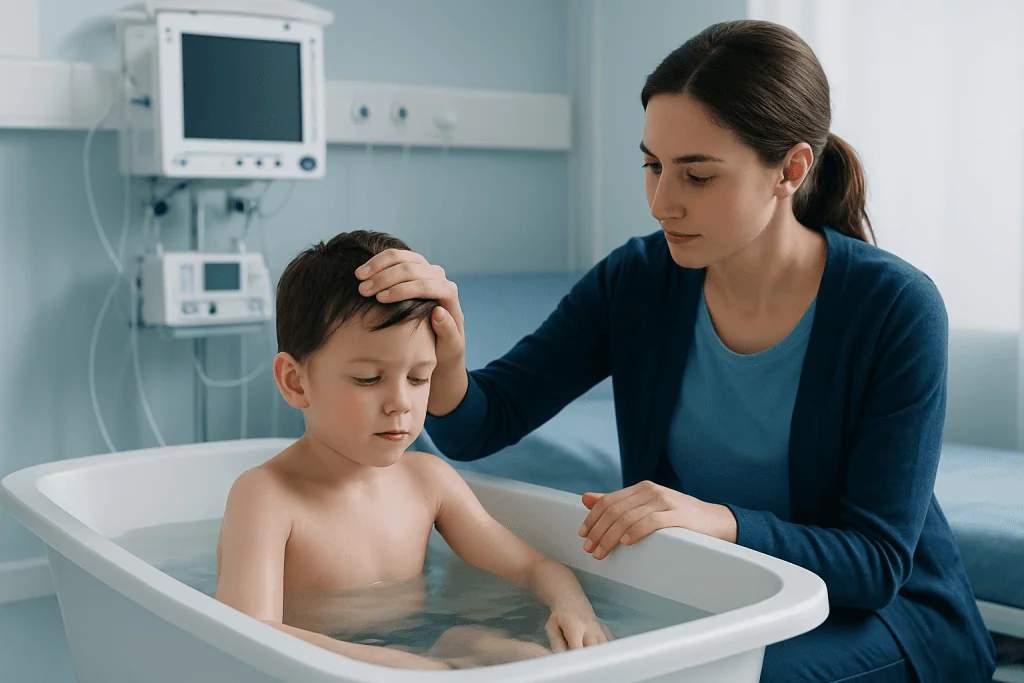
A lukewarm bath may provide short-term comfort during a fever, but it does not cure the underlying infection or inflammation. Cold baths, ice water, or alcohol rubs are not recommended because they can cause shivering and may make a person feel worse.
Key Takeaways
- A lukewarm bath may provide short-term comfort during a fever, but it does not cure the underlying infection or inflammation.
- Cold baths, ice water, or alcohol rubs are not recommended because they can cause shivering and may make a person feel worse.
- Hydration, light clothing, rest, and appropriate medical guidance are more important than aggressive cooling.
- Fever is often part of the body's normal immune response, so treatment should focus on comfort and the cause of illness.
- Medical care is needed sooner for very young infants, breathing problems, confusion, dehydration, seizures, or fever that does not improve.
A fever lukewarm bath can sometimes help a person feel more comfortable, but it is not a treatment for the illness causing the fever. The safest approach is gentle cooling, good hydration, rest, and medical advice when symptoms are severe, persistent, or involve high-risk groups such as infants, older adults, or people with chronic disease.
Overview: Is a Lukewarm Bath Good for a Fever?
Yes, a fever lukewarm bath can help some people feel more comfortable for a short time, especially if they are warm, sweaty, and restless. However, it should be understood as a comfort measure rather than a treatment. A bath does not remove the cause of fever, and it should never be very cold, because rapid cooling can trigger shivering and increase discomfort.
Fever is usually a sign that the body is responding to an infection or another source of inflammation. In many cases, the most helpful steps are rest, fluids, monitoring symptoms, and treating the underlying illness when needed. A lukewarm bath may be one part of home care, but it works best when used gently and alongside other sensible supportive measures.
This topic can be confusing because many people have heard conflicting advice about cold compresses, ice baths, or trying to “sweat out” a fever. Evidence-based guidance favors comfort-focused care. That means avoiding extremes, watching the person closely, and knowing when home care is enough and when professional medical advice is the safer choice.
How a Lukewarm Bath Affects Body Temperature
A lukewarm bath cools the skin gradually. As water evaporates from the body after the bath, it can create a mild cooling effect and help a person feel less flushed or overheated. This may ease discomfort, but the effect is often temporary because the body is actively regulating temperature from the inside.
When someone has a fever, the brain may temporarily raise the body’s temperature set point as part of the immune response. If the skin is cooled too aggressively while the body is still trying to maintain a higher temperature, shivering may start. Shivering can be tiring and uncomfortable, and it may reduce the benefit of external cooling.
For this reason, lukewarm water is preferred over cold water. The aim is not to force body temperature down quickly, but to support comfort without causing additional stress. A brief bath or sponge bath may be reasonable if the person wants it, but it is not essential if rest, fluids, and other measures are already helping.
How to Use a Fever Lukewarm Bath Safely
If a person chooses a fever lukewarm bath, the water should feel mildly warm to the touch, not hot and not cold. The bath should be short and gentle, and the person should be supervised if they feel weak, dizzy, or unsteady. Afterward, they should be dried gently and dressed in light, breathable clothing.
It is usually best to stop the bath if shivering starts, if the person feels worse, or if they become tired or distressed. A sponge bath with lukewarm water can be a simpler option for children or people who do not want a full bath. The goal is comfort, not aggressive temperature control.
Safe fever care at home often includes:
- Drinking water or other suitable fluids to reduce the risk of dehydration
- Resting in a comfortably cool room
- Wearing light clothing and avoiding heavy blankets unless chills are severe
- Using fever-reducing medicine only as advised by a qualified clinician
- Monitoring symptoms such as breathing, alertness, urine output, and worsening pain
If fever happens along with cough, sore throat, muscle aches, or weakness, supportive care may overlap with the home management used in common respiratory illnesses such as influenza. If symptoms are severe or prolonged, a doctor can help determine the cause and whether further testing or treatment is needed.
What Not to Do When Someone Has a Fever
Several common home remedies are not recommended. Cold or ice baths can be unpleasant and may provoke shivering, which can make a person feel worse. Rubbing the skin with alcohol is also unsafe because alcohol can be absorbed through the skin or inhaled, especially in children.
Overbundling is another mistake. While a person with fever may feel chilled at first, heavy layers and thick blankets can trap heat and increase discomfort. It is better to use light clothing and adjust coverings based on comfort rather than trying to force sweating.
It is also important not to focus only on the thermometer reading. How the person looks and feels matters just as much. A mild fever with good hydration, normal breathing, and normal alertness may be managed differently from a lower fever accompanied by confusion, severe pain, or trouble breathing. This broader view helps guide safer decisions at home.
What Else Helps: Practical Home Care Beyond the Bath
The most effective home approach to fever often centers on comfort, hydration, and observation. Fever itself is not always harmful; in many infections, it reflects the body’s immune activity. Because of that, treatment decisions should be based on the whole picture, including age, medical history, other symptoms, and how long the fever has been present.
Drinking enough fluid is especially important because fever can increase fluid loss through sweating and faster breathing. Water, oral rehydration solutions, clear soups, and other suitable fluids may help, depending on the person’s age and condition. Signs of dehydration include dry mouth, dark urine, dizziness, reduced urination, and unusual sleepiness.
Many people also ask about medication. Over-the-counter fever reducers may be appropriate in some situations for comfort, but they should be used according to professional advice and product instructions, especially in children, pregnant people, older adults, and those with liver, kidney, stomach, or bleeding problems. If fever is linked to a bacterial illness such as pneumonia, the bath itself will not treat the infection, and medical care may be needed to guide evaluation and therapy.
When symptoms suggest a more serious cause, clinicians may recommend tests or supportive treatments. In some cases, care may involve a medical check-up, diagnostic imaging, or laboratory testing to help identify the reason for persistent or unexplained fever.
When to Seek Medical Care
Home care is not always enough. Medical advice should be sought promptly if a fever is accompanied by difficulty breathing, chest pain, confusion, stiff neck, a seizure, severe headache, a new rash, persistent vomiting, signs of dehydration, or worsening weakness. These symptoms can suggest a more serious illness and should not be managed with baths or home remedies alone.
Special caution is needed for infants, older adults, people who are pregnant, and those with weakened immune systems or significant chronic conditions. A very young infant with a fever needs urgent medical assessment. People receiving cancer treatment, organ transplant care, or immune-suppressing medicines should also contact a healthcare professional sooner rather than later.
Duration matters too. A fever that lasts several days, returns repeatedly, or does not improve as expected deserves professional evaluation. If a person appears much sicker than the temperature number suggests, that is another reason to seek care. Near the end of the care journey, some international patients may choose centers such as Acibadem International, where multidisciplinary specialists in JCI-accredited hospitals evaluate and treat febrile illnesses based on the suspected cause.
Why the Cause of Fever Matters Most
Fever is a symptom, not a diagnosis. Viral infections are a common reason, but fever can also occur with bacterial infections, inflammatory conditions, medication reactions, heat-related illness, and many other medical problems. This is why a fever lukewarm bath can only play a limited role: it may help comfort, but it cannot determine or fix the underlying cause.
A useful way to think about fever is to ask two questions: how uncomfortable is the person, and what else is happening along with the temperature? Mild fever with temporary tiredness may be manageable at home, while fever with breathing changes, worsening pain, confusion, or dehydration may require prompt clinical assessment.
In patient education, the safest message is balance. A lukewarm bath is neither harmful nor magical when used appropriately. It can be a reasonable supportive step for comfort, but it should be combined with observation, fluids, and a low threshold for seeking medical advice when warning signs appear.
Frequently asked questions
Can a lukewarm bath bring down a fever?
A lukewarm bath may lower skin temperature slightly and help a person feel more comfortable for a short time. It does not treat the illness causing the fever, and the effect may be temporary.
Should the bath water be cold if someone has a fever?
No. Cold water or ice baths are not recommended because they can cause shivering and increase discomfort. Gentle, lukewarm water is the safer option if a bath is used at all.
Is a lukewarm bath safe for children with fever?
It may be used carefully for comfort in some children, but it should be brief, supervised, and stopped if the child shivers or seems distressed. Parents should also pay close attention to the child's age, hydration, behavior, and any warning signs that need medical advice.
What helps more than a fever lukewarm bath?
Hydration, rest, light clothing, and monitoring symptoms are usually more important than external cooling. When needed, a healthcare professional may also advise fever-reducing medicine or further evaluation based on the cause.
When is fever an emergency?
Emergency care is needed if fever comes with trouble breathing, confusion, seizure, severe headache, stiff neck, chest pain, dehydration, or a rapidly worsening condition. A fever in a very young infant also needs urgent medical assessment.
Can a bath replace fever medicine or a doctor's visit?
No. A bath is only a comfort measure and cannot replace proper treatment or medical evaluation when symptoms are significant. If the fever is persistent, recurrent, or associated with concerning symptoms, a doctor should assess the situation.
References
- World Health Organization
- Centers for Disease Control and Prevention
- American Academy of Pediatrics
- Mayo Clinic
- National Health Service
This article is for general information only and is not a substitute for professional medical advice. Please consult a qualified doctor about your individual situation.
Explore treatments in Turkey — costs, top hospitals & a free quote
JCI-accredited · board-certified surgeons · reply within 24h

More from the Health Library



Related Specialists

Dt. Rabia Aybala Uslu
Oral & Dental Health
Assoc. Prof. Dr. Filiz Gülustan
Ear Nose & Throat
Prof. Dr. Zeynep Güven
Physical Medicine & Rehabilitation
Prof. Dr. Uğur Çınar
Otorhinolaryngology