Momo Twins: An Evidence-Based Guide for Patients

Momo twins are monochorionic monoamniotic twins, meaning they share one placenta and one amniotic sac. These pregnancies are rare and considered high risk, mainly because of cord entanglement and other twin-specific complications.
Key Takeaways
- Momo twins are monochorionic monoamniotic twins, meaning they share one placenta and one amniotic sac.
- These pregnancies are rare and considered high risk, mainly because of cord entanglement and other twin-specific complications.
- Frequent ultrasound scans and close care by a maternal-fetal medicine team are central to management.
- Delivery is usually planned earlier than in uncomplicated singleton pregnancies to reduce avoidable risks.
- Prompt medical review is important for symptoms such as vaginal bleeding, fluid leakage, regular contractions, or decreased fetal movement.
Momo twins are identical twins who share both a placenta and a single amniotic sac. This rare type of twin pregnancy needs specialized prenatal monitoring because the shared space and blood supply can increase the risk of complications.
Overview: What Are Momo Twins?
Momo twins are monochorionic monoamniotic twins. In practical terms, this means the babies are identical twins who share one placenta and one amniotic sac. Because there is no membrane separating them, both babies move within the same fluid-filled space throughout pregnancy.
This type of twin pregnancy is uncommon and is treated as high risk. The main reason is not simply that there are two babies, but that they share both the placenta and the sac. This creates unique concerns, especially involving the umbilical cords and how blood flow is shared between the twins.
Momo twins develop when a single fertilized egg splits later than it does in most other identical twin pregnancies. They differ from more common twin types such as dichorionic twins, who have separate placentas and sacs, and monochorionic diamniotic twins, who share a placenta but have separate sacs. Understanding this difference helps explain why monitoring is usually more intensive.
With modern prenatal care, many momo twin pregnancies can be managed carefully and safely. The most important step is early diagnosis and regular follow-up with an obstetrician experienced in high-risk multiple pregnancies, often together with a maternal-fetal medicine specialist.
Why Momo Twin Pregnancies Need Closer Monitoring
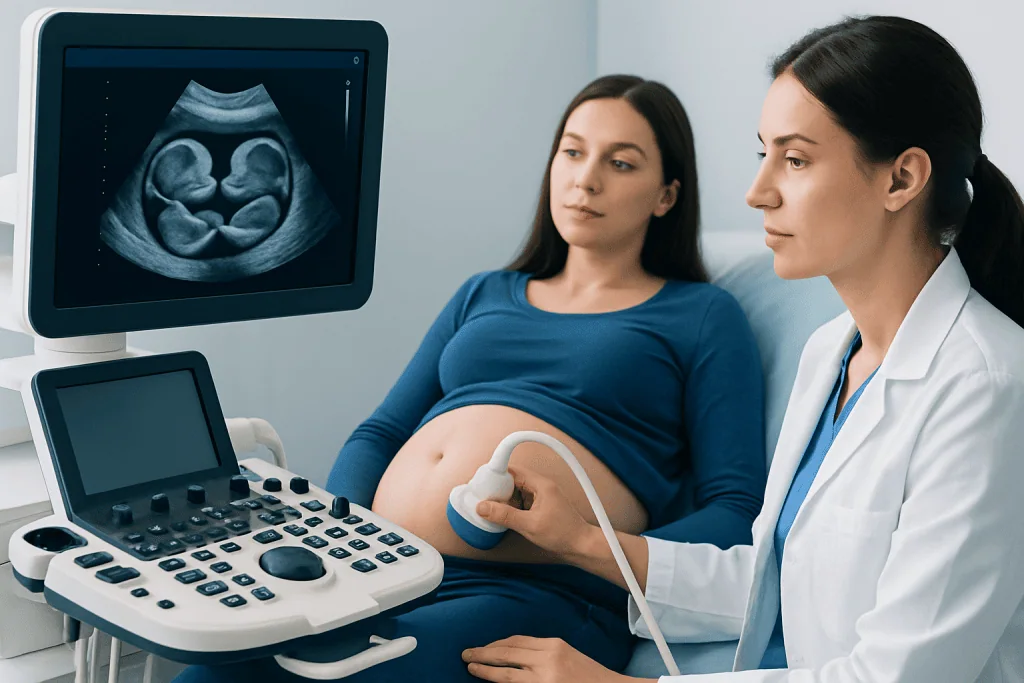
The absence of a dividing membrane means the twins’ umbilical cords can come into contact and may become entangled. Cord entanglement is common in monoamniotic twin pregnancies and is one of the reasons these pregnancies require close observation. Entanglement does not always cause harm, but it can affect blood flow if the cords become compressed.
Because momo twins also share one placenta, there can be problems related to how the blood supply is distributed. Some monochorionic pregnancies develop complications such as twin-to-twin transfusion syndrome, where blood flow becomes unbalanced between the babies. Although this is less typical in monoamniotic pregnancies than in some other shared-placenta twins, doctors still watch for growth differences and signs of circulatory imbalance.
Other concerns include preterm birth, growth restriction, congenital anomalies, and fetal distress. Many complications are not caused by anything the pregnant person did or did not do. They arise from the structure of the pregnancy itself, which is why surveillance is so important even when the mother feels well.
Close monitoring helps the care team assess fetal growth, heart rates, amniotic fluid, placental function, and the overall timing of delivery. Rather than waiting for symptoms alone, clinicians rely on scheduled testing to detect problems early and respond quickly if the pregnancy changes.
Symptoms and What the Pregnant Person May Notice
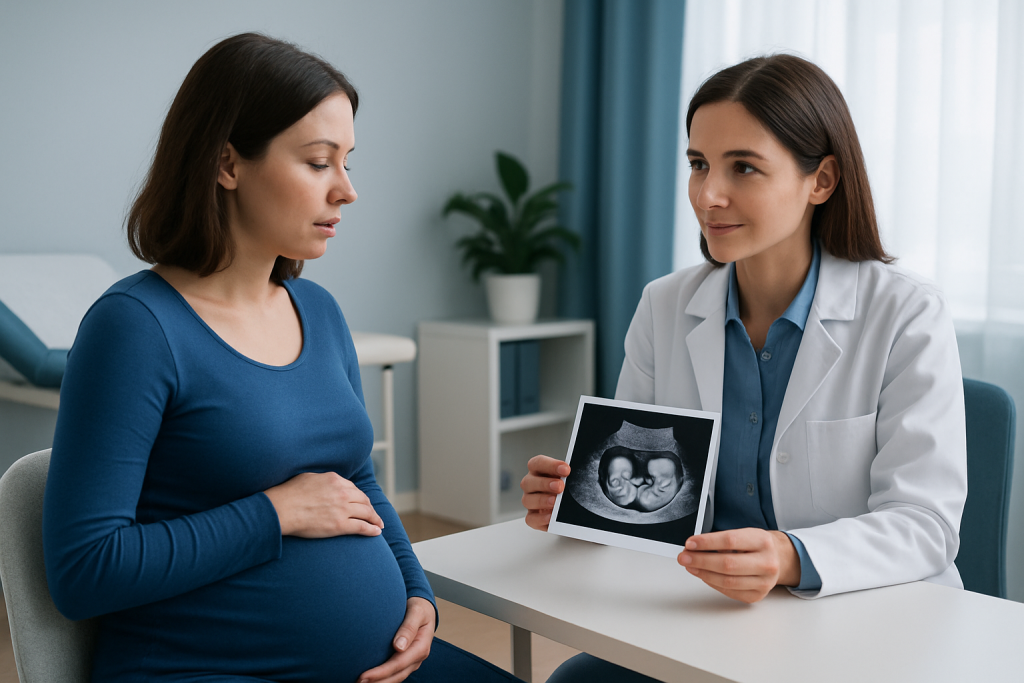
Most people carrying momo twins do not have symptoms that specifically reveal the shared amniotic sac. In many cases, the diagnosis is first suggested during a routine ultrasound. Typical pregnancy symptoms such as nausea, fatigue, breast tenderness, and a growing abdomen may be similar to other pregnancies, although twin pregnancies can sometimes feel more physically demanding.
As the pregnancy progresses, symptoms often relate more to carrying twins than to the monoamniotic nature of the pregnancy. For example, there may be increased pelvic pressure, shortness of breath, back discomfort, or earlier uterine tightening. These symptoms are common in many twin pregnancies and do not necessarily mean there is a complication.
What matters most is noticing warning signs that need medical review. These include vaginal bleeding, leakage of fluid, regular contractions, severe abdominal pain, fever, severe headache, sudden swelling, or a change in fetal movement after movement has become established. Any of these can signal a pregnancy concern that should be assessed promptly.
It can also be emotionally stressful to learn that a pregnancy is high risk. Reassurance, clear communication, and regular appointments often help patients feel more informed and supported during the course of care.
Causes and Risk Factors
Momo twins happen when one fertilized egg splits into two embryos relatively late after conception. This is why momo twins are always identical. They are not caused by lifestyle choices, exercise, work activity, or something the patient ate or failed to do during early pregnancy.
Unlike fraternal twins, which are influenced more strongly by family history, maternal age, and fertility treatment, identical twinning usually occurs sporadically. In other words, most people who become pregnant with momo twins do not have a personal or family factor that clearly predicted it.
Some twin pregnancies occur more often with fertility treatment, and patients seeking care for multiple gestation may also read about IVF treatment. However, monoamniotic twinning itself is not usually something that can be intentionally planned or prevented. Its key feature is the timing of embryo division, not a modifiable maternal risk factor.
Because the pregnancy structure is the main issue, management focuses less on reducing a cause and more on early identification, specialized surveillance, and a delivery plan tailored to maternal and fetal well-being.
How Momo Twins Are Diagnosed
Diagnosis usually begins with ultrasound in the first trimester. Doctors look for evidence that the twins share one placenta and one sac, including the absence of a membrane separating the babies. Early ultrasound is especially useful because it can be easier to define chorionicity and amnionicity before the pregnancy advances.
Once a monoamniotic pregnancy is suspected, follow-up imaging helps confirm the finding and guide ongoing care. Ultrasound is used to check fetal anatomy, growth, cord position, amniotic fluid, and Doppler blood flow when needed. Fetal echocardiography may also be recommended because identical twins, especially monochorionic twins, can have a higher risk of certain structural heart differences.
Patients may hear the term “high-risk pregnancy” and wonder what additional testing this involves. Care often includes more frequent prenatal visits, serial ultrasounds, and fetal surveillance later in pregnancy. In some centers, patients may be monitored partly as outpatients early on and more intensively later, depending on the care plan and local practice.
If advanced fetal assessment is needed, specialists may use dedicated prenatal diagnosis and screening tools to better understand fetal health and guide decisions. The exact schedule varies, but the overall goal is the same: detect complications early and choose the safest time for delivery.
Treatment and Pregnancy Management
There is no treatment that changes momo twins into a lower-risk twin type. Management instead centers on specialized prenatal care, frequent reassessment, and timely delivery. Most patients are referred to maternal-fetal medicine specialists, who coordinate monitoring and work closely with neonatology and obstetric teams.
Ultrasound surveillance is usually more frequent than in singleton pregnancies. Doctors monitor fetal growth, movement, heart activity, and signs of distress or placental complications. Depending on the stage of pregnancy and the center’s protocols, some patients may be advised to have very close outpatient follow-up, while others may be admitted to hospital later in pregnancy for more continuous observation.
Delivery planning is a major part of care. Because the risks rise as pregnancy continues, clinicians often recommend planned preterm delivery rather than waiting for spontaneous labor at term. Cesarean birth is commonly planned for momo twins because of the shared sac and the need to reduce intrapartum risks.
If a patient develops labor symptoms, preeclampsia, bleeding, ruptured membranes, or fetal concerns, the care team may recommend earlier delivery or urgent intervention. In centers experienced with high-risk pregnancy care, management is individualized based on gestational age, maternal health, and fetal assessment.
Self-Care, Emotional Support, and Practical Planning
Self-care in a momo twin pregnancy does not replace medical monitoring, but it can support overall well-being. Patients are usually advised to attend all appointments, take prescribed prenatal vitamins, stay well hydrated, eat a balanced diet, and report new symptoms quickly. It is best to ask the obstetric team about activity, work, travel, and exercise, because recommendations may differ based on the pregnancy’s progress.
Emotional support is also important. High-frequency appointments, uncertainty, and discussions about preterm delivery can be overwhelming. Many patients benefit from practical planning, such as arranging help at home, discussing work leave early, and preparing for the possibility that the babies may need neonatal care after birth.
Questions to raise at appointments may include:
- How often will monitoring be needed?
- What symptoms should prompt an urgent call?
- At what gestational age is delivery likely to be planned?
- Will hospital admission be recommended later in pregnancy?
- What neonatal support is available if the babies are born early?
Near the end of pregnancy, some international patients choose care in centers with coordinated obstetric, fetal medicine, imaging, and neonatal services. Acibadem International’s multidisciplinary specialists and JCI-accredited hospitals diagnose and treat high-risk pregnancies for international patients when this is appropriate.
When to Seek Medical Care
Patients with momo twins should contact their doctor promptly for any concerning symptom, even if it seems mild. Because these pregnancies are monitored closely, it is better to ask early than to wait and wonder. The care team can advise whether symptoms can be watched at home or need same-day evaluation.
Urgent medical review is important for:
- Vaginal bleeding
- Leaking fluid or suspected rupture of membranes
- Regular contractions or increasing pelvic pressure before the planned delivery date
- Severe abdominal pain
- Noticeably decreased fetal movement once movements are established
- Severe headache, visual changes, sudden swelling, chest pain, or shortness of breath
- Fever or signs of infection
Routine care is equally important, even when there are no warning signs. Many problems in momo twin pregnancies are found through scheduled scans rather than symptoms. Keeping every appointment is one of the most helpful steps a patient can take.
If a patient has questions about other twin-related conditions, the obstetric team may also explain differences between monoamniotic twins and multiple pregnancy types with separate sacs or placentas. Clear information can make decisions feel more manageable and less frightening.
Frequently asked questions
What does momo twins mean?
Momo twins means monochorionic monoamniotic twins. They are identical twins who share one placenta and one amniotic sac, without a membrane separating them.
Are momo twins always identical?
Yes. Momo twins come from one fertilized egg that splits into two embryos, so they are identical twins. They usually have the same genetic sex and share many physical characteristics.
Why are momo twins considered high risk?
Momo twins are considered high risk mainly because they share one sac and one placenta. This increases the chance of cord entanglement, preterm birth, and other twin-specific complications that need careful monitoring.
Can momo twins be delivered vaginally?
Delivery plans are individualized, but cesarean delivery is commonly recommended for momo twins. This approach is often chosen because of the shared sac and the need to reduce risks during labor and birth.
How early are momo twins usually delivered?
The exact timing depends on fetal growth, monitoring results, and maternal health. In many cases, delivery is planned earlier than a full-term singleton pregnancy because the risks of continuing the pregnancy may increase later on.
Can a momo twin pregnancy become normal later?
No. Once twins are confirmed to share one placenta and one amniotic sac, that pregnancy structure does not change. Care focuses on monitoring and planning the safest possible delivery rather than changing the type of twin pregnancy.
What kind of doctor manages momo twins?
Momo twins are usually managed by an obstetrician together with a maternal-fetal medicine specialist. Depending on the situation, the care team may also include ultrasound specialists, neonatologists, and anesthesiologists.
References
- American College of Obstetricians and Gynecologists
- Society for Maternal-Fetal Medicine
- National Institute for Health and Care Excellence
- Centers for Disease Control and Prevention
- Royal College of Obstetricians and Gynaecologists
This article is for general information only and is not a substitute for professional medical advice. Please consult a qualified doctor about your individual situation.
Explore treatments in Turkey — costs, top hospitals & a free quote
JCI-accredited · board-certified surgeons · reply within 24h

More from the Health Library


Related Specialists

Prof. Dr. Süleyman Çetinkünar
General Surgery
Dr. C. Elif Erol
Gynecology & Obstetrics
Fzt. Murat Özel
Physical Medicine and Rehabilitation
Dyt. Nur Ecem Baydı Özman
Nutrition & Diet