J Pouch: A Complete Medical Overview

A j pouch is created from the end of the small intestine after the colon and rectum are removed. The operation is also called ileal pouch-anal anastomosis, or IPAA.
Key Takeaways
- A j pouch is created from the end of the small intestine after the colon and rectum are removed.
- The operation is also called ileal pouch-anal anastomosis, or IPAA.
- It is most often considered for ulcerative colitis and some inherited colorectal cancer syndromes such as familial adenomatous polyposis.
- Bowel habits usually change after surgery, with more frequent stools than before a healthy colon.
- Pouchitis, dehydration, and bowel obstruction are among the best-known complications.
- Long-term follow-up with colorectal and digestive specialists is important.
A j pouch is an internal reservoir made from the small intestine to allow bowel movements through the anus after the colon and rectum are removed. It is most commonly used for selected people with ulcerative colitis or familial adenomatous polyposis and can improve quality of life, though it also has risks and long-term care needs.
What a J Pouch Is and Why It Is Done
A j pouch is a surgically created pouch made from the last part of the small intestine, called the ileum. It is shaped like the letter J and connected to the anus so stool can still pass through the usual route after the colon and rectum have been removed. The operation is commonly called ileal pouch-anal anastomosis, or IPAA.
This surgery is not a treatment for everyone with bowel disease. It is mainly considered when the colon and rectum need to be removed, most often because of ulcerative colitis that cannot be controlled with medication, causes severe complications, or carries a concerning cancer risk. It may also be an option for some people with familial adenomatous polyposis, an inherited condition that causes many colon polyps.
A j pouch is designed to avoid a permanent ileostomy in selected patients. However, it is still major surgery, and some people need a temporary ileostomy while the pouch heals. Deciding whether a j pouch is the right option depends on the diagnosis, anal sphincter function, overall health, previous pelvic surgery, and personal preferences about quality of life and bowel function.
Who May Be a Candidate
The best candidates for a j pouch are people who need removal of the colon and rectum but have healthy enough small intestine and anal sphincter muscles to support normal continence. Good sphincter function matters because the pouch stores stool, but the muscles around the anus still control when stool is passed.
Common reasons a specialist may discuss j pouch surgery include severe or medically refractory ulcerative colitis, dysplasia or cancer risk in the colon or rectum, and familial adenomatous polyposis. In contrast, a j pouch is usually not the preferred option for most people with Crohn’s disease because inflammation can affect different parts of the digestive tract and raise the risk of pouch-related complications.
Doctors also consider factors such as age, nutritional status, pelvic anatomy, past abdominal operations, fertility goals, and any history of incontinence. For some people, a permanent ileostomy may offer a simpler or more reliable long-term result. A careful consultation with colorectal surgeons and gastroenterologists helps compare these choices in a realistic, personalized way.
How J Pouch Surgery Is Performed
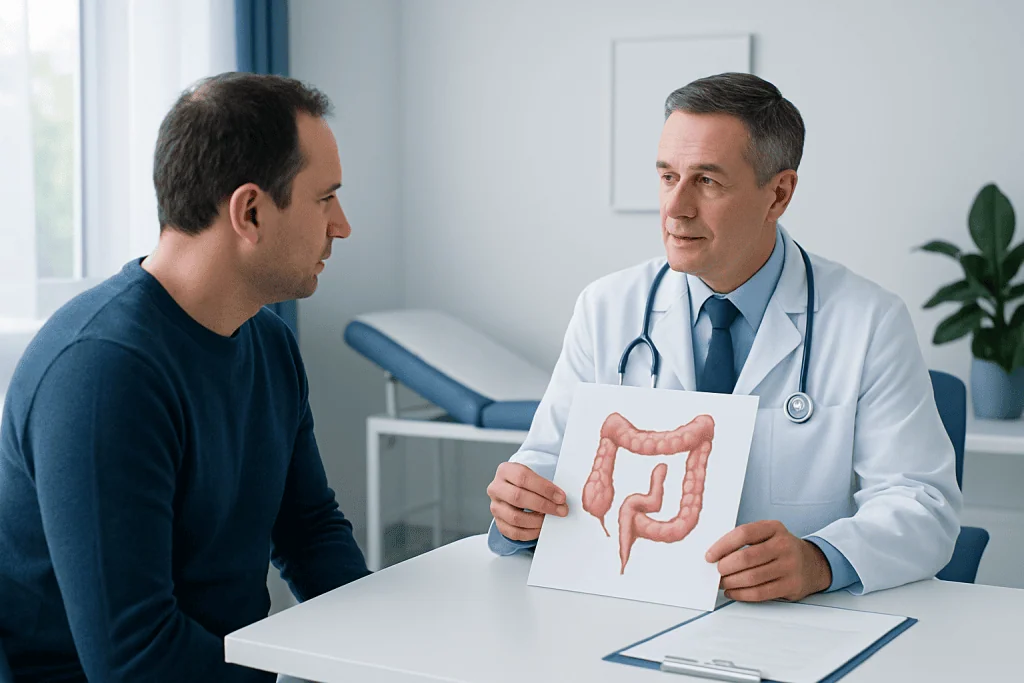
J pouch surgery removes the diseased colon and rectum and uses the ileum to create a new internal reservoir. The surgeon folds the end of the small intestine into a J shape, forms a pouch, and joins it to the anal canal. This allows stool to collect briefly before a bowel movement rather than flowing out continuously.
The operation may be done in one, two, or three stages depending on the person’s health, disease severity, medications, and urgency of surgery. In staged surgery, a temporary ileostomy is often created to divert stool away from the new pouch while it heals. Later, another procedure closes the ileostomy so stool can pass into the pouch.
Many centers perform this operation using minimally invasive approaches when appropriate, including robotic surgery or laparoscopic techniques. These approaches may reduce incision size and support recovery in selected cases, but the best method depends on surgical expertise and the patient’s anatomy and condition.
Before surgery, preparation usually includes imaging, blood tests, nutritional assessment, and a review of medications, especially steroids or immune-suppressing therapies. Patients are also counseled about realistic expectations: a j pouch can preserve anal passage of stool, but bowel habits after surgery are different from those of someone with an intact healthy colon.
Life After Surgery: Expected Bowel Function and Recovery
Recovery happens in stages. In the early weeks after surgery, fatigue, appetite changes, and loose stools are common. Over time, the small intestine adapts and the pouch learns to stretch, which usually reduces stool frequency and improves control. Even after adaptation, bowel movements are generally more frequent than before illness or before colon removal.
Many people pass stool several times during the day and sometimes at night. Stool consistency is often softer because the colon, which normally absorbs water, is no longer present. Learning what foods thicken stool, staying well hydrated, and taking medicines only as advised by the surgical team can all help make bowel function more predictable.
Some people notice urgency, occasional leakage, or irritation of the skin around the anus, especially early on. Pelvic floor support, careful skin care, and gradual dietary adjustments may help. Recovery is not only physical; it also involves adjusting to a new routine and monitoring for complications that can appear weeks, months, or years later.
Follow-up visits are important to review nutrition, hydration, bowel pattern, and quality of life. Patients who have related digestive conditions may continue working with a gastroenterology team as well as colorectal surgeons to manage symptoms and long-term care.
Possible Risks and Complications
Like any major abdominal operation, j pouch surgery carries short-term and long-term risks. Early complications can include bleeding, infection, anastomotic leak, wound problems, or blood clots. Some people may also develop ileus, a temporary slowing of the bowel after surgery, which can delay eating and discharge.
One of the most recognized long-term complications is pouchitis, which is inflammation of the pouch. Symptoms may include increased stool frequency, urgency, abdominal cramping, pelvic discomfort, fever, or feeling generally unwell. Pouchitis is often treatable, but recurrent episodes may need ongoing specialist care.
Other possible complications include small bowel obstruction from scar tissue, narrowing at the pouch connection, fistulas, difficulty emptying the pouch, dehydration, reduced fertility after pelvic surgery, and problems with continence. Rarely, the pouch may fail and need to be revised or removed. These possibilities can sound daunting, but not everyone experiences them, and many issues can be treated when recognized early.
It is also important that symptoms are interpreted carefully. A person with ongoing diarrhea or abdominal pain may need evaluation to distinguish pouchitis from infection, cuff inflammation, irritable bowel symptoms, or conditions such as Crohn's disease if the diagnosis is uncertain or has changed over time.
How Doctors Diagnose Pouch Problems
Diagnosis begins with a detailed history of symptoms and a physical examination. Doctors ask about stool frequency, urgency, leakage, pain, fever, blood in the stool, nighttime symptoms, and how quickly the changes developed. They also review diet, hydration, medications, prior operations, and whether a person has had pouch problems before.
Tests are chosen based on the suspected issue. Blood tests may look for inflammation, infection, anemia, or dehydration. Stool tests can help rule out infectious causes of diarrhea. Imaging may be used when obstruction, abscess, or leak is suspected.
A pouch endoscopy is often one of the most useful tests. During this procedure, a doctor looks inside the pouch and nearby bowel lining to check for inflammation, narrowing, ulcers, or other abnormalities. In some cases, biopsy samples are taken. This direct evaluation helps guide treatment and can distinguish one cause of symptoms from another.
Treatment Options and Long-Term Management
Treatment depends on the problem being treated. Uncomplicated pouchitis is often managed with medication prescribed by a doctor after appropriate evaluation. Recurrent or chronic pouch inflammation may require a broader plan that can include additional medicines, dietary support, and follow-up endoscopy. If symptoms are due to narrowing, poor pouch emptying, or pelvic floor issues, the treatment approach is different.
Mechanical complications sometimes need procedures rather than medication. For example, a stricture may be dilated, an abscess may need drainage, and severe obstruction may require surgery. In selected cases, additional colorectal procedures are needed to revise the pouch or address a complication. This is why long-term outcomes are usually best when care is coordinated across surgery, digestive medicine, imaging, nutrition, and specialized nursing.
Nutrition and hydration are central parts of management. Because the colon is no longer absorbing fluid in the usual way, patients may need to pay closer attention to drinking enough fluids and replacing salts, especially during hot weather, stomach infections, or periods of frequent stools. A dietitian can help identify foods that worsen gas, loose stools, or blockage risk.
For patients seeking advanced evaluation or treatment, a multidisciplinary approach may be helpful, including colon and rectal surgery expertise. Near the end of the care pathway, international patients may also choose centers such as Acibadem International, where multidisciplinary specialists in JCI-accredited hospitals diagnose and treat complex colorectal conditions.
Self-Care, Daily Tips, and When to Seek Medical Care
Living well with a j pouch often involves practical routines rather than strict rules. Helpful habits may include eating regular meals, trying new foods gradually, chewing thoroughly, staying hydrated, and keeping a simple record of foods that trigger urgency or gas. Perianal skin can become irritated by frequent stools, so gentle cleansing and barrier creams may be useful when recommended by a clinician.
People should also learn the signs of dehydration, such as unusual thirst, dizziness, dark urine, and reduced urine output. During stomach bugs, hot weather, or episodes of increased stool frequency, fluid needs may rise. It is sensible to ask the care team for individualized guidance about exercise, travel, work, and medication use after surgery.
Medical review is important if there is a sudden increase in stool frequency, persistent abdominal pain, fever, vomiting, blood in the stool, trouble passing stool, ongoing leakage, or symptoms of dehydration. New or worsening symptoms do not always mean a serious problem, but they do deserve prompt assessment because early treatment can prevent complications and improve comfort.
- Seek urgent care for severe abdominal pain, repeated vomiting, inability to pass stool or gas, heavy rectal bleeding, or fainting.
- Arrange non-urgent review for persistent nighttime bowel movements, recurring urgency, unexplained weight loss, or symptoms that keep returning.
- Continue routine follow-up even when feeling well, because long-term pouch health benefits from regular specialist review.
Frequently asked questions
Is a j pouch the same as an ileostomy?
No. A j pouch is an internal pouch created from the small intestine and connected to the anus, while an ileostomy brings the small intestine to an opening on the abdominal wall. Some people temporarily have an ileostomy while the j pouch heals.
How many bowel movements are normal with a j pouch?
Bowel frequency varies from person to person and often changes over time as the pouch adapts. Many people have more frequent bowel movements than someone with an intact colon, including the possibility of nighttime stools. A specialist can help judge whether a pattern is expected or suggests a complication.
Can a person live a normal life with a j pouch?
Many people return to work, travel, exercise, and social activities after recovery. Daily routines may need adjustment, especially around hydration, diet, and bathroom access. Long-term quality of life depends on factors such as the original disease, pouch function, and whether complications occur.
What is pouchitis and how does it feel?
Pouchitis is inflammation of the j pouch. It may cause more frequent stools, urgency, cramping, pelvic discomfort, fatigue, or sometimes fever. These symptoms can overlap with other problems, so medical assessment is important before treatment.
Is j pouch surgery reversible?
J pouch surgery is a major reconstructive procedure and is not considered simply reversible. In some situations, a pouch may fail and need revision, diversion, or removal. Anyone considering surgery should discuss the long-term implications carefully with a colorectal surgeon.
Who is not a good candidate for a j pouch?
A j pouch may be less suitable for people with poor anal sphincter control, certain complex pelvic conditions, severe medical frailty, or disease patterns more consistent with Crohn's disease. Previous surgeries and personal priorities also matter. The decision is individualized rather than based on a single rule.
References
- National Institute of Diabetes and Digestive and Kidney Diseases
- American Society of Colon and Rectal Surgeons
- Crohn's & Colitis Foundation
- National Health Service
- Mayo Clinic
This article is for general information only and is not a substitute for professional medical advice. Please consult a qualified doctor about your individual situation.
Persistent digestive symptoms? Get evaluated in Turkey
JCI-accredited · board-certified surgeons · reply within 24h