

Obliques Muscle: What Patients Need to Know
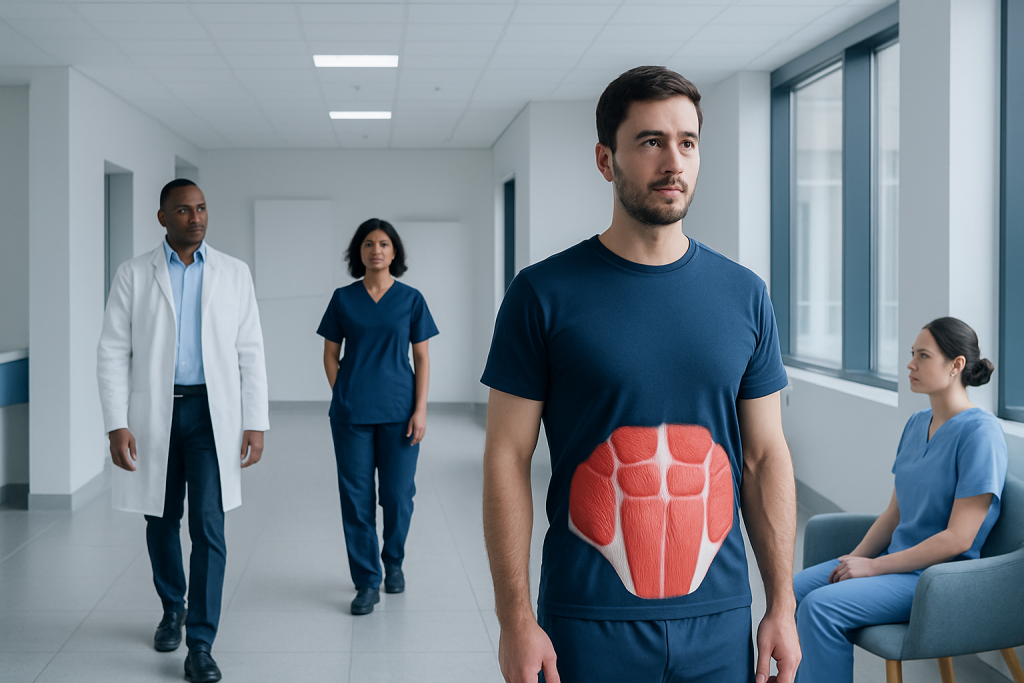
The obliques muscle includes the external and internal oblique muscles on each side of the abdomen. These muscles help the body rotate, bend sideways, support posture, and stabilize the trunk.
Key Takeaways
- The obliques muscle includes the external and internal oblique muscles on each side of the abdomen.
- These muscles help the body rotate, bend sideways, support posture, and stabilize the trunk.
- Oblique pain is often caused by muscle strain, overuse, poor movement mechanics, or sudden twisting.
- Diagnosis is usually based on symptoms and a physical exam, with imaging used when another condition is suspected.
- Most mild oblique injuries improve with rest, activity changes, and guided rehabilitation.
- Medical care is important for severe pain, swelling, breathing difficulty, fever, or pain that may come from another organ.
The obliques muscle refers to the muscles along the sides of the abdomen that help with twisting, bending, posture, and core stability. Patients usually notice the obliques when they become sore or strained, but these muscles are also important for breathing, balance, and protecting the spine during daily movement.
Overview: what the obliques muscle does
The obliques muscle is a common term for the side abdominal muscles, which include the external oblique and internal oblique on both sides of the body. These muscles sit between the lower ribs and the pelvis and work together with other core muscles to support the trunk. They help create controlled movement while also protecting the spine during everyday activities.
Patients often search for the obliques muscle because of soreness after exercise, pain with twisting, or questions about core strength. In simple terms, these muscles help the body rotate, bend sideways, maintain posture, and stabilize the midsection when lifting, coughing, reaching, or changing position. They also assist breathing by helping move the rib cage and abdomen.
Unlike some articles that focus mainly on sports training, a patient-centered view is broader. Oblique symptoms are not only related to exercise routines. They can also appear after household work, sudden awkward movement, prolonged coughing, poor posture, or recovery from another illness. Understanding the role of the obliques can make it easier to recognize when discomfort is likely muscular and when it may need medical evaluation.
Anatomy and function of the oblique muscles
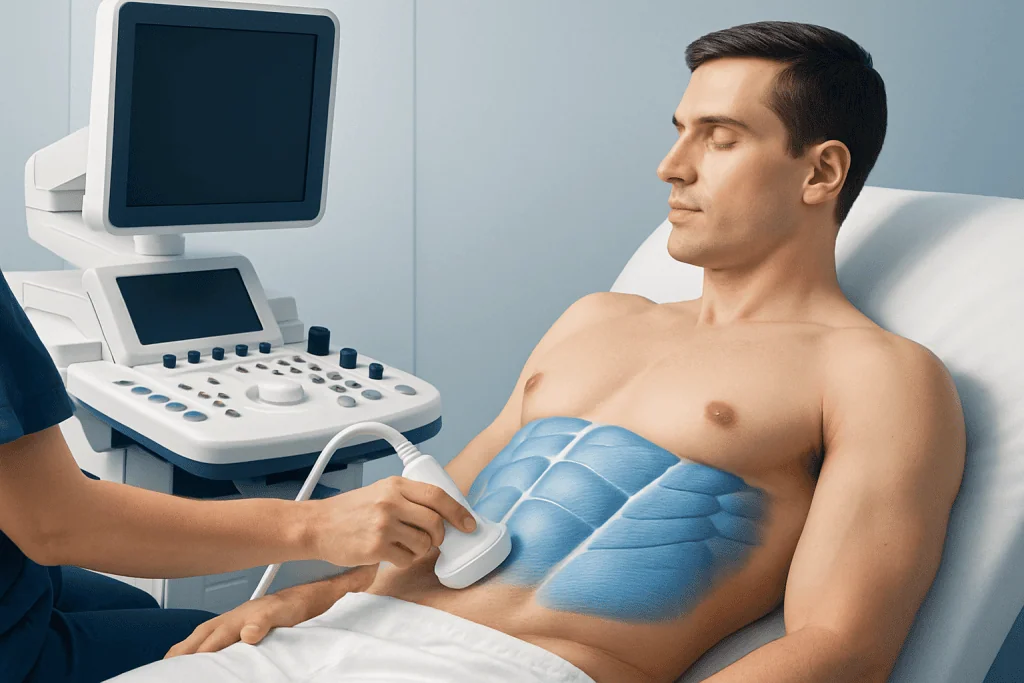
The external oblique is the more superficial layer, meaning it lies closer to the skin. It runs diagonally downward from the lower ribs toward the middle of the abdomen and pelvis. The internal oblique lies just underneath it and runs in a different diagonal direction. This crisscross arrangement gives the side of the abdomen both strength and flexibility.
Together, the obliques support several important functions. They rotate the trunk, help bend the body to one side, and resist unwanted movement when the body needs stability. They also work with the rectus abdominis, transverse abdominis, back muscles, diaphragm, and pelvic floor. This teamwork is why oblique health matters not only for sports but also for back comfort, balance, and safe movement.
The obliques are especially active during common tasks such as getting out of bed, carrying a child, turning to look behind, pushing a heavy door, and lifting groceries. Because they are involved in so many motions, pain in this area can affect work, sleep, exercise, and daily confidence. Weakness or poor coordination in the core may also place more stress on nearby areas, including the lower back and hips.
Common symptoms and what oblique pain feels like

Oblique muscle discomfort often feels like pain, tenderness, tightness, or a pulling sensation along the side of the abdomen or lower ribs. Some patients notice the pain only with movement, while others feel soreness at rest after a strain. Twisting, coughing, laughing, sneezing, reaching overhead, or getting up from a chair may make symptoms more noticeable.
A mild strain may cause localized soreness and stiffness. A more significant injury can lead to sharper pain, muscle spasm, swelling, or bruising. Some people also describe a feeling of weakness when trying to turn or stabilize the torso. Symptoms may appear suddenly after a forceful movement or develop gradually from overuse.
Because the obliques are near the ribs, back, and abdominal organs, pain in this area is not always caused by muscle tissue alone. In some cases, side abdominal pain may be related to a rib problem, hernia, digestive condition, kidney issue, or another cause. This is one reason a persistent or unclear symptom pattern should be assessed by a qualified doctor rather than self-diagnosed.
- Pain with twisting, bending, coughing, or exercise
- Tenderness along the side of the abdomen
- Muscle tightness or spasm
- Swelling or bruising after an acute injury
- Reduced comfort during walking, lifting, or turning in bed
Causes and risk factors
The most common cause of oblique pain is muscle strain. This happens when muscle fibers are overstretched or partially torn, often during sudden twisting, forceful reaching, heavy lifting, or intense exercise. Repetitive sports such as tennis, golf, rowing, baseball, and swimming can stress the obliques, but non-athletes may also strain them during chores, work tasks, or a sudden slip.
Other triggers include poor conditioning, inadequate warm-up, weak core support, muscle fatigue, and returning to activity too quickly after a previous injury. Prolonged coughing can also overload the obliques. Pregnancy, posture changes, and deconditioning may alter the way the trunk muscles work together, sometimes increasing strain on the side abdominal wall.
Not all pain in the oblique area comes from the muscle itself. Conditions such as a hernia, rib cartilage irritation, spinal problems, or digestive disease can mimic muscular pain. For example, abdominal wall symptoms may sometimes need to be distinguished from a hernia or from other abdominal complaints. If the pain is severe, unexplained, or associated with digestive symptoms, the clinician may consider broader causes, including appendicitis when the location and symptoms fit that pattern.
How doctors diagnose oblique muscle problems
Diagnosis usually begins with a detailed history. The doctor asks when the pain started, what movements trigger it, whether there was an injury, and whether symptoms are improving or getting worse. Questions about fever, nausea, urinary symptoms, breathing problems, or changes in bowel habits help identify whether the source may be muscular or related to another body system.
A physical examination often provides the key information. The doctor may gently press along the abdominal wall, check for swelling or bruising, and ask the patient to twist, bend, or tighten the abdominal muscles. Pain that is reproducible with specific trunk movements often suggests a muscular source. The exam also looks for signs of hernia, rib injury, spine-related pain, or internal abdominal causes.
Imaging is not always needed for a straightforward strain. However, ultrasound, X-ray, or MRI may be used if symptoms are severe, prolonged, or atypical, or if the doctor needs to rule out another condition. In some cases, especially when the diagnosis is uncertain, a broader evaluation of the abdomen may be recommended. Accurate diagnosis matters because treatments differ depending on whether the problem is a simple strain, a tear, a hernia, or a non-muscular condition.
Treatment options and recovery
Most oblique muscle strains improve with conservative care. Early treatment often includes relative rest, avoiding painful twisting or heavy lifting, and using a gradual return to normal movement rather than complete inactivity for a long period. A doctor may suggest short-term pain relief measures and supportive strategies based on the individual’s symptoms and medical history.
As the pain settles, rehabilitation becomes important. Gentle stretching, breathing work, posture correction, and progressive core strengthening can help restore normal muscle function. Many patients benefit from physical therapy and rehabilitation to improve movement patterns and reduce the chance of re-injury. Exercises are usually advanced in stages so the obliques can tolerate load again without flare-ups.
If another cause is found, treatment is directed at that diagnosis. For example, patients with a confirmed abdominal wall defect may need hernia repair rather than muscle rehabilitation alone. In more complex cases involving spine, rib, or abdominal conditions, care may involve a multidisciplinary team. Near the end of the treatment journey, specialists focus on safe return to work, sport, and daily activities rather than symptom control alone.
Recovery time varies depending on whether the injury is mild, moderate, or severe and whether the pain truly comes from the muscle. Mild strains may improve over days to a few weeks, while more significant tears can take longer. Persistent pain should not be pushed through, because ongoing overload may delay healing.
Prevention and self-care for healthier obliques
Prevention focuses on balanced core function rather than simply making the side abdominal muscles stronger. Regular activity, gradual progression in exercise, and attention to movement technique can reduce stress on the obliques. Warming up before sports or lifting and avoiding sudden spikes in training volume are practical steps that support muscle health.
At home, patients can protect the obliques by using good body mechanics when lifting, turning the whole body instead of twisting suddenly, and pausing activity if sharp pain starts. Staying active within comfortable limits is often more helpful than prolonged bed rest. If coughing is frequent from a respiratory illness, treating the underlying problem may also reduce repeated muscle strain.
General self-care may include gentle stretching once acute pain has eased, hydration, adequate sleep, and gradual reconditioning of the abdomen, back, hips, and gluteal muscles. Because the obliques work as part of a larger system, improving overall trunk stability can be more effective than focusing on one isolated muscle. Patients with recurring pain may benefit from a clinician-guided exercise plan.
For international patients who need further assessment, Acibadem International’s multidisciplinary specialists and JCI-accredited hospitals diagnose and treat abdominal wall, musculoskeletal, and related conditions with coordinated care.
When to seek medical care
Medical assessment is recommended if oblique-area pain is severe, follows a significant injury, or does not improve with rest and activity adjustment. A patient should also seek care if the pain repeatedly returns, interferes with breathing or walking, or prevents normal daily activities. These features can suggest a more serious strain or a problem that is not muscular.
Urgent medical care is needed for symptoms such as fever, persistent vomiting, chest pain, shortness of breath, fainting, a visible abdominal bulge, marked swelling, or severe abdominal tenderness. These symptoms may point to another condition that needs prompt attention. New pain after surgery or in a person with major medical conditions should also be assessed without delay.
Patients do not need to determine the exact cause on their own. A qualified doctor can decide whether the problem is likely an oblique strain, another abdominal wall issue, or a condition involving the spine, ribs, lungs, kidneys, or digestive system. Early evaluation is especially helpful when the symptom pattern is unclear.
Frequently asked questions
What is the obliques muscle?
The obliques muscle refers to the external and internal oblique muscles on the sides of the abdomen. These muscles help the body twist, bend sideways, stabilize the trunk, and support posture and breathing.
How can someone tell if oblique pain is a muscle strain?
Oblique strain pain often gets worse with twisting, bending, coughing, laughing, or sitting up. The area may feel tender or tight, and symptoms often begin after overuse or a sudden movement. However, only a clinician can confirm that the pain is muscular and not from another cause.
How long does an oblique muscle strain take to heal?
Healing time depends on the severity of the injury and the patient’s overall health and activity level. Mild strains may improve within days to a few weeks, while more significant injuries can take longer and may need guided rehabilitation.
Can oblique muscle pain be mistaken for something else?
Yes. Pain on the side of the abdomen can sometimes come from a hernia, rib injury, spinal problem, kidney issue, or digestive condition rather than the muscle itself. This is why persistent, severe, or unusual symptoms should be medically evaluated.
Should exercise continue with oblique muscle pain?
It is usually best to avoid movements that clearly worsen pain, especially twisting or heavy lifting in the early phase. Gentle movement is often helpful, but returning too quickly to intense exercise may delay recovery. A doctor or physical therapist can guide a safe progression.
When should a patient worry about side abdominal pain?
A patient should seek prompt medical care if side abdominal pain is severe, comes with fever, vomiting, chest pain, shortness of breath, fainting, or a visible bulge. Pain that keeps returning or does not improve also deserves medical attention.
References
- Cleveland Clinic
- Mayo Clinic
- American Academy of Orthopaedic Surgeons
- National Institute of Arthritis and Musculoskeletal and Skin Diseases
- MedlinePlus
This article is for general information only and is not a substitute for professional medical advice. Please consult a qualified doctor about your individual situation.
Joint and spine care in Turkey — expert assessment & treatment
JCI-accredited · board-certified surgeons · reply within 24h

More from the Health Library

Related Specialists

Assoc. Prof. Dr. Serap Aktaş Yıldırım
Anesthesiology
Dr. Gökçe Gökkaya
Gynecology & Obstetrics
Dr. Cennet Yıldırım
Psychiatry
Prof. Dr. U. Emrah Altiparmak
Ophthalmology