Biophysical Profile — Explained by Medical Evidence, Not Myths

A biophysical profile evaluates fetal well-being using ultrasound and usually a nonstress test. It looks at movement, muscle tone, breathing movements, amniotic fluid, and sometimes fetal heart rate reactivity.
Key Takeaways
- A biophysical profile evaluates fetal well-being using ultrasound and usually a nonstress test.
- It looks at movement, muscle tone, breathing movements, amniotic fluid, and sometimes fetal heart rate reactivity.
- The test is painless, noninvasive, and commonly used in pregnancies that need extra monitoring.
- An abnormal score does not always mean a baby is in danger, but it does need prompt medical interpretation.
- Results are considered alongside gestational age, symptoms, and the overall pregnancy picture.
A biophysical profile is a prenatal assessment that combines ultrasound findings with fetal heart rate monitoring to check a baby's well-being before birth. It is most often used when a pregnancy needs closer observation, and it helps doctors decide whether monitoring can continue safely or whether further evaluation is needed.
Overview: what a biophysical profile means
A biophysical profile is a prenatal test that helps assess how a baby is doing in the womb. It usually combines an ultrasound examination with a nonstress test, which records the baby’s heart rate pattern. Together, these measurements give doctors a structured way to evaluate fetal well-being, especially when a pregnancy needs closer follow-up.
The test does not diagnose every possible problem. Instead, it looks for signs that suggest the baby is getting enough oxygen and is able to move and respond normally. In many cases, a reassuring result supports continued monitoring, while a less reassuring result may lead to repeat testing, additional evaluation, or a discussion about the safest timing of delivery.
A biophysical profile is often performed in the third trimester. It may be recommended when a pregnancy goes past the due date, when there are maternal health conditions such as high blood pressure or diabetes, or when there is concern about the baby’s growth, movement, or the amount of amniotic fluid. Some people have a full biophysical profile, while others have a modified version that pairs a nonstress test with an amniotic fluid assessment.
What the test checks and how scoring works
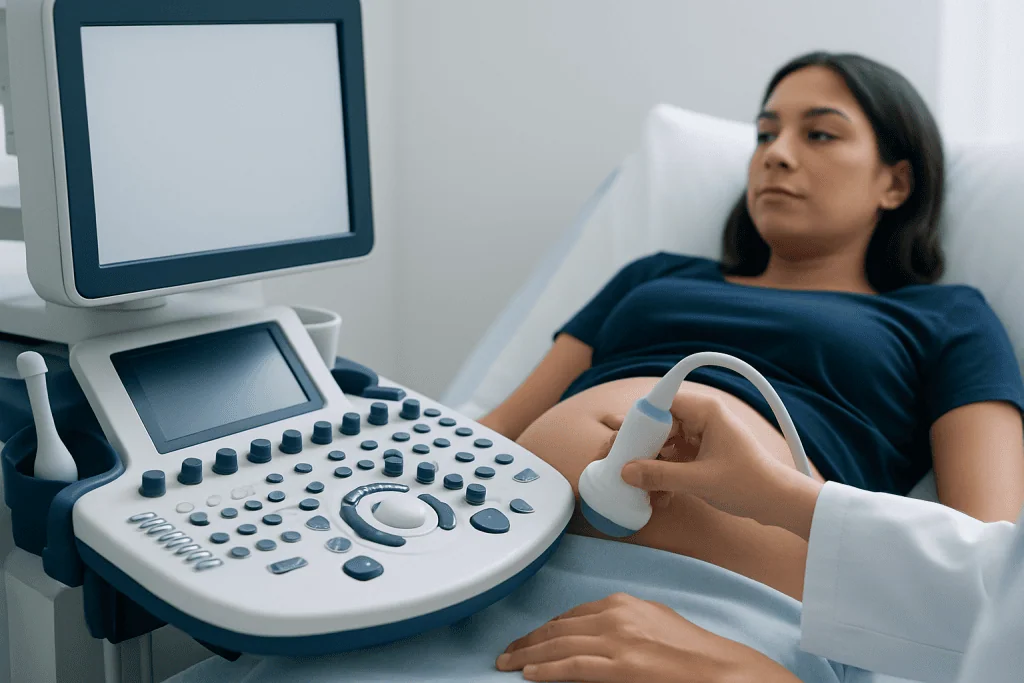
The biophysical profile evaluates several features that reflect the baby’s current condition. During ultrasound, the clinician looks for body movements, breathing-like movements, muscle tone, and the amount of amniotic fluid around the baby. If a nonstress test is included, the baby’s heart rate is monitored to see whether it rises appropriately with movement.
Each part is typically scored as either normal or not normal for that moment in time. The total score helps the care team decide whether the findings are reassuring, whether the test should be repeated, or whether the pregnancy needs more immediate attention. Because this is a snapshot rather than a prediction of everything that may happen next, the score is always interpreted in clinical context.
- Fetal movement: visible body or limb movements on ultrasound.
- Fetal tone: normal flexion and extension, such as opening and closing a hand or bending and straightening a limb.
- Fetal breathing movements: rhythmic breathing-like motion of the chest or diaphragm.
- Amniotic fluid volume: enough fluid around the baby to suggest the placenta is supporting normal circulation.
- Nonstress test: a reactive heart rate pattern that rises appropriately with activity.
A normal score is generally reassuring, but the meaning depends on how far along the pregnancy is and why the test was ordered. For example, early gestational age, certain medications, or a sleeping baby can temporarily affect some parts of the examination. That is one reason the result is often combined with the person’s symptoms, blood pressure, laboratory data, and other prenatal findings.
When a biophysical profile may be recommended
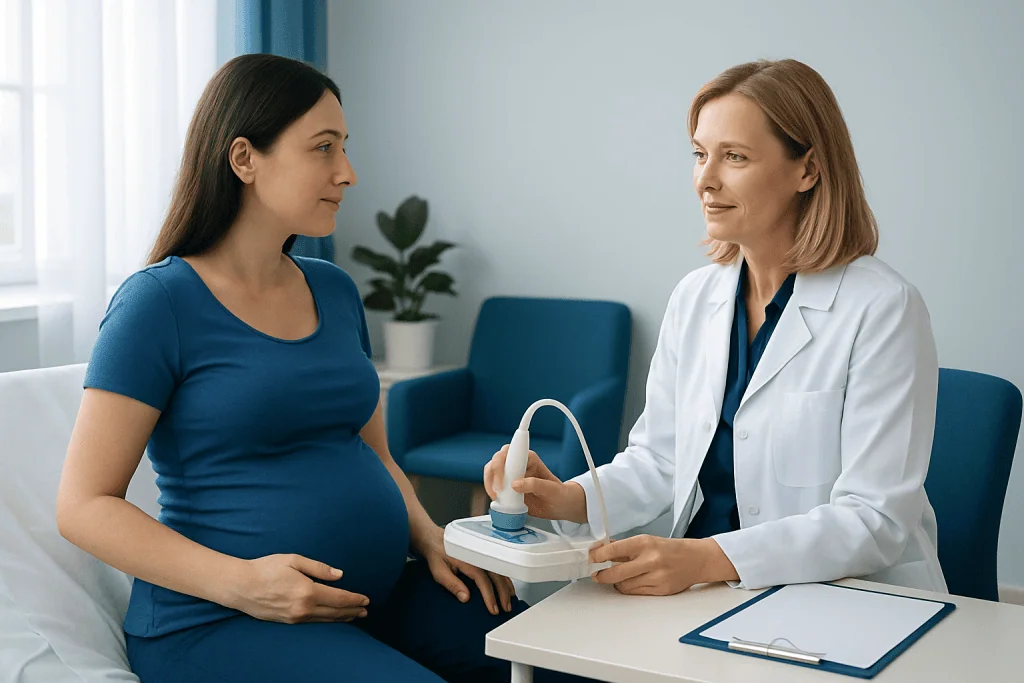
This test is commonly used when doctors want more information about fetal well-being than routine prenatal visits can provide. It may be ordered once or repeated regularly, depending on the situation. Some people have it after noticing decreased fetal movement, while others have it as part of planned surveillance for a high-risk pregnancy.
Common reasons include pregnancy past the due date, high blood pressure, preeclampsia, diabetes, autoimmune disease, reduced fetal growth, multiple pregnancy, concerns about placental function, or a history of stillbirth or pregnancy complications. It may also be used when there is concern about amniotic fluid levels or after an unclear nonstress test.
A biophysical profile is not only for emergencies. Often, it is used to gather evidence over time and to support safer decisions about continuing the pregnancy versus considering delivery. In some settings, related assessments such as high-risk pregnancy monitoring or targeted pregnancy follow-up and delivery care are part of the broader care plan.
How the test is performed and what to expect
The test is usually done in an outpatient clinic or hospital setting. For the ultrasound portion, gel is placed on the abdomen and a handheld probe is moved across the skin to visualize the baby. The sonographer or doctor observes movement, tone, breathing motions, and amniotic fluid. This part is painless and does not use radiation.
If a nonstress test is included, two monitors are placed on the abdomen with soft belts. One records the baby’s heart rate and the other may detect contractions. The pregnant person usually sits in a reclined chair or lies comfortably while the tracing is monitored for a set period, often around 20 to 40 minutes, though timing can vary if the baby is sleeping.
No special preparation is usually needed unless the care team gives specific instructions. Some clinicians may suggest eating beforehand because babies are sometimes more active after a meal, but this is not always necessary. Wearing comfortable clothing can make the visit easier.
Because the baby has natural sleep and wake cycles, the test may occasionally take longer than expected. If the baby is quiet, the clinician may continue watching for a little longer before interpreting the results. This is one reason an incomplete or borderline study does not automatically mean a serious problem is present.
Understanding the results and what happens next
A reassuring biophysical profile usually means the baby showed expected signs of well-being at the time of testing. In many cases, the pregnancy can continue with routine or planned follow-up. If the pregnancy is considered high risk, repeat testing may still be recommended once or twice weekly or at another interval chosen by the care team.
A lower or nonreassuring score can have different meanings. Sometimes it reflects temporary factors, such as a fetal sleep cycle, medications, or gestational age. In other cases, it may suggest that the baby needs closer assessment because placental function could be reduced or because there may be less reserve if the pregnancy continues.
Next steps may include repeating the biophysical profile, extending fetal monitoring, performing a Doppler ultrasound, reviewing growth and amniotic fluid trends, or discussing delivery if the pregnancy is far enough along and the findings remain concerning. In selected situations, doctors may also evaluate for conditions such as preeclampsia or recommend more advanced maternal-fetal assessment. If delivery becomes the safest option, care may involve specialists in obstetrics and gynecology.
It is helpful to remember that this test is one piece of clinical information, not a verdict on the pregnancy. Doctors interpret it together with symptoms, blood pressure, laboratory tests, fetal growth, and gestational age. Asking the care team what the score means in that specific pregnancy can make the result easier to understand.
Limits, benefits, and common misconceptions
One reason the biophysical profile is widely used is that it is noninvasive and provides meaningful information without exposing the fetus to radiation. It can help identify pregnancies that appear stable and can continue to be monitored, while also helping detect situations where further evaluation may be safer than waiting. This makes it a practical tool in many high-risk settings.
At the same time, the test has limits. A normal result does not guarantee that no problem will occur later, and an abnormal result does not always mean a baby is in immediate danger. The findings can be influenced by timing, fetal sleep, maternal medications, and how far the pregnancy has progressed.
A common myth is that every abnormal score leads directly to an emergency delivery. In reality, doctors look at the whole clinical picture before deciding on next steps. Another misconception is that the biophysical profile replaces all other prenatal care. It does not; it works best as part of broader pregnancy assessment, which may include growth scans, blood pressure checks, lab tests, and symptom review.
For people who need specialist input, multidisciplinary maternal-fetal care can be valuable. Near the end of the care pathway, Acibadem International’s multidisciplinary specialists in JCI-accredited hospitals diagnose and manage high-risk pregnancies for international patients when more detailed evaluation or coordinated treatment is needed.
Self-care and when to seek medical care
There is no home treatment that replaces a biophysical profile when a clinician recommends one. The most helpful self-care steps are to attend prenatal appointments, follow advice about fetal movement awareness, take prescribed medicines as directed, and report new symptoms promptly. Good hydration, rest, and managing chronic conditions such as diabetes or hypertension can also support overall pregnancy care, though they do not substitute for medical monitoring.
People should contact their maternity team promptly if they notice decreased or absent fetal movement, vaginal bleeding, leaking fluid, regular painful contractions before term, severe abdominal pain, severe headache, vision changes, sudden swelling, chest pain, or shortness of breath. These symptoms do not always signal a serious complication, but they need timely medical review.
If a biophysical profile result is unclear or lower than expected, it is important to follow the recommended plan for repeat testing or hospital assessment. Delaying follow-up can make it harder to understand whether the findings were temporary or part of a developing issue. Urgent or emergency care may be needed if symptoms are severe, rapidly worsening, or accompanied by signs of maternal illness.
Frequently asked questions
Is a biophysical profile the same as an ultrasound?
Not exactly. A biophysical profile includes an ultrasound assessment and often adds a nonstress test to monitor the baby's heart rate. The ultrasound is a major part of the test, but the full biophysical profile is broader than a routine scan.
How long does a biophysical profile take?
It often takes about 30 to 60 minutes, depending on whether a nonstress test is included and how active the baby is. If the baby is asleep or not showing enough movement right away, the test may take longer.
Does a low biophysical profile score always mean something is wrong?
No. A lower score can sometimes happen because the baby is sleeping, the pregnancy is at an earlier gestational age, or certain medications affect activity. However, a low or borderline score does need prompt review by a qualified clinician.
Why would this test be repeated more than once?
Some pregnancies need ongoing monitoring rather than a single assessment. If there is high blood pressure, diabetes, reduced fetal growth, or another concern, repeat biophysical profiles can help doctors follow changes over time and make safer decisions.
Is a biophysical profile safe for the baby?
Yes, it is generally considered safe. It uses ultrasound and external heart rate monitoring, both of which are standard tools in prenatal care and do not involve radiation.
What is the difference between a biophysical profile and a nonstress test?
A nonstress test looks mainly at how the baby's heart rate responds to movement. A biophysical profile adds ultrasound observations such as movement, tone, breathing motions, and amniotic fluid, giving a broader picture of fetal well-being.
References
- American College of Obstetricians and Gynecologists
- Society for Maternal-Fetal Medicine
- National Institute for Health and Care Excellence
- World Health Organization
This article is for general information only and is not a substitute for professional medical advice. Please consult a qualified doctor about your individual situation.
Heart care in Turkey — expert evaluation and treatment
JCI-accredited · board-certified surgeons · reply within 24h
Check your numbers in seconds
BMI, calories, due date, blood pressure and 30+ more clinical calculators — free, instant, doctor-reviewed ranges.

More from the Health Library



Related Specialists

Dr. Halil Buluç
Anesthesiology
Dr. Nihal Üstün
Aesthetic Plastic & Reconstructive Surgery
Dr. Çağla Su Doğangün Ayduk
Oral and Dental Health
Dt. Mete Dalbeler
Oral & Dental Health