Is Chiropractic Pseudoscience? Causes, Explanations, and Next Steps

The question is less whether all chiropractic is pseudoscience and more which claims are evidence-based and which are not. Spinal manipulation may help some people with acute or subacute low back pain, but it is not a cure-all.
Key Takeaways
- The question is less whether all chiropractic is pseudoscience and more which claims are evidence-based and which are not.
- Spinal manipulation may help some people with acute or subacute low back pain, but it is not a cure-all.
- Claims that spinal adjustments treat infections, asthma, high blood pressure, or other systemic diseases are not well supported by evidence.
- Neck pain, back pain, or stiffness are often harmless and improve with time, movement, and conservative care, but red flags need medical review.
- A doctor may recommend examination, imaging, or referral depending on symptoms, age, injury history, and neurologic findings.
- People should seek qualified medical advice before manipulation if they have severe pain, weakness, numbness, trauma, fever, cancer history, or bowel or bladder changes.
Chiropractic is not a single, all-or-nothing idea. Some chiropractic claims are not supported by strong evidence, while certain manual therapy techniques, especially for some types of back pain, may help selected patients when used appropriately and alongside standard medical care.
Overview: Is chiropractic pseudoscience?
In many cases, back or neck discomfort is caused by muscle strain, posture, overuse, or minor joint irritation, and it often improves with time and conservative care. That is why questions about chiropractic usually come up in a practical context: a person wants to know whether it is a reasonable option for common pain, or whether it relies on ideas that are not scientifically sound.
The most accurate answer is that chiropractic is mixed rather than purely one thing. Some parts of chiropractic practice overlap with evidence-based musculoskeletal care, especially hands-on treatment, exercise advice, and short-term symptom relief for some people with low back pain. Other claims, particularly the idea that spinal “misalignments” routinely cause a wide range of internal diseases and that adjustments can correct them, are not supported by good-quality evidence.
So the issue is not simply whether chiropractic is pseudoscience, but which chiropractic explanations and treatments are evidence-based. A careful medical view separates supported uses from unsupported claims. This helps patients make informed choices, avoid unrealistic expectations, and know when a symptom needs medical assessment rather than manipulation alone.
Why the debate exists
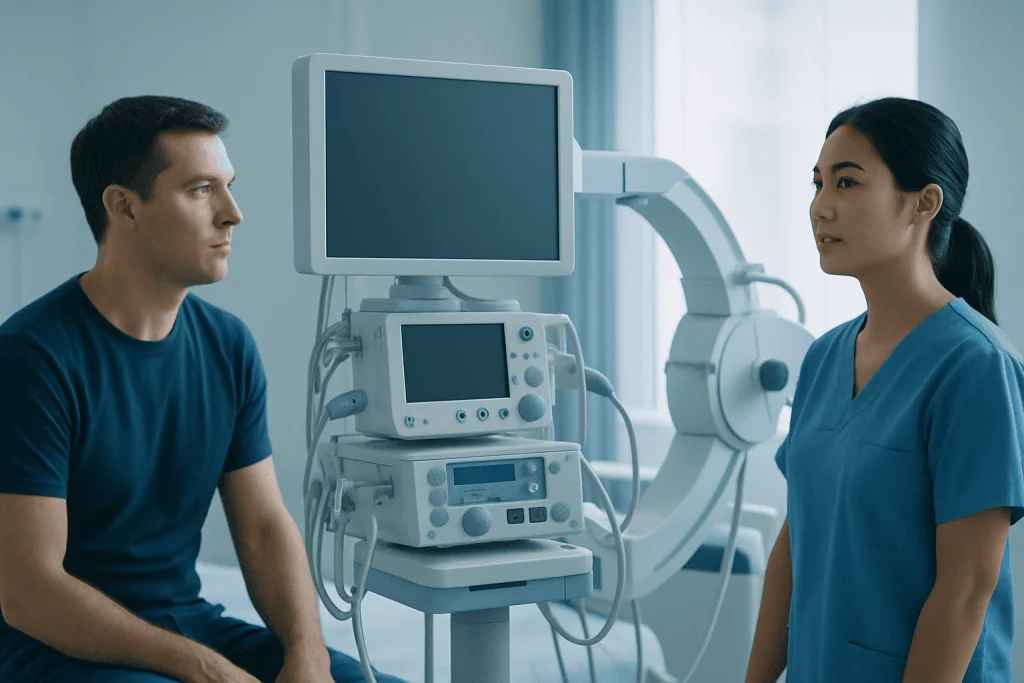
The debate around chiropractic comes largely from its historical roots. Traditional chiropractic theory described “subluxations” as spinal problems that could interfere with nerve flow and affect overall health. In modern medicine, this concept does not match how most spinal disorders or systemic illnesses are diagnosed and understood. For that reason, broad claims based on this theory are often described as pseudoscientific.
At the same time, some chiropractors today focus mainly on musculoskeletal care rather than on older disease theories. In practice, that may include manual therapy, posture guidance, stretching, activity modification, and referral when warning signs are present. These parts of care can look similar to approaches used in rehabilitation and spine clinics.
Evidence reviews generally show a more limited and specific picture than marketing claims sometimes suggest. Spinal manipulation may offer modest benefit for some people with acute or subacute low back pain, and it may help some patients with mechanical neck pain or headache related to the neck. However, it is not clearly superior to all other conservative treatments, and it should not be presented as a cure for unrelated medical conditions.
This distinction matters because patients deserve clear explanations. A treatment can have a possible role for selected symptoms without proving the larger theory behind it. That is why many clinicians evaluate chiropractic not as a whole belief system, but as a set of interventions that must each be judged by evidence, safety, and clinical context.
What chiropractic may help with—and what it should not claim to treat
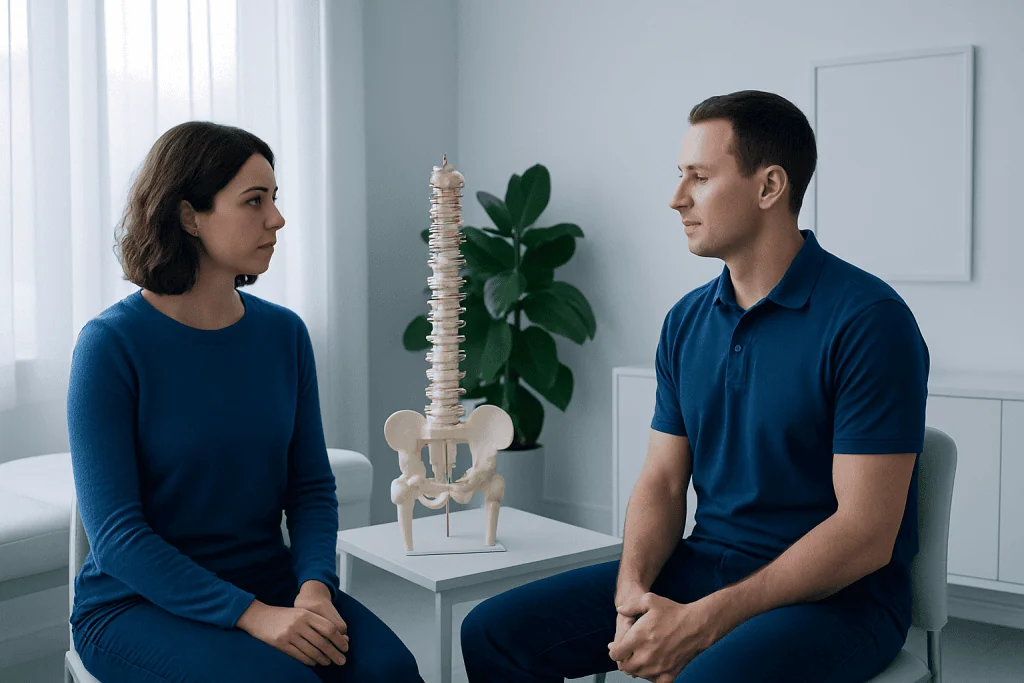
The strongest reason some people consider chiropractic is pain or stiffness affecting the back, neck, or joints. For common mechanical back pain, symptoms often improve with staying active, gentle exercise, physical therapy, pain-relief strategies, and sometimes manual therapy. In that setting, spinal manipulation may be one option among several, especially if a proper assessment suggests uncomplicated musculoskeletal pain such as lower back pain.
What chiropractic should not do is replace appropriate medical care for serious or non-musculoskeletal conditions. There is no strong evidence that spinal adjustments treat infections, diabetes, asthma, autoimmune disease, cancer, or high blood pressure. A person with unexplained weight loss, persistent fever, chest pain, fainting, or progressive neurologic symptoms needs medical evaluation, not claims about spinal alignment.
Even for pain conditions, expectations should stay realistic. Benefits, when present, are usually symptom-based and functional, such as reduced pain, easier movement, or improved participation in daily life. Lasting improvement often depends on a broader plan that may include exercise, sleep, ergonomics, weight management, and treatment of related conditions. In some situations, structured physical therapy and rehabilitation may be a more suitable first step or may be combined with other conservative measures.
- More plausible use: uncomplicated mechanical low back pain or neck stiffness after proper screening.
- Less appropriate use: unexplained neurologic symptoms, infection, fracture, inflammatory disease, or systemic illness.
- Unsupported claim: treating internal diseases by correcting spinal “misalignment.”
Risks, limitations, and common concerns
Many chiropractic visits are uneventful, and temporary soreness can occur after hands-on treatment much like it can after exercise or other manual therapies. Still, “natural” does not always mean risk-free. The safety of any manipulation depends on the body region treated, the technique used, the patient’s anatomy and medical history, and whether red flags were checked first.
Low back manipulation is generally considered lower risk than neck manipulation, but caution is still important. Neck manipulation has received particular attention because, in rare cases, serious complications such as injury to neck arteries have been reported. While these events appear uncommon and cause-and-effect can be difficult to prove in every case, patients should understand that sudden severe neck pain, new headache, dizziness, double vision, trouble speaking, weakness, or numbness after treatment requires urgent medical assessment.
There are also limits to what spinal manipulation can achieve. If pain comes from a fracture, significant disc compression, spinal infection, cancer involving the spine, inflammatory arthritis, or severe osteoporosis, manipulation may be inappropriate or unsafe. People using blood thinners, those with known bone fragility, and those who have had recent trauma should be especially careful.
Another concern is delay in diagnosis. The greatest risk may not always be the manual technique itself, but relying on repeated adjustments while an important underlying problem goes undetected. That is why good care includes taking a medical history, screening for warning signs, and referring patients to a physician or specialist when symptoms do not fit a simple mechanical pattern.
Red flags and when to seek medical care
Most short-lived back or neck pain is not dangerous, which can be reassuring. However, certain symptoms should prompt medical review before considering chiropractic treatment, because they can suggest a more serious spinal, neurologic, or systemic cause.
A person should seek medical care promptly if pain follows a fall, car accident, or other trauma; if there is severe or worsening pain; or if pain is associated with fever, chills, or unexplained weight loss. Medical review is also important for anyone with a history of cancer, osteoporosis, immune suppression, long-term steroid use, or intravenous drug use.
Neurologic symptoms are especially important red flags. These include weakness, numbness that is spreading or persistent, loss of balance, difficulty walking, or pain traveling down the leg or arm with significant nerve symptoms such as in sciatica. Changes in bowel or bladder control or numbness around the groin area require urgent assessment because they can signal a spinal emergency.
People should also seek care if symptoms are not improving after a few weeks, keep returning, interfere with sleep, or make normal activity difficult. A physician can determine whether the problem is likely mechanical or whether tests, imaging, or specialist evaluation are needed before any manual treatment is considered.
How doctors evaluate back or neck pain before recommending treatment
Medical evaluation begins with a detailed history. A doctor asks where the pain is located, when it started, whether there was an injury, what makes it better or worse, and whether there are neurologic symptoms such as tingling, weakness, or radiating pain. They also review medical conditions, medications, prior spine problems, and lifestyle factors such as work demands and activity level.
The physical examination looks for posture changes, tenderness, range of motion, reflexes, strength, sensation, and signs of nerve irritation. This helps distinguish common muscular or joint-related pain from problems involving discs, nerves, the spinal cord, or other tissues. In many patients with routine acute low back pain, imaging is not needed right away because it often does not change early treatment.
If red flags are present, or if symptoms are persistent or unusual, a doctor may order tests such as X-rays, MRI, CT, or blood tests. These can help identify fracture, infection, inflammatory disease, significant disc problems, or other causes. Depending on the findings, treatment may involve exercise-based care, medication, targeted rehabilitation, pain procedures, or consultation with specialists in orthopedics, neurology, or spine care.
For some patients, conservative treatment plans may also include structured programs such as orthopedic rehabilitation or, when symptoms relate to a disc or nerve problem, assessment for conditions such as herniated disc. The key point is that treatment should match the diagnosis rather than assume that all pain comes from spinal “misalignment.”
Evidence-based next steps for patients considering chiropractic
If a person is thinking about chiropractic care, the safest next step is to first decide whether the symptom pattern sounds uncomplicated or whether warning signs are present. For mild, recent, non-traumatic back stiffness in an otherwise healthy person, conservative self-care and a qualified assessment may be reasonable. For severe pain, neurologic symptoms, or uncertainty about the cause, medical review should come first.
Patients can also ask practical questions that help separate evidence-based care from unsupported claims. Helpful questions include: What diagnosis is being considered? What are the expected benefits and limits of treatment? Are exercises part of the plan? What symptoms would require referral or imaging? A trustworthy clinician should be comfortable discussing uncertainty, risks, and alternatives.
In many cases, the most effective plan is multimodal rather than centered on one technique. This may include activity modification, heat, short-term pain relief strategies, exercise therapy, posture and workplace changes, and selected hands-on treatments. For persistent or complex symptoms, referral to spine specialists may be appropriate, and some patients may need services such as spine surgery evaluation, although surgery is not needed for most episodes of back pain.
Near the end of the care pathway, if a patient needs a broader review, Acibadem International’s multidisciplinary specialists in JCI-accredited hospitals evaluate back, neck, and nerve-related conditions for international patients and coordinate diagnosis and treatment based on the underlying cause. The most important principle remains the same: choose care that is guided by evidence, appropriate screening, and a clear diagnosis.
Frequently asked questions
Is all chiropractic considered pseudoscience?
Not all of it. Some chiropractic claims, especially those saying spinal adjustments treat a wide range of internal diseases, are not supported by strong evidence. But some manual therapy approaches used for musculoskeletal pain may offer symptom relief for selected patients.
Can chiropractic help low back pain?
It may help some people with uncomplicated acute or subacute low back pain. Any benefit is usually modest and should be seen as one option within a broader treatment plan that may also include exercise, staying active, and rehabilitation.
Is neck manipulation safe?
Neck manipulation deserves caution. Serious complications appear to be rare, but they can be severe, so people with sudden headache, dizziness, weakness, numbness, vision changes, or speech problems after treatment should seek urgent medical care.
Should someone see a doctor before seeing a chiropractor?
It is especially important to see a doctor first if there are red flags such as trauma, fever, cancer history, worsening neurologic symptoms, or bowel or bladder changes. For mild, clearly mechanical pain without warning signs, some people may start with conservative care, but they should still seek medical review if symptoms persist or worsen.
What are signs that pain may not be a simple muscle or joint problem?
Pain that is severe, constant, worse at night, or linked with weight loss, fever, weakness, numbness, or balance problems needs medical evaluation. These features can point to causes other than routine strain, such as nerve compression, infection, fracture, or inflammatory disease.
What is a safer evidence-based approach if someone is unsure about chiropractic?
A good first step is a clinical assessment to look for warning signs and identify the likely cause of pain. Many patients do well with education, movement, exercise therapy, and other conservative measures, with manual treatment used selectively rather than as a cure-all.
References
- World Health Organization
- National Institute for Health and Care Excellence
- American College of Physicians
- National Center for Complementary and Integrative Health
- Cochrane
This article is for general information only and is not a substitute for professional medical advice. Please consult a qualified doctor about your individual situation.
Joint and spine care in Turkey — expert assessment & treatment
JCI-accredited · board-certified surgeons · reply within 24h
Check your numbers in seconds
BMI, calories, due date, blood pressure and 30+ more clinical calculators — free, instant, doctor-reviewed ranges.