

Remedies for Sleep Deprivation: What Patients Need to Know

The most effective remedy for sleep deprivation is getting enough regular, good-quality sleep over time. Short naps, a steady sleep schedule, light exposure in the morning, and limiting caffeine late in the day can help recovery.
Key Takeaways
- The most effective remedy for sleep deprivation is getting enough regular, good-quality sleep over time.
- Short naps, a steady sleep schedule, light exposure in the morning, and limiting caffeine late in the day can help recovery.
- Persistent sleep deprivation may be linked to stress, shift work, medications, or sleep disorders such as insomnia or sleep apnea.
- Daytime sleepiness, poor concentration, mood changes, and headaches are common signs that the body is not getting enough sleep.
- Medical care is important if poor sleep lasts for weeks, affects safety, or comes with loud snoring, breathing pauses, or severe fatigue.
Remedies for sleep deprivation usually begin with more consistent sleep, brief short-term recovery strategies, and addressing the reason sleep was lost in the first place. While an occasional short night can often be improved with rest and healthy routines, ongoing sleep loss may need medical evaluation.
Overview: What helps sleep deprivation?
Remedies for sleep deprivation work best when they match the cause. For many people, the most helpful steps are straightforward: make time to sleep, return to a regular sleep-wake schedule, use short naps carefully, and reduce habits that keep the brain alert at night. If the problem keeps happening, treatment may also involve identifying medical, mental health, or lifestyle factors that interfere with sleep.
Sleep deprivation means not getting enough sleep for the body and brain to function well. It can happen after a single late night, but it often develops gradually through repeated short sleep. Even mild but ongoing sleep loss can affect attention, memory, mood, reaction time, appetite, and overall well-being.
A useful way to think about recovery is that there is no instant cure. The body usually needs a combination of immediate support for daytime functioning and longer-term habits that protect sleep night after night. When self-care measures do not help, a clinician may look for conditions such as sleep apnea or chronic insomnia that need targeted treatment.
How sleep deprivation feels in daily life
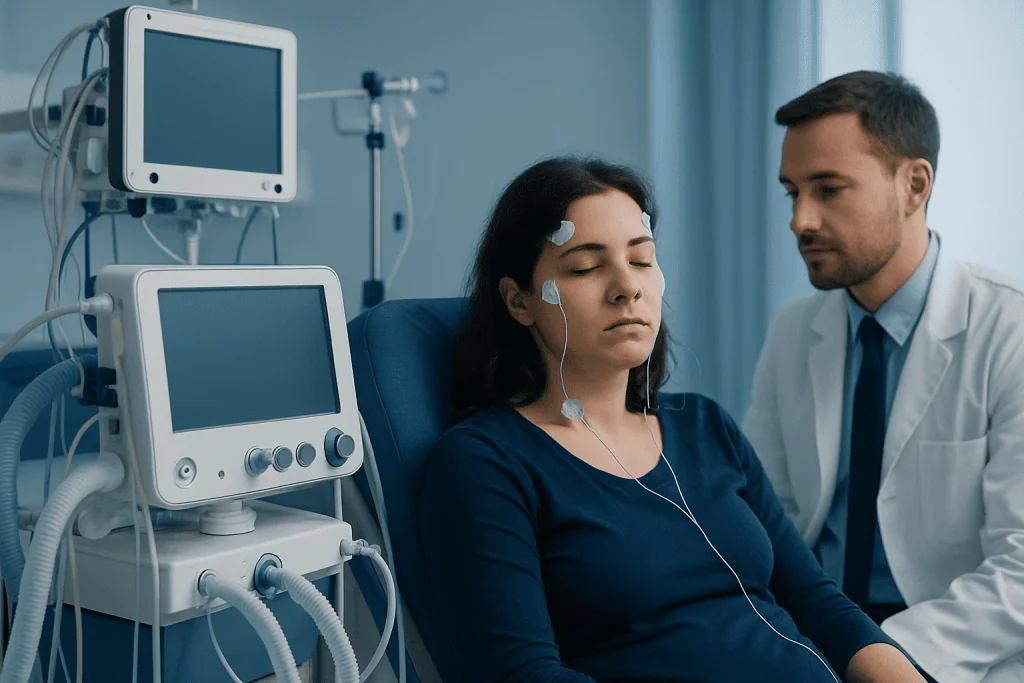
The effects of sleep deprivation are not limited to feeling tired. Some people mainly notice heavy eyelids and low energy, while others become irritable, unfocused, or unusually emotional. School, work, driving, and exercise may all feel harder because the brain has less capacity to concentrate and respond quickly.
Common symptoms include:
- Excessive daytime sleepiness
- Difficulty concentrating or remembering information
- Slower reaction time
- Headaches
- Mood changes, including irritability or anxiety
- Reduced motivation
- More frequent mistakes or accidents
- Feeling unrefreshed after sleep
With more severe or prolonged sleep loss, symptoms may become more noticeable. People may briefly doze off without meaning to, called microsleeps, especially during passive activities such as sitting in meetings, watching television, or driving. This is one reason ongoing sleep deprivation should not be dismissed as a simple inconvenience.
Common causes and risk factors

Sleep deprivation can happen for many reasons, and often more than one factor is involved. A demanding schedule, parenting responsibilities, caregiving, travel across time zones, shift work, and frequent nighttime screen use are all common contributors. Stress is another major factor because it keeps the mind alert when the body needs to wind down.
Health conditions can also reduce sleep quantity or quality. Pain, reflux, breathing problems, depression, anxiety, hormonal changes, and certain medications may interfere with sleep. Some people go to bed for enough hours but still wake unrefreshed because repeated breathing disruptions or abnormal movements fragment their sleep.
Risk factors that make sleep deprivation more likely include irregular work hours, heavy caffeine use, alcohol near bedtime, inconsistent bedtimes, and untreated sleep disorders. If symptoms suggest a specific problem, doctors may recommend evaluation in a sleep lab or consultation in sleep medicine to understand what is interrupting rest.
Practical remedies for sleep deprivation
The best remedy depends on whether the sleep loss is short term or ongoing. After one or two poor nights, recovery usually focuses on safety, hydration, normal meals, and allowing more sleep over the next several nights. Going to bed a bit earlier, sleeping in modestly if possible, and protecting the next night’s sleep are often more effective than trying to “push through” exhaustion.
Short naps can help, especially if daytime sleepiness is strong. A brief nap earlier in the day may improve alertness without interfering too much with nighttime sleep. Very late or long naps, however, can make it harder to fall asleep later, so they should be used thoughtfully.
Healthy sleep habits also matter. Helpful measures include getting morning daylight, keeping a consistent wake time, limiting caffeine later in the day, avoiding alcohol as a sleep aid, and reducing bright screens before bed. A cool, dark, quiet bedroom and a calming wind-down routine can help signal to the brain that it is time to sleep.
People sometimes look for quick fixes such as sedating products or extra caffeine. These may offer temporary relief, but they do not truly reverse sleep debt and can sometimes worsen the cycle by disturbing the following night’s sleep. If sleep loss keeps recurring, the focus should shift from short-term coping to finding the underlying reason.
When poor sleep may point to an underlying disorder
Sometimes sleep deprivation is a symptom rather than the primary problem. Chronic insomnia can make it hard to fall asleep, stay asleep, or return to sleep after waking. Sleep apnea can cause loud snoring, gasping, choking, or repeated breathing pauses during sleep, often leading to unrefreshing rest and daytime fatigue.
Other clues include restless legs, unusual movements during sleep, severe morning headaches, or persistent fatigue despite spending enough time in bed. In these situations, home remedies alone may not be enough because the body is not simply short on opportunity for sleep; sleep itself may be interrupted or poor in quality.
Diagnosis may involve a detailed sleep history, a review of medications and routines, and sometimes further testing. Depending on the findings, treatment can range from behavioral approaches to structured evaluation with polysomnography or treatment for breathing-related sleep disorders such as sleep apnea treatment.
Diagnosis and treatment options
When someone seeks medical care for sleep deprivation, the goal is to understand both the amount of sleep and its quality. A doctor may ask about bedtime habits, work schedule, snoring, daytime sleepiness, mood, pain, medications, alcohol, caffeine, and any recent life changes. Keeping a sleep diary for one to two weeks can be very helpful.
Treatment depends on the cause. If the issue is behavioral, the plan may focus on sleep scheduling, stimulus control, and better sleep hygiene. If stress, anxiety, or depression is contributing, mental health support may be important. If a sleep disorder is suspected, further specialist evaluation may be recommended.
Medicines are not the first or only answer for most people. In some cases, a clinician may consider short-term medication support, but this decision should be individualized because some products can cause next-day drowsiness or dependency. Long-term improvement usually comes from treating the cause and building sustainable sleep habits rather than relying on quick symptomatic relief.
Near the end of the care pathway, patients may benefit from multidisciplinary input. Acibadem International’s specialists in sleep medicine, neurology, pulmonology, and related fields at JCI-accredited hospitals evaluate and treat sleep-related conditions for international patients when a broader assessment is needed.
Prevention and self-care strategies that support recovery
Preventing sleep deprivation is often easier than recovering from it. A regular sleep schedule is one of the strongest tools, especially keeping a stable wake time every day. This helps set the body’s internal clock and can make sleep arrive more naturally at night.
Many people also benefit from a consistent evening routine. Dimming lights, stopping work messages, limiting news or stimulating media, and giving the mind time to settle can reduce the sense of being “switched on” at bedtime. Bedrooms are best used as restful spaces rather than extensions of the office or entertainment area.
Other practical steps include:
- Exercise regularly, but avoid vigorous activity too close to bedtime if it keeps the body alert
- Eat balanced meals and avoid very heavy late-night eating
- Limit nicotine and alcohol, both of which can disrupt sleep quality
- Use caffeine carefully and avoid it later in the day if it delays sleep
- Seek support for stress management, pain control, or mood symptoms that may be affecting sleep
If work or caregiving duties make ideal sleep difficult, even small improvements can help. Protecting a consistent sleep window, sharing responsibilities when possible, and planning recovery sleep after unavoidable disruptions can reduce the cumulative burden of sleep loss.
When to seek medical care
Medical advice is important if sleep deprivation lasts for several weeks, keeps returning, or affects school, work, driving, or daily safety. It is also a good idea to speak with a doctor if there is loud snoring, witnessed pauses in breathing, gasping during sleep, strong restless-leg sensations, or waking with headaches and dry mouth.
People should seek prompt care if severe daytime sleepiness causes near-miss accidents, if sleep problems occur alongside chest pain, fainting, or shortness of breath, or if there are significant mood changes such as depression or thoughts of self-harm. Children, older adults, pregnant patients, and people with chronic illness may need earlier evaluation because sleep loss can affect them differently.
Persistent poor sleep is treatable, but the right remedy depends on the reason for it. A qualified clinician can help determine whether the issue is mainly behavioral, related to stress, or caused by a sleep disorder or another medical condition.
Frequently asked questions
What are the best remedies for sleep deprivation?
The most effective remedies for sleep deprivation are getting enough sleep consistently, keeping a regular wake time, and addressing whatever caused the sleep loss. Short naps, morning light exposure, and limiting caffeine later in the day can help in the short term, but they do not replace regular nighttime sleep.
Can someone recover from one bad night of sleep quickly?
Many people feel better after one or two nights of longer, good-quality sleep, but full recovery can take longer if sleep loss has built up over time. The safest approach is to prioritize rest, avoid driving when very sleepy, and return to a stable sleep routine rather than relying on stimulants.
Do naps help with sleep deprivation?
Yes, a short nap can improve alertness and concentration, especially after a poor night's sleep. However, long or late-afternoon naps may make it harder to fall asleep at night, so they should be timed carefully.
How can someone tell if they are sleep deprived or have a sleep disorder?
Sleep deprivation often comes from too little time for sleep, while a sleep disorder may cause poor-quality sleep even when enough time is spent in bed. Warning signs of a disorder include loud snoring, breathing pauses, gasping, frequent awakenings, or persistent daytime fatigue despite trying to sleep enough.
Is caffeine a good remedy for sleep deprivation?
Caffeine can temporarily improve alertness, but it does not fix the underlying sleep debt. If used too late in the day or in large amounts, it can make the next night's sleep worse and continue the cycle of tiredness.
When should someone see a doctor for sleep deprivation?
A doctor should be consulted if poor sleep lasts for weeks, keeps coming back, or affects safety, work, mood, or daily functioning. Medical review is especially important if symptoms include snoring, breathing pauses, severe daytime sleepiness, or unrefreshing sleep despite enough time in bed.
References
- American Academy of Sleep Medicine
- Centers for Disease Control and Prevention
- National Heart, Lung, and Blood Institute
- National Institute of Neurological Disorders and Stroke
- Mayo Clinic
This article is for general information only and is not a substitute for professional medical advice. Please consult a qualified doctor about your individual situation.
Explore treatments in Turkey — costs, top hospitals & a free quote
JCI-accredited · board-certified surgeons · reply within 24h

More from the Health Library



Related Specialists

Prof. Dr. Zeynep Yezdan Fırat
Otorhinolaryngology
Dr. Cavide Ali
Gynecology & Obstetrics
Prof. Dr. Tayyar Sarioğlu
Cardiovascular Surgery
Dr. Mustafa Tarık Turan
Radiology