Synovial Membrane: What Patients Need to Know

The synovial membrane lines many joints and helps produce lubricating synovial fluid. Problems affecting the synovial membrane can cause joint pain, swelling, warmth, and stiffness.
Key Takeaways
- The synovial membrane lines many joints and helps produce lubricating synovial fluid.
- Problems affecting the synovial membrane can cause joint pain, swelling, warmth, and stiffness.
- Common causes include arthritis, overuse, injury, infection, and autoimmune disease.
- Diagnosis usually combines a physical exam with imaging and sometimes joint fluid testing.
- Treatment depends on the cause and may include rest, medication, physical therapy, or procedures.
The synovial membrane is the thin, soft tissue that lines many movable joints and produces synovial fluid to help the joint move smoothly. When this lining becomes irritated, inflamed, injured, or diseased, it can contribute to pain, swelling, stiffness, and reduced movement.
Overview: what the synovial membrane does
The synovial membrane, also called the synovium, is a thin layer of tissue that lines the inside of many movable joints such as the knees, hips, shoulders, elbows, wrists, and ankles. Its main role is to produce synovial fluid, a slippery liquid that helps joint surfaces glide with less friction. This fluid also helps nourish cartilage, the smooth tissue covering the ends of bones.
Although it is delicate, the synovial membrane plays a major part in everyday movement. Walking, bending, reaching, and gripping all rely on joints that can move comfortably and efficiently. When the synovial membrane is healthy, it supports smooth motion and helps protect the joint environment.
Patients usually become aware of the synovial membrane only when something goes wrong. Inflammation, injury, wear-and-tear changes, crystal disease, or infection can irritate this lining. As a result, the membrane may thicken, produce excess fluid, and trigger symptoms such as swelling, pain, stiffness, or warmth around the joint.
Why the synovial membrane matters in joint health
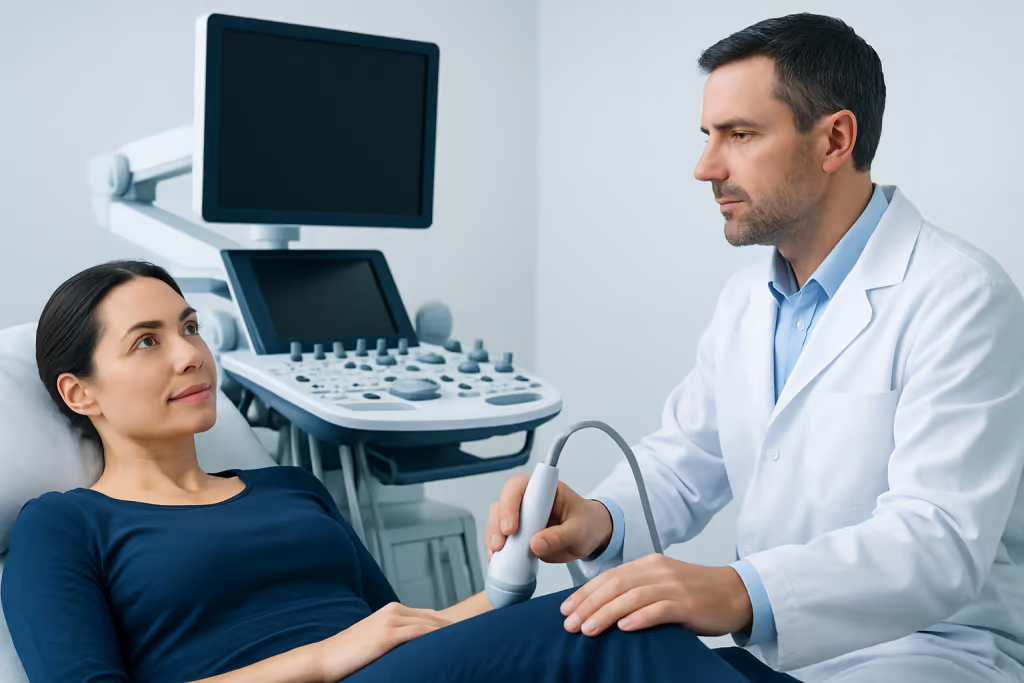
A useful way to think about the synovial membrane is as part of the joint’s internal support system. It does more than simply line the joint. It helps maintain the right balance of fluid, removes some waste products, and participates in the body’s response to irritation or injury.
Because of this active role, the synovial membrane is often involved in joint disorders even when it is not the original cause. For example, in osteoarthritis the joint may gradually change over time, but the synovium can become inflamed and contribute to swelling and pain. In inflammatory arthritis, the synovial membrane itself may be a major target of disease.
Changes in the synovial membrane can sometimes explain why a joint feels swollen or stiff even when an X-ray does not fully show the reason. This is one reason clinicians may use ultrasound or MRI to look more closely at soft tissues around the joint. Understanding the synovial membrane can help patients better understand why symptoms happen and why treatment plans often focus on reducing inflammation as well as relieving pain.
Symptoms of synovial membrane problems

Symptoms related to the synovial membrane depend on the underlying cause, the joint involved, and how long the problem has been present. The most common symptoms are joint pain, swelling, stiffness, and reduced range of motion. Some people notice that the joint feels puffy or tight, especially after rest or after repeating the same movement.
If the synovial membrane is inflamed, the joint may feel warm and appear enlarged because of extra fluid inside the joint space. Stiffness may be more noticeable in the morning or after sitting for a long time. Certain conditions cause symptoms to flare and settle over time, while others lead to more persistent discomfort.
Symptoms may include:
- Joint swelling or a visible fluid build-up
- Pain with movement or weight-bearing
- Stiffness, especially after inactivity
- Warmth or tenderness around the joint
- A feeling that the joint is full, tight, or difficult to bend
- Reduced flexibility or function in daily activities
These symptoms are not specific to one disease. They can occur with common conditions such as osteoarthritis as well as inflammatory diseases, injury, or infection. That is why a medical assessment is important when swelling or pain is persistent, severe, or unexplained.
Causes and risk factors
Synovial membrane irritation can develop for many reasons. One broad group of causes involves mechanical stress, such as overuse, repetitive motion, or joint injury. A twisted knee, heavy strain, cartilage injury, or meniscus problem can all trigger inflammation in the lining of the joint.
Another major cause is arthritis. In osteoarthritis, joint surfaces gradually change over time and the synovial membrane may react with inflammation. In autoimmune conditions such as rheumatoid arthritis, the immune system can attack the synovium directly, causing chronic inflammation that may damage the joint if untreated. Crystal-related conditions such as gout may also inflame the synovial membrane.
In some cases, the synovial membrane becomes inflamed because of infection inside the joint. This is less common but requires urgent medical care. Synovial tissue can also be involved in bursitis, tendon-related problems near a joint, or less common growths and proliferative disorders of the synovium.
Risk factors vary by condition, but often include:
- Older age and age-related joint wear
- Previous joint injury or surgery
- Repetitive occupational or sports activities
- Autoimmune disease
- Obesity, which increases load on weight-bearing joints
- Family history of certain arthritic conditions
- Metabolic conditions linked with crystal formation
How doctors diagnose synovial membrane disorders
Diagnosis starts with a careful medical history and physical examination. A doctor will ask when symptoms began, whether they came on suddenly or gradually, which activities make them worse, and whether there are signs such as morning stiffness, fever, redness, or pain in more than one joint. Examining the joint for swelling, warmth, tenderness, and range of motion helps narrow the possible causes.
Imaging may be used when more detail is needed. X-rays can show bone and joint-space changes, but they do not directly show the synovial membrane well. Ultrasound can help detect excess joint fluid and synovial thickening. MRI offers a more detailed look at soft tissues, cartilage, and synovial inflammation in selected cases.
If there is a significant joint effusion, a doctor may recommend removing a small sample of fluid from the joint for testing. This can help identify infection, crystals, bleeding, or inflammatory changes. Blood tests may also be used to look for infection, markers of inflammation, or autoimmune conditions.
Because treatment depends on the cause, diagnosis is not just about confirming inflammation. It is about understanding why the synovial membrane is affected. In some patients, this means referral to orthopedics, rheumatology, sports medicine, or physical medicine specialists for a more complete evaluation.
Treatment options and recovery
Treatment depends on what is causing the synovial membrane problem. For mild irritation from overuse or minor injury, early care may include rest, temporary activity modification, ice, and a gradual return to movement. Clinicians often recommend exercises or physical therapy and rehabilitation to improve joint mechanics, restore range of motion, and support the surrounding muscles.
Medications may be used to reduce pain and inflammation. Depending on the situation, a doctor may suggest anti-inflammatory medicines, short-term pain relievers, or condition-specific treatment for autoimmune disease, crystal disease, or infection. If there is significant fluid in the joint, aspiration may relieve pressure and also help guide diagnosis.
Some patients benefit from injection-based treatment when symptoms persist despite conservative care. In selected cases, specialists may consider arthroscopy to examine the joint, treat mechanical problems, or address persistent synovial inflammation. If the synovial membrane is affected as part of a broader joint problem, the overall treatment plan may also include management strategies used for knee replacement or other orthopedic procedures when severe joint damage is present.
Recovery varies widely. Temporary synovial irritation may settle within days to weeks, while inflammatory arthritis may require long-term medical follow-up. The most helpful approach is usually one that combines symptom relief, treatment of the underlying cause, and steps to protect joint function over time.
Prevention, self-care, and when to seek medical care
Not every synovial membrane problem can be prevented, but joint-friendly habits can lower strain and support long-term function. Maintaining a healthy weight reduces stress on knees, hips, and ankles. Regular low-impact activity, strength training, flexibility work, and proper technique during exercise can all help joints move more efficiently. Supportive footwear and pacing repetitive tasks may also reduce irritation.
At home, self-care may include resting the joint for a short time, applying ice for swelling, and avoiding movements that sharply worsen pain. Gentle movement is often better than prolonged complete immobility, unless a clinician advises otherwise. Patients should be cautious about self-diagnosing persistent joint swelling, because similar symptoms can have very different causes.
Medical advice should be sought promptly if a joint becomes suddenly swollen, red, very warm, or difficult to move, or if there is fever, severe pain, or an inability to bear weight. Ongoing swelling, repeated flare-ups, or symptoms lasting more than a short period also deserve evaluation. These features can suggest infection, inflammatory arthritis, significant injury, or another condition that needs timely care.
For patients who need further assessment, Acibadem International’s multidisciplinary specialists and JCI-accredited hospitals diagnose and treat joint conditions for international patients, including problems involving the synovial membrane and related disorders such as meniscus tear.
Frequently asked questions
Is the synovial membrane the same as cartilage?
No. The synovial membrane is the soft tissue lining the inside of many movable joints, while cartilage is the smooth covering on the ends of bones. They work together, but they are different structures with different roles.
What happens when the synovial membrane is inflamed?
When the synovial membrane becomes inflamed, it may thicken and produce extra fluid. This can lead to joint swelling, pain, warmth, stiffness, and difficulty moving the joint normally.
Can synovial membrane problems go away on their own?
Mild irritation from overuse or a minor strain may improve with rest and simple self-care. However, persistent, severe, or recurring symptoms should be evaluated because they may be related to arthritis, injury, crystal disease, or infection.
Which joints are most commonly affected?
Any synovial joint can be affected, including the knees, shoulders, hips, wrists, elbows, and ankles. The knee is a common site because it carries weight and is exposed to frequent bending, twisting, and impact.
How do doctors tell whether the problem is infection or arthritis?
Doctors use the history, physical examination, blood tests, and imaging to look for clues. If a joint is significantly swollen, testing a sample of joint fluid can be especially useful for checking for infection, crystals, or inflammatory changes.
Does every synovial membrane problem need surgery?
No. Many cases are treated without surgery using activity changes, medication, physical therapy, or joint aspiration. Surgery is generally considered only when there is a structural problem, persistent symptoms, or a condition that does not respond to other treatment.
References
- National Institute of Arthritis and Musculoskeletal and Skin Diseases
- American Academy of Orthopaedic Surgeons
- Arthritis Foundation
- Mayo Clinic
- Merck Manual Consumer Version
This article is for general information only and is not a substitute for professional medical advice. Please consult a qualified doctor about your individual situation.
Joint and spine care in Turkey — expert assessment & treatment
JCI-accredited · board-certified surgeons · reply within 24h