How Long Does Spotting Last in the First Trimester? Causes, Explanations, and Next Steps

Light spotting in early pregnancy often lasts only a few hours to 2 days. Pink, red, or brown spotting can happen for several reasons, including cervical irritation or implantation-like bleeding.
Key Takeaways
- Light spotting in early pregnancy often lasts only a few hours to 2 days.
- Pink, red, or brown spotting can happen for several reasons, including cervical irritation or implantation-like bleeding.
- Spotting is different from a heavier flow that soaks pads or is accompanied by strong cramps.
- Doctors may use a pelvic exam, blood tests, and ultrasound to find the cause.
- Urgent medical care is important if spotting comes with severe pain, dizziness, shoulder pain, or heavy bleeding.
Spotting in the first trimester is common and is often harmless, especially when it is light and short-lived. In many cases it lasts from a few hours to 1 to 2 days, but heavier bleeding, increasing pain, or faintness should be assessed by a doctor.
Overview: How long spotting usually lasts
For many people, the answer to how long does spotting last in the first trimester is: usually a short time. Light spotting often lasts a few hours to 1 or 2 days, and it may stop on its own without affecting the pregnancy. Some people notice only a few spots on underwear or toilet paper, while others may have very light bleeding that does not become a normal menstrual-like flow.
Spotting in early pregnancy is relatively common, and in many cases it is not a sign of miscarriage. It can happen after sex, after a pelvic exam, or because the cervix becomes more sensitive during pregnancy. However, spotting can also be linked to conditions that need medical attention, so the pattern matters as much as the amount.
A helpful way to think about it is this: brief, light spotting with no severe symptoms is often less concerning, while bleeding that becomes heavier, lasts longer, or comes with pain deserves prompt review. If there is any uncertainty, a doctor can assess the pregnancy and rule out urgent causes such as ectopic pregnancy.
What spotting looks like in the first trimester
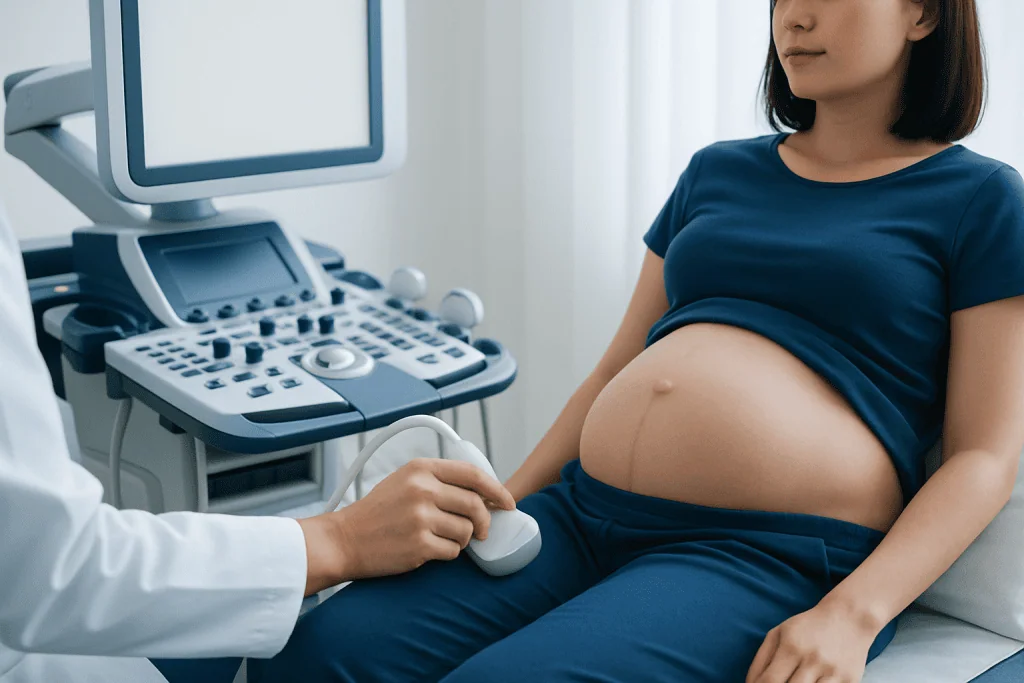
Spotting usually means a small amount of blood, not enough to soak a pad. It may appear pink, light red, dark red, or brown. Brown spotting often means older blood is leaving the body more slowly, while bright red blood may suggest more active bleeding.
The timing and amount can vary. Some people notice spotting once and never again. Others may have intermittent light spotting over several days, especially after activity, intercourse, or straining. Even then, it is best not to assume the cause without medical guidance.
Doctors usually distinguish spotting from heavier bleeding by asking practical questions:
- Is the blood only visible when wiping, or does it stain underwear?
- Is a pad needed, and if so, how quickly is it filling?
- Are there clots or tissue?
- Are there cramps, one-sided pain, fever, or dizziness?
This information helps determine whether the bleeding may reflect a mild irritation or a pregnancy-related problem that needs closer assessment.
Common causes of spotting in early pregnancy
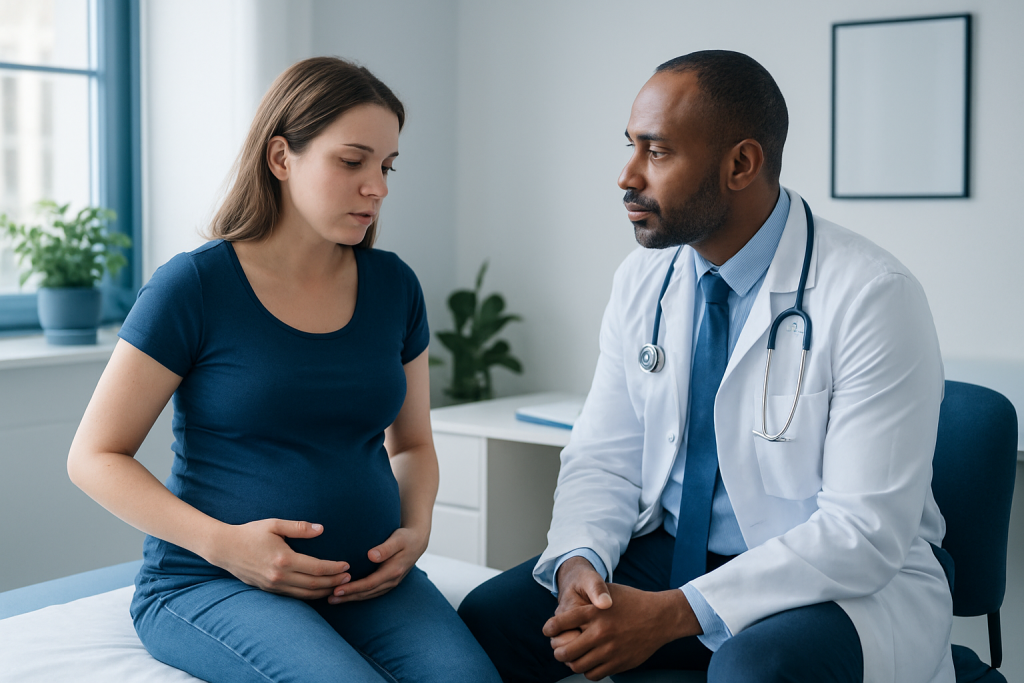
There are several possible reasons for first-trimester spotting, and many are not dangerous. One common explanation is cervical sensitivity. During pregnancy, the cervix receives more blood flow and can bleed more easily after sex, a pelvic exam, or even vaginal irritation. This type of spotting is usually light and short-lived.
Some people also notice light bleeding around the time they expected a period. This is sometimes described as implantation-related spotting, though not all early bleeding can be clearly tied to implantation. Hormonal shifts and the normal early changes of pregnancy can also contribute to small amounts of bleeding.
Other causes may need monitoring or treatment. These include a subchorionic hematoma, infection, miscarriage, or an ectopic pregnancy. In some cases, the source is unrelated to the pregnancy itself, such as a cervical polyp or vaginal infection. If a clinician suspects infection or another gynecologic issue, further evaluation may be recommended alongside gynecology care.
Because the causes range from harmless to urgent, the safest approach is to consider the full picture: how much blood there is, how long it lasts, and whether symptoms such as pain or weakness are present.
When spotting may be a sign of a problem
Spotting deserves more attention if it changes from light staining to a heavier flow, especially if it becomes similar to or heavier than a period. Bleeding with strong cramping, pelvic pressure, low back pain, or passage of tissue may suggest pregnancy loss, although symptoms alone cannot confirm this. A medical evaluation is needed to understand what is happening.
One important condition to rule out is ectopic pregnancy, in which the pregnancy develops outside the uterus. This can cause spotting along with one-sided pelvic pain, shoulder pain, faintness, or dizziness. Ectopic pregnancy can become an emergency, so these symptoms should never be ignored.
Sometimes spotting occurs in a pregnancy that continues normally, such as with a small bleed around the gestational sac. At other times it may be associated with miscarriage or another complication. This is why reassurance and caution need to go together: many cases are harmless, but concerning symptoms should still be checked quickly.
How doctors evaluate spotting in the first trimester
When someone seeks care for spotting, the first step is usually a careful history. A doctor or midwife may ask when the bleeding started, its color and amount, whether there is pain, and how far along the pregnancy may be. They may also ask about prior pregnancies, fertility treatment, known medical conditions, and blood type.
A physical exam may include checking blood pressure, pulse, and signs of tenderness. Depending on the situation, a pelvic exam may be performed to look for cervical bleeding, irritation, infection, or tissue. In many cases, laboratory tests and ultrasound provide the most useful information.
Tests may include blood work to measure pregnancy hormone levels over time and to assess blood type if bleeding is more than minimal. Ultrasound is often used to confirm whether the pregnancy is in the uterus, estimate gestational age, and look for a heartbeat when expected. If the findings are unclear, repeat testing after a short interval may be necessary rather than making conclusions from a single visit.
When imaging is needed, early pregnancy assessment often relies on ultrasound to help identify the cause of bleeding. If surgery or a specialized procedure is required for complications, care may also involve teams experienced in obstetrics and gynecology.
What to do at home and how spotting is treated
Treatment depends entirely on the cause. If spotting is light, short, and not accompanied by concerning symptoms, a clinician may simply advise observation and follow-up. In these cases, it can help to use a pad rather than a tampon so the amount of bleeding is easier to track. Many clinicians also recommend avoiding intercourse until the bleeding has been discussed and assessed.
If the spotting is related to cervical irritation, no major treatment may be needed beyond watchful waiting. If an infection is present, treatment may be given based on the type of infection. If testing suggests miscarriage or ectopic pregnancy, the care plan will be different and may involve medication, close monitoring, or a procedure.
Self-care should focus on rest, hydration, and monitoring symptoms, but bed rest is not routinely proven to stop spotting or prevent miscarriage. It is also wise not to insert anything into the vagina or start over-the-counter medicines without professional advice during pregnancy.
For people receiving international care, Acibadem International’s multidisciplinary specialists and JCI-accredited hospitals evaluate early pregnancy bleeding and provide treatment plans based on the cause and the stage of pregnancy.
When to seek medical care
Medical review is recommended for any first-trimester spotting, even when it seems mild, because only an evaluation can confirm the cause. The need becomes more urgent if bleeding is increasing, lasting longer than a day or two, or repeatedly returning.
Urgent care is especially important if any of the following occur:
- Bleeding heavy enough to soak a pad
- Strong or worsening cramps
- One-sided pelvic or abdominal pain
- Dizziness, fainting, or weakness
- Shoulder pain
- Fever or chills
- Passage of clots or tissue
People who know they are Rh-negative, have had a previous ectopic pregnancy, or conceived through fertility treatment should be especially prompt in seeking advice if bleeding occurs. Even when symptoms turn out to be minor, early contact with a qualified clinician can provide reassurance and help protect health.
Frequently asked questions
Is spotting in the first trimester normal?
Spotting in the first trimester is fairly common and can happen in otherwise healthy pregnancies. It is often light and brief, but it should still be mentioned to a doctor or midwife so the cause can be assessed.
How long does spotting last in the first trimester if it is harmless?
When spotting is due to a minor cause such as cervical irritation, it often lasts only a few hours to 1 or 2 days. If it continues beyond that, becomes heavier, or keeps returning, medical review is sensible.
What is the difference between spotting and bleeding in pregnancy?
Spotting is a very small amount of blood, often seen only when wiping or as light staining. Bleeding is heavier, may require a pad, and can be more concerning if it resembles a menstrual flow or comes with pain.
Can spotting happen without cramps?
Yes. Many people with harmless spotting have no cramps at all. Even so, the absence of pain does not identify the cause with certainty, so discussing it with a clinician is still important.
Should someone go to the emergency room for first-trimester spotting?
Emergency care is important if spotting comes with severe pain, one-sided pelvic pain, fainting, dizziness, shoulder pain, or heavy bleeding. These symptoms can signal a more urgent problem such as ectopic pregnancy or significant pregnancy bleeding.
Can sex cause spotting in early pregnancy?
Yes. The cervix becomes more sensitive and has an increased blood supply during pregnancy, so intercourse can sometimes trigger light spotting. This is often brief, but if bleeding is more than light or does not settle, a doctor should be contacted.
References
- American College of Obstetricians and Gynecologists
- National Institute for Health and Care Excellence
- NHS
- March of Dimes
- World Health Organization
This article is for general information only and is not a substitute for professional medical advice. Please consult a qualified doctor about your individual situation.
Explore treatments in Turkey — costs, top hospitals & a free quote
JCI-accredited · board-certified surgeons · reply within 24h