Placenta Encapsulation: A Complete Medical Overview

Placenta encapsulation involves turning the placenta into capsules to be taken after delivery. Scientific evidence has not shown clear, reliable benefits for mood, energy, pain, or milk production.
Key Takeaways
- Placenta encapsulation involves turning the placenta into capsules to be taken after delivery.
- Scientific evidence has not shown clear, reliable benefits for mood, energy, pain, or milk production.
- Because the placenta can contain bacteria, viruses, heavy metals, and hormones, processing may not remove all risks.
- People who are pregnant or recently gave birth should discuss placenta use with their obstetrician, midwife, or pediatrician before taking it.
- Medical care is important right away for postpartum fever, heavy bleeding, worsening pain, or signs of infection in parent or baby.
Placenta encapsulation is the practice of steaming, dehydrating, and grinding the placenta into capsules for use after childbirth. While some people hope it may improve mood, energy, or milk supply, current medical evidence does not confirm clear benefits, and safety remains an important concern.
Overview: what placenta encapsulation means
Placenta encapsulation is the practice of preparing the placenta after childbirth so it can be swallowed, usually in capsule form. In many cases, the placenta is cleaned, sometimes steamed, then dehydrated, ground into powder, and placed into capsules. This practice is one form of placentophagy, which means consuming the placenta after birth.
Interest in placenta encapsulation is often linked to hopes of easier postpartum recovery. Supporters may describe possible benefits such as improved mood, more energy, less bleeding, better iron levels, or increased milk supply. However, these claims have not been consistently supported by high-quality medical research.
From a medical perspective, the placenta is a temporary organ that develops during pregnancy to support the baby. It acts as a filter and transport organ between parent and fetus. Because of this role, it may contain blood, bacteria, hormones, and trace amounts of substances the body has processed during pregnancy. That is one reason clinicians approach placenta consumption with caution.
Why some people consider it after childbirth
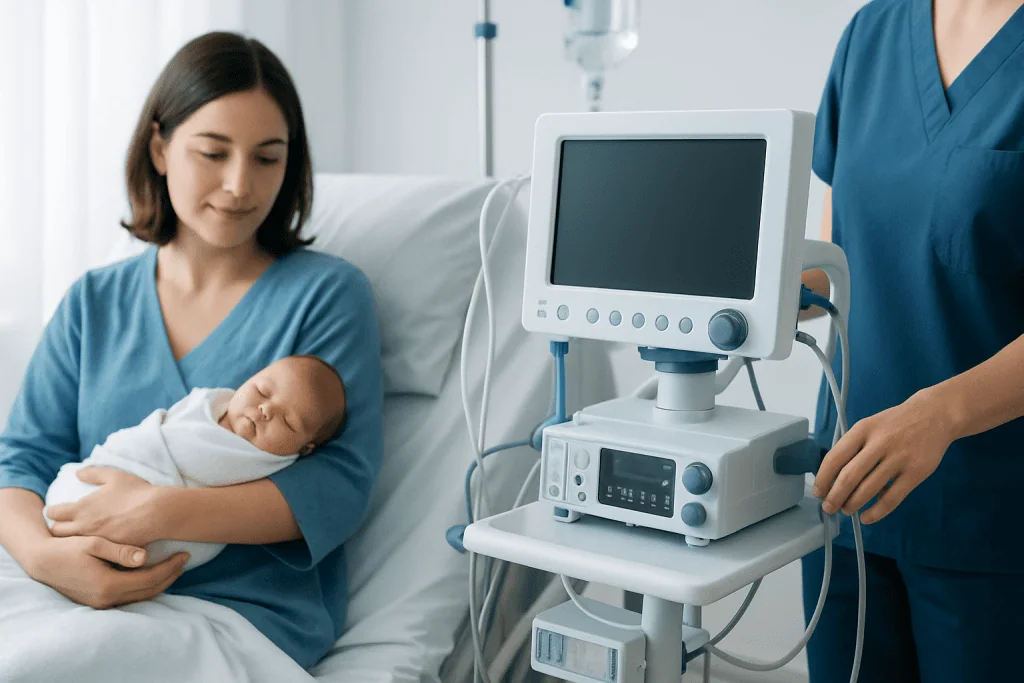
People who choose placenta encapsulation often do so because they are looking for natural ways to support recovery after birth. The postpartum period can bring fatigue, emotional changes, soreness, sleep disruption, and major hormonal shifts. In that setting, the idea of using the placenta as a source of nutrients or hormones may sound appealing.
Common reasons people give for considering it include:
- Hoping to reduce postpartum mood symptoms
- Wanting more energy during early recovery
- Trying to support breast milk production
- Looking for a sense of control or meaning around birth and recovery
- Following cultural, social, or online recommendations
It is also important to recognize that childbirth recovery needs vary widely. Support with nutrition, rest, mental health, pain control, and follow-up medical care usually has stronger evidence than placenta capsules. For concerns such as low mood after delivery, conditions like postpartum depression deserve careful medical attention rather than self-treatment alone.
What the evidence says about benefits

Research on placenta encapsulation is limited, and the available studies have not shown strong or consistent benefits. Small studies and self-reported surveys may suggest that some people feel better while taking placenta capsules, but these findings do not prove that the placenta caused the improvement. Recovery after birth naturally changes over time, and placebo effects can also play a role.
Medical reviews have not confirmed clear benefits for postpartum mood, energy, pain relief, milk supply, or iron replacement. Even though the placenta contains hormones and some nutrients, the amounts remaining after preparation may be low or unpredictable. There is also no standard method for processing, which makes one product very different from another.
This means placenta encapsulation should not be viewed as a proven medical treatment. If a person has postpartum fatigue, heavy bleeding, sadness, anxiety, or trouble breastfeeding, a clinician can check for common causes such as iron deficiency, infection, thyroid problems, pain, dehydration, or problems with feeding technique. Supportive care such as breastfeeding support and lactation consultation may be more helpful when feeding difficulties are the main concern.
Possible risks and safety concerns
The main medical concern with placenta encapsulation is safety. The placenta is not a sterile tissue. It can carry bacteria from the birth process or from the parent’s bloodstream. Processing methods used outside regulated medical settings may not heat the tissue enough to destroy harmful germs. In addition, storage and handling after delivery can affect contamination risk.
There have been reports raising concern that contaminated placenta capsules may contribute to infection risk, including possible exposure of a newborn through close contact or breastfeeding. The placenta may also contain hormones, heavy metals, or trace environmental substances. Because preparation is not standardized, it is difficult to know exactly what any capsule contains.
Safety concerns may be especially important when there has been maternal infection, fever during labor, chorioamnionitis, group B strep concerns, placental abnormalities, or complications affecting the baby. Parents recovering from cesarean birth or significant bleeding should also avoid relying on capsules instead of proper follow-up care. If recovery is affected by pain, fever, wound concerns, or other complications, medical assessment is more appropriate, and some people may need postpartum care tailored to their symptoms.
Another practical issue is that placenta encapsulation products are not treated like prescription medications. Quality control, testing, sanitation, labeling, and consistency may vary. For this reason, many professional organizations advise caution and do not recommend routine placenta consumption.
Who should be especially cautious
Not everyone faces the same level of risk. Some people should be particularly cautious about placenta encapsulation because the chance of harm may be higher or the need for evidence-based treatment may be more urgent. In these situations, decisions should be discussed with a qualified healthcare professional.
Extra caution is important for people who have:
- A fever, uterine infection, or other infection around delivery
- Group B streptococcus colonization or a newborn being evaluated for infection
- Heavy postpartum bleeding or symptoms of anemia
- A baby born premature, medically fragile, or requiring neonatal intensive care
- Postpartum depression, severe anxiety, or thoughts of self-harm
- A placenta that was sent for pathology because of pregnancy or birth complications
People with mental health symptoms after birth should not delay care while trying supplements or unproven remedies. Persistent sadness, panic, hopelessness, or difficulty bonding with the baby may signal a treatable condition. In those cases, professional evaluation matters, and care may include counseling, close follow-up, or psychiatric support when appropriate.
Safer, evidence-based ways to support postpartum recovery
Many proven steps can support healing after childbirth without the uncertainties linked to placenta capsules. A balanced diet, fluids, rest when possible, pain management, emotional support, and scheduled postpartum visits remain the foundation of recovery. For some people, blood tests may be needed to look for anemia, thyroid problems, or infection if symptoms are persistent.
Helpful strategies often include:
- Eating iron-rich and protein-rich foods as advised by a clinician
- Taking prescribed postpartum vitamins or iron if recommended
- Getting help with infant feeding and latch issues early
- Monitoring bleeding, temperature, and pain levels at home
- Asking for support with sleep, household tasks, and emotional well-being
- Attending postpartum checkups even if recovery seems to be going well
Breastfeeding concerns, low mood, severe tiredness, and pelvic pain are common reasons to seek guidance. These symptoms often have recognizable causes and effective treatments. Depending on symptoms, a doctor may assess for issues such as infection, anemia, retained placental tissue, or mood disorders, including postpartum depression when emotional symptoms are significant.
Near the end of recovery planning, some families also seek coordinated specialist care. Acibadem International’s multidisciplinary specialists and JCI-accredited hospitals evaluate postpartum concerns for international patients using evidence-based diagnosis and treatment.
When to seek medical care
Medical care is important if postpartum symptoms seem more than expected or are getting worse instead of better. Placenta encapsulation should never replace assessment for warning signs after childbirth. Prompt evaluation can protect both the parent and the baby.
A person should contact a doctor urgently if there is heavy bleeding, fever, foul-smelling vaginal discharge, chest pain, shortness of breath, severe headache, worsening abdominal pain, redness or drainage from a cesarean wound, or one-sided leg swelling. Immediate help is also needed for confusion, fainting, seizures, thoughts of self-harm, or concern that the baby may have an infection.
If placenta capsules have already been taken and either the parent or newborn becomes unwell, it is helpful to tell the healthcare team. This information may guide evaluation for infection or other complications. When in doubt, it is safer to pause use and ask a qualified obstetric, pediatric, or primary care clinician for advice.
Frequently asked questions
Is placenta encapsulation medically recommended?
Routine placenta encapsulation is not medically recommended because clear benefits have not been proven and safety concerns remain. Many clinicians advise caution, especially when there are maternal or newborn infection risks or other postpartum complications.
Does placenta encapsulation help with postpartum depression?
Current research does not show reliable evidence that placenta capsules prevent or treat postpartum depression. Low mood after birth can have many causes, and professional assessment is important because effective treatments are available.
Can placenta pills increase breast milk supply?
There is no strong medical evidence that placenta pills consistently improve milk production. If milk supply is a concern, a lactation consultant or doctor can assess feeding technique, infant latch, hydration, and maternal health.
Are placenta capsules safe if the parent had an infection during labor?
Extra caution is needed if there was fever, chorioamnionitis, group B strep concern, or another infection around the time of birth. In these settings, consuming processed placenta may carry additional risk, so a doctor should be asked before considering it.
What is the difference between placentophagy and placenta encapsulation?
Placentophagy is the general term for eating the placenta after birth in any form. Placenta encapsulation is one method of placentophagy in which the placenta is processed into powder and placed into capsules.
Could the placenta contain substances that remain in the capsules?
Yes. The placenta may contain hormones, bacteria, and trace amounts of heavy metals or other substances from the pregnancy. Processing may reduce some risks, but it does not guarantee that all potentially harmful material is removed.
References
- American College of Obstetricians and Gynecologists
- Centers for Disease Control and Prevention
- Royal College of Obstetricians and Gynaecologists
- World Health Organization
This article is for general information only and is not a substitute for professional medical advice. Please consult a qualified doctor about your individual situation.
Explore treatments in Turkey — costs, top hospitals & a free quote
JCI-accredited · board-certified surgeons · reply within 24h

More from the Health Library



Related Specialists

Prof. Dr. Ertuğrul Seyrek
Internal Medicine
Prof. Dr. Taner Güneş
Orthopedic Surgery & Traumatology
Dr. Ömercan Yağız Öksüz
Aesthetic Plastic & Reconstructive Surgery
Dr. Arda Eminzade
Dermatology