What Exercise Burns the Most Calories? Here Is What the Evidence Says

Vigorous running generally burns the most calories per minute for many adults. Calorie burn varies with body weight, fitness level, workout intensity, and duration.
Key Takeaways
- Vigorous running generally burns the most calories per minute for many adults.
- Calorie burn varies with body weight, fitness level, workout intensity, and duration.
- Activities such as cycling, swimming, rowing, stair climbing, and jump rope can also burn large amounts of energy.
- The most effective exercise for weight management is one that is intense enough, enjoyable enough, and sustainable over time.
- New chest pain, fainting, severe shortness of breath, or joint injury during exercise should be assessed by a doctor.
For most people, the exercise that burns the most calories per minute is vigorous running, especially at faster speeds. However, the best choice in real life depends on how hard a person can work, how long they can sustain it, and whether the activity is safe and comfortable enough to do consistently.
Overview: Which exercise burns the most calories?
In general, vigorous running burns the most calories per minute for many people. It uses large muscle groups continuously, raises heart rate quickly, and can be performed at a wide range of intensities. That said, there is no single answer that fits everyone, because calorie burn changes based on body size, pace, fitness level, age, terrain, and how long the activity can be maintained.
This is why two exercises can switch places depending on the situation. A short, intense run may burn more calories per minute than cycling, but a person may be able to cycle hard for longer, which can increase total calories burned by the end of the session. Likewise, interval training can produce high calorie burn in less time, while longer steady sessions may be easier to repeat regularly.
For people comparing options for weight management, the most useful evidence-based approach is to look beyond the headline number. The best calorie-burning exercise is usually the one that combines reasonably high intensity with safety, comfort, and consistency. A workout that can be done several times a week is often more effective than the most demanding activity that leads to fatigue, pain, or skipped sessions.
How calorie burn is really measured
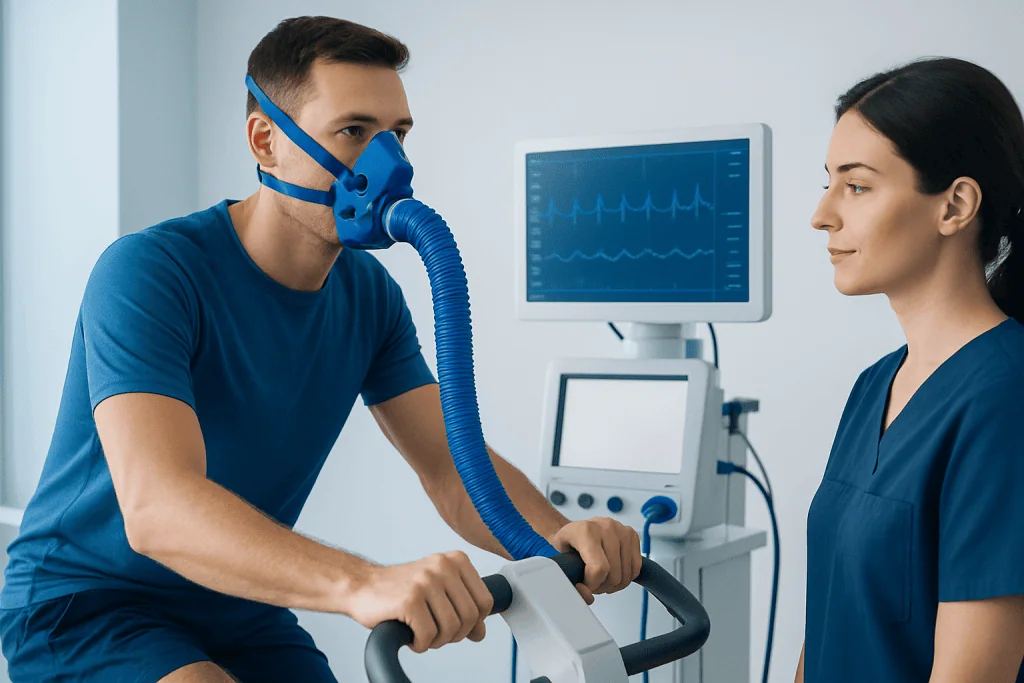
Calories are a measure of energy use. During exercise, the body burns energy to power muscles, breathing, circulation, and temperature control. Researchers often estimate exercise energy use with metabolic equivalents, or METs, which compare an activity’s intensity to resting energy use. Higher-MET activities usually burn more calories per minute.
Still, calorie estimates are only estimates. Wearable devices, treadmill screens, and online calculators can be helpful for trends, but they are not exact for every person. A heavier individual often burns more calories doing the same activity because moving a larger body requires more energy. Efficiency also matters: a trained runner may use less energy at a given pace than a beginner.
Several other factors influence calorie burn:
- Body weight and body composition
- Exercise intensity and speed
- Workout duration
- Fitness level and movement efficiency
- Incline, resistance, water conditions, or terrain
- Recovery time between hard efforts
Because of these variables, the most reliable comparison is not simply which activity has the highest number on paper, but which one allows a person to train effectively and safely over time.
Exercises that burn the most calories

Vigorous running is commonly at the top of the list for calories burned per minute. Faster running or uphill running increases the demand further. For people who tolerate impact well and have no medical restrictions, running can be one of the most time-efficient ways to increase energy expenditure.
Other high-calorie-burning exercises include lap swimming, rowing, stair climbing, cross-country skiing, vigorous cycling, and jump rope. High-intensity interval training, often called HIIT, can also burn a large amount of energy in a relatively short period by alternating hard efforts with recovery. These options can be particularly helpful for people who want variety or lower-impact alternatives to running.
In practical terms, the activities that often burn the most calories include:
- Running, especially at vigorous pace
- Jump rope
- Rowing at moderate to vigorous effort
- Cycling at high resistance or speed
- Swimming laps
- Stair climbing or uphill hiking
- HIIT sessions using cardio or mixed movements
Even walking should not be overlooked. While it usually burns fewer calories per minute than vigorous exercise, brisk walking is accessible, easier on joints, and easier to sustain regularly. For many people, a walking program paired with gradual increases in pace, incline, or distance can be an excellent long-term strategy.
Why the 'best' exercise may not be the highest burner
An exercise can have a very high calorie burn on paper and still not be the best choice for a specific person. If it causes knee pain, feels intimidating, worsens an existing condition, or can only be done once in a while, it may be less useful than a slightly lower-burning activity that becomes a routine. Long-term adherence is one of the strongest predictors of meaningful results.
It also helps to think in terms of total daily and weekly energy use rather than one workout alone. A person who runs intensely for 20 minutes twice a week may burn fewer total calories than someone who cycles, walks, swims, or does circuit training most days. Non-exercise movement, such as walking more during the day, also contributes to overall energy balance.
Joint health, balance, and medical history matter too. People with obesity, arthritis, back pain, or recent injury may do better with lower-impact options such as cycling, elliptical training, swimming, or supervised physical therapy and rehabilitation. For people evaluating weight-related health concerns, obesity may be part of a broader medical picture that benefits from structured support rather than exercise alone.
How to choose the right calorie-burning workout
The most suitable workout usually matches a person’s goals, current fitness, schedule, and physical limitations. If the main goal is burning more calories in less time, interval-based cardio or vigorous steady-state exercise may help. If the goal is consistency and reduced injury risk, brisk walking, cycling, water exercise, or moderate rowing may be a better starting point.
A balanced plan often works best. Many people benefit from combining aerobic exercise with strength training. Cardio generally burns more calories during the session, while resistance training supports muscle mass, function, and long-term metabolic health. This can be particularly helpful for people trying to lose fat while maintaining strength and mobility.
Helpful questions to consider include:
- Can this activity be done at least three to five times a week?
- Can the intensity be adjusted as fitness improves?
- Does it feel safe for the joints, heart, and lungs?
- Is it enjoyable enough to continue long term?
- Does it fit realistic time limits and access to equipment?
For people with severe obesity or obesity-related complications, exercise is only one part of treatment. In selected cases, doctors may discuss broader weight-management approaches, including bariatric surgery as part of a comprehensive medical plan.
How to increase calorie burn safely
Calorie burn can often be increased without changing to a completely different sport. Raising pace, adding hills or incline, increasing resistance, shortening rest periods, or extending workout length can all make a session more demanding. However, progress is usually safest when changes are gradual, especially for beginners or people returning after time away from exercise.
Warm-up and recovery matter. A few minutes of easier movement before harder exercise can prepare muscles and joints and reduce the risk of strain. Recovery between sessions supports performance and lowers the chance of overuse injuries. Sleep, hydration, and adequate nutrition also influence how effectively the body handles training.
Signs that a workout may be too intense include persistent joint pain, dizziness, unusual palpitations, chest discomfort, severe breathlessness out of proportion to effort, or exhaustion that lasts well beyond the session. People with known heart disease, diabetes, severe obesity, or major mobility limitations may need a tailored exercise plan and medical clearance before high-intensity routines.
If exercise brings on breathlessness beyond expected exertion, doctors may need to evaluate for issues such as asthma or heart-related causes. When a more detailed check is needed, testing may sometimes include cardiac stress testing to assess exercise tolerance and cardiovascular response.
When to seek medical care
For most people, choosing a higher-calorie-burning exercise is harmless when started gradually and matched to current fitness. Mild muscle soreness, temporary fatigue, and a faster heart rate during exertion are expected responses. Still, certain symptoms should not be ignored, especially if they are new, severe, or recurring.
Medical review is important if exercise causes chest pain, pressure, fainting, severe shortness of breath, bluish lips, marked dizziness, a racing or irregular heartbeat, calf swelling, or sudden weakness. Care is also advisable for persistent joint pain, back pain, or a suspected muscle or tendon injury that limits walking or normal activity.
A doctor will usually ask about the type of exercise, symptom timing, past medical history, medications, and family history of heart or lung disease. Depending on the concern, evaluation may include a physical examination, blood pressure check, heart tracing, lung assessment, or imaging. Some people may need assessment for an underlying condition such as heart disease before starting vigorous training.
Near the end of the care pathway, some people choose multidisciplinary support to exercise safely while managing health conditions. Acibadem International’s specialists in JCI-accredited hospitals diagnose and treat exercise-related and weight-related concerns for international patients when further evaluation is needed.
The evidence-based bottom line
If the question is strictly what exercise burns the most calories per minute, vigorous running is often the leading answer. But the evidence also shows that calorie burn is not fixed. Swimming, rowing, cycling, stair climbing, jump rope, and interval training can all be excellent choices, particularly when they allow sustained effort and regular practice.
For most people, the most effective strategy is to pick an activity that is challenging but manageable, then build frequency and intensity gradually. Combining cardio with strength work, increasing daily movement, and supporting exercise with realistic nutrition habits is usually more useful than chasing the single highest calorie number.
When symptoms such as chest discomfort, fainting, severe breathlessness, or injury appear, medical advice is the safer next step. With the right plan, many people can find a calorie-burning exercise routine that is effective, sustainable, and appropriate for their health needs.
Frequently asked questions
Does running always burn more calories than walking?
Usually, running burns more calories per minute than walking because it is more intense. However, a long brisk walk may burn a meaningful total amount of energy and may be easier to repeat consistently. For some people, that makes walking a better long-term option.
Is HIIT the best exercise for weight loss?
HIIT can burn a lot of calories in a short time and may improve fitness efficiently. Still, it is not automatically the best choice for everyone. The best exercise for weight loss is one that a person can do safely, recover from, and continue regularly.
Which low-impact exercise burns the most calories?
Among lower-impact options, vigorous cycling, rowing, swimming, and using an elliptical trainer can burn substantial calories. The exact ranking depends on intensity and duration. These activities may suit people who want to reduce stress on the joints.
Do heavier people burn more calories doing the same exercise?
Often yes. Moving a larger body usually requires more energy, so calorie burn may be higher at the same speed or workload. Even so, comfort, joint tolerance, and fitness level should guide the choice of exercise.
How can someone burn more calories without exercising harder?
Increasing workout duration, adding incline, reducing long rest periods, and moving more throughout the day can all raise total energy use. Small changes such as extra walking, standing more, or taking stairs can add up over time. Strength training can also support long-term metabolic health.
Should someone see a doctor before starting vigorous exercise?
Many healthy adults can begin moderate activity gradually without a full medical workup. A doctor visit is especially sensible for people with chest symptoms, known heart or lung disease, diabetes, severe obesity, major mobility problems, or long periods of inactivity. Medical advice is also important if worrying symptoms occur during workouts.
References
- American College of Sports Medicine
- Centers for Disease Control and Prevention
- National Heart, Lung, and Blood Institute
- World Health Organization
- National Institute of Diabetes and Digestive and Kidney Diseases
This article is for general information only and is not a substitute for professional medical advice. Please consult a qualified doctor about your individual situation.
Medical weight-loss options in Turkey — costs & eligibility
JCI-accredited · board-certified surgeons · reply within 24h
Check your numbers in seconds
BMI, calories, due date, blood pressure and 30+ more clinical calculators — free, instant, doctor-reviewed ranges.