Low Grade Squamous Intraepithelial Lesion: An Evidence-Based Guide for Patients

Low grade squamous intraepithelial lesion, or LSIL, describes mild abnormal cervical cell changes seen on screening. LSIL is commonly linked to HPV infection and is not the same as cervical cancer.
Key Takeaways
- Low grade squamous intraepithelial lesion, or LSIL, describes mild abnormal cervical cell changes seen on screening.
- LSIL is commonly linked to HPV infection and is not the same as cervical cancer.
- Many LSIL changes go away without treatment, especially in younger people.
- Follow-up may include repeat HPV or Pap testing, or a closer examination called colposcopy.
- Regular cervical screening and HPV vaccination help reduce the risk of more serious cervical changes.
Low grade squamous intraepithelial lesion is a Pap test result showing mild changes in cells on the cervix, most often related to human papillomavirus (HPV). In many cases it does not mean cancer and may clear on its own, but it does need appropriate follow-up based on age, HPV results, and cervical screening history.
What low grade squamous intraepithelial lesion means
Low grade squamous intraepithelial lesion, often shortened to LSIL, is a term used in cervical screening. It means that mild changes were found in the squamous cells covering the surface of the cervix. These changes are usually caused by a human papillomavirus infection, especially a temporary infection that the immune system may later clear.
For many patients, seeing an abnormal result can be worrying. It helps to know that LSIL is not a diagnosis of cervical cancer. Instead, it is a description of low-grade cell changes that may return to normal over time, particularly in younger adults and in people whose immune system is healthy.
LSIL is most often found after a Pap smear or cervical cytology test. The next step depends on several factors, including the patient’s age, whether high-risk HPV was found, previous screening results, pregnancy status, and whether a recent colposcopy has already been done. Because risk is individualized, a doctor uses these details to decide whether observation or further testing is safest.
How LSIL is related to HPV
HPV is a very common virus spread mainly through intimate skin-to-skin sexual contact. Most sexually active people are exposed to HPV at some point. In many cases, the virus causes no symptoms and clears naturally. Some HPV types are considered high risk because they are associated with cervical precancer and cancer over many years if infection persists.
LSIL often reflects the effect of HPV on cervical cells, but it does not tell the whole story by itself. A positive high-risk HPV test can increase the need for closer follow-up, while a negative HPV result may support a less intensive approach. This is why co-testing or reflex HPV testing is often part of cervical screening programs.
HPV-related changes exist on a spectrum. LSIL is generally considered a mild change. More advanced changes may be described on biopsy as cervical dysplasia or cervical intraepithelial neoplasia, which can be explored further on a page about cervical dysplasia. Understanding this progression helps patients see why regular monitoring matters even when no symptoms are present.
Symptoms and what most people notice

Most people with low grade squamous intraepithelial lesion have no symptoms at all. LSIL is usually discovered during routine cervical screening rather than because it causes discomfort. This is one reason screening is so important: cell changes in the cervix often cannot be felt.
When symptoms are present, they are usually not caused directly by LSIL itself. Instead, symptoms may be related to HPV, another infection, inflammation, cervical polyps, or another gynecologic condition. Some people may notice unusual vaginal bleeding, bleeding after sex, unusual discharge, or pelvic discomfort, but these findings have many possible causes.
Because symptoms are non-specific, they should not be used to judge how serious a cervical screening result is. A person can feel entirely well and still need follow-up after LSIL is reported. On the other hand, having symptoms does not mean cancer is present, but it does mean a clinical evaluation is important.
Causes and factors that can affect risk
The main underlying cause of LSIL is HPV infection. In most cases, the immune system controls the virus before it leads to more significant cell changes. LSIL is especially common at ages when transient HPV infections are frequent, but it can appear at any adult age in people with a cervix.
Several factors can make HPV more likely to persist rather than clear. These include smoking, long-term immune suppression, HIV infection, certain medications that weaken the immune system, and not keeping up with cervical screening. Having a new sexual partner or multiple sexual partners can increase exposure to HPV, although HPV can remain inactive for years before it is detected.
HPV vaccination lowers the risk of infection from the types most commonly linked to serious cervical disease. It does not treat an existing LSIL result, but it is still valuable for prevention in people who are eligible. Safe sex practices can reduce exposure, though they do not eliminate the risk completely because HPV can affect areas not fully covered by a condom.
How doctors diagnose and evaluate LSIL
LSIL is first identified on a cervical screening test, usually a Pap smear. The laboratory examines cervical cells under a microscope and reports whether they appear normal or abnormal. If LSIL is reported, the clinician reviews the result together with HPV testing, age, prior screening history, and any earlier biopsy findings to estimate the risk of a more significant lesion.
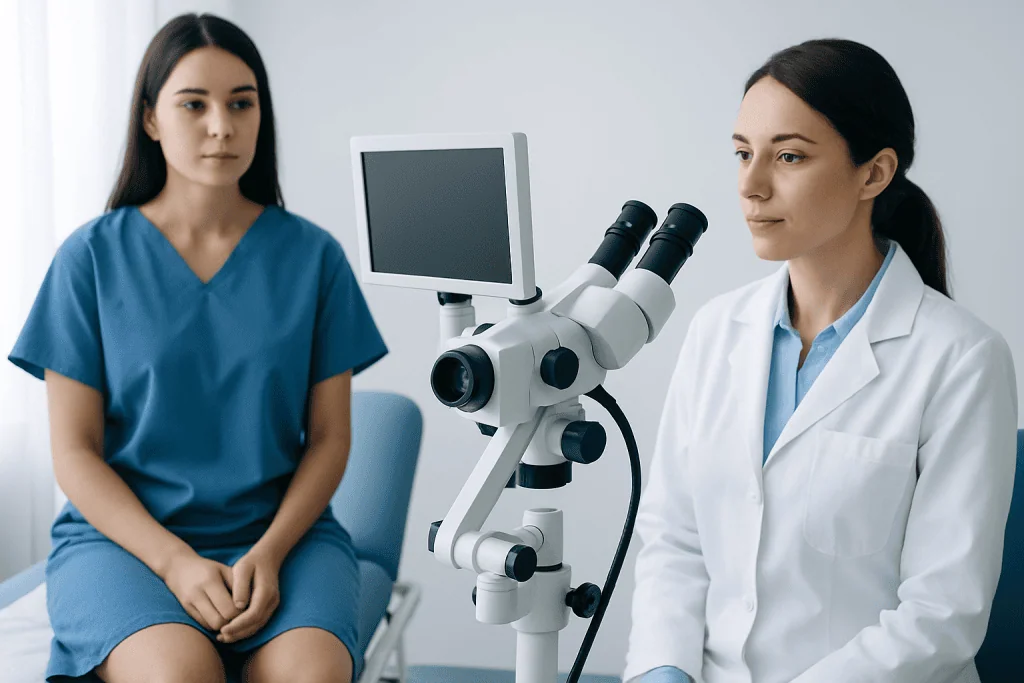
A common next step is colposcopy, a procedure in which the cervix is examined with magnification after special solutions are applied. If an area looks suspicious, a small tissue sample may be taken for biopsy. Biopsy results are important because treatment decisions are usually based more on the biopsy finding than on the Pap result alone. A patient who needs a closer examination may be advised to have colposcopy as part of follow-up.
Not everyone with LSIL needs immediate biopsy. In some situations, repeat screening after a recommended interval is appropriate because the risk of significant disease is low. If a biopsy shows a higher-grade change, management may shift toward treatment. Some patients may also hear about Pap smear testing and HPV testing as part of ongoing surveillance after an abnormal result.
Treatment and follow-up options
There is no single treatment plan for every case of low grade squamous intraepithelial lesion. Many cases are managed with observation and repeat testing because the abnormal cells may return to normal without intervention. This is especially common in younger patients or when the overall estimated risk of progression is low.
If colposcopy and biopsy show only low-grade changes, doctors may recommend repeat Pap and HPV testing at a later interval rather than removing tissue right away. This approach aims to avoid unnecessary procedures while still protecting against missed progression. It is important for patients to attend all scheduled follow-up visits, because the safest plan depends on tracking whether the changes resolve, persist, or become more significant.
If a biopsy shows a higher-grade lesion, treatment may involve removing or destroying the abnormal area of the cervix. One common option is LEEP when clinically appropriate. Decisions about treatment are individualized, especially during pregnancy, after menopause, or in people with prior abnormal screening results. If cervical disease is more advanced than expected, doctors may also assess for conditions discussed on a page about cervical cancer.
Prevention, self-care, and emotional reassurance
The most effective prevention steps are regular cervical screening and HPV vaccination when eligible. Screening can find mild changes such as LSIL before they become more serious, and vaccination reduces the chance of future infection with the HPV types most strongly linked to cervical precancer and cancer. People who have already had abnormal screening results can still benefit from staying current with recommended follow-up.
General self-care also supports cervical health. Not smoking is especially important because smoking can reduce the body’s ability to clear HPV. Patients are also encouraged to manage chronic conditions, follow advice for immune health, and use barrier protection during sex, understanding that this lowers but does not fully remove HPV risk.
It is normal to feel anxious after an abnormal Pap result. Many patients worry that LSIL means cancer is already present, but in most cases that is not true. Asking for a clear explanation of the plan, keeping copies of results, and attending follow-up appointments can help patients feel more in control. Near the end of the care pathway, some patients seek multidisciplinary assessment at centers such as Acibadem International, where JCI-accredited hospitals evaluate and treat cervical conditions for international patients.
When to seek medical care
Anyone who receives a report showing low grade squamous intraepithelial lesion should contact the clinician who ordered the test and follow the recommended next steps. Even though LSIL is often mild, it should not be ignored. Timely follow-up helps confirm whether the changes are temporary or whether a closer look is needed.
Medical care should be sought sooner if there is bleeding after sex, bleeding between periods, bleeding after menopause, persistent unusual vaginal discharge, pelvic pain, or any new symptom that is concerning. These symptoms do not necessarily mean LSIL has worsened, but they deserve evaluation because they can be linked to several gynecologic conditions.
Patients who are pregnant, immunocompromised, living with HIV, or have had abnormal cervical tests in the past should be especially careful to follow individualized medical advice. If there is uncertainty about what the test means or what the next appointment should be, a gynecologist can explain the screening result and discuss the safest evidence-based plan.
Frequently asked questions
Is low grade squamous intraepithelial lesion cancer?
No. Low grade squamous intraepithelial lesion is a screening result that describes mild abnormal changes in cervical cells, usually related to HPV. It is not the same as cervical cancer, although it does require follow-up to make sure the changes do not persist or progress.
Can LSIL go away on its own?
Yes, many cases of LSIL resolve without treatment, especially when the immune system clears the HPV infection. This is why some patients are managed with repeat testing rather than immediate treatment. The key is to follow the recommended schedule for reassessment.
Will everyone with LSIL need a colposcopy?
No. Whether colposcopy is needed depends on age, HPV test results, prior screening history, and overall estimated risk. Some patients are advised to have a closer examination, while others can safely return for repeat screening after a defined interval.
Does LSIL mean a person has HPV?
LSIL is commonly associated with HPV, but the screening result itself describes the cell changes rather than proving which virus type is present. HPV testing is often used alongside cervical cytology to guide follow-up. A doctor interprets both results together.
Can a person with LSIL still become pregnant?
LSIL itself does not usually prevent pregnancy. However, follow-up should still continue, and management during pregnancy may differ from routine care. Anyone who is pregnant or trying to conceive should discuss timing of evaluation and any procedures with their doctor.
What is the difference between LSIL and a high-grade lesion?
LSIL refers to mild cellular abnormalities with a lower risk of significant precancer compared with high-grade lesions. High-grade lesions are more likely to represent true precancer and may require treatment rather than observation alone. A biopsy, when performed, gives more precise information than the Pap result by itself.
References
- World Health Organization
- American College of Obstetricians and Gynecologists
- American Society for Colposcopy and Cervical Pathology
- Centers for Disease Control and Prevention
- National Cancer Institute
This article is for general information only and is not a substitute for professional medical advice. Please consult a qualified doctor about your individual situation.
Oncology care in Turkey — second opinion and treatment plan
JCI-accredited · board-certified surgeons · reply within 24h

More from the Health Library



Related Specialists
Dr. Mehmet Altuğ
Orthopedic Surgery & Traumatology
Dr. Cem Öncüloğlu
Gynecology & Obstetrics
Dr. Aylin Tatlıadım
Gynecology & Obstetrics
Dyt. Hüda Sevimli
Nutrition & Diet