External Intercostals: What Patients Need to Know
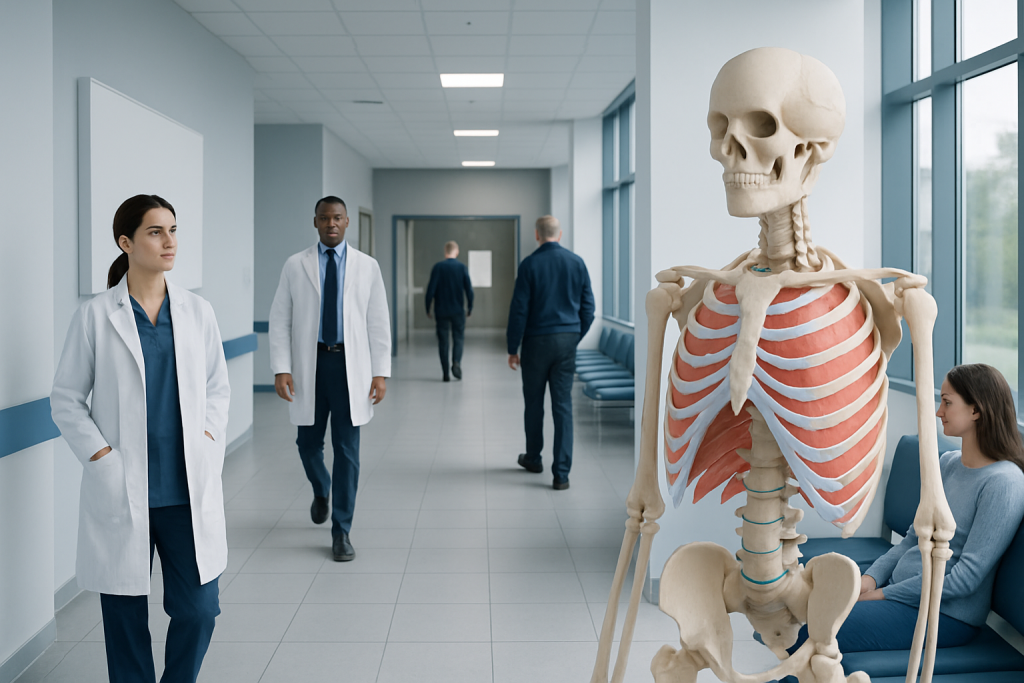
External intercostals are muscles between the ribs that assist breathing by helping expand the chest. Pain in the area is often caused by strain, overuse, coughing, poor movement patterns, or minor injury.
Key Takeaways
- External intercostals are muscles between the ribs that assist breathing by helping expand the chest.
- Pain in the area is often caused by strain, overuse, coughing, poor movement patterns, or minor injury.
- Symptoms can include sharp or aching pain between the ribs, tenderness, and discomfort with deep breathing, twisting, or coughing.
- Doctors diagnose intercostal problems mainly through medical history and physical examination, with imaging used when another cause is possible.
- Treatment depends on the cause and may include rest, pain relief, breathing support, and physical therapy.
- Chest pain should always be assessed urgently if it is severe, sudden, or linked with shortness of breath or other concerning symptoms.
External intercostals are small muscles between the ribs that help lift the rib cage during breathing and support normal chest wall movement. Patients usually hear about them when chest pain, muscle strain, coughing, sports injury, or breathing discomfort affects the muscles in this area.
Overview: what the external intercostals are
External intercostals are thin muscles that sit between the ribs. They form part of the chest wall and play an important role in breathing by helping raise the ribs during inhalation. In simple terms, they help the chest expand so the lungs can fill more easily with air.
These muscles work together with the diaphragm, internal intercostal muscles, and other supporting muscles of respiration. Although they are small, they contribute to smooth, coordinated breathing and help stabilize the rib cage during movement, coughing, laughing, and exercise.
People often become aware of the external intercostals only when pain develops in the chest wall or side of the rib cage. This discomfort may follow a cough, sudden twist, heavy lifting, athletic activity, or direct impact. Because chest pain can have many causes, it is important not to assume that pain near the ribs is always muscular.
Where they are and what they do
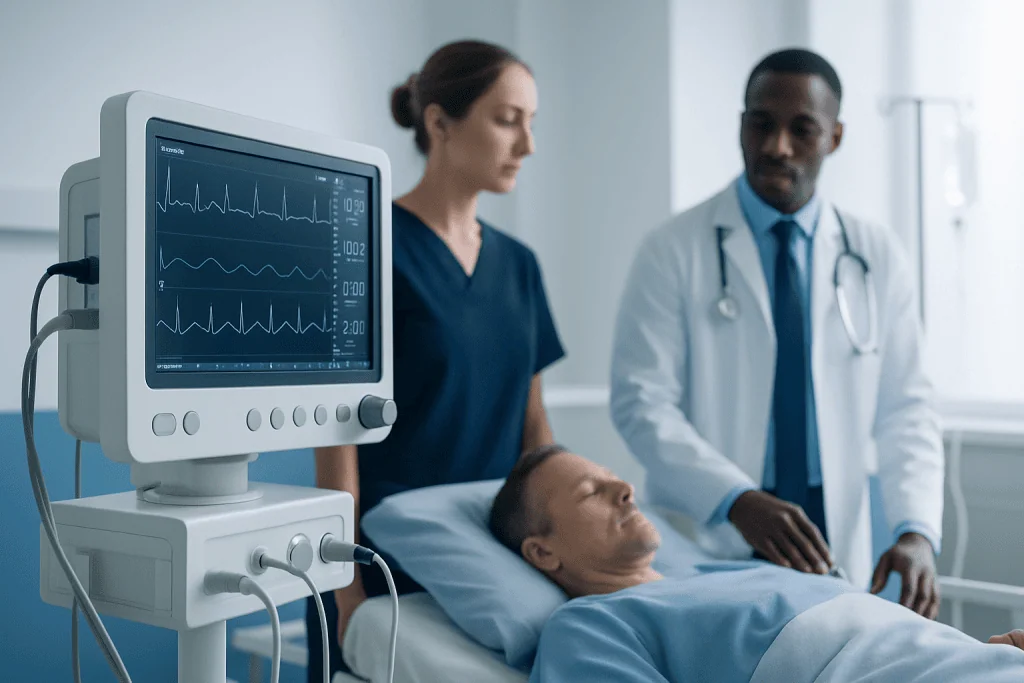
The external intercostals run obliquely between neighboring ribs from the back of the chest toward the front. Their fibers are arranged in a way that helps lift the ribs when they contract. This slight elevation increases the space inside the chest and supports inhalation.
In everyday life, these muscles are active during quiet breathing, but they become more important when breathing needs increase. This can happen during exercise, climbing stairs, respiratory illness, or any situation that makes a person breathe more deeply or quickly.
They also contribute to chest wall stability. The ribs need to move enough for breathing, but they also need support when the body bends, rotates, coughs, sneezes, or lifts. For that reason, the external intercostals can be affected by both breathing-related strain and ordinary body movements.
Understanding this function helps explain why pain in the external intercostals may worsen not only with deep breaths, but also with actions such as twisting the torso, reaching overhead, or getting out of bed.
Symptoms linked to external intercostal problems

When the external intercostals are strained or irritated, the most common symptom is localized pain between or around the ribs. The pain may be sharp, stabbing, pulling, or aching. Some people notice it on one side only, while others feel discomfort across a broader area of the chest wall.
Symptoms often become more noticeable with movement. Deep breathing, coughing, sneezing, laughing, stretching, or turning the upper body can reproduce the pain. Pressing on the affected area may cause tenderness, which can support a muscular cause.
Other possible features include:
- Muscle tightness or a sense of spasm
- Pain after exercise, heavy lifting, or repetitive arm movements
- Discomfort after a long coughing illness
- Reduced comfort when lying on the affected side
- Temporary shallow breathing because deeper breaths hurt
Still, chest symptoms should be interpreted carefully. Heart, lung, digestive, nerve, and rib conditions can sometimes feel similar. For example, inflammation of the lung lining such as pleurisy or a lung problem such as pneumothorax may also cause chest pain with breathing and need prompt evaluation.
Common causes and risk factors
The most frequent cause of external intercostal pain is muscle strain. This can happen after sudden twisting, lifting, throwing, rowing, racquet sports, contact sports, or an abrupt movement that overloads the chest wall. Repetitive use may lead to small muscle fiber injury and inflammation.
Coughing is another common trigger. A severe or prolonged cough can repeatedly stress the intercostal muscles, especially during respiratory infections, asthma flare-ups, or chronic lung conditions. In some cases, patients notice pain only after the cough starts to improve and the strained muscle remains sore.
Other possible causes and contributing factors include:
- Direct injury to the chest wall, such as a fall or blow
- Poor posture or movement mechanics that overload the ribs and upper trunk
- Sudden increases in exercise intensity
- Muscle tension related to stress or guarding after pain
- Rib joint irritation or nearby soft-tissue inflammation
- Less commonly, infection, nerve irritation, or underlying rib problems
Risk is often higher in athletes, manual workers, people recovering from respiratory illness, and anyone returning too quickly to strenuous activity. Older adults may also have other causes of chest wall pain, so a broad medical assessment may be needed if symptoms are unusual or persistent.
How doctors diagnose the cause
Doctors usually begin with a detailed history. They ask when the pain started, where it is felt, what makes it worse, and whether there are warning signs such as shortness of breath, fever, trauma, dizziness, or pain spreading to the arm, jaw, or back. This history helps separate likely muscle pain from other urgent causes of chest symptoms.
A physical examination often includes checking the chest wall for tenderness, swelling, bruising, and pain with movement or deep breathing. If pressing on a specific area reproduces the pain, a musculoskeletal cause becomes more likely. The doctor may also listen to the lungs and heart and assess posture, spinal movement, and shoulder mechanics.
Imaging or other tests are not always needed for a simple strain, but they may be recommended when the diagnosis is uncertain. Depending on the situation, tests may include chest X-ray, ultrasound, CT, MRI, or laboratory studies. These can help identify rib fracture, lung disease, inflammation, or other internal causes of chest pain.
If symptoms point away from a simple muscle problem, advanced evaluation may be appropriate. In selected cases, clinicians may use MRI to assess soft tissues or CT scan imaging when rib, lung, or other chest conditions need clearer definition.
Treatment options and recovery
Treatment depends on the cause, severity, and whether another medical problem is present. For a straightforward external intercostal strain, initial care usually focuses on reducing pain and allowing the muscle to recover. This often means relative rest rather than complete immobility, along with avoiding movements that repeatedly trigger sharp pain.
General treatment measures may include:
- Short-term activity modification
- Clinician-guided use of pain-relieving medicines
- Gentle breathing exercises to prevent overly shallow breathing
- Heat or cold, depending on what feels best and what a clinician advises
- Gradual return to normal movement and exercise
When pain persists, physical therapy can be helpful. Therapy may address chest wall mobility, thoracic spine movement, shoulder mechanics, posture, and breathing patterns. Patients who have developed protective shallow breathing or stiffness after injury often improve as normal movement is restored.
If the pain is not due to a muscle strain, treatment is directed at the underlying problem. For example, respiratory illness, rib injury, or persistent chest symptoms may require specialist assessment. In a multidisciplinary setting, Acibadem International’s specialists and JCI-accredited hospitals evaluate chest wall and breathing-related complaints for international patients, using tests such as comprehensive check-up assessment when clinically appropriate.
Prevention and self-care
Although not every intercostal problem can be prevented, many strains are linked to overuse, sudden exertion, or poor body mechanics. A gradual approach to exercise, especially after illness or inactivity, can reduce the chance of overloading the muscles between the ribs.
Helpful prevention and self-care steps include:
- Warm up before sports or heavy physical activity
- Increase training intensity gradually
- Strengthen the core, shoulders, and upper back
- Use proper lifting and twisting mechanics
- Address persistent coughing with medical advice
- Maintain good posture during desk work and repetitive tasks
At home, many people feel better when they avoid sudden twisting, support the chest during coughing, and return to activity in stages. Gentle movement is usually better than prolonged guarding, as long as it does not provoke severe pain. Breathing should remain steady and comfortable rather than forced.
Patients should avoid self-diagnosing all chest pain as muscular. If symptoms do not improve as expected, recur often, or interfere with normal breathing or sleep, a medical review is sensible.
When to seek medical care
Medical assessment is important whenever chest pain is new, unexplained, severe, or different from previous muscle soreness. A doctor can determine whether symptoms come from the chest wall or from the heart, lungs, digestive system, or another structure.
Prompt or urgent care is especially important if chest pain occurs with shortness of breath, fainting, fever, a recent injury, bluish lips, severe cough, coughing up blood, or pain that spreads to the arm, shoulder, jaw, or back. These features can point to conditions that need immediate attention rather than home care.
Patients should also seek care if rib-area pain lasts more than a few days without improvement, returns repeatedly, or limits normal breathing and daily activity. Early evaluation can provide reassurance, guide treatment, and help rule out more serious causes.
Frequently asked questions
What are the external intercostals?
External intercostals are muscles located between the ribs. Their main job is to help lift the rib cage during inhalation, which supports normal breathing and chest expansion.
Can external intercostal pain feel like serious chest pain?
Yes. Pain from these muscles can be sharp and may worsen with breathing, coughing, or movement, which can feel alarming. Because other chest conditions can cause similar symptoms, new or severe chest pain should be assessed by a doctor.
How do people strain the external intercostal muscles?
Strain often happens after coughing, twisting, heavy lifting, sports activity, or a sudden awkward movement. Repetitive upper-body motion and returning too quickly to exercise after illness can also contribute.
How long does an external intercostal strain take to heal?
Recovery varies depending on the severity of the strain and the person’s general health. Mild cases may improve within days to a few weeks, while more significant injuries can take longer and may benefit from guided rehabilitation.
Is exercise safe with external intercostal pain?
Light activity may be appropriate if it does not sharply worsen the pain, but strenuous exercise is usually best paused for a short time. A gradual return is typically safer than pushing through pain, and a clinician or physical therapist can advise on timing.
Do I need imaging for pain in the external intercostals?
Not always. Many uncomplicated muscle strains are diagnosed with history and physical examination alone. Imaging may be used when symptoms are severe, persistent, follow significant trauma, or suggest a problem involving the ribs, lungs, or other chest structures.
References
- National Library of Medicine
- American Academy of Orthopaedic Surgeons
- Cleveland Clinic
- MedlinePlus
- National Heart, Lung, and Blood Institute
This article is for general information only and is not a substitute for professional medical advice. Please consult a qualified doctor about your individual situation.
Explore treatments in Turkey — costs, top hospitals & a free quote
JCI-accredited · board-certified surgeons · reply within 24h