Can You Live Without a Gallbladder? Causes, Explanations, and Next Steps

The liver still makes bile even without a gallbladder, so digestion can continue. Many people have no long-term problems after gallbladder removal, though some notice short-term bloating, loose stools, or sensitivity to fatty meals.
Key Takeaways
- The liver still makes bile even without a gallbladder, so digestion can continue.
- Many people have no long-term problems after gallbladder removal, though some notice short-term bloating, loose stools, or sensitivity to fatty meals.
- Medical review is important if symptoms include fever, jaundice, severe or persistent abdominal pain, vomiting, or unexplained weight loss.
- Doctors may use a physical exam, blood tests, ultrasound, and sometimes MRI-based bile duct imaging to find the cause of symptoms.
- Treatment depends on the reason for symptoms and may include dietary changes, medicines, or procedures for stones or bile duct problems.
Yes, a person can live without a gallbladder, and many do very well after it is removed. The main questions are why the gallbladder is not working or has been removed, what symptoms are expected, and which warning signs need medical attention.
Overview: yes, most people can live without a gallbladder
In most cases, the answer to can you live without a gallbladder is yes. The gallbladder stores and concentrates bile, but it is not essential for survival because the liver continues to produce bile even after the gallbladder is removed. Many people return to normal daily life after recovery and eat a varied diet with few or no long-term restrictions.
That said, life without a gallbladder can feel different for some people, especially in the first weeks or months. Bile flows more continuously into the intestine instead of being released in larger amounts after meals. This can lead to temporary bloating, looser stools, gas, or discomfort after very fatty foods, although symptoms often improve over time.
The more important question is usually not whether a person can live without a gallbladder, but why the gallbladder was removed or why symptoms are happening. Gallstones, inflammation, bile duct blockage, infection, and less commonly other digestive conditions may all play a role. Understanding the cause helps guide the next steps.
What the gallbladder does and why problems happen
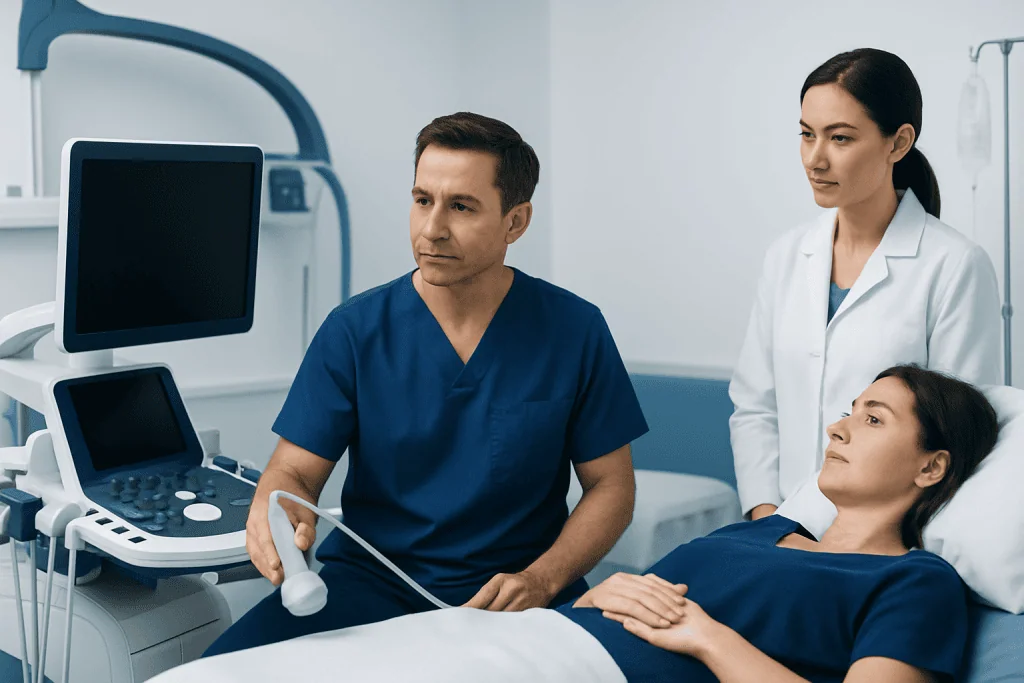
The gallbladder is a small organ under the liver. Its job is to store bile, a digestive fluid made by the liver that helps break down fats. When a person eats, especially a fatty meal, the gallbladder squeezes bile into the small intestine through the bile ducts.
Problems can happen when bile becomes unbalanced and forms gallstones, when the gallbladder becomes inflamed, or when the ducts carrying bile are narrowed or blocked. These issues can cause pain, nausea, indigestion, infection, or yellowing of the skin and eyes. Some people have no symptoms at all, while others have repeated attacks after meals.
If symptoms are caused by stones or inflammation, doctors may discuss gallbladder removal, called cholecystectomy. This is a common treatment when symptoms are ongoing or complications are likely. It may also be helpful to learn about gallstones and when they need treatment.
Common symptoms before or after gallbladder removal

Before gallbladder removal, symptoms often include pain in the upper right or middle upper abdomen, especially after eating. The pain may spread to the back or right shoulder and may come with nausea, bloating, burping, or vomiting. Some people notice that rich or greasy meals trigger symptoms more strongly.
After surgery, many people recover smoothly, but mild digestive changes are common for a period of time. These may include loose stools, urgency after meals, gas, fullness, or difficulty tolerating high-fat foods. These symptoms are often temporary and may improve as the digestive system adapts.
Not every digestive symptom after surgery is caused by the missing gallbladder. Acid reflux, irritable bowel syndrome, peptic ulcer disease, pancreas conditions, or retained bile duct stones can cause similar discomfort. If symptoms continue or start long after surgery, a doctor may look for another explanation rather than assuming it is simply part of recovery.
- Common but usually non-urgent: mild bloating, temporary diarrhea, gas, reduced tolerance for fatty meals
- Symptoms needing assessment: ongoing pain, fever, jaundice, dark urine, pale stools, repeated vomiting
Why some people have symptoms without a gallbladder
Living without a gallbladder is usually well tolerated, but symptoms can still happen for several reasons. The most common is a change in bile flow. Without storage in the gallbladder, bile drips into the intestine more steadily, which may irritate the bowel in some people and lead to loose stools or urgency.
Another possibility is that symptoms are not coming from the removed gallbladder at all. A stone can remain in the bile duct, the bile ducts can become inflamed, or another digestive condition may be present. Rarely, ongoing pain after surgery is linked to sphincter dysfunction, scar-related narrowing, or a separate liver, pancreas, or stomach problem.
Sometimes symptoms that seemed to come from the gallbladder were actually due to another condition from the start. A doctor may consider reflux disease, gastritis, ulcers, pancreatitis, functional bowel disorders, or pancreatitis if the pattern does not fit a typical gallbladder problem. This is one reason a careful review of symptoms and timing is so important.
When to seek medical care
Most people with mild digestive changes after gallbladder removal do not need urgent treatment, but certain symptoms should be checked promptly. Medical review is important if abdominal pain is severe, keeps returning, or lasts longer than expected, especially if it is associated with fever or vomiting.
Red flags include yellowing of the skin or eyes, dark urine, pale stools, chills, swelling of the abdomen, or trouble keeping fluids down. These can suggest bile duct blockage, infection, inflammation of nearby organs, or other conditions that need timely treatment. New symptoms appearing long after surgery also deserve evaluation.
Even without these warning signs, it is reasonable to speak with a doctor if diarrhea persists, weight loss is unexplained, meals are becoming difficult to tolerate, or symptoms are affecting work, sleep, or quality of life. Early assessment can often clarify whether simple dietary adjustment is enough or whether testing is needed.
How doctors find the cause
Doctors usually start with a symptom history and physical examination. They ask when the pain happens, whether it is linked to meals, whether there is fever or jaundice, and whether the person still has a gallbladder or has already had surgery. The timing of symptoms can offer important clues.
Blood tests may be used to look for signs of infection, liver irritation, bile duct blockage, or pancreas inflammation. Common tests include liver function tests and enzymes related to the pancreas. These do not diagnose every problem on their own, but they help narrow the possibilities.
Imaging is often the next step. Ultrasound is commonly used first because it can show gallstones, gallbladder inflammation, and bile duct widening. In some situations, doctors may recommend more detailed imaging such as MRI-based imaging of the bile ducts, CT, or endoscopic procedures to look for a blockage or a retained stone. If surgery is being considered, the discussion may include gallbladder surgery and what recovery typically involves.
Treatment options and self-care after gallbladder removal
Treatment depends on the reason for symptoms. If gallstones or repeated inflammation are the cause before surgery, gallbladder removal may be the most effective option. If symptoms occur after surgery, treatment may focus on the specific problem identified, such as a retained stone, bile acid-related diarrhea, reflux, or another digestive disorder.
For mild symptoms after gallbladder removal, simple steps are often helpful. Eating smaller meals, reducing very greasy or fried foods, adding fiber gradually, and staying hydrated can make digestion easier while the body adjusts. Some people find it useful to keep a food and symptom diary for a few weeks to identify triggers.
Medicines may be used in some cases, such as treatments for diarrhea, acid-related symptoms, or infection when appropriate. Procedures may be needed if imaging shows a stone or narrowing in the bile ducts. In complex cases, care from gastroenterology, surgery, and radiology specialists may be helpful. Acibadem International’s multidisciplinary specialists and JCI-accredited hospitals diagnose and treat gallbladder and bile duct conditions for international patients, including advanced evaluation in gastroenterology services when needed.
Frequently asked questions
Can a person digest food normally without a gallbladder?
Yes. The liver still makes bile, so digestion continues even without a gallbladder. Some people notice temporary bloating or loose stools, especially after fatty meals, but many adapt well over time.
What foods are hard to eat without a gallbladder?
Very fatty, fried, or heavy meals are the most common triggers for discomfort after gallbladder removal. Many people do better with smaller meals and a gradual return to richer foods as symptoms improve.
Is diarrhea normal after gallbladder surgery?
Mild diarrhea can happen after gallbladder removal because bile enters the intestine more continuously. It often improves with time, but persistent or troublesome diarrhea should be discussed with a doctor.
Can symptoms return even after the gallbladder is removed?
Yes, symptoms can still happen, but they may have a different cause. Retained bile duct stones, reflux, bowel conditions, pancreas problems, or bile-related irritation can all cause ongoing discomfort.
How long does it take to adjust to life without a gallbladder?
Many people feel much better within days to weeks after surgery, though digestive adjustment can take longer for some. The timeline varies depending on overall health, diet, and whether any other digestive condition is present.
When should someone worry about pain after gallbladder removal?
Pain should be assessed if it is severe, persistent, or linked to fever, vomiting, jaundice, or inability to eat and drink normally. These symptoms can point to a complication or another condition that needs prompt medical care.
References
- National Institute of Diabetes and Digestive and Kidney Diseases
- American College of Gastroenterology
- National Health Service
- Mayo Clinic
- Society of American Gastrointestinal and Endoscopic Surgeons
This article is for general information only and is not a substitute for professional medical advice. Please consult a qualified doctor about your individual situation.
Explore treatments in Turkey — costs, top hospitals & a free quote
JCI-accredited · board-certified surgeons · reply within 24h

More from the Health Library



Related Specialists

Dr. Gülhan Sarıaydın
Ophthalmology
Dt. Cansu Emeksiz Arar
Dentistry
Dr. Semra Demirli Atıcı
General Surgery
Dr. Ahmad Nejat Ghaffarı
Infectious Diseases and Clinical Microbiology