Infant Rapid Breathing: A Complete Medical Overview

A baby may breathe faster for short periods after crying, feeding, or being overheated, but persistent rapid breathing needs attention. Warning signs include chest retractions, grunting, blue lips, poor feeding, unusual sleepiness, and pauses in breathing.
Key Takeaways
- A baby may breathe faster for short periods after crying, feeding, or being overheated, but persistent rapid breathing needs attention.
- Warning signs include chest retractions, grunting, blue lips, poor feeding, unusual sleepiness, and pauses in breathing.
- Common causes include bronchiolitis, pneumonia, fever, dehydration, asthma-like wheezing, and some heart conditions.
- Doctors assess breathing rate, oxygen levels, feeding, hydration, and may use imaging or lab tests when needed.
- Urgent medical care is important if the infant is struggling to breathe, looks blue, or cannot feed normally.
Infant rapid breathing may happen for harmless reasons such as crying or warmth, but ongoing fast breathing can also be a sign of infection, lung disease, heart problems, or breathing distress. The safest approach is to observe the pattern, look for warning signs, and seek medical advice promptly if breathing remains fast or seems labored.
Overview: what infant rapid breathing means
Infant rapid breathing means a baby is breathing faster than expected for age. In some situations, this can be temporary and normal, such as after crying, during excitement, or when the baby is too warm. However, if the fast breathing continues when the baby is calm or sleeping, it may point to a medical problem that needs assessment.
Breathing patterns in infants are naturally more variable than in older children and adults. Newborns can have brief periods of faster breathing, and they may also show periodic breathing, where breathing briefly changes pace. What matters most is whether the breathing stays fast, seems difficult, or happens together with other signs such as poor feeding, flaring nostrils, chest pulling in, or unusual color changes.
Parents and caregivers often first notice that the baby’s chest is moving quickly or that the baby seems to work harder to breathe. Rather than focusing on one isolated breath, it helps to watch the infant when calm and count breaths for a full minute. A healthcare professional can then interpret the breathing rate in the context of the baby’s age, overall appearance, and symptoms.
How to recognize symptoms and warning signs
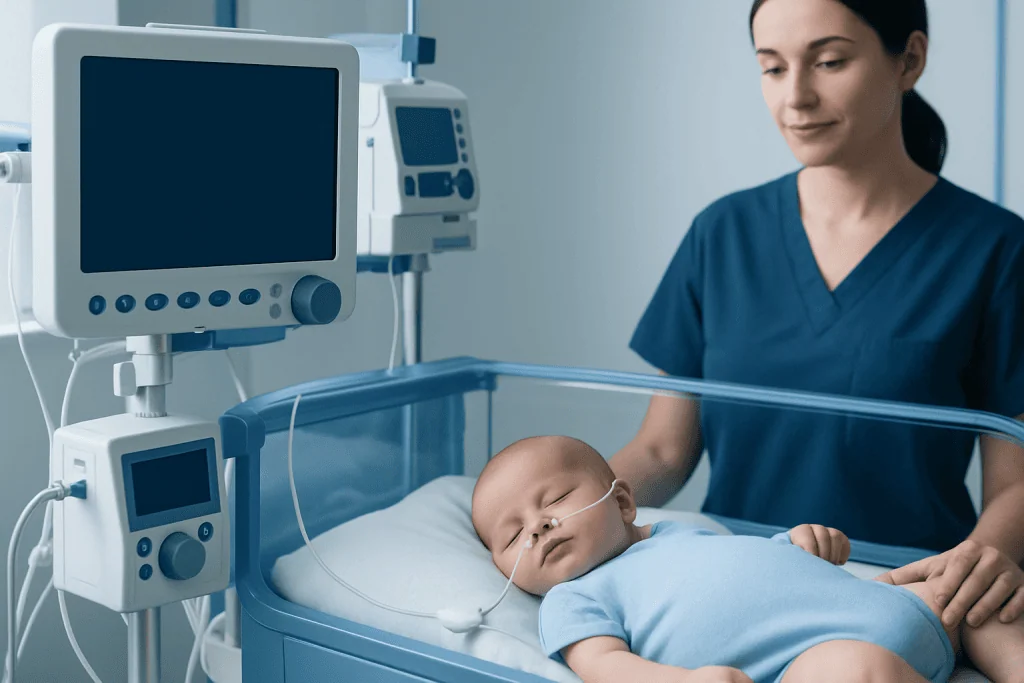
Rapid breathing is not only about speed. Doctors also look at the quality of breathing. An infant who is breathing fast but comfortably may have a different problem from one whose breathing is fast and strained. Caregivers should observe whether the baby can feed normally, settle between breaths, and maintain normal skin color.
Symptoms that can occur with infant rapid breathing include coughing, fever, nasal congestion, wheezing, grunting, fussiness, sweating during feeds, vomiting, or reduced wet diapers. Some babies become less interested in feeding because breathing has become hard work. Others may appear more sleepy than usual or difficult to wake.
- Chest retractions, where the skin pulls in between or under the ribs
- Nasal flaring
- Grunting sounds during breathing
- Bluish lips, tongue, or skin
- Pauses in breathing or irregular breathing with distress
- Poor feeding or signs of dehydration
These signs suggest that the baby may not be getting enough oxygen or may be using extra effort to breathe. This is especially important in very young infants, premature babies, or those with known heart or lung conditions.
Common causes of rapid breathing in infants

There are many possible reasons for infant rapid breathing, ranging from mild and temporary to more serious. In everyday practice, respiratory infections are among the most common causes. A blocked nose alone can make a young infant seem to breathe faster, because babies rely heavily on nasal breathing. Viral illnesses such as bronchiolitis can also cause cough, wheeze, and faster breathing.
Lower respiratory infections, including pneumonia, may lead to fever, cough, poor feeding, and breathing difficulty. Some infants breathe faster because of dehydration or fever, even before lung findings are obvious. Less commonly, a heart problem can cause fast breathing, especially if it is associated with poor weight gain, sweating during feeds, or tiring easily while eating.
Other causes include transient newborn conditions, reflux with aspiration, anemia, metabolic disturbances, and rare congenital problems affecting the lungs or airways. In older infants, wheezing illnesses and asthma-like airway inflammation may contribute. A baby with severe congestion, noisy breathing, or repeated infections may also need evaluation for airway or structural issues.
Because the causes are varied, persistent rapid breathing should not be diagnosed at home by symptoms alone. A calm clinical assessment helps distinguish a self-limited illness from a condition needing urgent treatment.
How doctors evaluate infant rapid breathing
Diagnosis begins with a careful history and physical examination. The doctor will usually ask when the fast breathing started, whether it happens constantly or only at certain times, and whether there is fever, cough, feeding difficulty, vomiting, poor weight gain, or fewer wet diapers. Pregnancy and birth history may also matter, especially in newborns.
During the exam, the clinician counts the breathing rate, looks for chest retractions and nasal flaring, listens to the lungs and heart, and checks the baby’s color, alertness, hydration, and temperature. A pulse oximeter may be used to measure oxygen levels. This initial assessment often gives the clearest clues about severity and next steps.
If needed, further tests may include chest imaging, blood tests, or viral testing. In some cases, doctors may request a chest X-ray to look for infection or fluid in the lungs. If a heart-related cause is suspected, the infant may need evaluation by a pediatric cardiology team. The goal is not to order every test, but to use the right tests based on the baby’s symptoms and examination findings.
Treatment options and what care may involve
Treatment for infant rapid breathing depends entirely on the cause. For mild viral upper respiratory infections, supportive care may be enough. This often includes keeping the nose clear, ensuring regular feeding, monitoring wet diapers, and watching closely for any worsening. Antibiotics are not useful for viral illnesses, but bacterial infections such as certain cases of pneumonia may require them.
If the baby has low oxygen levels, dehydration, or increased breathing effort, hospital care may be needed. This can involve oxygen, fluids, feeding support, or careful monitoring. Some infants with wheezing or inflamed airways may benefit from breathing treatments based on the clinician’s judgment and the underlying diagnosis. If more advanced evaluation is required, respiratory tests or imaging may be part of a broader workup, including pediatric pulmonology care.
When a structural, cardiac, or severe lung condition is found, treatment becomes more specialized. This may include pediatric cardiology assessment or targeted management of infections and complications. In hospitals with multidisciplinary services, doctors from pediatrics, pulmonology, infectious diseases, emergency medicine, and cardiology may work together to guide care safely.
For international patients, Acibadem International’s multidisciplinary specialists and JCI-accredited hospitals diagnose and treat infant breathing problems with pediatric-focused evaluation when needed.
Practical self-care at home and prevention
Home care should focus on comfort, hydration, and observation. A baby with a cold often breathes more easily if the nose is gently cleared before feeds. Frequent smaller feeds may help if the infant becomes tired during feeding. It is also sensible to avoid overheating, as excess warmth can increase breathing rate.
Caregivers should never give over-the-counter cough or cold medicines to infants unless specifically advised by a doctor. Smoke exposure should be avoided, as it can worsen airway irritation and breathing symptoms. Good hand hygiene and limiting contact with sick people can reduce the risk of common respiratory infections.
Prevention also includes routine well-baby visits and timely vaccination according to local guidance. Babies born early or with chronic medical conditions may need closer follow-up during respiratory illness seasons. For infants with recurring symptoms, the doctor may consider referral for further review, including a pediatric check-up to assess growth, feeding, and breathing patterns over time.
When to seek medical care
Medical advice should be sought the same day if an infant is breathing fast when calm, feeding less than usual, seems unusually sleepy, has a fever in early infancy, or has cough and breathing symptoms that are getting worse. Parents know their baby’s usual behavior best, and a clear change is worth discussing with a qualified clinician.
Urgent care is needed if the baby is struggling to breathe, has chest retractions, grunting, blue or gray lips, repeated pauses in breathing, or cannot feed because of breathlessness. These are not signs to monitor for long periods at home. Prompt assessment helps doctors identify whether the problem is a viral infection, a bacterial illness, dehydration, or another cause.
Even when the cause turns out to be mild, early evaluation can provide reassurance and clear instructions on what to watch for. If there is ever uncertainty about whether breathing looks normal, it is appropriate to contact a pediatrician or emergency service for guidance.
Frequently asked questions
Is rapid breathing always dangerous in an infant?
No. Babies may breathe faster for short periods after crying, feeding, or being too warm. Rapid breathing becomes more concerning when it continues while the baby is calm, especially if there are signs of distress or poor feeding.
How can a parent tell if a baby is breathing too fast?
The best approach is to watch the baby when calm and count breaths for a full minute. A healthcare professional should interpret the number based on the infant’s age and overall condition, particularly if there are other symptoms.
Can a stuffy nose make a baby breathe fast?
Yes. Young infants depend heavily on nasal breathing, so congestion can make breathing seem quicker or noisier. Even so, if the baby is working hard to breathe or feeding poorly, medical advice is important.
What symptoms mean urgent medical attention is needed?
Blue lips, chest retractions, grunting, pauses in breathing, marked sleepiness, and inability to feed are urgent warning signs. These can suggest that the baby is not breathing effectively and should be assessed promptly.
Does rapid breathing mean the baby has pneumonia?
Not always. Pneumonia is one possible cause, but rapid breathing can also occur with bronchiolitis, fever, dehydration, heart conditions, or simple congestion. A medical examination is usually needed to identify the cause.
What should parents do at home while waiting for a doctor?
Keep the baby calm, avoid overheating, and offer feeds regularly if the baby can drink comfortably. Clear nasal congestion gently if needed, and seek urgent help right away if breathing effort increases or color changes occur.
References
- American Academy of Pediatrics
- Centers for Disease Control and Prevention
- National Heart, Lung, and Blood Institute
- National Health Service
- World Health Organization
This article is for general information only and is not a substitute for professional medical advice. Please consult a qualified doctor about your individual situation.
Explore treatments in Turkey — costs, top hospitals & a free quote
JCI-accredited · board-certified surgeons · reply within 24h
Add us as a Preferred Source to see more of our trusted health content across Google Search, AI Overviews and Discover.