Menstrual Cycle Stages Symptoms Explained: Common Triggers and Red Flags

The menstrual cycle has four main stages: menstruation, follicular phase, ovulation, and luteal phase. Symptoms vary by stage because estrogen and progesterone rise and fall throughout the cycle.
Key Takeaways
- The menstrual cycle has four main stages: menstruation, follicular phase, ovulation, and luteal phase.
- Symptoms vary by stage because estrogen and progesterone rise and fall throughout the cycle.
- Common symptoms include cramps, bleeding, discharge changes, mild pelvic discomfort, bloating, and mood changes.
- Cycles can differ from person to person and may also vary at different life stages.
- Very heavy bleeding, severe pain, fainting, missed periods, or bleeding between periods need medical evaluation.
Menstrual cycle stages symptoms usually reflect normal hormonal changes across the month. Bleeding, cramps, cervical mucus changes, breast tenderness, bloating, mood shifts, and changes in energy can all occur at different stages, but severe pain, very heavy bleeding, or major cycle changes should be assessed by a doctor.
Overview: how menstrual cycle stages symptoms change over time
Menstrual cycle stages symptoms are the physical and emotional changes that happen as reproductive hormones rise and fall through the month. In a typical cycle, the body moves through menstruation, the follicular phase, ovulation, and the luteal phase. Each stage can bring its own pattern of symptoms, and many of these changes are normal.
Symptoms may include vaginal bleeding, cramping, breast tenderness, changes in cervical mucus, bloating, appetite changes, acne flares, mood shifts, or mild pelvic discomfort. Some people notice only a few signs, while others feel clear changes from week to week. A cycle does not need to look exactly the same every month to be considered healthy.
Cycle length can vary, especially during adolescence, after pregnancy, during breastfeeding, or as menopause approaches. Stress, travel, intensive exercise, sudden weight change, and some medical conditions can also affect symptoms and timing. Understanding the pattern of symptoms by stage can help people recognize what is expected and what may need medical advice.
The four stages of the menstrual cycle and their typical symptoms
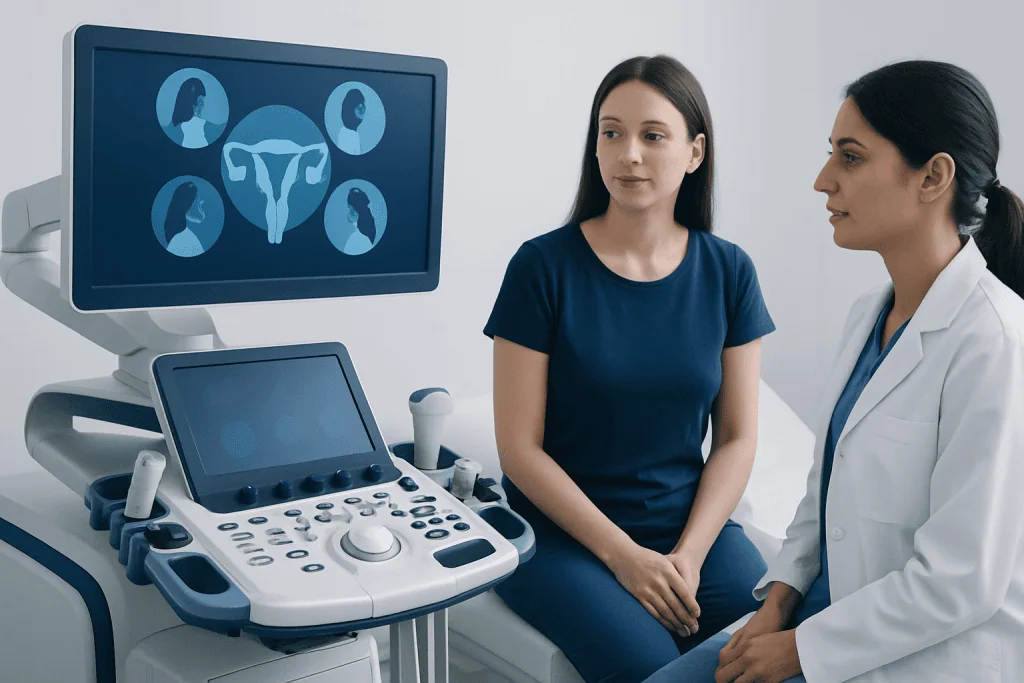
Menstruation is the stage when the uterine lining sheds and bleeding occurs. This is day 1 of the cycle. Common symptoms include bleeding, lower abdominal cramps, back pain, fatigue, headaches, and feeling more emotionally sensitive. Some people also notice loose stools or nausea during the first one to two days because of substances called prostaglandins that affect the uterus and digestive tract.
The follicular phase begins with menstruation and continues until ovulation. During this stage, follicles in the ovaries develop, and estrogen gradually rises. As bleeding ends, many people feel more energetic, mentally clearer, or physically stronger. Cervical mucus may become wetter and lighter over time. Skin may look clearer and mood may improve as estrogen increases.
Ovulation happens when an ovary releases an egg, usually around the middle of the cycle, though timing varies. Symptoms may include a small increase in clear, slippery cervical mucus, a slight rise in libido, breast sensitivity, and sometimes one-sided mild pelvic discomfort known as mittelschmerz. A small number of people notice light spotting around ovulation.
The luteal phase follows ovulation and lasts until the next period. Progesterone rises, then falls if pregnancy does not occur. This phase is when premenstrual symptoms are most common. Bloating, breast tenderness, food cravings, constipation, sleep changes, irritability, low mood, acne, and fluid retention may appear. Symptoms often settle once menstruation starts.
Why symptoms happen: hormones, the uterus, and the brain-body connection
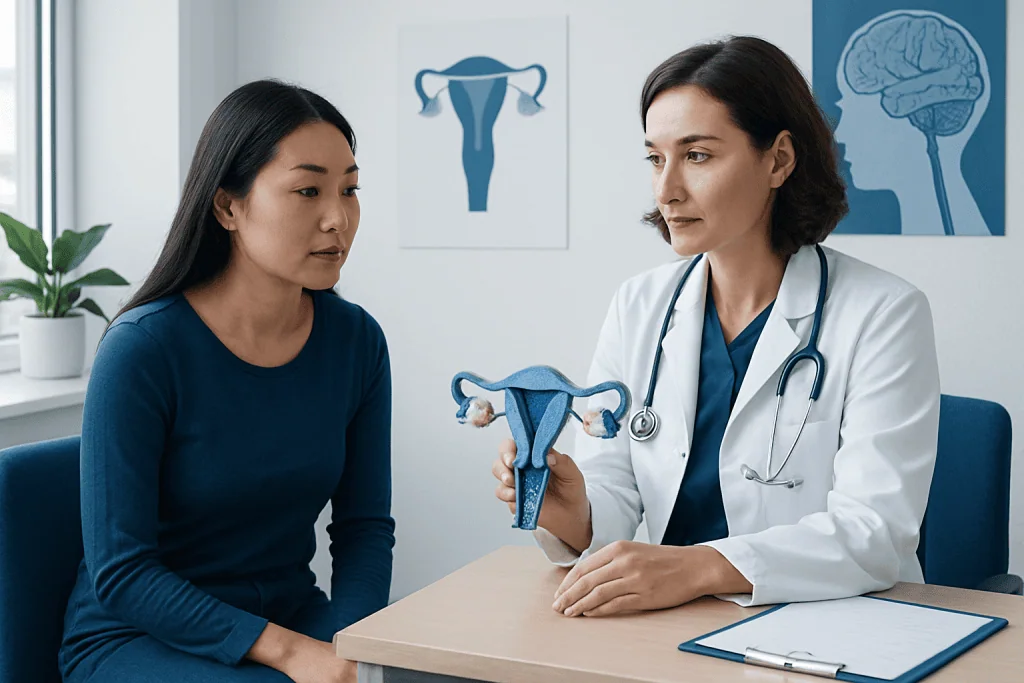
The main reason menstrual cycle stages symptoms change is that estrogen and progesterone do not stay at the same level all month. Estrogen generally rises during the follicular phase and supports growth of the uterine lining. Progesterone rises after ovulation and prepares the lining for a possible pregnancy. When these hormones fall near the end of the cycle, bleeding begins.
Hormones affect more than the uterus. They can influence the brain, skin, breasts, intestines, sleep, appetite, and body temperature. This is why a cycle may bring both reproductive symptoms and whole-body effects, such as headaches, fatigue, constipation, or mood changes. Sensitivity to these shifts differs from one person to another.
Cramps are linked to the release of prostaglandins, which help the uterus contract to shed its lining. Stronger contractions can cause more pain and may also contribute to nausea or diarrhea. Premenstrual bloating and breast tenderness are often related to fluid shifts and progesterone effects. Emotional changes can be shaped by hormones, stress, sleep quality, and underlying mental health conditions.
For some people, symptoms are amplified by an underlying gynecologic condition. Painful periods can be associated with endometriosis or adenomyosis, while very heavy bleeding may relate to fibroids, hormone imbalance, or bleeding disorders. That is one reason tracking the pattern, severity, and timing of symptoms can be useful in medical assessment.
What is common, what varies, and what may be a red flag
There is a wide range of normal when it comes to menstrual cycle stages symptoms. It is common for cycles to differ slightly in length, for bleeding to be heavier on some days than others, and for symptoms such as cramps or bloating to change from month to month. It is also common for teenagers and people approaching menopause to have more variation in timing.
Even so, certain changes deserve attention. Severe pain that prevents daily activities is not considered typical. Very heavy bleeding, passing large clots regularly, soaking through pads or tampons quickly, fainting, shortness of breath, or signs of anemia should be assessed. Bleeding between periods, bleeding after sex, or periods that suddenly become very irregular also warrant review.
Missing periods can happen with pregnancy, significant stress, under-fueling, intense exercise, thyroid problems, polycystic ovary syndrome, and other causes. Premenstrual symptoms that are so intense they disrupt work, school, or relationships may suggest PMS or the more severe form, PMDD. Some people with chronic pelvic pain, painful sex, or infertility may need evaluation for conditions such as ovarian cysts or endometriosis.
- Common: mild cramps, temporary bloating, breast tenderness, cervical mucus changes, mild mood shifts
- Variable but often still normal: cycle length differences of a few days, lighter or heavier flow from one month to another
- Red flags: severe pain, very heavy bleeding, bleeding between periods, missed periods, symptoms of anemia, fever, or sudden major cycle changes
How doctors evaluate menstrual symptoms
Assessment begins with a careful history. A doctor may ask about cycle length, the number of bleeding days, how often pads or tampons are changed, pain timing, sexual activity, pregnancy possibility, medicines, weight changes, exercise patterns, and family history. Symptom tracking in a calendar or app can make patterns easier to identify.
A physical examination may be recommended depending on age, symptoms, and medical history. Blood tests can help check for pregnancy, anemia, thyroid disease, hormone-related concerns, or other causes of abnormal bleeding. If symptoms suggest an underlying gynecologic problem, pelvic ultrasound is commonly used to look at the uterus and ovaries.
Further testing depends on the situation. Doctors may evaluate for infection, fibroids, polyps, endometriosis, or ovulatory disorders when symptoms suggest these possibilities. If heavy or prolonged bleeding is a major concern, referral to a gynecology team may be appropriate. In some cases, procedures used within gynecology care help clarify the cause and guide treatment.
Treatment options and symptom relief
Treatment depends on the symptom pattern, its effect on daily life, and whether an underlying condition is present. For many people, simple measures such as rest, hydration, heat therapy, regular meals, light movement, and over-the-counter pain relief recommended by a doctor can reduce discomfort. A healthy routine with good sleep and stress management may also lessen symptoms from cycle to cycle.
When symptoms are more disruptive, medical treatment may help regulate cycles, reduce pain, or control bleeding. Doctors may consider hormonal options for some patients, especially when periods are painful, very heavy, or irregular. If low iron is present because of heavy bleeding, treatment may include iron replacement under medical guidance.
If a structural or specific gynecologic cause is found, care is tailored to that condition. For example, people with persistent pelvic pain, endometriosis, fibroids, or ovarian cysts may need specialist review and targeted therapy. Depending on the diagnosis, management may involve ovarian cyst treatment or treatment planning within endometriosis treatment.
For international patients who need specialist assessment, Acibadem International’s multidisciplinary specialists and JCI-accredited hospitals diagnose and treat menstrual and gynecologic conditions with individualized care plans.
Self-care, cycle tracking, and when to seek medical care
Cycle tracking can be one of the most practical self-care tools. Recording the first day of bleeding, flow heaviness, pain level, discharge changes, headaches, mood, and sleep can reveal whether symptoms follow a predictable pattern. This information can also help a doctor distinguish common cyclical symptoms from signs of another condition.
Supportive habits may improve overall cycle comfort. These include regular sleep, balanced meals, enough fluids, moderate exercise, and avoiding smoking. Some people find that reducing excess salt near the premenstrual phase helps with bloating, while regular physical activity may ease cramps and improve mood over time. Any supplements or pain medicines should be discussed with a qualified clinician, especially if symptoms are persistent.
Medical care should be sought if there is severe pelvic pain, very heavy bleeding, fainting, fever, pregnancy concern, or new pain with a missed period. A doctor should also evaluate bleeding between periods, periods that stop for several months without a clear reason, or symptoms that interfere with school, work, sleep, or daily life. Prompt advice is especially important if symptoms are worsening rather than staying stable.
Frequently asked questions
What are the main menstrual cycle stages symptoms?
The main symptoms vary by stage of the cycle. Menstruation often brings bleeding and cramps, the follicular phase may feel more energetic, ovulation can cause clear discharge and mild pelvic discomfort, and the luteal phase often brings bloating, breast tenderness, and mood changes.
Is it normal for menstrual symptoms to change every month?
Yes. Symptoms can vary slightly from month to month because hormones, stress, sleep, travel, exercise, and weight changes can all influence the cycle. Small variations are common, but sudden major changes should be discussed with a doctor.
How do ovulation symptoms differ from period symptoms?
Ovulation symptoms usually happen around the middle of the cycle and may include slippery cervical mucus, a mild one-sided pelvic twinge, or a small increase in sex drive. Period symptoms happen with bleeding and are more likely to include cramps, fatigue, lower back pain, and heavier pelvic discomfort.
When are premenstrual symptoms most likely to happen?
Premenstrual symptoms usually happen in the luteal phase, after ovulation and before the next period starts. They often improve or disappear once bleeding begins. Common examples include bloating, breast tenderness, food cravings, acne, irritability, and feeling more tired.
What menstrual symptoms are not considered normal?
Symptoms that are severe, disabling, or very different from a person’s usual pattern should not be ignored. Examples include very heavy bleeding, severe pain, fainting, fever, bleeding between periods, or periods stopping unexpectedly without pregnancy.
Can stress affect menstrual cycle stages symptoms?
Yes. Stress can affect hormone signaling between the brain and ovaries, which may alter timing, bleeding, pain perception, and mood symptoms. High stress may also make normal symptoms feel stronger.
References
- American College of Obstetricians and Gynecologists
- Office on Women's Health
- National Institute for Health and Care Excellence
- Mayo Clinic
- World Health Organization
This article is for general information only and is not a substitute for professional medical advice. Please consult a qualified doctor about your individual situation.
Persistent digestive symptoms? Get evaluated in Turkey
JCI-accredited · board-certified surgeons · reply within 24h
Add us as a Preferred Source to see more of our trusted health content across Google Search, AI Overviews and Discover.
Check your numbers in seconds
BMI, calories, due date, blood pressure and 30+ more clinical calculators — free, instant, doctor-reviewed ranges.