Fractured Spine Recovery in Elderly: An Evidence-Based Patient Guide
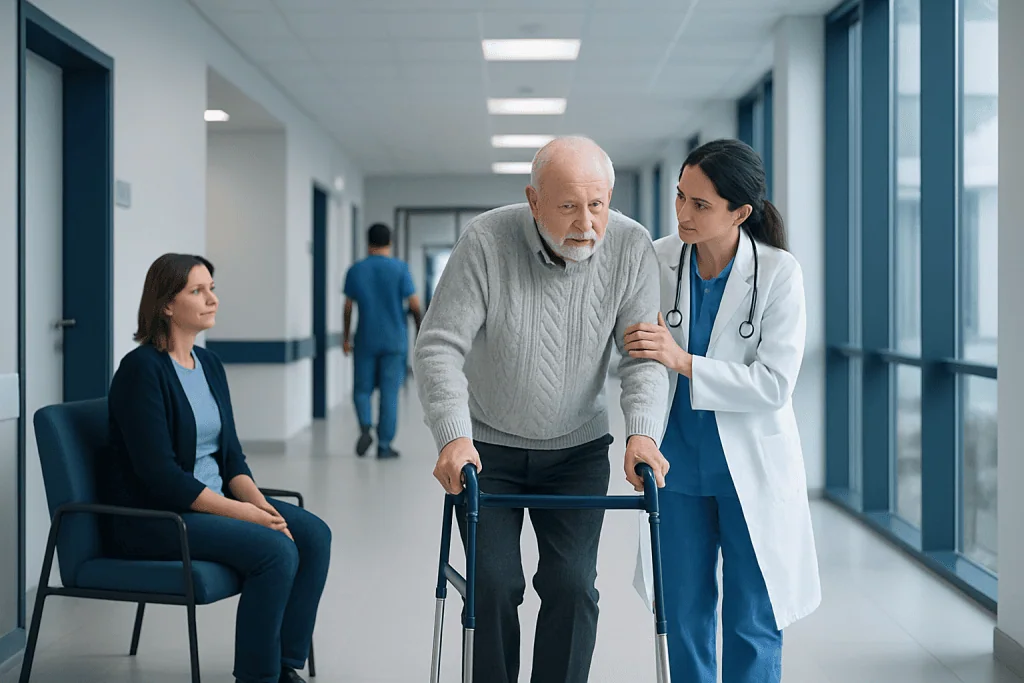
Recovery time depends on the fracture type, stability, overall health, bone strength and rehabilitation needs. New back pain after a fall, especially with weakness, numbness or bladder or bowel changes, needs urgent medical assessment.
Key Takeaways
- Recovery time depends on the fracture type, stability, overall health, bone strength and rehabilitation needs.
- New back pain after a fall, especially with weakness, numbness or bladder or bowel changes, needs urgent medical assessment.
- Most stable compression fractures are managed without surgery using pain relief, guided activity, bracing when appropriate and rehabilitation.
- Treating osteoporosis and reducing fall risk are essential parts of preventing another spinal fracture.
- Surgery or minimally invasive procedures may be considered for selected painful or unstable fractures.
Fractured spine recovery in elderly adults varies widely, but many stable vertebral fractures improve over several weeks to months with pain control, safe movement, rehabilitation and treatment of underlying bone loss. A prompt medical assessment is important because some fractures require urgent stabilization or surgery, particularly when nerves are affected.
Overview: what fractured spine recovery in elderly adults involves
Fractured spine recovery in elderly adults commonly involves gradual healing of a broken vertebra, pain management, protected movement and rehabilitation. Many fractures in older people are vertebral compression fractures, in which weakened bone in the spine partially collapses. These can occur after a fall, but severe osteoporosis may allow a fracture to happen during a minor movement such as bending, lifting or coughing.
Recovery is not defined only by whether bone heals on an image. It also includes returning to safe mobility, preserving independence, improving sleep and confidence, and addressing risks such as muscle weakness, poor balance and further fractures. The care plan should be individualized, particularly for people living with osteoporosis, frailty, heart or lung disease, dementia, or medication-related fall risk.
Some spinal fractures are stable and can be treated without an operation. Others may be unstable, involve several spinal structures, or put pressure on the spinal cord or nerves. These need specialist assessment because delayed treatment may increase the chance of persistent pain, deformity or neurological complications.
A vertebral fracture can also be an important sign of osteoporosis, even when the person has not previously been diagnosed with low bone density. Identifying and treating the cause is a central part of long-term recovery.
How long does it take an elderly person to recover from a spinal fracture?
Many older adults with a stable vertebral compression fracture notice meaningful pain improvement within about 6 to 12 weeks. Complete recovery of strength, stamina, posture and confidence may take several months, especially after a fall, hospital stay or period of reduced activity. Some people continue to have intermittent discomfort or reduced tolerance for standing and walking for longer.
The recovery timeline depends on the location and severity of the fracture, whether it is stable, the presence of nerve injury, bone quality, nutrition, pre-existing mobility and whether complications develop. A fracture caused by high-energy trauma, a fracture requiring surgery, or one associated with spinal cord compression usually requires a longer and more structured rehabilitation plan.
Early follow-up helps clinicians confirm that pain is improving, mobility is returning safely and no new neurological symptoms have appeared. Rehabilitation professionals can adapt walking, transfers, stair practice and home exercises to the person’s baseline abilities. Progress should be steady rather than rushed; prolonged bed rest is generally avoided where possible because it can quickly worsen muscle loss, constipation, pressure injuries, blood-clot risk and loss of independence in older adults.
It is reasonable to ask the treating team what activities are safe now, what movements should be limited temporarily, and what signs would mean the plan needs to change. Regular reassessment is especially important if pain remains severe or worsens instead of gradually improving.
Causes, risk factors and symptoms to recognize
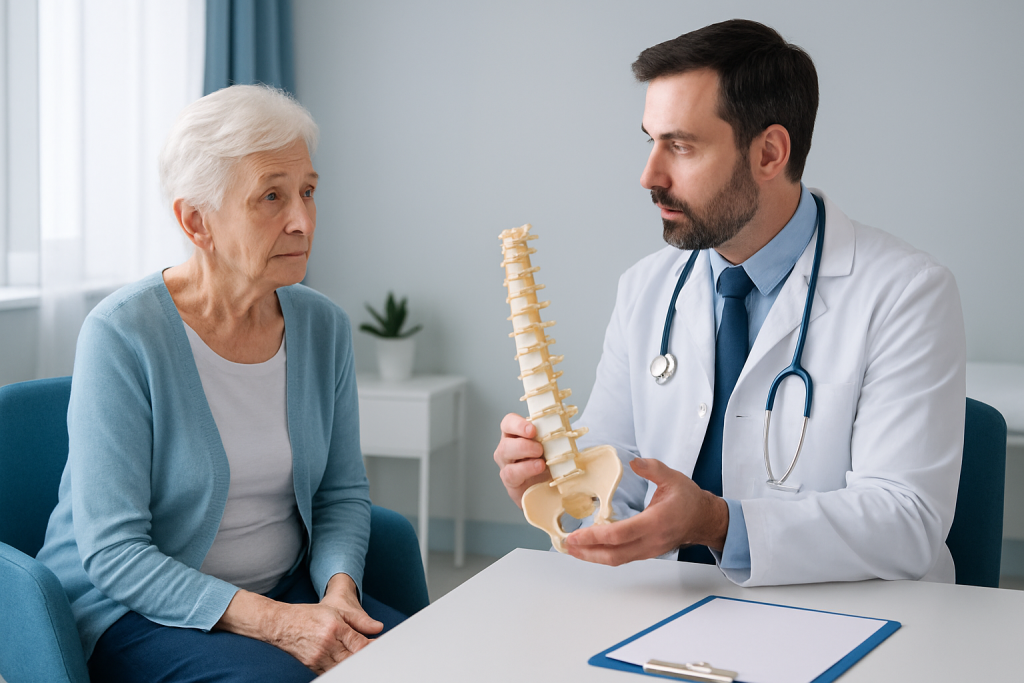
Osteoporosis is a leading cause of spinal fractures in later life. Bone becomes less dense and more fragile with age, particularly after menopause, but men can also develop osteoporosis. Long-term steroid treatment, low body weight, smoking, excessive alcohol intake, vitamin D deficiency, certain hormonal or digestive conditions, and some cancer treatments can contribute to weaker bones.
Falls remain an important cause of spinal injury in older adults. Poor vision, balance disorders, sedating medicines, low blood pressure on standing, unsafe footwear, loose rugs and weak leg muscles can all increase fall risk. Less commonly, a spinal fracture may be related to cancer or infection, which is why clinicians assess the overall history rather than assuming every fracture is solely due to osteoporosis.
Symptoms may include sudden or gradually increasing mid- or lower-back pain, pain that worsens when standing or walking, tenderness over the spine, reduced height or a more rounded upper back. Some compression fractures cause little pain and are discovered incidentally on imaging. Numbness, weakness, difficulty walking, or changes in bladder or bowel control are not typical of a simple stable compression fracture and require urgent evaluation.
- Previous fragility fracture or known low bone density
- A recent fall or a minor movement followed by severe back pain
- Older age, frailty, limited mobility or poor balance
- Use of medicines that affect bone strength or alertness
- Unexplained weight loss, fever, night pain or a history of cancer
Diagnosis and deciding whether a procedure is needed
Assessment begins with a careful history and physical examination. Clinicians ask about the injury, pain pattern, mobility, medications, prior fractures and symptoms involving the legs or bowel and bladder. They also examine posture, tenderness, strength, sensation, reflexes and walking ability when it is safe to do so.
X-rays can identify many vertebral compression fractures. CT may provide more detail about bone anatomy and fracture stability, while MRI can help show a recent fracture, nerve compression, spinal cord involvement, ligament injury, infection or tumor-related changes. Bone-density testing and blood tests may also be recommended to investigate osteoporosis and other contributors to bone fragility.
Most stable fractures do not need an invasive procedure. A procedure may be considered when pain remains severe despite appropriate non-surgical care, when the fracture is unstable, when spinal alignment is significantly affected, or when there is compression of nerves or the spinal cord. The decision should consider the person’s symptoms, imaging findings, medical fitness, goals and expected benefits rather than age alone.
For selected painful compression fractures, a specialist may discuss kyphoplasty or another vertebral augmentation approach. These options are not appropriate for every fracture, and the evidence, benefits and risks should be reviewed carefully with a spine specialist.
Treatment options: conservative care, procedures and rehabilitation
Non-surgical treatment usually combines pain relief chosen by a clinician, short periods of modified activity, gentle mobility and a structured return to daily tasks. A brace may be used in some cases to improve comfort or support movement, but it must be fitted and monitored because extended use can contribute to muscle weakening or skin problems. The aim is usually to keep the person safely active rather than confined to bed.
Physical and occupational therapy are important components of recovery. Physiotherapy may address walking, safe transfers, posture, balance, leg strength and gradual conditioning. Occupational therapy can recommend practical changes for bathing, dressing, reaching, meal preparation and safe use of mobility aids. Caregivers may also need guidance on assisting without causing additional strain or falls.
When an operation is required, the exact method depends on the fracture pattern and the structures involved. In general, surgery may stabilize the spine with implants, relieve pressure on the spinal cord or nerves, and correct significant instability or deformity. Before surgery, the team evaluates anesthesia risks, medications such as blood thinners, bone health, heart and lung function, and the expected rehabilitation needs.
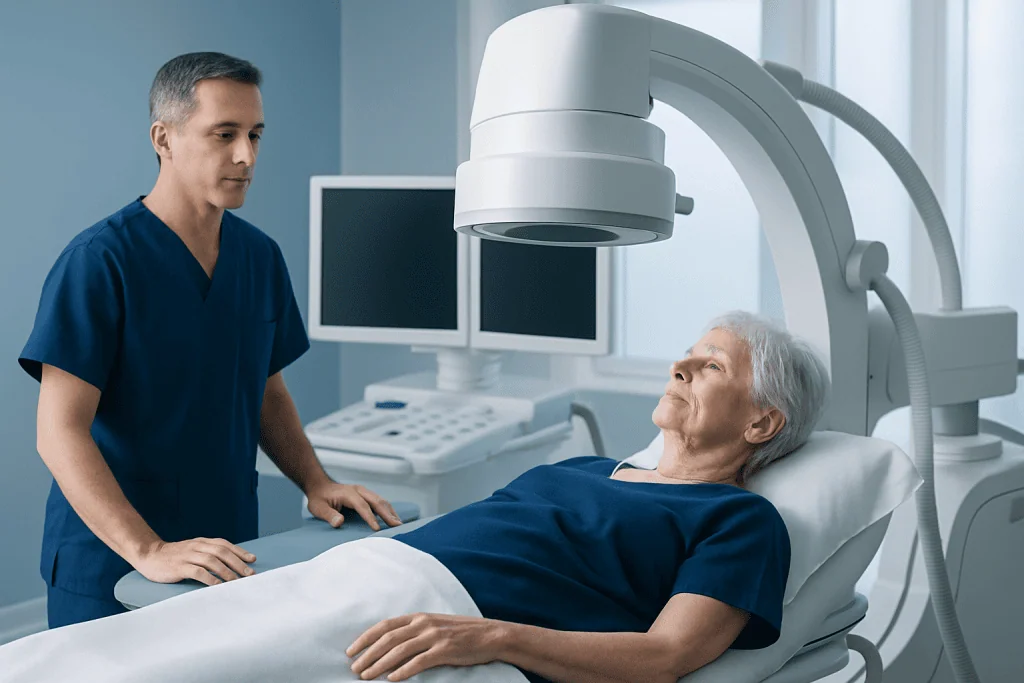
A typical minimally invasive vertebral augmentation procedure is planned with imaging guidance. After anesthesia or sedation, the clinician places a needle through the skin into the affected vertebra and injects bone cement in carefully selected cases to stabilize it. Recovery often includes monitoring soon after the procedure, early mobilization when appropriate and follow-up to assess pain, function and osteoporosis treatment. Potential benefits include pain reduction and improved mobility; possible risks include cement leakage, infection, bleeding, adjacent fractures and lack of adequate pain relief.
How to heal spinal fractures faster?
A spinal fracture cannot safely be rushed, but recovery can be supported by following the care plan consistently. This includes using prescribed pain treatment as directed, attending follow-up appointments, gradually rebuilding activity under professional guidance, and avoiding movements or loads the clinical team has advised against. Trying to “push through” severe pain or returning too quickly to lifting, twisting or high-impact activity may delay recovery.
Good nutrition supports bone and muscle health. Older adults should aim for adequate protein, calories and fluids, and discuss calcium and vitamin D needs with a doctor or dietitian. Supplements should not be started at high doses without advice, particularly for people with kidney disease, a history of kidney stones or multiple medications.
Addressing osteoporosis is one of the most effective ways to support long-term healing and reduce the chance of another fracture. Depending on the individual assessment, this may include lifestyle measures and medicines that improve bone strength. Smoking cessation, limiting alcohol, vision checks, medication review and a home fall-risk assessment can also make recovery safer.
Family support matters. Help with shopping, transport, meals and household tasks may allow an older adult to remain mobile while avoiding unsafe exertion. New or worsening pain, reduced ability to walk, or a loss of function should be reported rather than managed alone at home.
What is the best position to sleep with a fractured vertebrae?
The best sleeping position is the one that keeps the spine comfortably aligned and allows the person to get in and out of bed safely. Many people are most comfortable on their back with a pillow under the knees, or on their side with a pillow between the knees. A supportive mattress and a small amount of cushioning may reduce pressure without forcing the spine into an uncomfortable curve.
Stomach sleeping is often uncomfortable because it can increase spinal extension and make turning more difficult, although individual advice may differ depending on the fracture location and treatment. Extra pillows should be used thoughtfully: too many can bend the neck or trunk into an awkward position. A treating clinician or physiotherapist can recommend positioning that suits the individual fracture and any brace.
Getting out of bed may be as important as the sleeping position. The “log-roll” technique—turning onto the side with the shoulders and hips moving together, then using the arms to push up while bringing the legs over the edge—can reduce twisting. A bedside rail or mobility aid should only be used if recommended and installed safely.
Pain that is markedly worse at night, prevents sleep despite the treatment plan, or is associated with fever, weakness or unexplained weight loss should be discussed promptly with a doctor.
What is the average life expectancy for someone with a fractured spine?
There is no single average life expectancy for someone with a fractured spine. A vertebral fracture does not by itself determine how long a person will live. Outlook depends on the person’s age, overall health, type of fracture, mobility before the injury, complications, underlying osteoporosis and whether the fracture followed a major traumatic event or is related to another illness.
In older adults, a vertebral fracture can be a marker of frailty and reduced bone strength, both of which are associated with a higher risk of future fractures and health problems. However, timely pain management, rehabilitation, fall prevention, osteoporosis care and management of other medical conditions can support function and quality of life.
It is appropriate for patients and families to discuss prognosis personally with the medical team, especially when the person has multiple health conditions or has lost independence after the injury. The discussion should include recovery goals, expected support needs, bone health treatment and plans to prevent another fall or fracture.
At Acibadem International, multidisciplinary spine, orthopedics, rehabilitation and geriatric-care specialists in JCI-accredited hospitals can assess spinal fractures and coordinate care for international patients.
When to seek medical care
Any older adult who develops new significant back pain after a fall, a sudden movement or no clear injury should arrange medical assessment, particularly if osteoporosis is known or suspected. Early evaluation can identify a fracture, guide safe pain relief and movement, and help prevent complications related to immobility.
Emergency care is needed for back pain after major trauma, severe or rapidly worsening pain, new leg weakness, numbness around the groin or buttocks, difficulty walking, or new loss of bladder or bowel control. These symptoms can indicate pressure on important nerves or the spinal cord and should not be watched at home.
Prompt medical review is also advisable for fever, unexplained weight loss, pain that is severe at night, a history of cancer, or pain that does not begin to improve as expected. These features do not always indicate a serious cause, but they require appropriate assessment.
After diagnosis, follow-up is important even when symptoms improve. The care team can review bone density, medications, nutrition, fall risks and rehabilitation progress to help protect long-term spinal health.
Frequently asked questions
Can an elderly person recover fully from a fractured spine?
Many older adults recover good mobility and independence after a stable spinal fracture, particularly with early assessment, safe activity and rehabilitation. The degree of recovery varies with bone health, prior fitness, fracture stability and other medical conditions. Some people have ongoing discomfort or changes in posture that benefit from continued support.
Is walking good for an elderly person with a spinal fracture?
Gentle, guided walking is often encouraged once a clinician confirms it is safe, because prolonged inactivity can cause rapid loss of strength and balance. The amount and timing of walking should be individualized, especially after a traumatic or unstable fracture. A physiotherapist can provide a gradual plan and recommend mobility aids if needed.
Do all vertebral compression fractures need surgery?
No. Most stable vertebral compression fractures are managed without surgery using pain management, appropriate activity, rehabilitation and treatment of osteoporosis. Surgery or vertebral augmentation may be considered for selected people with persistent severe pain, instability, deformity or nerve compression.
Can a spinal fracture get worse during recovery?
Pain can fluctuate, but progressively worsening pain, new difficulty walking, weakness, numbness or bladder or bowel changes require urgent medical evaluation. Follow-up imaging may be needed if symptoms do not improve as expected. Following activity restrictions and treating underlying osteoporosis can reduce the risk of further injury.
Should an older adult wear a back brace for a spinal fracture?
A brace may help some people feel more comfortable and move more safely during early recovery, but it is not required for every fracture. The type, fit and duration should be decided by the treating clinician. Long-term or poorly fitted brace use can lead to skin issues and muscle weakening.
What helps prevent another spinal fracture?
Prevention usually includes assessment and treatment of osteoporosis, strength and balance training when medically appropriate, adequate nutrition and fall-prevention measures at home. Reviewing medications, vision, footwear and use of mobility aids can also lower fall risk. A clinician can tailor prevention to the person’s health conditions and fracture history.
References
- National Institute of Arthritis and Musculoskeletal and Skin Diseases
- National Osteoporosis Foundation
- American Academy of Orthopaedic Surgeons
- National Institute on Aging
- World Health Organization
This article is for general information only and is not a substitute for professional medical advice. Please consult a qualified doctor about your individual situation.
Joint and spine care in Turkey — expert assessment & treatment
JCI-accredited · board-certified surgeons · reply within 24h
Add us as a Preferred Source to see more of our trusted health content across Google Search, AI Overviews and Discover.
Check your numbers in seconds
BMI, calories, due date, blood pressure and 30+ more clinical calculators — free, instant, doctor-reviewed ranges.

More from the Health Library



Related Specialists

Fzt. Fırat Çenberci
Physical Medicine and Rehabilitation
Dr. Dilek Sınmaz
Ear Nose & Throat
Prof. Dr. Murat Toprak
Otorhinolaryngology
Dr. Orçun Can
Medical Oncology