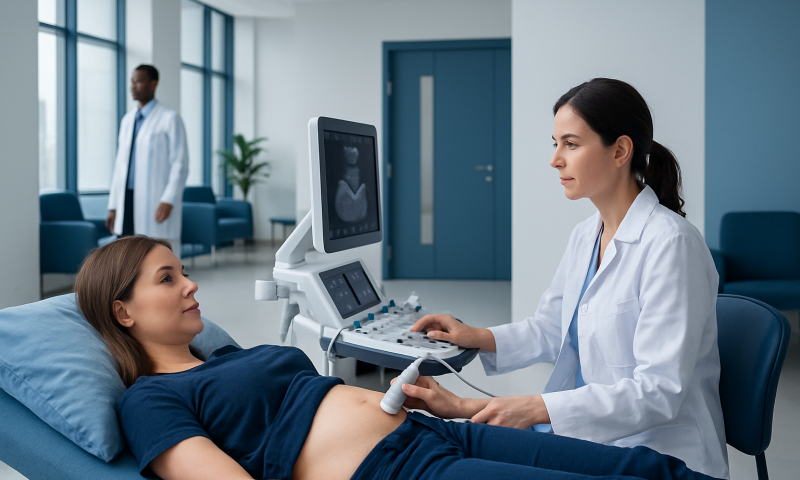
Does a UTI Affect Period? Causes, Explanations, and Next Steps

A UTI does not usually cause a true change in hormones or menstruation. Period changes during a UTI are often due to stress, dehydration, pregnancy, or another condition happening at the same time.
Key Takeaways
- A UTI does not usually cause a true change in hormones or menstruation.
- Period changes during a UTI are often due to stress, dehydration, pregnancy, or another condition happening at the same time.
- Blood from the urinary tract can be mistaken for menstrual bleeding, especially if symptoms overlap.
- A doctor may use a urine test, symptom review, and sometimes a pregnancy test or pelvic evaluation to find the cause.
- Fever, back pain, vomiting, heavy bleeding, or symptoms that do not improve deserve prompt medical care.
A urinary tract infection usually does not directly change the menstrual cycle, but it can make bleeding, cramping, or pelvic discomfort feel different and may coincide with a late or unusual period for other reasons. Most cases are harmless and explainable, but certain symptoms need medical review to rule out pregnancy, kidney infection, or another gynecologic or urinary condition.
Overview: Can a UTI change a period?
In most cases, the answer to “does a UTI affect period” is no, not directly. A urinary tract infection usually does not alter the hormones that control ovulation and menstruation. However, a UTI can happen around the same time as a period, and the symptoms may overlap enough to make the cycle feel different or make bleeding harder to interpret.
This is often harmless. Pelvic pressure, lower abdominal discomfort, fatigue, and blood in the urine can easily be confused with menstrual symptoms. Stress on the body, reduced fluid intake, poor sleep, or anxiety about being unwell may also affect how a period feels or when it arrives, even if the infection itself is not the true cause.
What matters most is distinguishing between a simple UTI and signs of another issue. Red flags include fever, chills, pain in the side or back, vomiting, pregnancy concerns, heavy or unexpected vaginal bleeding, or symptoms that keep returning. When these are present, a clinician may need to look beyond the bladder to check for a kidney infection, a gynecologic problem, or another urinary condition such as urinary tract infection complications.
Why UTI symptoms and period symptoms can be confused
A UTI can cause burning with urination, frequent urination, urgency, pelvic discomfort, and cloudy or blood-tinged urine. A period can cause cramps, pelvic heaviness, low back pain, mood changes, and fatigue. Because both can involve the lower abdomen and pelvis, people may assume one is causing the other when the symptoms are simply overlapping.
Another common source of confusion is spotting or blood seen in the toilet. Blood from the bladder or urethra may look like the start or end of a period, especially if flow is light. On the other hand, vaginal spotting may be mistaken for blood in urine. A clinician may ask whether blood appears only during urination, only on a pad, or in both situations.
Some people also notice stronger discomfort during menstruation if they have a UTI at the same time. Menstrual cramps can make bladder irritation feel more intense, and a sensitive bladder may make period-related pelvic pain more noticeable. This does not necessarily mean the menstrual cycle itself has been changed.
- UTI clues: burning urination, urgency, needing to pass small amounts often
- Period clues: predictable vaginal bleeding, cramps, breast tenderness, PMS symptoms
- Possible overlap: pelvic pressure, lower abdominal pain, fatigue, low back discomfort
If the period seems late, early, or unusual

When a period changes around the time of a UTI, the infection may not be the direct reason. Several other factors can affect cycle timing. Physical stress, illness, travel, sleep disruption, changes in eating patterns, intense exercise, and emotional stress can all influence when a period starts.
Pregnancy is another important possibility, especially if a period is late and there has been recent sexual activity. Early pregnancy can also increase the chance of urinary symptoms, and some symptoms of pregnancy and UTI can overlap. That is why a doctor may suggest a pregnancy test even when urinary discomfort seems to be the main concern.
Hormonal contraception, perimenopause, polycystic ovary syndrome, thyroid disorders, and infections affecting the vagina or pelvis can also lead to irregular bleeding. If bleeding is much heavier than usual, occurs between periods, or happens after sex, medical review is sensible. In some cases, doctors may evaluate for conditions such as endometriosis if there is ongoing pelvic pain linked to menstruation.
Possible causes and risk factors behind both symptoms
A simple bladder infection is usually caused by bacteria entering the urinary tract. Sexual activity, delaying urination, dehydration, changes in vaginal flora, menopause, catheter use, and a history of previous UTIs can all increase the risk. Menstruation itself does not directly cause a UTI, but hygiene changes, pad or tampon use, and irritation during the menstrual period may make urinary discomfort more noticeable.
Some conditions can mimic a UTI or occur alongside it. Vaginal infections, sexually transmitted infections, pelvic floor tension, kidney stones, and bladder inflammation can all cause urinary burning or pelvic discomfort. If a urine culture is negative but symptoms continue, the clinician may consider these alternatives rather than assuming it is a routine infection.
There are also situations where symptoms deserve extra attention. Recurrent UTIs, diabetes, pregnancy, urinary tract abnormalities, or weakened immunity may increase the chance of more complicated infection. In these cases, evaluation may include imaging or specialist care, such as urology evaluation, to make sure there is no underlying structural or functional issue.
How doctors find the cause
Doctors usually start with a clear symptom history. They may ask when the urinary symptoms began, whether bleeding seems vaginal or urinary, where the pain is located, whether there is fever, and when the last menstrual period started. Questions about contraception, pregnancy possibility, sexual activity, previous UTIs, and medicines can also help narrow the cause.
The first test is often a urine dipstick or urinalysis. This can look for white blood cells, nitrites, blood, and other signs of infection. In some cases, a urine culture is sent to identify the bacteria and help guide treatment, especially if symptoms are severe, recurrent, or not improving as expected.
If the story is less straightforward, additional testing may be needed. A pregnancy test may be recommended if a period is late. Vaginal swabs, blood tests, or a pelvic examination may be considered when there is abnormal bleeding, discharge, or significant pelvic pain. If there are signs of a more serious urinary problem, doctors may arrange diagnosis and treatment for urinary system diseases or imaging to assess the kidneys and bladder.
Treatment options and what usually helps
When a UTI is confirmed, treatment usually focuses on clearing the infection and easing symptoms. Many uncomplicated UTIs improve with the appropriate antibiotic prescribed by a clinician. Drinking enough fluids, resting, and avoiding bladder irritants such as excess caffeine may also help reduce discomfort while treatment takes effect.
If there is a question about menstrual changes, the approach depends on the cause. A delayed or unusual period may simply need monitoring if the person is otherwise well and pregnancy has been ruled out. If another condition is suspected, treatment may target that issue instead of the bladder. For example, persistent urinary symptoms without infection might prompt assessment for pelvic or bladder disorders.
People with repeated infections, severe pain, fever, or concern about the kidneys may need more detailed evaluation. Specialist pathways can include kidney infection treatment when infection appears to have spread upward, or gynecologic review if the bleeding pattern suggests a reproductive health cause rather than a urinary one.
Self-care, prevention, and practical next steps
Most simple UTIs and temporary cycle irregularities settle without long-term problems. While waiting for care or during treatment, it can help to drink fluids regularly, urinate when needed rather than holding it for long periods, and avoid products that may irritate the genital area. Keeping a brief note of urinary symptoms, bleeding pattern, and cycle timing can make the picture clearer for both the patient and the doctor.
General prevention strategies include wiping front to back, urinating after sex, managing constipation, and reviewing recurring symptoms with a clinician rather than self-treating repeatedly. For menstrual tracking, noting whether blood appears in the urine, on underwear, or on pads/tampons can be useful when symptoms overlap.
If symptoms are recurrent or confusing, a coordinated review may help. Near the end of the care pathway, some patients benefit from multidisciplinary input. Acibadem International’s specialists in women’s health and urology, working in JCI-accredited hospitals, diagnose and treat urinary and pelvic conditions for international patients.
When to seek medical care
Medical advice should be sought promptly if there is fever, chills, pain in the back or side, vomiting, worsening pelvic pain, or inability to keep fluids down. These features may suggest that the infection is more than a simple bladder UTI. Prompt review is also important during pregnancy or if the person has diabetes, kidney disease, or a weakened immune system.
Review is also recommended if bleeding is heavy, happens between periods, continues after the urinary symptoms improve, or is accompanied by dizziness or fainting. A missed period should be checked if pregnancy is possible. Even when symptoms seem minor, repeated UTIs or repeated unexplained changes in bleeding deserve proper assessment rather than repeated home treatment alone.
If symptoms do not improve within the expected time after starting treatment, or if urine tests are repeatedly negative despite burning and urgency, another cause may be present. In these situations, it is reasonable to ask a clinician whether gynecologic, bladder, or kidney causes should be investigated further.
Frequently asked questions
Does a UTI affect period timing?
Usually not directly. A UTI does not normally change the hormones that control the menstrual cycle, but illness-related stress or another underlying issue can make a period seem earlier, later, or more noticeable.
Can a UTI make someone miss a period?
A simple UTI alone is not a common cause of a missed period. If a period is late, pregnancy, stress, hormonal changes, weight changes, or another medical condition may be more likely explanations.
Can blood in urine be mistaken for a period?
Yes, especially when bleeding is light. Blood from the urinary tract may appear pink, red, or brown and can be confused with spotting, so it helps to notice whether bleeding appears mainly during urination or as vaginal flow.
Why do UTI symptoms feel worse during a period?
Menstrual cramps, pelvic sensitivity, and low back discomfort can amplify the feeling of bladder irritation. The two sets of symptoms can overlap, which may make the discomfort seem stronger even if the infection itself is not more severe.
Should a pregnancy test be done if there is a late period and UTI symptoms?
Often, yes, if pregnancy is possible. A pregnancy test can help explain a late period and guide safe treatment decisions, because urinary symptoms can occur during pregnancy and some infections need closer monitoring.
When is a UTI an urgent problem rather than a routine one?
Urgent review is needed if there is fever, chills, vomiting, pain in the side or back, confusion, or symptoms during pregnancy. These can be signs that the infection may have reached the kidneys or that another serious problem is present.
References
- Centers for Disease Control and Prevention
- National Institute of Diabetes and Digestive and Kidney Diseases
- American College of Obstetricians and Gynecologists
- Mayo Clinic
- National Health Service
This article is for general information only and is not a substitute for professional medical advice. Please consult a qualified doctor about your individual situation.
IVF & fertility treatment in Turkey — success rates and costs
JCI-accredited · board-certified surgeons · reply within 24h
Add us as a Preferred Source to see more of our trusted health content across Google Search, AI Overviews and Discover.
Check your numbers in seconds
BMI, calories, due date, blood pressure and 30+ more clinical calculators — free, instant, doctor-reviewed ranges.