Full body checkup vs Annual physical: Which Is Right for You?

An annual physical is a preventive visit focused on health history, examination, lifestyle, and recommended screening. A full body checkup usually includes a broader package of tests, but its value depends on whether the tests are medically appropriate.
Key Takeaways
- An annual physical is a preventive visit focused on health history, examination, lifestyle, and recommended screening.
- A full body checkup usually includes a broader package of tests, but its value depends on whether the tests are medically appropriate.
- More testing is not always better: unnecessary scans and blood tests can lead to false-positive results and follow-up procedures.
- Symptoms should be evaluated promptly and directly, rather than waiting for a routine annual visit or checkup package.
- The most useful prevention plan is tailored to age, sex, medical history, family history, medicines, and lifestyle.
For most people, an annual physical with age- and risk-appropriate screening is the best starting point for preventive care. A full body checkup may be appropriate when it is personalised to the person’s medical history, symptoms, family history, and health risks rather than relying on broad, routine testing for everyone.
Full body checkup vs annual physical: the practical difference
In the comparison of full body checkup vs annual physical, an annual physical is usually the right foundation for most adults. It is a scheduled preventive appointment with a clinician who reviews overall health, identifies personal risks, updates routine screening, and helps create a plan for the year ahead. It is not simply a set of laboratory tests.
A full body checkup generally refers to a broader, packaged assessment that may combine a medical consultation, blood and urine tests, imaging, heart tests, and other examinations. The exact contents vary widely between providers. It can be useful when it is built around an individual’s health needs, but a very extensive package is not automatically more comprehensive or more beneficial.
The key difference is purpose. An annual physical is guided by evidence-based prevention and an ongoing clinician-patient relationship. A full body checkup is often designed to provide a concentrated review of health within a short time. Both approaches can overlap, and the best choice depends on the person’s risk profile and whether there are any symptoms requiring focused care.
What happens at an annual physical?
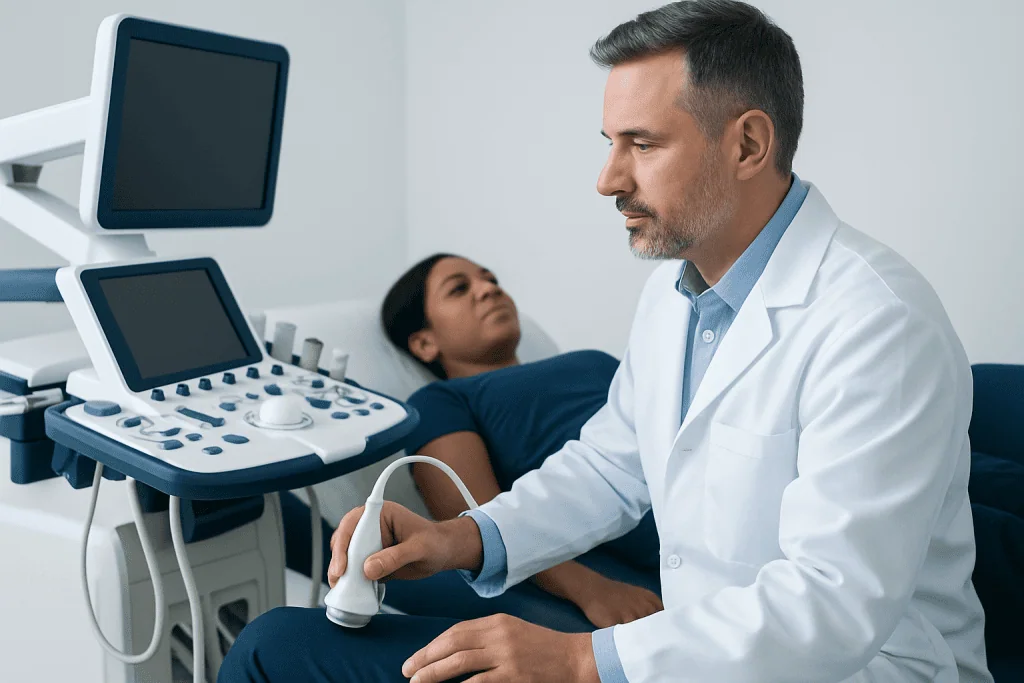
An annual physical commonly begins with a discussion of current concerns, past illnesses, operations, medications, allergies, mental wellbeing, sleep, nutrition, exercise, tobacco or alcohol use, and family history. The clinician may measure weight, height, blood pressure, pulse, and sometimes waist circumference. These details help place any test result in the appropriate medical context.
The physical examination is tailored rather than identical for every patient. It may include an assessment of the heart, lungs, abdomen, skin, nervous system, and other areas based on age, sex, symptoms, and health history. Preventive discussions may include vaccination, reproductive and sexual health, fall prevention, bone health, and support for healthy lifestyle changes.
Screening tests are selected according to established recommendations and individual risk. Depending on the person, this may include checks for blood pressure, cholesterol, diabetes, cervical cancer, breast cancer, colorectal cancer, osteoporosis, or certain infections. A clinician may recommend fewer or more tests than another person of the same age because risk factors matter.
An annual physical also creates an opportunity to discuss changes that may seem minor, such as fatigue, weight change, a new mole, persistent indigestion, low mood, or changes in sleep. These concerns may need diagnostic evaluation rather than routine screening.
How a full body checkup works

A full body checkup is usually organised as a series of assessments completed on one day or over several visits. It often starts with registration, a health questionnaire, vital signs, and a clinician consultation. Testing may include blood and urine analysis, heart rhythm testing, imaging, vision or hearing checks, and specialist consultations, depending on the programme.
Before testing, the care team should review the person’s medical and family history and explain what each investigation is intended to assess. Some blood tests may require fasting, while imaging examinations may have separate preparation instructions. People should ask whether regular medicines need to be taken as usual; prescribed medication should not be stopped unless a clinician specifically advises it.
After the tests, results should be interpreted together rather than viewed as isolated numbers. A follow-up consultation is important to explain normal and abnormal findings, confirm whether a result needs repeating, and arrange further assessment when appropriate. A structured full body checkup can be most helpful when it includes clinical review and a clear follow-up plan.
For people who have limited time or are arranging care while abroad, coordinating several appropriate assessments may be practical. However, convenience should not replace careful selection of tests or follow-up with a qualified clinician.
Who may benefit from each option?
An annual physical is appropriate for most adults, including people who feel well. It is particularly valuable for reviewing preventive care over time and ensuring that recommended screening is not missed. People with long-term conditions, such as high blood pressure, diabetes, asthma, or thyroid disease, may also need additional follow-up visits beyond an annual appointment.
A personalised full body checkup may be considered by people with several health risks, a strong family history of certain conditions, a long gap in medical care, or a need for coordinated assessment after a major life change. It may also be reasonable when a clinician recommends multiple evaluations based on an individual history.
Neither option is a substitute for symptom-based care. New chest pain, unexplained shortness of breath, blood in urine or stool, a new lump, persistent fever, sudden weakness, or significant unintentional weight loss should be assessed promptly. Waiting for a planned checkup can delay the evaluation of a potentially important concern.
Children, pregnant people, older adults, and people with complex medical conditions need age- and situation-specific preventive care. Their plans should be discussed with the relevant clinician rather than selected from a standard package.
Benefits, limits, and potential risks of broader testing
The main benefit of a well-designed health assessment is prevention. It can identify modifiable risks, such as elevated blood pressure, high cholesterol, excess blood sugar, or smoking-related risk, before they cause symptoms. It may also help a person understand which routine screenings and vaccinations are due.
However, broad testing has limits. Some tests find harmless variations that would never cause illness. These incidental findings can create worry and may lead to repeat scans, invasive procedures, additional cost, or unnecessary treatment. A result outside a laboratory reference range does not always mean a person has a disease.
Imaging deserves particular consideration. Some scans involve radiation exposure, and tests performed without a clear clinical reason may uncover uncertain findings. A clinician can help balance the possible benefit of early detection against the likelihood of false-positive or inconclusive results.
The most meaningful benefit comes from using results to make informed decisions. This may involve improving nutrition and physical activity, managing blood pressure or cholesterol, addressing sleep or mental health, updating screening, or arranging timely specialist assessment when a finding truly requires it.
How to choose a suitable health assessment
A person can start by asking what the assessment is designed to answer. The programme should account for age, sex, symptoms, known conditions, family history, medicines, lifestyle, and previous test results. A list of included tests is helpful, but it should be accompanied by an explanation of why those tests are appropriate.
Before booking, it is reasonable to ask who will review the results, how abnormal findings will be followed up, whether tests can be added or removed according to risk, and whether prior records can be reviewed. A clinician-led plan is generally more useful than a fixed list of investigations offered to every person.
People should also keep a personal record of important results and recommended screening dates. Sharing past results can prevent unnecessary repetition and allows trends, such as changes in blood pressure or cholesterol, to be assessed over time.
Acibadem International’s multidisciplinary specialists and JCI-accredited hospitals can assess preventive health needs and coordinate diagnostic evaluation for international patients when indicated.
When to seek medical care
Routine preventive visits are important, but urgent symptoms require timely medical attention. A person should seek emergency care for symptoms such as chest pressure or pain, sudden trouble breathing, fainting, sudden weakness or numbness on one side of the body, new difficulty speaking, severe allergic symptoms, or a sudden severe headache unlike previous headaches.
A prompt medical appointment is also advisable for symptoms that persist, worsen, or are unexplained. Examples include a new breast or testicular lump, ongoing abdominal pain, persistent cough, bleeding that is unusual for the person, a changing skin lesion, repeated vomiting, marked fatigue, or unintended weight loss.
For non-urgent concerns, an annual physical or tailored checkup can be a useful starting point. The clinician can decide whether the concern needs targeted tests, monitoring, or referral to a specialist. Preventive care works best when it is continuous and responsive to changes in health.
Frequently asked questions
Is a full body checkup better than an annual physical?
Not necessarily. An annual physical is usually the best starting point because it uses a clinician’s assessment to select preventive services and tests that fit the individual. A full body checkup can be helpful if it is personalised and includes clear clinical follow-up.
What tests should be included in an annual physical?
There is no single test list that suits everyone. The clinician may recommend measurements such as blood pressure and weight, selected blood tests, vaccinations, and cancer screening based on age, sex, health history, family history, and lifestyle. Tests should be chosen for a clear preventive or diagnostic reason.
Can a full body checkup detect cancer?
Some checkups include tests that may identify certain cancer risks or abnormalities, but no checkup can detect every cancer or guarantee early detection. Evidence-based cancer screening is targeted to particular ages and risk groups. New or persistent symptoms should always be assessed directly, even after a recent checkup.
Are full body scans safe?
Safety depends on the type of scan and why it is being used. Some imaging tests involve radiation, while others do not, but all can identify uncertain or incidental findings that may require more tests. A clinician can explain whether imaging is likely to provide useful information in a specific situation.
How often should an adult have a health checkup?
Many adults benefit from a preventive visit about once a year, although the appropriate schedule can vary. People with chronic conditions, new symptoms, pregnancy, or elevated health risks may need more frequent visits. The clinician can recommend a schedule suited to the person’s needs.
Should a person fast before a full body checkup?
Some blood tests may require fasting, but not all do. The clinic should provide specific instructions before the appointment, including guidance on food, drinks, and regular medicines. A person should not stop prescribed medication without medical advice.
References
- World Health Organization
- United States Preventive Services Task Force
- Centers for Disease Control and Prevention
- National Institutes of Health
- American College of Physicians
This article is for general information only and is not a substitute for professional medical advice. Please consult a qualified doctor about your individual situation.
Explore treatments in Turkey — costs, top hospitals & a free quote
JCI-accredited · board-certified surgeons · reply within 24h
Check your numbers in seconds
BMI, calories, due date, blood pressure and 30+ more clinical calculators — free, instant, doctor-reviewed ranges.

More from the Health Library



Related Specialists

Dr. Tolga Hüner
General Surgery
Dr. Burcu Uprak
Internal Medicine
Dt. Alen Palancıoğlu
Oral Dental & Maxillofacial Surgery
Dr. Sedef Başgönül
Infectious Diseases & Clinical Microbiology