

Respiratory Syncytial Virus
Respiratory syncytial virus (RSV) is a common respiratory infection that can cause bronchiolitis or pneumonia, especially in infants, older adults and high-risk patients.
Quick answer
RSV (respiratory syncytial virus) is a common virus that infects the nose, throat and lungs. Most infections resemble a cold and settle with rest and fluids, but in infants, older adults and people with heart, lung or immune conditions it can cause bronchiolitis or pneumonia. Treatment is supportive — hydration, fever control and, when needed, oxygen therapy and hospital monitoring — because antibiotics do not act on the virus.
What Is RSV? Respiratory Syncytial Virus Explained
RSV, short for respiratory syncytial virus, is one of the most common causes of respiratory infection in the world. It infects the lining of the nose, throat and airways, and in most healthy children and adults it behaves much like an ordinary cold: congestion, cough, a low-grade fever and a few days of fatigue. In infants, older adults and people with certain medical conditions, the same virus can travel deeper into the lungs and cause bronchiolitis, pneumonia or serious breathing difficulty. That gap — trivial for most people, dangerous for some — is what makes RSV worth understanding properly.
RSV circulates in seasonal waves, usually through autumn, winter and early spring in temperate climates. Almost every child has had at least one RSV infection by their second birthday, and because the immunity it leaves behind is incomplete, reinfection happens throughout life. Most repeat infections are mild. The illness deserves the greatest respect at the two ends of life: in the first months, when airways are tiny and breathing reserve is limited, and in older age, when chronic heart or lung disease can be destabilised by an infection a younger adult would shrug off.
For families, RSV can be frightening because symptoms may change quickly. A baby who seemed mildly congested in the morning may be breathing noticeably faster by evening. An older adult with heart or lung disease may develop breathlessness, dehydration or confusion over a day or two. Parents often worry about whether their child is getting enough oxygen, whether feeding has become unsafe, or whether a hospital stay will be needed. These are reasonable questions, and this page answers them as plainly as the evidence allows.
One point is worth stating early. RSV care is not a single medication or one standard procedure. It is a monitored treatment pathway focused on supporting breathing, hydration and recovery while watching for complications. Most patients recover with home care. Some need hospital observation, oxygen therapy, respiratory support or intensive care. The right level depends on age, oxygen levels, fluid intake, underlying conditions and how hard the patient is working to breathe.
How do you pronounce respiratory syncytial virus?
The awkward middle word is pronounced sin-SISH-ul, so the full name sounds like RES-pi-ruh-tor-ee sin-SISH-ul VY-rus. “Syncytial” refers to syncytia — the clumps of fused cells the virus creates in the airway lining, which is how it earned its name. Most clinicians simply say RSV, and that abbreviation is what you will hear in every clinic and on every hospital ward.
How long has respiratory syncytial virus been around?
Respiratory syncytial virus has been known to medicine since the 1950s, when it was first isolated from chimpanzees with a cold-like illness and, soon afterwards, from infants with lower respiratory infection. The virus itself is far older; it circulated in humans long before laboratories could identify it. What has changed is not the virus so much as our ability to detect it. Modern swab tests can now name RSV specifically, where earlier generations of doctors could only diagnose “a chest cold” or “bronchiolitis” without knowing the cause. That shift matters, because naming the virus involved helps avoid unnecessary antibiotics and supports more accurate expectations about how the illness will run.
Is RSV a form of COVID?
No. RSV is not a form of COVID and is not related to the coronavirus family at all. RSV belongs to the pneumovirus family, while COVID-19 is caused by SARS-CoV-2, a coronavirus. The two are as biologically distinct from each other as they are from influenza, or from the filoviruses behind Ebola virus disease. The confusion arises because RSV, influenza and COVID-19 produce overlapping early symptoms and circulate during the same months — which is exactly why swab testing that distinguishes between them is now a routine part of respiratory care.
RSV Symptoms: What the Infection Looks Like
RSV symptoms usually appear a few days after exposure and unfold in stages, starting in the nose and throat and, in a minority of patients, moving down into the smaller airways of the lungs. The early phase looks like any cold, which is why RSV is often only suspected once breathing changes or a vulnerable person is involved.
What are the signs of RSV in babies and young children?
The first signs of RSV in a baby are usually a runny nose, sneezing, a cough, reduced appetite and fever. Over the following days, some infants develop signs that the infection has moved into the small airways: breathing that is faster than usual, skin between and under the ribs pulling in with each breath (retractions), audible wheezing, grunting sounds on breathing out, and feeds that are cut short because the baby cannot suck, swallow and breathe at the same time without exhausting effort. Very young infants may show few classic cold signs at all — irritability, unusual sleepiness, reduced activity or pauses in breathing (apnoea) can be the main clues. A bluish tinge around the lips or fingernails signals that oxygen levels are falling, and it is treated as an emergency finding in every clinical setting.
RSV symptoms in adults
RSV symptoms in adults usually resemble a heavy cold: a blocked or runny nose, sore throat, cough, headache, mild fever and tiredness that settles within a week or two. In older adults and people with chronic conditions the picture can be more serious: worsening breathlessness, wheeze, chest tightness, a flare of existing asthma, COPD or heart failure, or a general decline in strength and appetite. Some older patients present in less typical ways — with dehydration, dizziness, falls, poor appetite or new confusion — and the respiratory cause only becomes apparent on examination. It helps families to know that confusion during an acute infection in an older person is usually delirium driven by the illness itself; it is a different phenomenon from primary psychological conditions such as dissociative symptoms, and it generally settles as the infection is treated and hydration improves.
Is RSV very serious?
For most people, RSV is not very serious; it is an unpleasant cold that resolves with rest and fluids. It becomes serious in specific groups: babies in their first months of life, infants born prematurely, children with congenital heart disease, chronic lung disease or neuromuscular disorders, adults with weakened immune systems, and older adults with heart or lung conditions. In infants, RSV is a leading cause of bronchiolitis and of hospital admission for breathing problems. In older adults, it is increasingly recognised as a cause of pneumonia and of hospital admissions that were historically blamed on influenza. Seriousness, in other words, is less about the virus and more about the person it infects.
Is RSV Contagious?
RSV is highly contagious. It spreads through droplets produced by coughing and sneezing, through direct contact such as kissing a child’s face, and through surfaces: the virus can survive for several hours on hard objects like door handles, toys and cot rails, and for shorter periods on hands and soft tissues. This is why RSV moves so efficiently through nurseries, households and care homes, and why hand-washing remains one of the most useful defences during the RSV season.
How long is RSV contagious?
Most people with RSV are contagious for around three to eight days, and they may begin spreading the virus a day or two before symptoms appear. Two groups are important exceptions. Young infants and people with weakened immune systems can continue shedding the virus for several weeks, even after they feel better. In practical terms, this means a recovering toddler can still pass RSV to a newborn sibling, and a recovering adult can still infect a frail relative. Households with a vulnerable member often keep up hand hygiene and limit close face-to-face contact until coughing has clearly settled.
Simple measures reduce spread within a household:
- Wash hands with soap and water regularly, especially before handling a baby.
- Clean shared surfaces and toys during the illness.
- Avoid sharing cups, cutlery and towels while symptoms last.
- Keep coughing family members away from newborns and frail older relatives where practical.
- Keep the home smoke-free; tobacco smoke worsens airway irritation, particularly in children.
Conditions RSV Can Cause
RSV produces a spectrum of illness rather than a single disease. Understanding the main patterns helps make sense of why one child is sent home with fluids and another is admitted for oxygen.
The most common form is an upper respiratory tract infection involving the nose, throat and larger airways. This causes congestion, cough, sore throat and fever, and does not usually require hospital care. Most RSV infections, in every age group, stop here.
In infants, RSV is a leading cause of bronchiolitis — infection and inflammation of the bronchioles, the smallest airways in the lungs. These airways become swollen and clogged with mucus, so air struggles to move in and out. Babies breathe faster, work visibly harder, wheeze, and tire during feeds because coordinating sucking, swallowing and breathing becomes exhausting. Bronchiolitis typically worsens over the first few days of illness before it improves, which is why doctors often ask families to watch a mildly unwell baby closely rather than assuming a good morning means the illness has passed.
Can respiratory syncytial virus cause pneumonia?
Yes. Respiratory syncytial virus can cause pneumonia — infection of the lung tissue itself — in children, older adults and medically vulnerable patients. RSV pneumonia reduces the lung’s ability to exchange oxygen and may require oxygen therapy, chest imaging and close monitoring in hospital. RSV can also open the door to secondary bacterial pneumonia, where bacteria infect airways already inflamed by the virus; this is one of the situations in which antibiotics — useless against RSV itself — become genuinely necessary.
In adults with asthma or chronic obstructive pulmonary disease, RSV commonly triggers a flare of wheezing and breathlessness. In patients with heart disease, the physiological stress of infection can worsen heart failure or contribute to low oxygen levels. In people with weakened immune systems — after transplantation, during cancer treatment or with immune deficiency — RSV can be prolonged and may progress to severe lower respiratory tract disease requiring specialist management.
Hospital-based treatment is considered when there are low oxygen levels, dehydration, an inability to feed or drink adequately, apnoea, significant respiratory distress, suspected complications, very young age with concerning symptoms, a high-risk medical history, or simply a need for closer monitoring than home allows. Intensive care becomes relevant when a patient cannot maintain adequate oxygenation or ventilation with standard supportive measures.
Who Needs Medical Evaluation for RSV
Anyone can catch RSV, but medical evaluation matters most for patients whose airways, lungs, immune systems or overall health make a breathing illness more dangerous. In practice, families usually seek assessment for one of two reasons: symptoms are worsening rather than improving after the first few days, or breathing and feeding are visibly affected.
Diagnosis combines clinical assessment with targeted testing. A physician evaluates breathing rate, oxygen saturation, heart rate, hydration, lung sounds and the patient’s overall appearance — in babies, how alert they are, how they feed and how their chest moves with each breath. In many cases a nasal swab identifies RSV directly and distinguishes it from influenza, COVID-19 and other respiratory viruses that produce near-identical early symptoms. Chest X-rays, blood tests or additional studies are reserved for situations where pneumonia, dehydration, sepsis, heart strain or another complication is suspected; they are not routine for every cold-like illness.
Clinicians grade RSV severity by a consistent set of findings. Features that indicate severe disease — and that in clinical practice lead to urgent assessment and often hospital admission — include laboured breathing with retractions or grunting, pauses in breathing, poor feeding with fewer wet nappies, bluish or greyish colour around the lips or face, marked lethargy or floppiness, persistent high fever, chest pain, low measured oxygen saturation, and rapid deterioration in anyone with significant underlying disease. This list is useful not as a home triage tool but as an explanation of what doctors are looking for when they examine a patient with RSV.
How to Treat Respiratory Syncytial Virus
How to treat respiratory syncytial virus comes down to one principle: treatment is supportive, because RSV is a virus and antibiotics do not act on it. Supportive care means helping the body maintain oxygenation, hydration and stable organ function while the immune system clears the infection. For a mildly unwell adult, that may mean nothing more than rest and fluids. For a small infant with bronchiolitis, it may mean oxygen, feeding support and continuous monitoring. The steps below describe the full pathway from first assessment to discharge.
Step 1: Initial assessment and triage
RSV care begins with careful triage: how does the patient look, breathe and respond? In infants, clinicians assess feeding, urine output, breathing effort, colour, alertness, and any history of prematurity or heart and lung disease. In adults, the team considers oxygen levels, respiratory effort, chest symptoms, chronic illnesses, current medications and immune status. Vital signs are measured — temperature, heart rate, respiratory rate and oxygen saturation — and the physician listens to the lungs for wheezing, crackles or reduced air entry. The level of breathing effort carries particular weight: chest retractions, nasal flaring, grunting, or an inability to speak or feed comfortably all point towards more significant illness and a lower threshold for admission.
Step 2: Diagnostic testing
When testing is appropriate, a nasal or nasopharyngeal swab detects RSV directly. Modern respiratory panels test for several viruses at once, which is especially useful in the months when RSV, influenza and COVID-19 circulate together. Naming the virus guides infection control on the ward, reduces unnecessary antibiotic use and supports more accurate conversations about what to expect. Not every patient needs a chest X-ray or blood tests; these are reserved for severe symptoms, atypical findings, possible pneumonia, dehydration, low oxygen levels, immune suppression or concern about a second diagnosis. Laboratory tests, when used, assess inflammation, hydration, electrolytes, blood counts and organ function. In older adults or cardiac patients, additional evaluation follows if symptoms suggest heart strain or heart failure alongside the infection.
Step 3: Home care for mild RSV
Most RSV is treated at home with clear instructions and a plan for review. Typical home care includes:
- Fluids offered little and often — smaller, more frequent feeds for infants, regular drinks for adults — to keep hydration ahead of fever and rapid breathing.
- Rest, with the understanding that the illness may worsen briefly before it improves.
- Fever management with age-appropriate medication, as advised by the treating doctor.
- Nasal saline drops and gentle suctioning for congested infants, particularly before feeds and sleep.
- A smoke-free environment throughout the illness.
- Watching breathing, feeding, urine output and alertness, so any change is noticed early rather than late.
Two cautions apply to children. Doctors generally advise against over-the-counter cough and cold medicines in young children, and aspirin is not given to children at all; decisions about any medication belong with the treating physician. Humidified air makes some patients feel more comfortable, though it is comfort care, not a treatment for breathing difficulty.
Step 4: Hospital-based supportive treatment
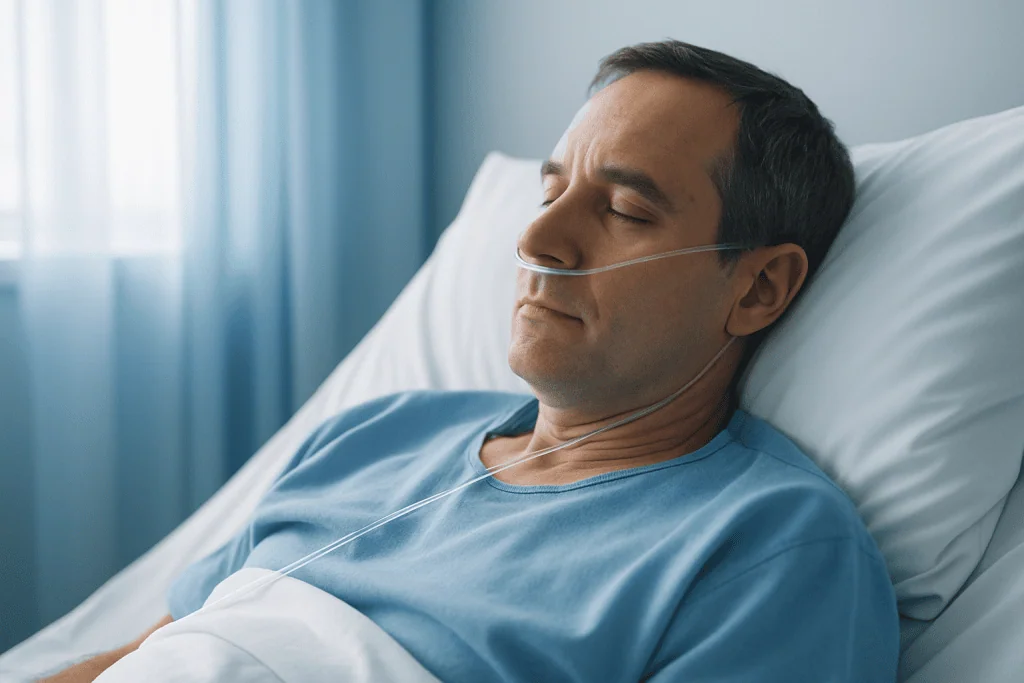
When hospital care is needed, the first priorities are oxygenation and hydration. Oxygen is delivered by nasal cannula, mask or other methods depending on severity. In infants, gentle nasal suctioning can improve both breathing and feeding by clearing secretions from the small nasal passages a baby depends on. If the patient cannot drink or feed safely, intravenous fluids or temporary tube feeding bridge the gap while breathing improves. Continuous or frequent monitoring — pulse oximetry alongside nursing assessment of breathing effort, temperature, comfort, fluid balance and feeding — lets the team detect change early and adjust the plan in either direction.
Equally important is what is not given. Bronchodilator inhalers are trialled only when there is evidence of airway narrowing or an asthma-like history, because they do not help most patients with RSV. Corticosteroids are not routinely used for typical infant bronchiolitis, though they have a role in certain asthma or chronic lung disease flares. Antibiotics are added only when bacterial infection is suspected or confirmed. Good RSV care is as much about withholding unhelpful treatments as adding helpful ones — this is where specialist judgement earns its place.
Step 5: Advanced respiratory support
A minority of patients need more than standard oxygen. High-flow therapy delivers warmed, humidified oxygen at higher flow rates, which reduces the work of breathing — often visibly, within hours, in an exhausted infant. Non-invasive ventilation supports patients who need help moving air in and out of the lungs without a breathing tube. If breathing failure develops despite these measures, mechanical ventilation in an intensive care unit takes over the work of breathing until the lungs recover. The equipment matters less than the team using it: continuous interpretation of monitoring data, with timely escalation and de-escalation, is what makes intensive respiratory care safe.
How long does RSV treatment last?
RSV symptoms often peak around the middle of the first week of illness, though the timing varies. Many mild infections improve within one to two weeks, while the cough can linger longer. Hospital stays range from brief observation to longer admissions for oxygen or respiratory support, depending on age, feeding and underlying conditions. Discharge is considered when the patient is breathing comfortably, oxygen levels are stable without significant support, hydration or feeding is adequate, and caregivers understand which symptoms should prompt re-evaluation. Follow-up is commonly arranged for infants, older adults, immunocompromised patients and anyone with persisting respiratory symptoms.
Preventing RSV in High-Risk Groups
Prevention has become a genuine part of RSV medicine. For certain high-risk infants — those born very prematurely, or with significant heart or lung disease — preventive antibody treatments may be recommended before or during the RSV season, depending on age, gestational history and local medical guidance. Vaccination against RSV may also be relevant for older adults and for pregnant patients, whose protection can extend to the newborn during the earliest and most vulnerable months; eligibility follows current national recommendations and individual medical assessment. Two honest caveats apply. Preventive options reduce the likelihood of severe disease in selected groups; they do not make anyone immune to catching RSV. And they do not replace medical treatment once illness is present. Alongside these medical tools, the unglamorous basics — hand hygiene, keeping obviously unwell visitors away from newborns, and a smoke-free home — remain worthwhile throughout every RSV season.
Why Acting Early Matters
RSV can progress from mild congestion to lower airway disease within a day or two, especially in high-risk patients. Early medical assessment sorts patients honestly: it identifies those likely to do well at home, and those who need closer observation before problems compound. It also prevents avoidable complications from dehydration, falling oxygen levels or unrecognised respiratory distress.
For infants, feeding difficulty is often the earliest sign that breathing has become too hard. A baby who cannot take enough milk becomes dehydrated, weaker and more tired, which in turn worsens breathing — a spiral that early hydration and oxygen support can interrupt before it gathers pace.
For older adults and patients with chronic heart or lung disease, RSV can destabilise conditions that were previously well controlled. Worsening breathlessness may reflect not only the viral infection but also pneumonia, an asthma or COPD flare, heart failure or a secondary bacterial infection layered on top. Delayed evaluation lets these overlapping problems progress in parallel.
Early testing also reduces unnecessary treatment. When RSV is confirmed and bacterial infection looks unlikely, physicians can avoid antibiotics that would achieve nothing against the virus. When findings do suggest bacterial pneumonia or another complication, early diagnosis lets the right treatment start sooner.
The severe-disease signs described earlier — laboured breathing, pauses in breathing, colour change around the lips, marked lethargy — are precisely the situations in which waiting for an illness to “run its course” is recognised in clinical practice as unsafe. Early assessment exists so that no one has to make that judgement alone at home.
Benefits of RSV Treatment
The benefits of RSV treatment depend on illness severity, but the central aim is constant: support a safe recovery and reduce the risk of complications.
| Benefit | What It Means for You |
|---|---|
| Improved breathing support | Oxygen therapy, airway clearance and respiratory monitoring help patients maintain safer oxygen levels while the lungs recover. |
| Better hydration and feeding | Infants and vulnerable adults who cannot drink enough can receive fluids or nutritional support until breathing and energy improve. |
| Early recognition of complications | Close assessment identifies pneumonia, worsening asthma or COPD, heart strain, dehydration or bacterial infection when present. |
| More appropriate medication use | Testing and specialist evaluation help avoid unnecessary antibiotics while allowing targeted treatment when another condition is involved. |
| Safer care for high-risk patients | Premature infants, older adults and immunocompromised patients can be monitored more closely and escalated to advanced support if needed. |
Recovery Timeline After RSV
Recovery varies by age, baseline health and severity, but most patients follow a recognisable pattern: worse before better, then gradual improvement after the symptom peak.
| Time Period | What Patients Can Expect |
|---|---|
| Day 1 | Symptoms begin like a cold — congestion, cough, fever or reduced appetite. High-risk patients are watched closely from the start. |
| First Week | Symptoms may worsen before improving, especially cough, wheezing and breathing effort. Some patients need medical evaluation or hospital support during this period. |
| First Month | Most patients improve significantly, although cough and airway sensitivity can persist. Follow-up may be arranged for infants, older adults or those with chronic conditions. |
| Longer Term | Most people recover without lasting problems. Some children have recurrent wheezing after severe bronchiolitis, and adults with chronic lung disease may need their baseline therapy reassessed by their treating doctor. |
Factors That Influence Outcomes
Age is one of the most important factors. Very young infants, especially in the first months, have small airways and limited respiratory reserve. Premature infants may have underdeveloped lungs or a history of neonatal respiratory problems, which increases their vulnerability during any lower airway infection.
Underlying medical conditions shape the course of illness. Congenital heart disease, chronic lung disease, neuromuscular disorders, immune suppression, asthma, chronic obstructive pulmonary disease and heart failure all make RSV more complex. In these patients, physicians monitor not only the viral infection but also how the illness affects the body as a whole.
Severity at presentation matters. Patients who arrive with low oxygen levels, marked work of breathing, dehydration or altered mental status need more intensive support. Earlier evaluation gives clinicians the chance to intervene before exhaustion or respiratory failure develops.
Nutrition and hydration carry particular weight in infants and older adults. A patient who can maintain fluids and feeding safely is generally easier to manage than one who becomes dehydrated or too tired to eat. For hospitalised patients, fluid management is a careful balance, because both dehydration and excess fluid create problems — particularly in people with heart or lung disease.
Accurate diagnosis underpins the whole plan. RSV can occur alongside other infections, and it can mimic influenza, COVID-19, bacterial pneumonia, an asthma exacerbation or heart failure. A structured diagnostic approach helps the team choose the right level of monitoring and treatment rather than treating the wrong problem well.
Finally, the experience of the care team and the quality of follow-up shape the patient’s journey. RSV improves gradually, and families need clear guidance on warning signs, medication questions for the treating doctor, feeding, sleep, infection control, and returning to childcare, school or work. For medically fragile patients, coordinated follow-up with paediatrics, pulmonology, infectious diseases, cardiology or intensive care specialists may be appropriate.
RSV Care at Acibadem
Managing RSV well depends less on rare technology than on disciplined assessment, honest thresholds for admission and reliable monitoring. At Acibadem hospitals, RSV care draws on paediatric and adult medicine, pulmonology, infectious diseases, emergency medicine, intensive care and specialist nursing teams working to evidence-based protocols.
For infants with bronchiolitis, this means close paediatric assessment, oxygen monitoring, feeding support and escalation to paediatric intensive care when necessary. For older adults, care typically involves evaluation of pneumonia risk, oxygen needs, chronic lung disease, cardiac status and medication safety, all reviewed by the treating team rather than handled as separate problems.
Multidisciplinary decision-making is most valuable for patients with complex medical histories. A premature infant with chronic lung disease, a child with congenital heart disease, an adult receiving cancer therapy, or an older patient with both COPD and heart failure may need input from more than one specialty. Coordinated consultations align the treatment plan with the patient’s full medical picture rather than treating RSV in isolation.
Modern diagnostic pathways support accurate, efficient care: respiratory virus testing, imaging when indicated, laboratory assessment, continuous oxygen monitoring and advanced respiratory support technologies. In hospital settings, infection-control procedures matter just as much, protecting other vulnerable patients on the same ward and limiting spread of the virus within the building.
Discharge planning is built into the admission rather than left to chance. Before a patient goes home, the team confirms that breathing is stable, that feeding or fluid intake is adequate, and that caregivers understand what a normal recovery looks like — including the lingering cough that often outlasts the rest of the illness — as well as which changes should prompt re-evaluation. Follow-up appointments are arranged where the patient’s age or medical history makes them worthwhile, so that recovery is confirmed rather than assumed.
Families also value clarity. RSV can be emotionally difficult because symptoms fluctuate and the sound of a child’s breathing can be alarming. A careful explanation of what clinicians are monitoring, why certain treatments are or are not being used, and which milestones are needed before discharge makes the experience more understandable. For adult patients, an honest discussion of how RSV interacts with existing chronic conditions supports a safer recovery and more useful follow-up.
Moving Forward After RSV
RSV is common, and most infections end unremarkably. It should not be dismissed, however, when it affects an infant, an older adult or a person with underlying health concerns. Effective care starts with recognising the situations that carry genuine risk, confirming the diagnosis when that changes the plan, and matching treatment to what the patient actually needs — no more and no less. For most people, that means careful home care and patience while the cough fades. For some, it means hospital-based support that protects breathing, hydration and overall stability while the body clears the virus. Understanding the difference between those two paths, and the signs that separate them, is the most useful thing anyone weighing up RSV can take from this page.
Preparation
- A doctor reviews symptoms, medical history, age and risk factors such as prematurity, chronic lung disease or immune problems. Testing may include a nasal swab and oxygen level measurement. Patients should share current medications, allergies and recent exposure history.
Aftercare
- Most RSV cases are managed with rest, fluids, fever control and close monitoring. Seek urgent care for breathing difficulty, poor feeding, dehydration, blue lips or worsening lethargy. High-risk patients may need oxygen, inhaled treatments or hospital monitoring.
Turkey vs UK, Germany & USA
RSV care costs vary because the clinical pathway can range from an outpatient assessment to monitored hospital or intensive care support. International patients usually compare not only medical fees, but also waiting time, language support, travel logistics and what is included in the care package.
The comparison below highlights practical factors that may influence the overall cost and patient experience for RSV evaluation and care in different health systems.
| Factor | Turkey | UK | Germany | USA |
|---|---|---|---|---|
| Access and waiting times | Private hospital pathways may offer faster specialist assessment and coordinated admission when needed. | Public pathways may involve triage-based access; private care may shorten waits for consultations. | Specialist care is structured and thorough, with timing depending on insurance status and provider availability. | Access can be rapid in private settings, but availability and pathway depend strongly on insurance and provider networks. |
| Hospital and specialist factors | Costs depend on paediatric, pulmonary, infectious disease, neonatal or intensive care involvement, plus hospital category. | Costs vary between public and private settings, consultant involvement and whether inpatient care is required. | Costs are influenced by specialist level, hospital type and the need for monitored respiratory support. | Costs vary widely by hospital system, physician billing model, emergency care use and level of respiratory support. |
| Accreditation and quality | International patients may choose JCI-accredited hospitals such as Acibadem for structured safety and care processes. | Quality oversight is well established through national standards and hospital governance. | Hospitals follow regulated quality frameworks and specialist protocols. | Quality standards vary by institution, with accredited hospitals offering formal safety and quality processes. |
| Diagnostics and monitoring | Packages may include consultation, RSV testing, blood tests, imaging if needed and inpatient monitoring when clinically indicated. | Diagnostic scope depends on public or private pathway and clinical severity. | Testing and monitoring are typically protocol-based and may be expanded for high-risk patients. | Testing, imaging and monitoring may be billed separately depending on the care setting. |
| Travel and language logistics | International patient teams may assist with appointments, interpreters, hospital admission and travel coordination. | Language support may be available, but arrangements vary by hospital and care route. | Interpreter and international office services may be available in larger hospitals. | Language support varies by provider; travel and insurance coordination may require separate planning. |
| What a package may include | Common inclusions may be specialist review, nursing care, diagnostic tests, medications, oxygen support if needed and follow-up planning. | Private packages may be more limited unless inpatient care is clearly included. | Packages are usually defined by medical necessity, diagnostics and inpatient requirements. | Bundled packages are less predictable; itemised billing is common in many settings. |
What affects your final cost
- Whether care is outpatient, inpatient or intensive care based.
- Patient risk profile, such as infancy, older age, prematurity, heart disease, lung disease or immune suppression.
- Need for oxygen, feeding support, respiratory monitoring or advanced ventilation.
- Laboratory testing, viral testing, imaging and specialist consultations.
- Length of hospital stay and type of room selected.
- Medications, preventive immunisation options and follow-up visits.
- Interpreter support, airport transfers and accommodation arrangements for family members.
Compare your options
RSV management is mainly supportive, and the right option depends on the patient’s age, risk factors and breathing status. Suitability is decided by a specialist after clinical assessment.
| Option | What it is | Typical use | Key considerations |
|---|---|---|---|
| Outpatient assessment and supportive care | Clinical examination, hydration advice, fever management and guidance on warning signs. | Mild RSV symptoms without breathing difficulty or dehydration. | Families need clear instructions on when to seek urgent care, especially for infants and high-risk patients. |
| RSV testing and diagnostic evaluation | Nasal swab testing, blood tests or imaging when clinically indicated. | Used when diagnosis affects isolation, admission, treatment planning or risk assessment. | Not every patient requires extensive testing; the specialist decides based on symptoms and risk. |
| Hospital observation and supportive treatment | Monitoring, oxygen therapy if needed, fluid support and nursing care. | Patients with feeding difficulty, dehydration, low oxygen levels or increased work of breathing. | Cost is influenced by monitoring intensity, room type, medications and duration of stay. |
| Advanced respiratory support | Higher-level breathing support in a monitored or intensive care setting. | Severe bronchiolitis, pneumonia, respiratory distress or high-risk medical conditions. | Requires specialist teams and specialised equipment, making it a major cost driver. |
| Preventive immunisation or vaccination strategies | Preventive options for selected infants, older adults or high-risk groups, depending on availability and guideline suitability. | Considered before or during RSV season for patients at increased risk of severe disease. | Eligibility, timing and product choice should be reviewed by a paediatrician, pulmonologist or infectious diseases specialist. |
| Targeted antiviral treatment in selected cases | Antiviral therapy considered only for specific high-risk or immunocompromised patients. | Uncommon in routine RSV care and reserved for specialist-directed situations. | Benefits, risks and availability must be assessed carefully by the treating specialist. |
General information only — not medical or financial advice. Final costs depend on the factors above and your individual case; request a free, personalised quote.
Frequently Asked Questions
What affects the cost of RSV care the most?
The main cost drivers are severity of illness, whether hospital admission is needed, the level of respiratory support, diagnostic tests, specialist involvement, room type and duration of monitoring.
Can I get a quote before travelling for RSV assessment or treatment?
Yes. You can request a free consultation by sharing the patient’s age, symptoms, medical history, current reports and any recent test results. The hospital team can then provide a personalised estimate based on the likely care pathway.
Is RSV treatment usually done as an outpatient or in hospital?
Many mild cases are managed with supportive outpatient care. Infants, older adults and high-risk patients may need hospital monitoring if there is breathing difficulty, dehydration, low oxygen level or concern for bronchiolitis or pneumonia.
What is typically included in an international patient package for RSV care?
A package may include specialist consultation, RSV testing, necessary blood tests or imaging, nursing care, medication, oxygen support if clinically needed and follow-up planning. Interpreter support and travel coordination may also be arranged depending on the hospital service.
Does accreditation matter when comparing hospitals for RSV care?
Accreditation can indicate that a hospital follows structured quality and patient safety processes. International patients may consider JCI-accredited hospitals when comparing options, alongside specialist availability, intensive care capacity, communication support and total care coordination.
Is the information here medical or financial advice?
No. This is general information only. RSV care should be planned after specialist evaluation, and costs should be confirmed through a personalised quote based on the patient’s condition and required services.
Medically reviewed by the Acıbadem International Medical Board — August 31, 2026
See our medical review board →
Update history
- PublishedJune 8, 2026
- Medical review approvedAugust 31, 2026
- Last content updateAugust 31, 2026
References3
- Respiratory Syncytial Virus Infections — medlineplus.gov
- Respiratory Syncytial Virus (RSV) — cdc.gov
- Respiratory syncytial virus (RSV) — nhs.uk