Cmc Arthroplasty: Procedure, Recovery and Results

CMC arthroplasty treats arthritis of the thumb carpometacarpal joint, often called basal thumb arthritis. The procedure commonly involves removing all or part of the trapezium bone and stabilizing the thumb with soft tissue or an implant.
Key Takeaways
- CMC arthroplasty treats arthritis of the thumb carpometacarpal joint, often called basal thumb arthritis.
- The procedure commonly involves removing all or part of the trapezium bone and stabilizing the thumb with soft tissue or an implant.
- Most people wear a splint or cast after surgery and gradually begin hand therapy as healing progresses.
- Pain and swelling improve in stages; meaningful recovery commonly takes several months, while strength may continue improving for up to a year.
- Risks include stiffness, persistent pain, nerve irritation, infection, scar sensitivity, and the possible need for further treatment.
CMC arthroplasty is a group of surgical techniques used to treat painful arthritis at the base of the thumb. It is usually considered when symptoms continue to limit daily activities despite splinting, therapy, medication, or injections.
Overview: what is CMC arthroplasty?
CMC arthroplasty is surgery for arthritis in the carpometacarpal (CMC) joint at the base of the thumb. This joint helps the thumb pinch, grasp, turn keys, open jars, and perform many everyday tasks. When its cartilage wears down, the bones can rub together, causing pain, swelling, weakness, and a visible change in thumb position.
The goal of CMC arthroplasty is to reduce pain while preserving or improving useful thumb movement. Several techniques are available, but many operations remove the trapezium, a small wrist bone involved in the arthritic joint. The surgeon may then use a tendon, a suspension device, or another method to support the thumb and maintain spacing.
CMC arthroplasty is generally not the first treatment for thumb-base arthritis. It may be discussed when symptoms remain disruptive despite non-surgical care, such as activity changes, a thumb splint, anti-inflammatory medicines when appropriate, hand therapy, or corticosteroid injection. The best technique depends on joint damage, hand demands, anatomy, prior treatment, and the surgeon’s assessment.
Who may be a candidate for CMC joint surgery?
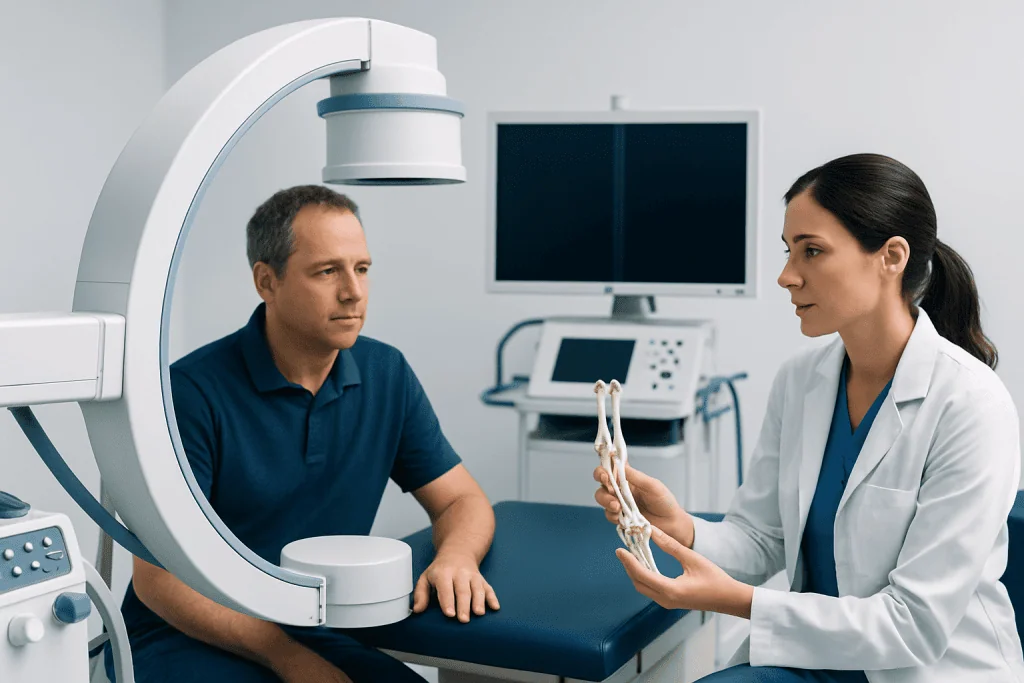
A person may be a candidate for CMC joint surgery when thumb-base pain makes daily activities difficult and conservative treatments no longer provide sufficient relief. Common examples include trouble gripping a pan, fastening buttons, using a mobile phone, writing, gardening, or working with tools. X-rays can show arthritis, but the decision for surgery is based on symptoms and function as well as imaging findings.
Before recommending surgery, a hand surgeon considers whether pain truly arises from the CMC joint. Other conditions, including tendon problems, wrist arthritis, nerve compression, or inflammatory arthritis, can cause overlapping symptoms. A careful examination may include testing thumb stability, pinch strength, sensation, and motion in nearby joints.
General health also matters. Diabetes, smoking, circulation problems, medications, and conditions that affect healing should be reviewed beforehand. People considering surgery should be ready to protect the hand and participate in the prescribed rehabilitation plan, since recovery is gradual rather than immediate.
- Persistent thumb-base pain despite appropriate non-surgical care
- Reduced ability to perform work, self-care, or valued activities
- Clinical and imaging findings consistent with CMC arthritis
- Realistic expectations about rehabilitation and the time needed for strength to return
How CMC arthroplasty works: the procedure step by step

CMC arthroplasty is commonly performed as an outpatient procedure, meaning the patient usually returns home the same day. It may be done with regional anesthesia that numbs the arm, general anesthesia, or a combination, depending on the individual and the anesthetic plan. The hand is cleaned and positioned carefully to allow the surgeon to access the thumb base.
Through an incision near the base of the thumb, the surgeon assesses the joint and removes the damaged trapezium in a procedure called trapeziectomy. In some approaches, a portion of a nearby tendon is used to support or suspend the first metacarpal bone; this is often described as ligament reconstruction and tendon interposition. Other techniques use a suture-button suspension device or, in selected cases, joint replacement or fusion.
After the thumb is stabilized, the incision is closed and a bulky dressing with a thumb-spica splint or cast is applied. The exact cmc arthroplasty surgery protocol differs by technique and surgeon. Instructions about wound care, pain relief, finger movement, driving, and follow-up should always take priority over generalized online guidance.
If earlier surgery has not achieved the expected result, a specialist may discuss revision surgery after identifying the reason for ongoing symptoms, such as instability, remaining bone contact, nerve irritation, infection, or another source of pain. Administrative phrases such as “CMC arthroplasty revision CPT” or “CMC arthroplasty revision CPT code” refer to medical billing classification and do not determine whether revision is clinically appropriate.
CMC surgery recovery time and rehabilitation
CMC surgery recovery time varies, but healing is usually measured in months. During the first one to two weeks, the hand is elevated as advised and protected in its surgical dressing or splint. Swelling, bruising, and soreness are expected early on. Keeping the fingers moving within the surgeon’s instructions may help limit stiffness and support circulation.
At a follow-up visit, the wound is checked and sutures may be removed if needed. Many people continue in a thumb-spica cast or custom splint for several weeks. The timing depends on the technique used, tissue healing, and individual progress. Heavy gripping, pinching, lifting, and weight-bearing through the hand are usually restricted at this stage.
A CMC arthroplasty PT protocol, often provided by a hand therapist, typically progresses from gentle range-of-motion work to scar care, controlled thumb use, and later strengthening. Therapy should not be rushed: the reconstructed or supported tissues need time to heal. Light tasks may become easier over several weeks, while more demanding work, sports, and stronger pinch activities can require several months.
Recovery is not always linear. Temporary stiffness, fatigue, swelling after activity, and sensitivity around the scar can occur as the hand is used more. Regular review with the surgical and therapy team allows exercises and splint use to be adjusted safely.
How long does pain last after a CMC arthroplasty?
Postoperative pain is usually most noticeable during the first days to weeks after CMC arthroplasty, then steadily improves as the incision and deeper tissues heal. Aching, swelling, and tenderness with activity can continue for several months, especially when therapy advances or the thumb is used more often. The pace differs between individuals and surgical techniques.
Many people notice that the original arthritis pain improves gradually rather than disappearing immediately. It is also common for the hand to feel weak or easily tired during early recovery. A surgeon may recommend a combination of elevation, splint protection, prescribed medicines, and gradual rehabilitation to make recovery more comfortable.
New or worsening pain after an initial improvement, severe pain that is not controlled by the agreed plan, increasing redness or drainage, fever, numbness, or a cold or discolored thumb should be reported promptly. These symptoms do not always indicate a serious problem, but they need timely assessment.
What not to do after CMC arthroplasty and how to sleep
After CMC arthroplasty, the most important restriction is avoiding activities that put force through the healing thumb. This usually includes lifting heavy objects, forceful gripping, pinching, opening tight containers, repetitive twisting, pushing up from a chair with the operated hand, and returning to manual work or sport before clearance. The splint or cast should remain in place and dry unless the surgical team has given different instructions.
People should also avoid smoking or nicotine products, as these can impair healing. Driving should wait until the person is no longer taking sedating pain medication and can safely control the vehicle, with approval from the surgical team. Exercises should follow the individual rehabilitation plan; starting strengthening too early can aggravate pain or strain healing structures.
For sleep after CMC arthroplasty surgery, many people are most comfortable sleeping on their back or the non-operated side with the hand supported on pillows above heart level during the first days. The splinted hand should not be trapped beneath the body or allowed to hang over the edge of the bed. A pillow barrier can help prevent rolling onto the operated hand, and the surgeon should be contacted if the splint feels too tight, causes worsening numbness, or disrupts circulation.
Benefits, risks, and whether CMC joint surgery is worth it
For appropriately selected patients, CMC arthroplasty can provide substantial relief from thumb-base arthritis pain and improve the ability to use the hand for daily activities. The procedure aims to create a more comfortable, stable thumb rather than restore a completely normal joint. Pinch and grip strength often improve gradually, but may not match the strength of an unaffected hand.
As with any operation, there are risks. These include bleeding, infection, wound-healing problems, stiffness, scar tenderness, nerve irritation or numbness, ongoing weakness, persistent pain, complex regional pain syndrome, and instability or collapse at the thumb base. Rarely, additional surgery may be needed. The likelihood and relevance of particular risks should be discussed with the operating surgeon.
Whether CMC joint surgery is worth it depends on the person’s level of pain, functional limitation, response to non-surgical treatment, recovery priorities, and willingness to complete rehabilitation. It can be a worthwhile option for someone whose symptoms substantially affect daily life, but it is an elective decision that should follow an informed discussion of alternatives and expected recovery.
Acibadem International’s multidisciplinary specialists and JCI-accredited hospitals diagnose and treat hand and thumb conditions for international patients, with treatment planning tailored to the individual clinical assessment.
When to seek medical care
A medical evaluation is appropriate for persistent pain at the base of the thumb, reduced pinch strength, swelling, or difficulty with ordinary activities. Early assessment can clarify whether symptoms are caused by CMC arthritis or another hand condition and can help a person consider non-surgical options before symptoms become more limiting.
After surgery, the surgical team should be contacted urgently for increasing redness, warmth, swelling, pus-like drainage, fever, uncontrolled pain, new weakness, persistent numbness, blue or pale fingers, or a cast or splint that feels excessively tight. A fall or injury to the operated hand should also be reported.
Follow-up appointments are an important part of recovery, even when progress seems smooth. They allow the surgeon and hand therapist to monitor healing, assess movement and strength, and safely guide the next stage of the rehabilitation plan.
Frequently asked questions
What is the difference between CMC arthroplasty and a trapeziectomy?
Trapeziectomy is the removal of the trapezium bone, which is a common part of many CMC arthroplasty procedures. CMC arthroplasty is the broader term for surgery that reconstructs or stabilizes the thumb base after addressing the arthritic joint. It may include tendon suspension, ligament reconstruction, a suture device, or another technique.
How long does pain last after a CMC arthroplasty?
Surgical pain is usually strongest in the early days and weeks, while activity-related soreness and swelling can continue for several months. Improvement is gradual as the hand heals and therapy progresses. Persistent, worsening, or unusual pain should be discussed with the surgical team.
What not to do after CMC arthroplasty?
Avoid forceful pinching, heavy lifting, gripping, twisting, and weight-bearing through the operated hand until the surgeon clears these activities. Do not remove or get the splint wet unless instructed. Strengthening exercises should begin only according to the prescribed rehabilitation plan.
How should a person sleep after CMC arthroplasty surgery?
Sleeping on the back or non-operated side with the hand supported on pillows is often most comfortable during early recovery. Elevating the hand can help reduce swelling. The splinted hand should not be slept on or allowed to hang down for long periods.
Is CMC joint surgery worth it?
It may be worth considering when thumb arthritis pain continues to interfere with daily life despite non-surgical treatment. Many patients gain meaningful pain relief and improved function, but recovery takes time and full strength may not return immediately. A hand surgeon can help weigh benefits, risks, alternatives, and personal goals.
When can someone return to work after CMC arthroplasty?
Return-to-work timing depends on the job, the hand operated on, the surgical technique, and healing progress. Desk-based work may be possible sooner with appropriate restrictions, while manual work often requires a longer recovery period. The surgeon and hand therapist should provide individualized guidance.
References
- American Academy of Orthopaedic Surgeons
- American Society for Surgery of the Hand
- National Institute of Arthritis and Musculoskeletal and Skin Diseases
- Mayo Clinic
This article is for general information only and is not a substitute for professional medical advice. Please consult a qualified doctor about your individual situation.
Joint and spine care in Turkey — expert assessment & treatment
JCI-accredited · board-certified surgeons · reply within 24h

More from the Health Library



Related Specialists

Fzt. Elif Tokgöz Nizam
Physical Medicine and Rehabilitation
Prof. Dr. Ercan Karaarslan
Radiology
Assoc. Prof. Dr. Murat Tümüklü
Cardiology
Dr. Abdullah Doğan
Cardiovascular Surgery