Autologous Stem Cell Transplant: Procedure, Recovery and Results

An autologous stem cell transplant uses the patient’s own blood-forming stem cells, so donor matching is not needed. The transplant is usually part of a treatment plan involving high-dose chemotherapy and, in some cases, radiation therapy.
Key Takeaways
- An autologous stem cell transplant uses the patient’s own blood-forming stem cells, so donor matching is not needed.
- The transplant is usually part of a treatment plan involving high-dose chemotherapy and, in some cases, radiation therapy.
- Blood counts commonly reach their lowest level about one to two weeks after stem cells are returned, making infection prevention and supportive care especially important.
- Recovery varies by diagnosis, prior treatment and overall health; many people need several months to regain strength and return to usual activities.
- Transplant outcomes depend mainly on the underlying disease, its response to treatment and individual health factors rather than on one universal success rate.
An autologous stem cell transplant uses stem cells collected from the patient before high-dose treatment and returns them afterward to restore blood-cell production. It is most often used for selected blood cancers and related disorders, with recovery requiring close monitoring for infection, bleeding and treatment side effects.
Overview: how an autologous stem cell transplant works
An autologous stem cell transplant is a procedure that collects and stores a person’s own blood-forming stem cells, then returns them after intensive cancer treatment. The returned cells travel to the bone marrow and begin making new red blood cells, white blood cells and platelets. This process is also called autologous hematopoietic stem cell transplantation or, less precisely, an autologous bone marrow transplant.
The main purpose is not to replace a diseased immune system with a donor’s cells. Instead, it allows doctors to use high-dose chemotherapy, and occasionally radiation, to treat disease more intensively than the bone marrow could otherwise tolerate. The stored cells help the marrow recover afterward. It may be used for conditions such as multiple myeloma, some lymphomas and selected germ cell tumors.
Because the cells come from the patient, there is no need to find a matched donor and graft-versus-host disease does not occur. However, the procedure still involves a temporary period of very low blood counts and requires specialist care. The treatment team explains whether an autologous stem cell transplant is appropriate within the wider treatment plan.
Who may be a candidate?
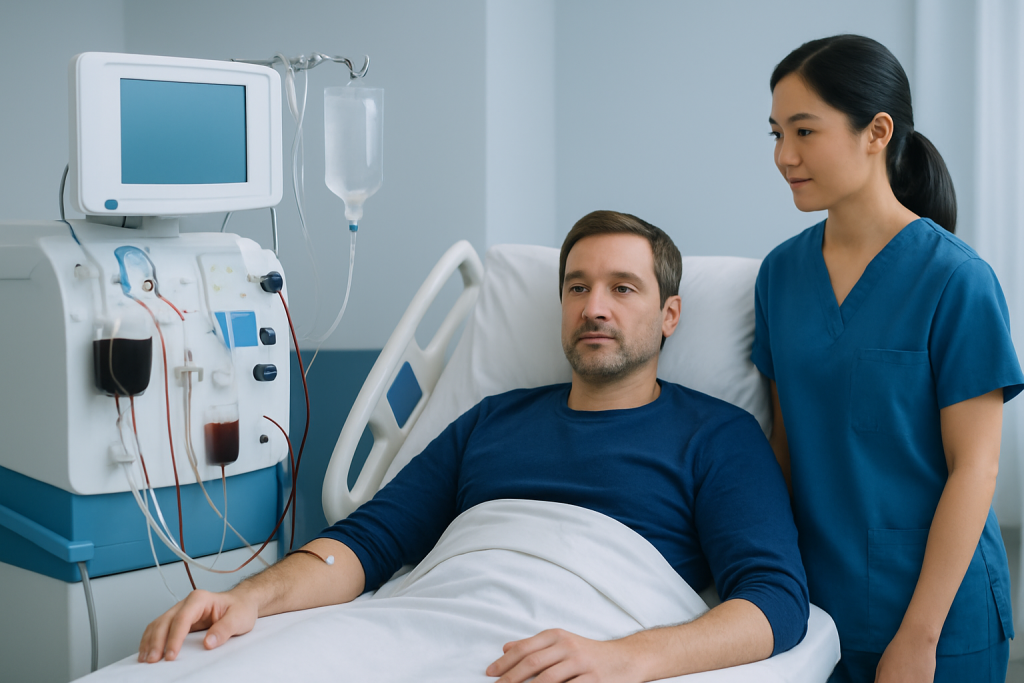
Doctors consider an autologous transplant when a disease is likely to respond to high-dose treatment and the expected benefit outweighs the risks. It is commonly considered after initial therapy for multiple myeloma, for lymphoma that has returned or has not responded sufficiently to first treatment, and in some other carefully selected situations. The exact timing differs by diagnosis and treatment history.
Candidacy is based on more than age alone. The transplant team reviews disease status, previous treatments, kidney, liver, lung and heart function, current infections, nutritional status, mobility and ability to manage recovery. Blood tests, scans and sometimes heart and lung assessments help establish whether intensive treatment can be given as safely as possible.
People may need treatment to bring the disease under control before stem cells are collected. Some may not be candidates because of severe organ problems, uncontrolled infection, poor stem-cell collection or a disease for which another approach is more suitable. Shared decision-making is important, since the likely advantages, burden of treatment and alternatives are individual.
Step by step: collection, conditioning and stem-cell return
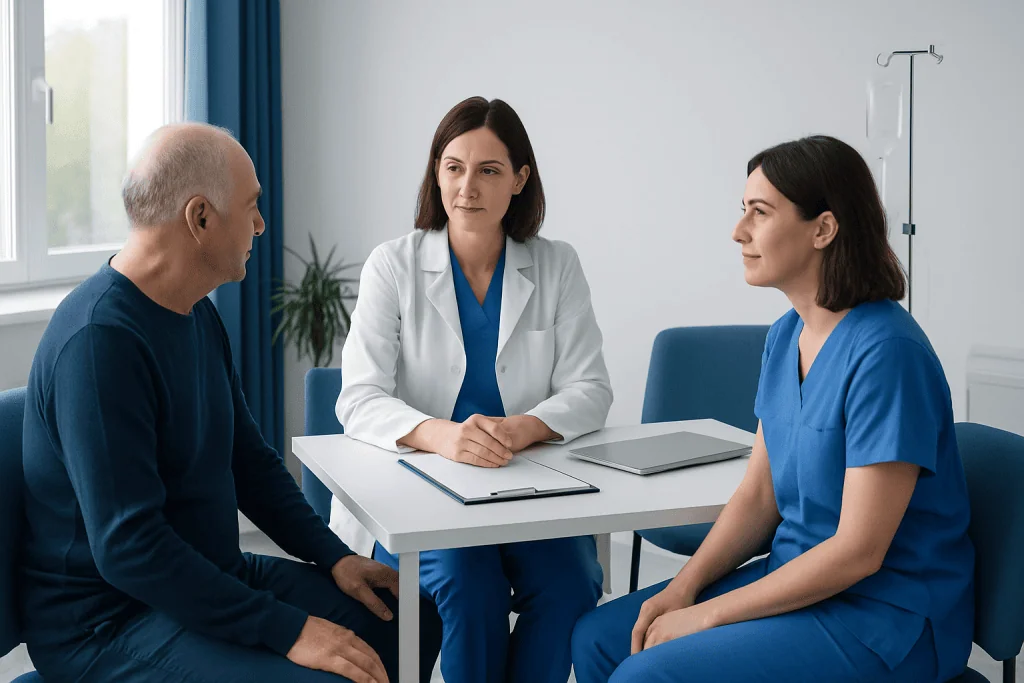
The process generally begins with mobilization, which encourages blood-forming stem cells to move from the bone marrow into the bloodstream. This usually involves growth-factor injections and may include chemotherapy or another medicine. When testing shows that enough cells are circulating, they are collected through a process called apheresis. Blood is drawn from a vein or central line, passed through a machine that separates stem cells, and returned to the body.
The collected cells are frozen and stored. The patient then receives conditioning treatment, usually high-dose chemotherapy, designed to destroy as many remaining cancer cells as possible. The medicines used depend on the diagnosis. A central venous catheter is often placed to make chemotherapy, transfusions, fluids, blood sampling and stem-cell infusion more manageable.
On transplant day, the stored cells are thawed and infused through the central line, similar to a blood transfusion. The infusion itself is usually short and does not involve surgery. Over the following days, the cells settle in the bone marrow and begin producing blood cells, a process known as engraftment. The patient is monitored closely throughout this period.
- Mobilization and collection: usually take days to weeks, depending on the collection plan.
- Conditioning: is given shortly before the stem-cell infusion.
- Engraftment: commonly begins over the next several weeks, although timing differs among individuals.
Recovery timeline, monitoring and supportive care
Recovery begins immediately after conditioning, but the first several weeks are the most medically intensive. As chemotherapy affects the bone marrow, white blood cells, red blood cells and platelets fall. During this time, people may need protective infection precautions, intravenous fluids, anti-nausea medicines, pain relief, nutrition support and transfusions of blood or platelets.
Many patients remain in hospital until blood counts start recovering and they can eat, drink and take medicines safely. Some transplant programs provide parts of care in an outpatient setting for carefully selected people who can attend daily review and have reliable support nearby. The treatment setting depends on local practice, the conditioning regimen and individual needs.
After discharge, frequent follow-up visits and blood tests are needed. Energy, appetite, taste, sleep and concentration may improve gradually rather than all at once. The immune system takes time to rebuild, so vaccination plans are often restarted later according to the transplant team’s schedule. Regular follow-up also assesses disease response and manages longer-term effects of treatment.
Benefits and risks of autologous transplant
For the right condition and patient, autologous transplant can deepen a treatment response, extend the time before disease returns or improve the chance of long-term disease control. It can be an important component of care for certain blood cancers. It is not usually considered a stand-alone treatment, and it may be followed by maintenance therapy, observation or other treatment depending on the diagnosis.
The major risks arise mainly from high-dose conditioning therapy and the period of low blood counts. Infection, fever, bleeding, anemia, tiredness, nausea, diarrhea, mouth sores and hair loss are common concerns. Antibiotics, transfusions and other supportive treatments are used when needed. Rare but serious complications can include severe infection, organ toxicity, blood clots or complications related to the central line.
Longer-term concerns can include fatigue, fertility changes, hormonal effects and a small risk of later treatment-related cancers or marrow disorders. The likelihood varies with the medicines received, radiation exposure, previous therapy and personal health history. Before treatment, the team discusses fertility preservation where relevant and provides a personalized plan for monitoring possible late effects.
What is life like after an autologous stem cell transplant?
Life after an autologous stem cell transplant is usually a gradual return to everyday routines rather than an immediate recovery. During the first months, fatigue can be substantial and fluctuating. Many people find that short, regular walks and slowly increasing activity help rebuild strength, while pacing activities and resting when needed prevent overexertion.
Food safety, hand hygiene and avoiding close contact with people who are unwell are particularly important while immunity is recovering. The transplant team may recommend avoiding crowded indoor environments, gardening soil, construction dust, certain foods or untreated water for a period of time. Advice is individualized, so patients should follow the instructions from their own transplant center.
Emotional recovery also matters. Anxiety about infection, test results or disease recurrence is understandable, and sleep changes or low mood can occur. Support from family, a transplant nurse, mental health professional, social worker or patient support group can be helpful. Work, travel and driving should resume only when the treating team feels it is safe and practical.
What are the worst days after a stem cell transplant?
For many people, the hardest period is the time after conditioning chemotherapy and before engraftment, when blood counts are at their lowest. This phase often occurs roughly one to two weeks after stem-cell infusion, though the timing varies. Tiredness, mouth soreness, nausea, diarrhea, appetite loss and fever can be more difficult during these days.
Low white blood cells increase the risk of infection, and low platelets can increase bruising or bleeding. This is why transplant teams monitor patients closely, check blood counts frequently and act promptly if fever or other symptoms develop. Supportive care can make a meaningful difference and is adjusted to the person’s symptoms.
Not everyone experiences the same level of discomfort, and many symptoms improve as the stem cells engraft and blood counts recover. Patients should tell their team about pain, diarrhea, vomiting, breathing changes, bleeding or emotional distress rather than trying to manage significant symptoms alone.
What is the success rate of autologous stem cell transplants?
There is no single success rate for autologous stem cell transplants because “success” can mean different things: successful stem-cell collection and engraftment, remission, longer disease control or overall survival. Results differ considerably according to the cancer type, stage, genetic features, response to earlier therapy, age, organ function and treatments used before and after transplant.
For many patients with multiple myeloma or certain lymphomas, transplant can be an established part of evidence-based care and can improve the depth or duration of response. However, it may not eliminate every cancer cell, and some people need further therapy later. The transplant physician can explain outcome information that is relevant to the person’s exact diagnosis rather than relying on a general figure.
It is also important to distinguish treatment-related risks from long-term cancer outcomes. Modern supportive care has improved the ability to manage complications, but intensive treatment remains medically significant. A personalized discussion should include anticipated benefits, alternatives and the factors that may affect an individual outcome.
What not to do after stem cell transplant and when to seek medical care
After transplant, patients should not stop prescribed medicines, supplements or infection-prevention precautions without speaking to their transplant team. They should avoid live vaccines unless specifically advised, avoid smoking and limit alcohol if the care team recommends it. They should also avoid raw or undercooked foods and other potential infection exposures for as long as their center advises.
People should not take herbal products, over-the-counter medicines or anti-inflammatory pain medicines without checking first, as these can interact with treatment or affect bleeding and kidney function. Heavy lifting, contact sports and strenuous exercise may need to wait until blood counts and strength have recovered. Travel, especially international travel, should be discussed in advance because follow-up care and infection risks need planning.
Medical care should be sought urgently for a temperature of 38°C (100.4°F) or higher, chills, shortness of breath, chest pain, confusion, severe or persistent vomiting or diarrhea, new rash, uncontrolled pain, unusual bleeding, or inability to drink fluids. Patients should use the transplant center’s emergency contact instructions, as fever during low white blood cell counts needs prompt assessment. Acibadem International’s multidisciplinary specialists and JCI-accredited hospitals provide diagnosis and transplant care for international patients.
Frequently asked questions
Is an autologous stem cell transplant the same as a bone marrow transplant?
The terms are sometimes used interchangeably, but an autologous transplant specifically means that a person receives their own previously collected blood-forming stem cells. Today, these cells are often collected from the bloodstream rather than directly from bone marrow.
How long does it take for stem cells to engraft after an autologous transplant?
Engraftment often begins within several weeks after the stem-cell infusion, but exact timing varies. Blood tests are used to monitor recovery of white blood cells, platelets and red blood cells.
Does an autologous stem cell transplant cure cancer?
It can be a highly effective part of treatment for certain cancers, but whether it is considered curative depends on the diagnosis and disease situation. In some conditions, its goal is to achieve a deeper remission or longer period of disease control.
Can someone have an autologous stem cell transplant more than once?
In selected circumstances, a second autologous transplant may be considered. This depends on the underlying disease, the response and duration of benefit from the first transplant, available stored cells and the person’s overall health.
How long is the immune system weak after an autologous transplant?
The highest infection risk is usually during the early period of low white blood cell counts, but immune recovery continues for months. The transplant team will advise on precautions, vaccinations and when activities can be safely resumed.
What foods should be avoided after an autologous stem cell transplant?
Recommendations differ among transplant centers, but patients are commonly advised to avoid foods with a higher risk of infection, such as raw or undercooked meat, eggs and seafood, and unpasteurized products. Safe food handling and the care team’s individualized nutrition guidance are important.
References
- National Cancer Institute
- American Society of Hematology
- European Society for Blood and Marrow Transplantation
- Centers for Disease Control and Prevention
- National Marrow Donor Program
This article is for general information only and is not a substitute for professional medical advice. Please consult a qualified doctor about your individual situation.
Stem Cell Transplant in Turkey — costs, top hospitals & a free quote
JCI-accredited · board-certified surgeons · reply within 24h

Organ Transplantation
Kidney, liver and bone-marrow transplantation programs with dedicated coordination.
4 specialists in this unitMore from the Health Library

Related Specialists
Prof. Dr. Ayhan Aşkın
Physical Medicine and Rehabilitation
Prof. Dr. Selim Aksöyek
Pediatric Surgery
Erdem Terzi
Physical Medicine & Rehabilitation
Dyt. Senem Azizzade
Nutrition & Diet