Knee Joint Ligament Tear Treatment: How It Works, Results and What to Expect
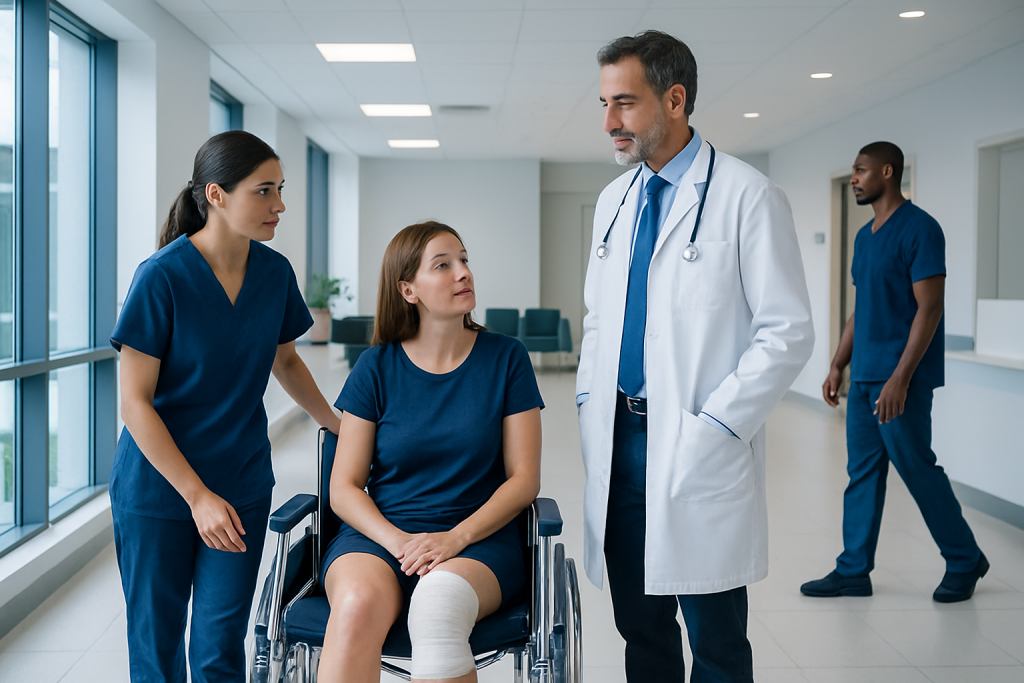
A knee ligament tear can involve the ACL, PCL, MCL or LCL, and treatment depends on the specific structure injured. Rest, targeted rehabilitation, activity modification and bracing can be appropriate for selected partial tears and stable knees.
Key Takeaways
- A knee ligament tear can involve the ACL, PCL, MCL or LCL, and treatment depends on the specific structure injured.
- Rest, targeted rehabilitation, activity modification and bracing can be appropriate for selected partial tears and stable knees.
- Surgery most commonly reconstructs, rather than simply stitches, a torn cruciate ligament using a graft.
- Recovery requires progressive rehabilitation and may take many months, particularly after ACL reconstruction.
- Urgent assessment is important after major trauma, a locked knee, visible deformity, inability to bear weight or symptoms of poor circulation.
Knee joint ligament tear treatment is tailored to the injured ligament, the degree of knee instability, associated injuries and the person’s daily or sporting goals. Many tears can improve with structured rehabilitation, while reconstruction surgery may be considered when the knee remains unstable or when returning to pivoting activities is important.
Overview: How knee joint ligament tear treatment works
Knee joint ligament tear treatment aims to restore knee stability, reduce pain and swelling, protect other structures in the joint, and help the person return safely to everyday movement, work or sport. The right approach depends on which ligament is injured, whether the tear is partial or complete, whether the knee repeatedly gives way, and whether there is also damage to the meniscus, cartilage, bone or other ligaments.
The knee has four main stabilizing ligaments: the anterior cruciate ligament (ACL), posterior cruciate ligament (PCL), medial collateral ligament (MCL) and lateral collateral ligament (LCL). MCL injuries often heal without surgery, while complete ACL tears in active people or those with persistent instability more often lead to discussion of reconstruction. PCL and LCL injuries require individualized assessment because the injury pattern can range from mild to complex.
Early care commonly includes protecting the knee, controlling swelling, restoring movement and strengthening the muscles that support the joint. A clinician may recommend a brace, crutches for a short period, physiotherapy and changes to high-impact activity. Surgery is not automatically necessary; it is considered when non-surgical care is unlikely to provide a stable, functional knee or when there are associated injuries needing repair.
How serious is a knee ligament tear?
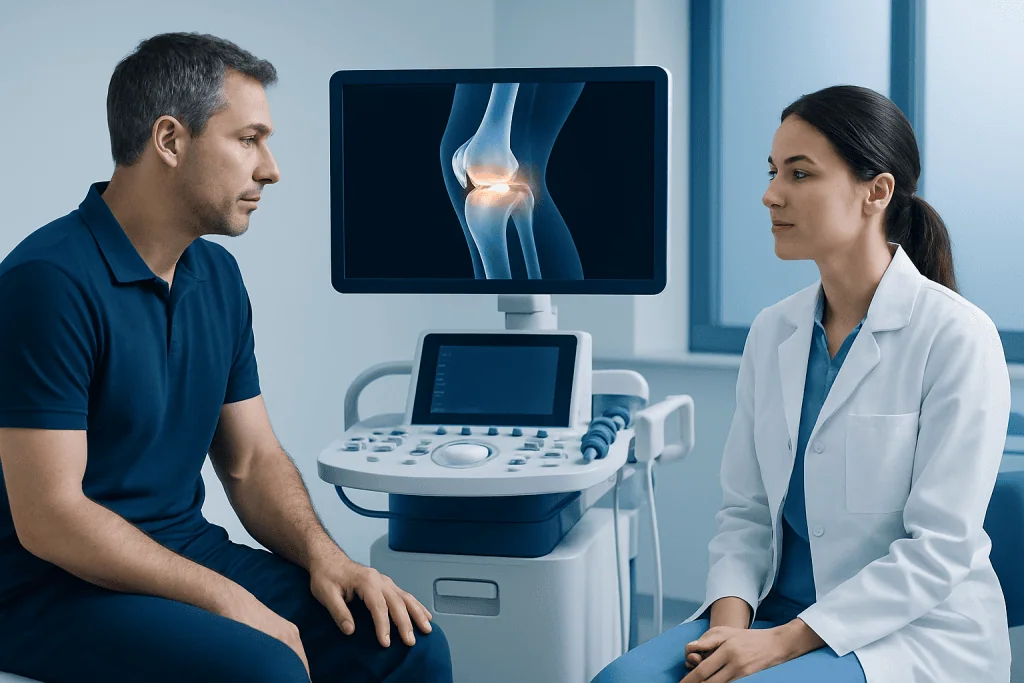
A knee ligament tear can range from a mild sprain to a complete rupture with substantial joint instability. Its seriousness is determined not only by the ligament involved but also by whether the knee is unstable, whether multiple ligaments are injured, and whether there is damage to the meniscus, cartilage, nerves or blood vessels. A person with a minor, isolated MCL injury may recover well with rehabilitation, whereas a dislocated knee with multiple torn ligaments is an emergency.
An unstable knee may buckle or shift during walking, turning, descending stairs or sport. Repeated episodes of giving way can increase the chance of secondary meniscus or cartilage injury. This is why assessment and a personalized rehabilitation plan are important even when pain starts to settle.
Signs that warrant prompt medical review include marked swelling soon after injury, inability to fully straighten the knee, a painful locking sensation, repeated instability, numbness, a cold or pale foot, or severe pain after a high-energy injury. These symptoms do not confirm a particular diagnosis, but they can indicate an injury that needs timely examination.
Assessment, candidacy and diagnosis
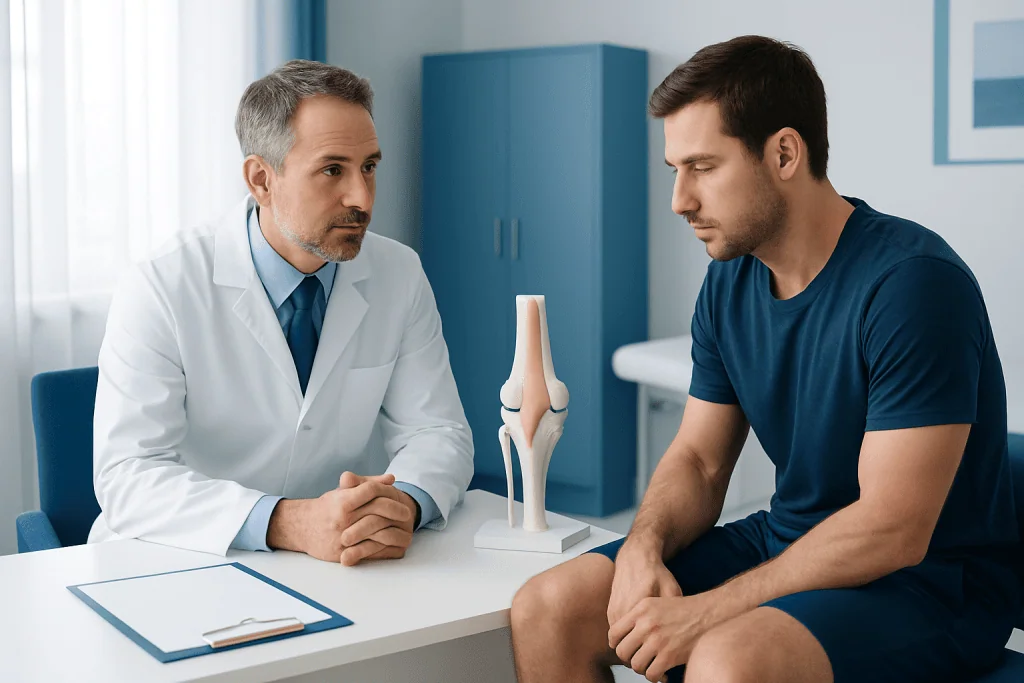
A clinician usually begins by asking how the injury occurred and whether the person heard or felt a pop, developed rapid swelling, or experienced instability. The examination assesses swelling, range of motion, tenderness, alignment and the stability of each major ligament. In the first days after an injury, pain and muscle guarding can make examination more difficult, so reassessment may sometimes be useful.
X-rays may be used to look for fracture or an injury where a ligament pulls a small piece of bone away. Magnetic resonance imaging (MRI) can help identify torn ligaments and associated meniscus, cartilage or tendon injuries. Imaging supports clinical decision-making but is interpreted alongside symptoms, examination findings and functional goals.
People may be candidates for non-surgical care when the knee is stable, the tear is partial or involves a ligament that commonly heals, and they can meet their daily needs without giving-way episodes. Reconstruction may be discussed for complete ACL tears with instability, combined ligament injuries, repairable associated injuries, or people who want to return to sports or jobs involving pivoting, cutting or heavy physical demands.
Before elective surgery, the team usually focuses on reducing swelling, achieving near-full knee extension and restoring good muscle control. This preparation, often called prehabilitation, can support safer recovery after surgery and helps the person understand the commitment required for rehabilitation.
Treatment options and the step-by-step surgical process
Non-surgical treatment commonly combines a structured physiotherapy program with temporary activity changes. Rehabilitation works on range of motion, quadriceps and hamstring strength, balance, landing control and movement technique. A hinged brace may be recommended for some collateral ligament injuries or periods of instability. Pain-relieving medicines may be considered by a clinician based on the person’s health history.
When surgery is appropriate, torn cruciate ligaments are usually reconstructed rather than directly repaired. In ACL reconstruction, a surgeon creates small arthroscopic incisions, examines the joint with a camera, treats associated injuries when necessary, removes damaged ligament tissue as appropriate, and places a graft through carefully positioned bone tunnels. The graft may come from the person’s own tendon or, in selected cases, a donor graft; the best choice is discussed individually.
The graft is fixed in place so it can gradually incorporate into the body and function as a new ligament. Meniscus repair, cartilage treatment or additional ligament reconstruction may be performed during the same operation if required. This can alter the rehabilitation plan, including weight-bearing and movement restrictions.
Orthopedic teams can discuss knee ligament reconstruction when instability persists or surgical restoration is appropriate. The decision should reflect the injury pattern, health status, work and activity requirements, and willingness to complete a staged rehabilitation program.
Benefits, risks and recovery timeline
The potential benefits of successful treatment include improved stability, more confident movement, reduced giving-way episodes and a safer return to chosen activities. Rehabilitation alone can provide excellent function for many people. Reconstruction can improve stability in appropriately selected patients, but it does not guarantee return to the same level of sport or eliminate every future risk to the knee.
All surgery has risks. These include infection, bleeding, blood clots, anesthesia-related complications, stiffness, persistent pain or swelling, numbness near an incision, graft failure, continued instability and the possibility of further procedures. Rehabilitation is essential, and returning to demanding activity too early can increase the risk of reinjury. The surgical team explains individual risks and measures used to reduce them.
Recovery is gradual. In the first days and weeks, the priorities are swelling control, safe walking, restoring extension and activating the thigh muscles. Over subsequent months, rehabilitation progresses toward strength, balance, running, jumping and sport-specific skills where relevant. The pace is based on clinical assessment and functional milestones rather than the calendar alone.
How long does a knee ligament tear take to completely recover like before? Mild sprains may improve over several weeks, while complete tears and surgical reconstruction often require many months of rehabilitation. After ACL reconstruction, return to pivoting sports is commonly considered only after strength, movement quality, confidence and functional testing meet appropriate criteria, which may take around 9 to 12 months or longer. Some people do not feel exactly as they did before injury, but careful rehabilitation can support strong, stable and satisfying function.
How painful is ligament tear surgery?
How painful is ligament tear surgery? Pain after knee ligament reconstruction varies from person to person and is usually most noticeable in the first several days. It is expected to improve steadily as swelling decreases, movement returns and rehabilitation progresses. The operation is performed with anesthesia, so the person does not feel surgical pain during the procedure.
After surgery, the care team uses a personalized pain-control plan that may include local or regional anesthesia techniques, medicines and non-medication measures such as ice, elevation and activity pacing. Taking pain medicine only as directed and beginning prescribed exercises can make early recovery more manageable.
Severe or worsening pain, fever, increasing redness or drainage from the wound, calf swelling, chest pain or shortness of breath should be assessed urgently. These symptoms are uncommon but need prompt attention because they may indicate a complication rather than routine postoperative discomfort.
Can I still walk with a torn ligament in my knee?
Can I still walk with a torn ligament in my knee? Many people can walk with a torn knee ligament, especially after the initial pain and swelling improve. However, being able to walk does not show that the knee is stable or that the injury is minor. Some people experience buckling when turning, walking on uneven ground or moving quickly.
In the early stage, a clinician may advise crutches or a brace to protect the joint and reduce the risk of a fall. Weight-bearing guidance depends on the injured ligament and whether there are fractures, meniscus tears or other injuries. It is sensible to avoid running, jumping, twisting and pivoting until an assessment has been completed and a rehabilitation professional advises that these activities are safe.
Exercises should be selected by a qualified clinician or physiotherapist. Early, guided movement can help prevent stiffness in many situations, but forcing the knee through painful motion or trying to “test” its stability may worsen symptoms or cause additional injury.
When to seek medical care
Medical assessment is recommended after a knee injury that causes a pop, rapid swelling, difficulty bearing weight, loss of motion, or a sense that the joint has shifted or given way. A prompt appointment is also appropriate if pain or instability continues despite rest, or if the person wants to return to activities that place high demands on the knee.
Emergency care is needed if the knee looks deformed, the foot becomes cold, pale or numb, pulses in the foot seem reduced, there is severe uncontrolled pain, or there is concern for a major injury after a road traffic collision, fall from height or forceful impact. These features can accompany dislocation or injury to important blood vessels or nerves.
For people travelling for care, Acibadem International’s multidisciplinary specialists and JCI-accredited hospitals can assess knee injuries and coordinate orthopedic treatment and rehabilitation for international patients. A treatment plan should always be based on an in-person clinical evaluation, imaging when indicated, and the person’s recovery goals.
Frequently asked questions
What is the first treatment for a knee ligament tear?
Initial care often focuses on protecting the knee, reducing swelling and arranging a clinical assessment. Depending on the injury, this may include temporary rest from aggravating activity, ice, elevation, a brace or crutches, and guided physiotherapy. The best plan differs according to the torn ligament and any associated damage.
Does every torn knee ligament need surgery?
No. Many isolated MCL tears and some partial or stable ligament injuries can be managed without surgery through rehabilitation and, in selected cases, bracing. Surgery is more likely to be considered for persistent instability, complete ACL tears in active individuals, combined ligament injuries or associated injuries that need treatment.
Can a torn knee ligament heal on its own?
Some ligaments and partial tears have healing potential, particularly the MCL, because of its location and blood supply. The ACL has more limited capacity to heal after a complete tear. Even when symptoms improve, rehabilitation is important to restore strength, movement control and confidence.
What happens if a torn ACL is left untreated?
Some people function well without ACL reconstruction if they modify activities and complete a focused rehabilitation program. Others have repeated giving-way episodes, especially during pivoting activities, which may contribute to additional meniscus or cartilage injury. An orthopedic assessment can help determine whether non-surgical treatment is suitable.
When can someone drive after knee ligament surgery?
Driving should resume only when the person can safely control the vehicle, react quickly, comfortably perform emergency braking and is no longer affected by sedating pain medicines. Timing varies with the operated knee, type of surgery, brace use and individual recovery. The surgeon or physiotherapist should provide personalized guidance.
What is the difference between ligament repair and reconstruction?
Repair involves reattaching or suturing the person’s own torn ligament when the injury pattern makes this feasible. Reconstruction replaces the damaged ligament with a graft that serves as a new stabilizing structure. Reconstruction is commonly used for complete ACL tears because direct repair is not suitable for many of these injuries.
References
- American Academy of Orthopaedic Surgeons
- OrthoInfo – American Academy of Orthopaedic Surgeons
- National Institute of Arthritis and Musculoskeletal and Skin Diseases
- American Orthopaedic Society for Sports Medicine
- National Health Service
This article is for general information only and is not a substitute for professional medical advice. Please consult a qualified doctor about your individual situation.
Joint and spine care in Turkey — expert assessment & treatment
JCI-accredited · board-certified surgeons · reply within 24h

More from the Health Library

Related Specialists

Dr. Zeynep Ekici Ljama
Anesthesiology
Dt. İrem Güllerci
Oral Dental & Maxillofacial Surgery
Dr. Bilginar Kovancı
Emergency Service
Dr. Sirri Baştürk
Orthopedic Surgery & Traumatology